
Growing basil in greenhouses or hothouses has recently become increasingly popular. This is likely due to the desire to use a natural, home-grown product. This herb contains numerous vitamins. Using a greenhouse allows you to grow vegetables not only in summer but also during the cold winter. To ensure a good harvest, it's important to understand all the intricacies of caring for this plant.
Advantages of a greenhouse
Advantages of using greenhouses:
- When basil is placed in closed soil, it grows at an accelerated rate because it is not exposed to temperature fluctuations;
- If the greenhouse is equipped with heating, then the harvest can be collected all year round;
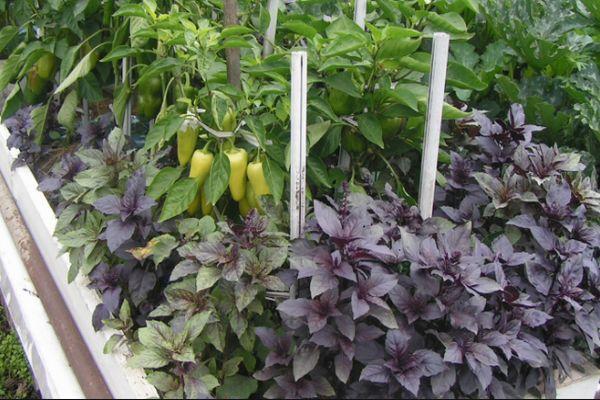
- Basil gets along well with other herbs or vegetables in the neighborhood;
- If you sell the spice in winter, when it has its highest price, you can make good money on it.
Greenhouse and soil requirements
Before planting, it's important to properly equip the greenhouse. If you're planting early, it's best to use glass as a greenhouse cover. This protects the plants from frost and maintains a stable microclimate without fluctuating temperatures.
A bed of soil will protect the seedlings from freezing. This approach will reduce water consumption for irrigation. The greenhouse will need to be equipped with vents.
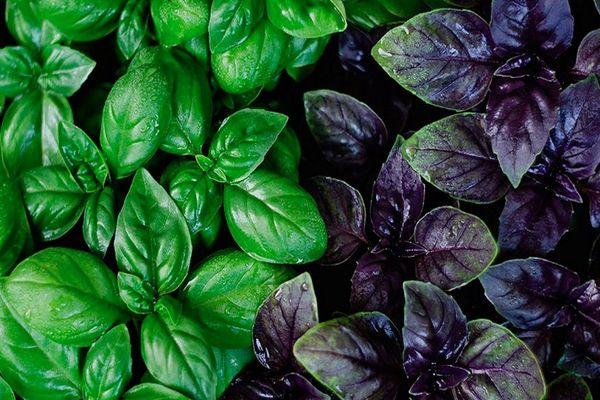
It's best to build a greenhouse on a plot of land that receives good sunlight. The soil should be loose and moderately acidic. Fertilizers can improve the soil's properties. Using peat, soil, and sand is considered an inexpensive and practical option. Fill the beds with this material after removing 20-25 centimeters of soil.
You can also simply dig up the soil to a depth of 30 centimeters. Then, spread the mixture over the area.
Selecting a variety
There are a huge number of basil varieties around the world. Each has its own characteristics and flavor. Inexperienced gardeners are better off choosing popular varieties.
Yerevan
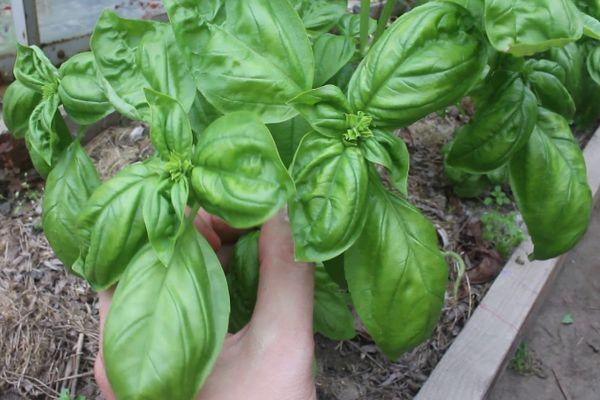
This variety is an annual plant. Yerevan basil It has a pleasant flavor and contains a large amount of carotene. The full maturation cycle takes 45 days. This herb can be used as a seasoning for various dishes or eaten as a herb.
Spoon-shaped
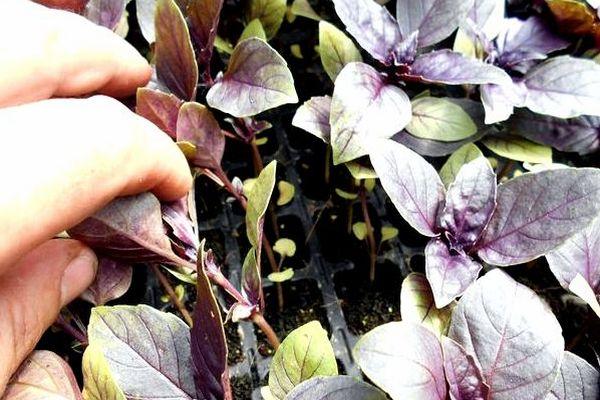
This variety gets its name from the unusual shape of its leaves, which are concave inward. The plant's leaves are oblong and light green. They lack teeth. The flavor of this spice resembles a mixture of cloves and bay leaves. Spoon basil is often used for cooking meats and tomato-based dishes.
Baku
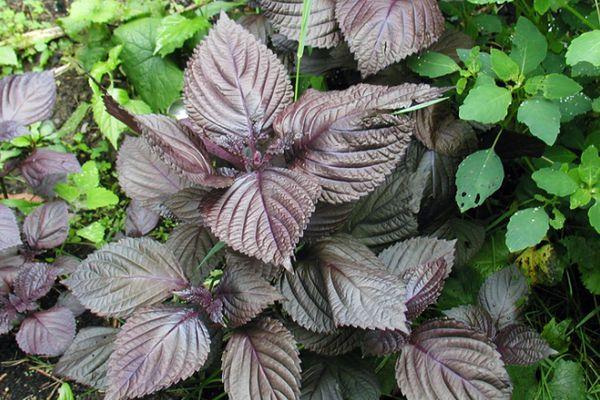
The Baku basil variety was originally grown in Azerbaijan. Its leaf shape is similar to the Yerevan basil variety, but its coloring is different. Because of this, it is popularly called "black basil." The aroma of its leaves is reminiscent of a mixture of mint and cloves. Baku basil is commonly used to season Eastern dishes.
Growing from seeds and seedlings
If this spice is grown from seedlings, container planting should be done in early spring in warmer climates. In colder climates, planting should be done a month later.
It is preferable to plant basil seeds in mid-spring, since the greenhouse must be sufficiently warm. Before planting, the soil must be well moistened, and only then the grain must be placed at a depth of 1 centimeter.
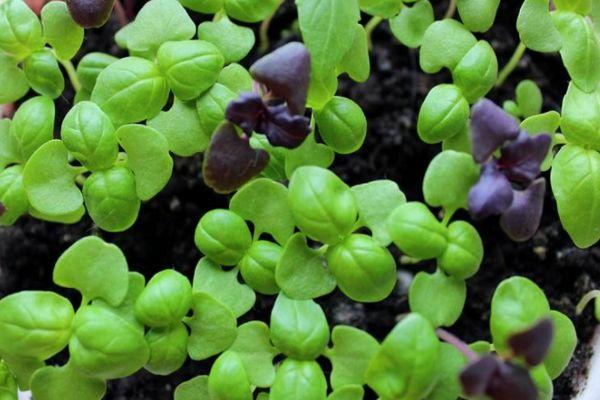
The distance between seeds should be 15 centimeters, and the width between rows should be 30 centimeters. Temperature is also important; it should be around 20-25 degrees Celsius. Continue caring for the greens as usual. Thinning the seedlings may be necessary.
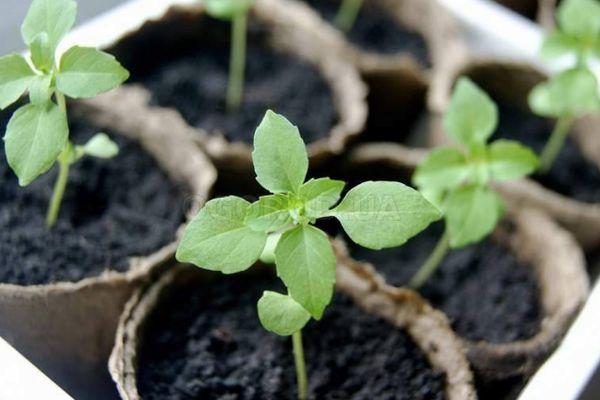
If grow basil If you're starting with seedlings, you'll first need to germinate them. To do this, plant the seeds 5 millimeters deep in special containers. After sowing, cover them with glass. To ensure proper seedling development, water them with a solution of phosphorus, potassium, and nitrogen fertilizers when the leaves emerge. After the seedlings germinate, they can be planted in a greenhouse using a 20x35 cm (8x14 in) grid.
Care, watering and fertilizing
For the first few weeks, basil plants grow slowly. The ideal temperature range is considered to be between 22 and 28 degrees Celsius. If the temperature drops to 15 degrees Celsius, basil growth may slow significantly.
Temperatures below 3 degrees Celsius are considered harmful to the plant. Also, when planting, keep in mind that basil grows poorly in extremely hot climates. During the summer, the greenhouse must be adequately ventilated.
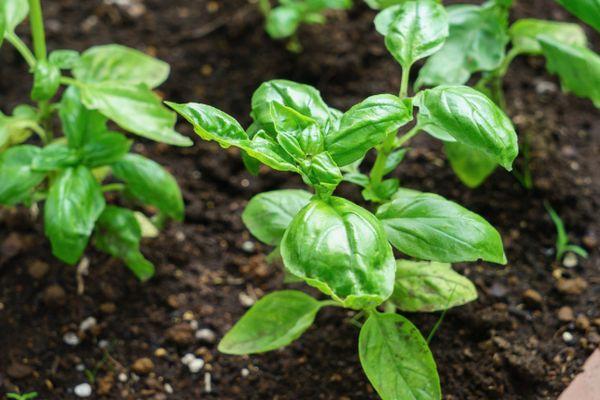
Recommendations for proper care of basil:
- The plant requires regular watering. Ideally, this should be done once a week. If possible, use water that has been left to sit for 24 hours and slightly warmer than room temperature (25 degrees Celsius). Drip irrigation has long been proven to be the most effective method for greenery. Setting up an automatic irrigation system will make caring for the plant easier. The system can be adjusted and configured for spraying if desired.
- When growing basil, the plant needs to be fed two weeks after transplanting it into a greenhouse. Nitrogen fertilizers will help accelerate growth. To prepare them, mix 10 liters of water with 10 grams of urea. This amount is enough to water 3 square meters of soil. A second feeding is also required. This is done 20 days after the previous one. For this second feeding, it is recommended to use a complex fertilizer. It is diluted at a rate of 25 grams per 10 liters of water. Diluted manure or bird droppings also serve as fertilizer. The second feeding is performed after the next cutting of shoots.
Harvesting
Once the shoots reach 12 centimeters, they are cut back. This should be done above the third pair of leaves. Their height should be 7-8 centimeters above the soil level. The soil between the rows will need to be loosened. Fertilizer should also be added. After 20 days, the greens will have reached the desired size, after which they will need to be cut back again. Each basil plant can yield up to four harvests.
The harvest should be completed before the leaves become rough. To dry the greens, they should be picked in warm, dry weather.
Diseases and pests
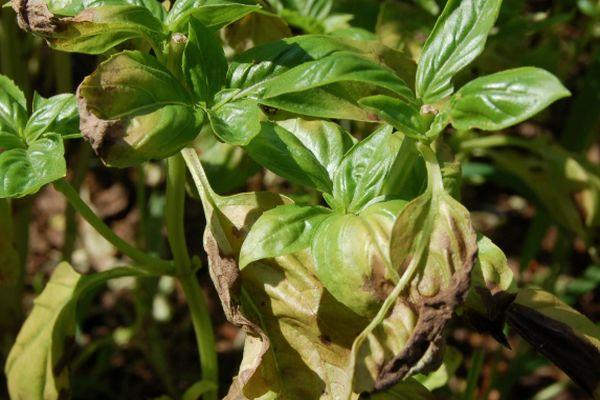
Although basil is resistant to most diseases, improper care weakens the plant and makes it vulnerable to pests. The most common mistakes include overwatering and watering too frequently. Over-chilling basil can also weaken the plant and even kill it.
Features of growing in winter
Growing vegetables in winter is possible thanks to greenhouses. This method is considered profitable, but not every beginning gardener has the means to build and equip a full-fledged greenhouse. More often, people grow basil in pots and store them in your own home on a windowsill. Caring for basil at home is almost the same as caring for other plants.
Related posts:
 What is basil and what does it look like, description of varieties and where it grows
 The beneficial properties and contraindications of basil for men and women, and traditional medicine recipes
 How to prepare basil for the winter at home, storage methods and rules
 Description of the 20 best basil varieties, what is the difference between green and purple
 Growing from seeds and caring for basil in open ground, diseases and harvesting
 Description and use of purple basil varieties, what are the benefits
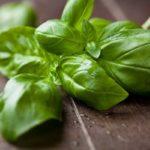 How to dry basil at home: uses, benefits, and when to harvest
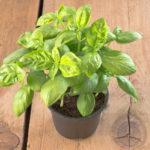 Growing basil on a windowsill from seeds and cuttings, and caring for it at home