
- Introduction to basil, description of the plant
- Sowing basil seeds
- When to sow basil, the process of planting the plant
- How to care for seedlings
- Planting seedlings in the ground
- What kind of soil should be used for planting basil?
- How to plant seedlings correctly
- Basil care and growing tips for this aromatic plant
- Watering and soil care
- When is plant fertilization necessary and how to do it?
- Harvesting, how to pick greens
- When and how is pruning carried out?
- How to prepare basil
Among the many herbs and plants, basil is a popular choice among gardeners. Growing it requires a number of considerations. When planting basil in your garden, you need to ensure suitable climate conditions, select the right soil, and adhere to basic agricultural practices. The herb can be grown outdoors or indoors.
Introduction to basil, description of the plant
Basil's popularity in Russia began in the 18th century, when cosmetics were made from the herb. Over time, this herb and leafy green began to be used in cooking and other applications. Basil is an annual plant with oblong, short-petioled leaves. The average stem length reaches 60 centimeters. The herb has a distinct lemony aroma, making it an ingredient in many dishes.
The plant's branching roots are located close to the soil surface when basil is grown outdoors. The above-ground portion of the basil plant is covered in hairs. The inflorescences are white or pale pink. Some varieties of basil produce dark fruits, resembling small nuts, which ripen in clusters of 3-4 and remain viable for 5 years.
Sowing basil seeds
There are two ways to plant spices in your garden: sow the seeds in advance in separate containers to produce seedlings, or sow them directly into the open ground. Sowing basil in pots This allows you to grow aromatic herbs, and in autumn, collect seeds for use next season. Sowing basil directly into the soil will yield a large amount of herbs, but the seeds won't have time to ripen before the first frost.
When to sow basil, the process of planting the plant
Planting basil requires following a number of rules to ensure a bountiful harvest. The spice should be sown a couple of months before transplanting the seedlings into open ground. Typically, sowing occurs in late March or early April. This allows the plants time to fully develop.
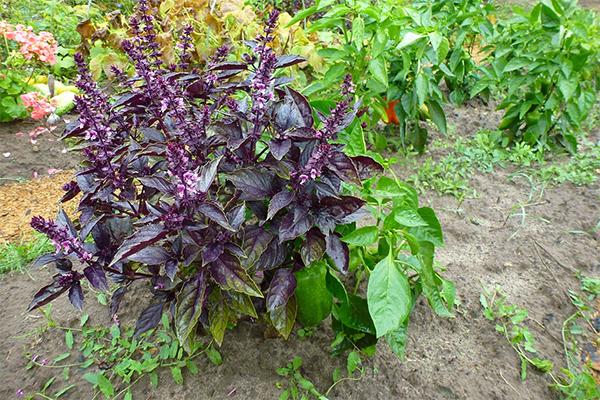
When wondering how to sow basil, you need to follow these steps in sequence:
- Prepare containers for seedlings and fill them with equal proportions of humus, soil and peat soil.
- Fertilize the soil mixture with a solution of 5 liters of liquid and one spoon each of potassium sulfate, superphosphate, urea and potassium chloride.
- Wait until the soil warms up to a temperature of about 20 degrees, and sow the seeds, covering them with a thin layer of soil on top.
- Cover the container with seedlings with film or a special covering material, then leave it in a warm and constantly lit room.
It's important to remember that overwatering the soil around seedlings can promote infection. To prevent infection, treat the soil with a mixture of copper sulfate and water.
How to care for seedlings
Regardless of the variety chosen, basil seedlings require moist soil and consistent sunlight to germinate. Once the first shoots emerge, place the pot on a sunny windowsill.
If the soil was properly fertilized, the seedlings will appear 7-10 days after sowing.
When growing basil from seeds, it's recommended to keep the seedling container in a location with a constant temperature. Regular watering is required if the soil dries out, but it's important to avoid overwatering. To ensure uniform ripening of all the seedlings, periodically rotate the container.

Planting seedlings in the ground
Once the basil seedlings have grown, they need to be transplanted into open ground for further maturation. The seedlings can be divided into individual pots and kept on a windowsill, but in hot climates, it's more practical to transplant them outdoors.
To get a good harvest and lush greenery, you should plant seedlings before the onset of summer, when the ambient temperature rises every day.
Seven to 10 days before transplanting the seedlings into open ground, reduce moisture and ventilate them. This will help them adapt to their new location. Remove the seedlings from their pots and transplant them into the soil once the soil has warmed to 15 degrees Celsius. The transplanting process follows a standard plan: space the seedlings 25-30 centimeters apart to allow the root system to develop freely. The optimal depth of planting is about 30 centimeters.
Before planting, water the dug holes. The bushes should be positioned so that all leaves are above the soil. A cloudy day is best for transplanting, when ultraviolet rays will have minimal impact on the seedlings.
What kind of soil should be used for planting basil?
Proper growth and ripening of a high-quality harvest require suitable soil for basil. When choosing a site, consider beds with fertile, well-maintained soil. Basil requires well-heated areas protected from drafts. You can protect seedlings from the wind by planting them near lush trees and shrubs.
Any basil varieties They grow best in light sandy loams with a high organic content. Legumes, potatoes, cucumbers, and tomatoes, which require a consistent supply of organic fertilizers, are considered the best pre-planting crops for spices.
How to plant seedlings correctly
The timing of planting basil depends on the climate. Late May and June are considered the best time. Late transplanting can result in the seedlings not being able to withstand hot periods and early frosts. Before planting, fertilize the soil to promote subsequent growth and prevent disease.

After planting and compacting the soil, water the basil. For the first two weeks after transplanting, cover the seedlings with plastic at night to ensure the basil continues to develop roots and prevent wilt from sudden temperature changes.
Basil care and growing tips for this aromatic plant
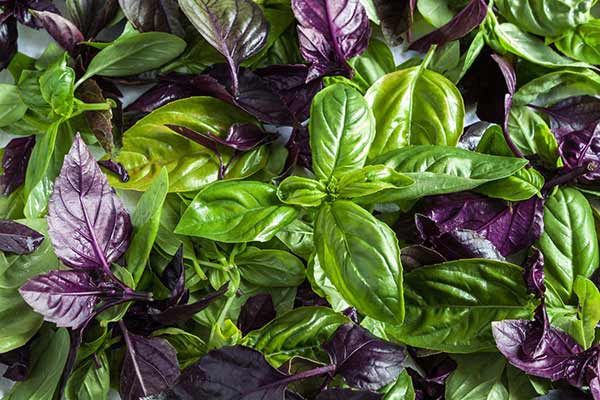
This herb requires regular care, but to obtain a high-quality harvest, only basic agricultural practices are necessary. To grow basil with dense foliage and a pleasant aroma, you need:
- Periodically inspect the beds to detect and remove weeds that prevent seedlings from sprouting.
- Loosen the soil so that there are no lumps left in it and the plants can grow freely in height.
- Water the soil constantly, avoiding drought or excessive moisture.
If you want to grow a spice with a distinct aroma, consider this factor when choosing a plant variety. A striking example of an aromatic variety is the Russian Purple Giant.
Watering and soil care
The frequency of watering the soil where basil grows depends directly on climate conditions. Plant care requires regularly checking the soil condition. If the soil begins to dry out, the seedlings need watering. When watering the beds, it's important to avoid overwatering, as this can cause root rot.
Before each watering, you should loosen the soil so that more oxygen penetrates to the lower part of the roots and moisture flows more actively. It is better to water basil bushes with warm, settled water.
Also, for proper basil growth, it's necessary to cultivate and remove weeds, which can consume beneficial nutrients from the soil. Large-rooted weeds hinder basil plant growth and reduce yield. After weeding, water the plants thoroughly.
When is plant fertilization necessary and how to do it?
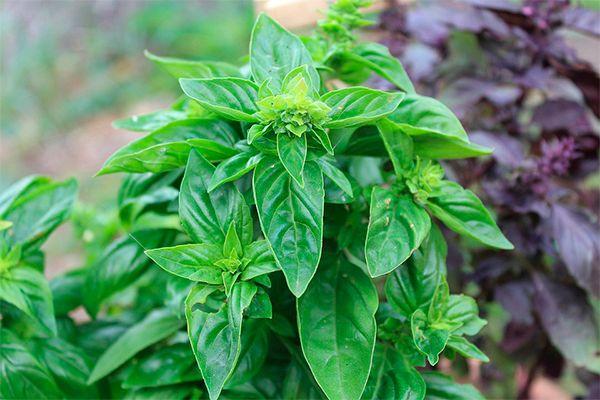
One of the essential parts of caring for basil bushes is fertilizing them. Enriching the soil with organic matter will ensure a distinct aroma and dense foliage. The first application should be made when transplanting the seedlings into the open ground. The next application is recommended a month later. One or two applications may be necessary throughout the growing season, provided the beds are free of basil pests.
To ensure lush, green growth, use nitrogen-based fertilizers. Nitrophoska is a suitable fertilizer, prepared in a solution at a ratio of 2 tablespoons per 12 liters of warm, clean water. Water the beds at the roots, using 3-4 liters of solution per square meter of soil. Fertilizing not only promotes plant growth but also prevents basil diseases.
Harvesting, how to pick greens
When the above-ground part of the plant reaches a height of 10-12 centimeters, you can begin harvesting. The plucked leaves are tied into compact bunches and carefully dried. If you plan to use the herbs as a seasoning for various dishes, simply finely grind or crumble the dried leaves.
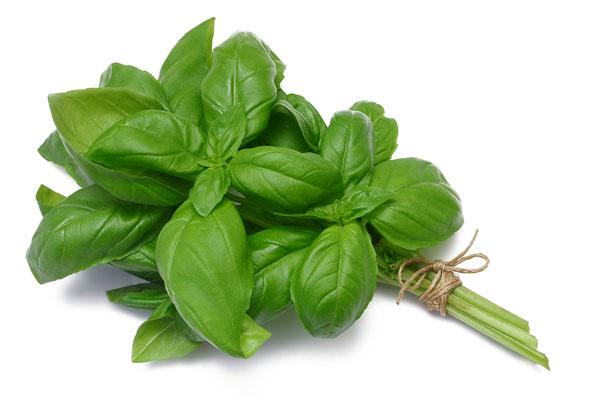
You can stock up on basil for a long period. If you plan to store the herb, be sure to inspect the plants thoroughly when harvesting. Leaving diseased basil in storage can result in a significant loss of your supply. Store the herb dry, as freezing will destroy its beneficial properties.
When and how is pruning carried out?
It's recommended to trim the plant's shoots and leaves from midsummer until the first autumn frosts. Regularly trimming large grass, new shoots, and some of the inflorescences will encourage basil plants to continue growing and become more vigorous. This method increases the yield, as new leaves will grow several times during a single season.
When harvesting basil, keep in mind that the seeds only fully ripen by early autumn. Therefore, don't rush to remove the plants, even if they are gradually drying out. If the seeds don't fully ripen, they won't produce subsequent shoots.
How to prepare basil
Most basil varieties retain their pleasant aroma for a long time, even when dried. To preserve the aromatic properties of the herbs, the harvested basil should be tied into bundles and hung in a dark, well-ventilated area (attic or cellar). The storage temperature should be maintained at least at 10 degrees Celsius.
If the collection was carried out by picking the leaves, then they should be laid out on a smooth surface and allowed to dry naturally.
There are many ways to use this healthy herb. The easiest way is to use dried basil as a seasoning, storing it in glass containers or paper bags. You can also pickle the herb using the following steps:
- wash and dry the leaves;
- Place the greens tightly in sterilized jars to allow the plant to release juice;
- add salt between the layers of the plant;
- screw the lid on the jar and store it at a temperature of no more than 2 degrees.
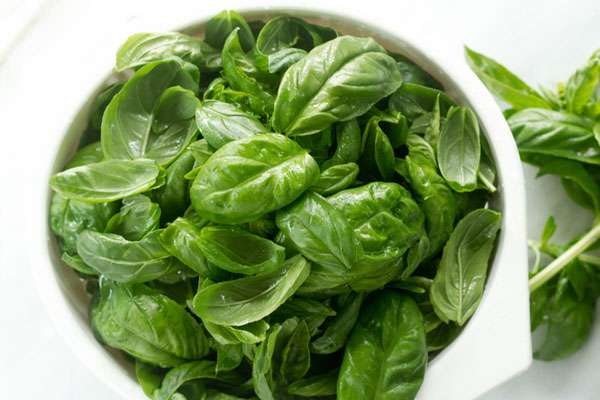
Pickling preserves the plant's beneficial properties. Preserving herbs is similar. The leaves are also arranged in several layers, each layer sprinkled with salt, but at the final stage, olive oil is added to the container. When using pickled or pickled herbs, reduce the amount of salt added to dishes.
Related posts:
 What is basil and what does it look like, description of varieties and where it grows
 The beneficial properties and contraindications of basil for men and women, and traditional medicine recipes
 Description of the 20 best basil varieties, what is the difference between green and purple
 How to prepare basil for the winter at home, storage methods and rules
 Description and use of purple basil varieties, what are the benefits
 How to dry basil at home: uses, benefits, and when to harvest
 Growing basil on a windowsill from seeds and cuttings, and caring for it at home
 TOP 10 tips on how to properly plant and grow basil from seeds at home for seedlings