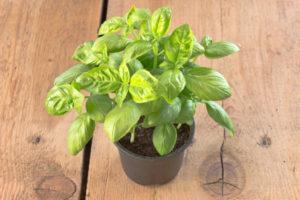
Basil is an annual plant with over 150 varieties classified by two characteristics: leaf color and aroma. Basil is rightfully considered a very beneficial herb due to its many properties, but like other plants, there are contraindications for its use. The plant has anti-inflammatory, tonic, immune-boosting, and antimicrobial properties.
The royal herb basil
The herb is an incredibly beneficial and delicious plant, widely used in folk medicine, as extracts in pharmaceuticals, cosmetology, and cooking. Many legends and stories, both romantic and religious, are associated with it, as well as stories about miraculous healing and wealth-gaining properties.
In Greek, there are two terms for basil: Βασιλική — royal, ὤκιμον — basil. It was brought to Europe in the 4th century BC from regions with a subtropical climate and was considered a royal plant. It was then spread by merchants to other countries and became popular among the common people.
It was brought to Russia in the 17th century, quickly gaining respect and becoming used in various aspects of human life. It is also known as "reagan," "reikhan," "raykhon," "fragrant cornflower," and "rean."
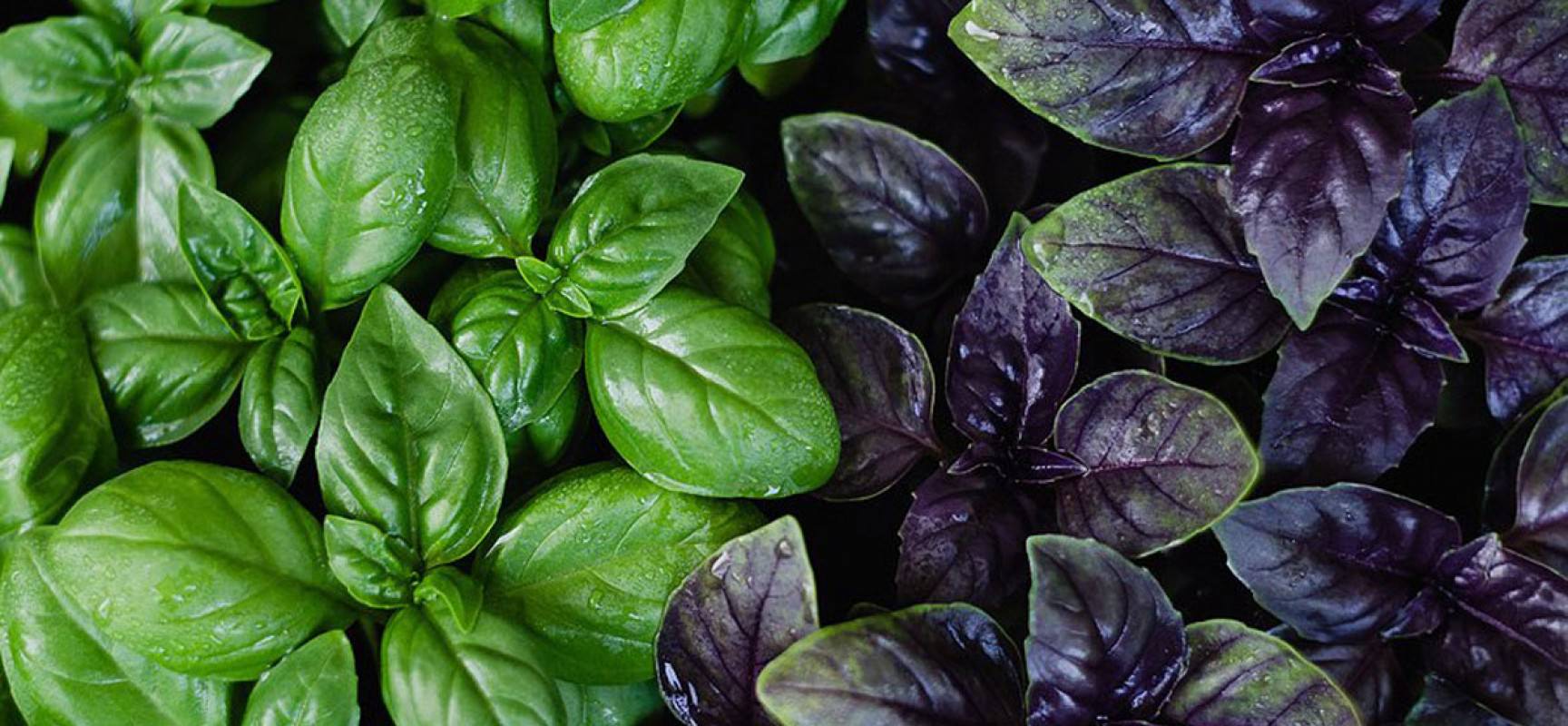
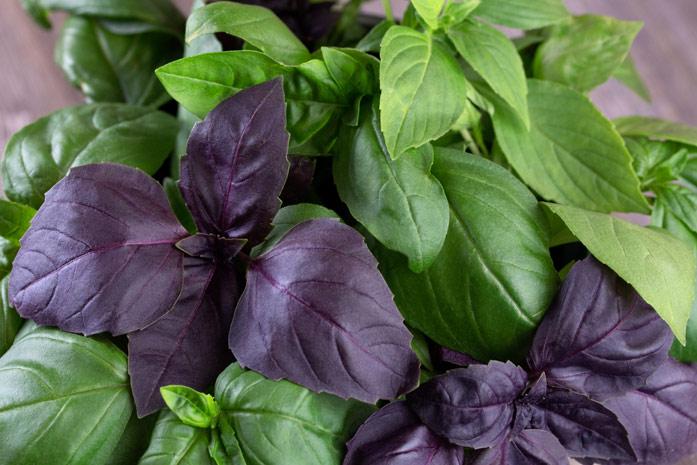
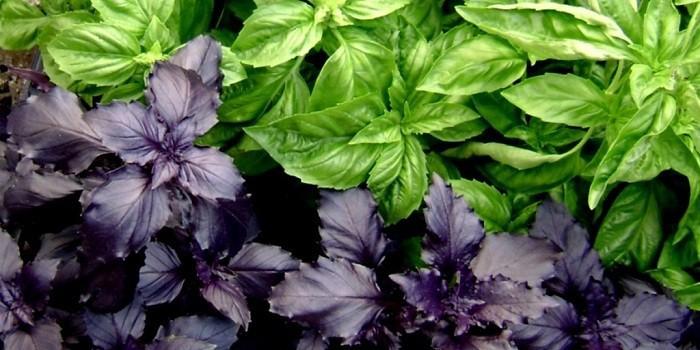
There are several types basil with green and purple leaves colors:
| Basil | Types of basil | Description |
| Green leaves (has a lighter aroma and a delicate flavor) |
Italian (Genoese) | Aroma: aniseed. Used in cooking as a flavor enhancer. |
| Evenol-thermophilic | Aroma: light, lemony with mint. Taste: slightly bitter. Used for marinades and canning. | |
| Broadleaf | Aroma: allspice. Used in salads and folk medicine due to its high content of essential oils. | |
| Purple leaves (has a strong, vibrant aroma and a long aftertaste) | Ordinary | Aroma: peppery-clove.
The most popular plant species, widely used for medicinal and culinary purposes. It is dried, pickled, and eaten fresh. It is easy to grow and can be grown indoors. |
| Yerevan | Aroma: tart, with hints of tea and allspice. Used in cooking and garden decoration. High yield, 2-3 times per season. | |
| Red | Aroma: peppery-clove. Grow in pots, open ground, and greenhouses. Use fresh or dried. | |
| Tulasi | Aroma: bright, sharp, peppery-clove, leaving a bitter aftertaste. Used for preparing spicy dishes. In India, it is also used during rituals, fumigating dry rooms. | |
| Osmin | Aroma: spicy, clove-like, light. Used in cooking, grown not only outdoors but also indoors. |
Useful properties of basil:
- Antiseptic effect.
- An aphrodisiac that increases sexual desire.
- Tones the body and skin.
- Improves blood circulation.
- Stimulates mental activity.
- Has a sedative effect.
- Cleanses from waste and toxins.
- Reduces body temperature during acute respiratory viral infections.
- Stimulates the body to enhance its protective functions.
- Anti-stress qualities.
Harm from consuming basil occurs due to individual intolerance to the plant or when the dosage is exceeded:
- Allergy.
- Poisoning.
- Convulsions.
To avoid harm to the body, use with caution or do not use if you have the following contraindications:
- Pregnancy, lactation, breastfeeding.
- Diabetes mellitus.
- For serious problems with the cardiovascular system.
- For problems with veins and thrombosis.
- Children under 7 years of age.
- Gastrointestinal problems.
- Liver failure.
 Experts do not recommend using basil for treatment for more than 2-3 weeks; it is necessary to take a break of 1-1.5 months.
Composition and calorie content of fresh and dried basil
In various areas, the above-ground portion of basil is used: the stem, leaves, flowers, seeds, and roots are not. Fresh basil contains more nutrients than processed basil.
| Compound | Fresh grass, quantity per 100 g | Dried herb, quantity per 100 g |
| Caloric content | 23 kcal | 233 kcal |
| Squirrels | 3.15 g | 23 g |
| Fats | 0.65 g | 4 g |
| Carbohydrates | 2.6 g | 48 g |
| Dietary fiber | 1.5 g | 37.7 g |
| Ash | 1.49 | 14.85 g |
| Water | 92 g | 10.5 g |
| K | 295 mg | 2630 mg |
| Ca | 177 mg | 2240 mg |
| Fe | 3.2 mg | 89.8 mg |
| Mg | 65 mg | 716 mg |
| Mn | 1.15 mg | 9.8 mg |
| Ph | 56 mg | 274 mg |
| Na | 4 mg | 77 mg |
| Cu | 385 mg | 2100 mg |
| Se | 0.3 mg | 3 mg |
| Zn | 0.81 mg | 7 mg |
| Fructose | 0.02 g | 0.75 g |
| Glucose | 0.02 g | 0.02 g |
| Mono and disaccharides | 0.3 g | 1.7 g |
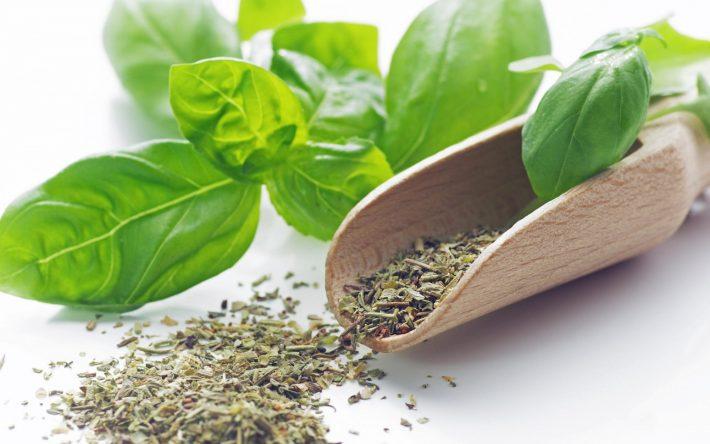
Dried basil contains iron and manganese, which exceeds the recommended daily intake by twice the recommended daily value. Basil also contains:
- Vitamin A, beta carotene, beta cryptoxanthin, lutein, zeaxanthin.
- B vitamins: thiamine, riboflavin, pyridoxine, folate, choline, pantothenic acid.
- Ascorbic acid (vitamin C).
- Alpha and gamma tocopherol, vitamin E.
- Phyloquinone.
- Betaine.
- Vitamin PP.
In addition to vitamins, macro- and microelements, fresh basil contains: 10 replaceable and 8 essential amino acids, 3 saturated fatty acids, 3 mono- and polyunsaturated acids.
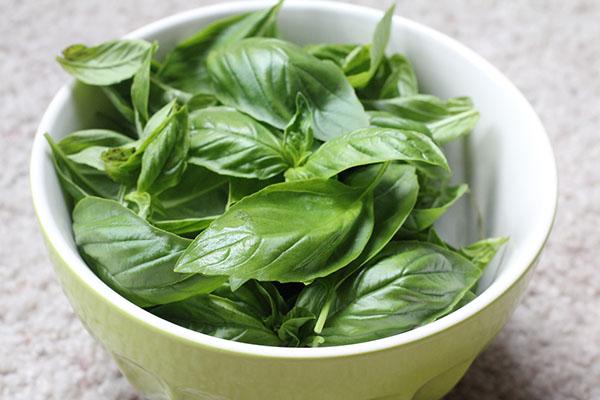
Basil seeds are an effective weight loss aid; they have absorbent properties and are able to remove harmful substances and excess cholesterol, even to some extent after irradiation.
Eating seeds for weight loss dulls the feeling of hunger and also removes excess, stagnant fluid from the body.
To prepare the seeds, you'll need a glass of boiled warm water or milk. Pour 2 tablespoons of basil seeds into the liquid and let steep until the seeds become translucent. Add the resulting infusion, 2-3 tablespoons at a time, to a mug of tea or other water-based drinks consumed during the day. At night, you can prepare it with milk or kefir and drink the entire glass. Use this recipe for no more than 2-3 weeks, then take a break. The drink effectively burns fat, removes excess deposits from the body, and cleanses the intestines.

Basil essential oil can also be used for weight loss by adding it to massage formulas. It contains camphor, fragrant eugenol (up to 70%), ocimene, cineole, linalool, biflavonoids, and other chemical compounds, which impart a light, spicy, tart aroma to the oil. A yellow-green, viscous liquid, it is obtained by pressing the leaves and upper parts (shoots) of the plant, then steam distilling.
The benefits of basil for the human body
The benefits of basil, when consumed regularly in small quantities, are great; it has a beneficial effect on human health and organs: kidneys, liver, heart, and brain function.
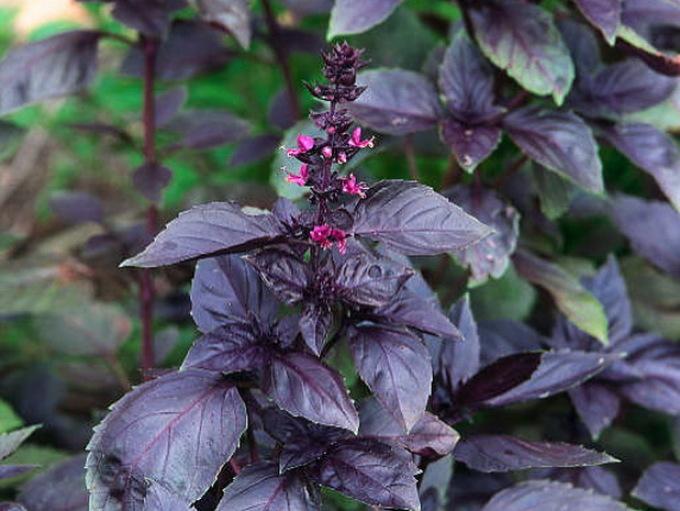
Basil has a beneficial effect on the heart muscle, normalizes its rhythm, thins the blood, strengthens blood vessel walls, reduces cholesterol, and, thanks to its high iron content, especially in dried basil, prevents anemia. It also increases blood pressure, so people with hypertension should consume it with caution and after consulting a doctor.
Beneficial macro- and microelements, vitamins, tannins, and essential oils influence brain function, improve attention and memory, relieve nervous tension, help cope with stress, and improve sleep. Therefore, it is recommended for students, high school students, and those engaged in mental work.
Gastrointestinal and Kidney Health – cleanses the intestines and kidneys, removes toxins, stimulates metabolic processes, initiates cell rejuvenation mechanisms, eliminates flatulence, and normalizes stomach function. It has an effect on kidney stones and sand, and can disintegrate them, so it should not be consumed by those with large stones.
Basil's chemical compounds can also boost the immune system, relieving the early symptoms of acute respiratory viral infections, colds, and flu. Homemade tinctures and alcohol-based remedies treat bronchitis, reduce fever, and fight viruses.
Basil juice
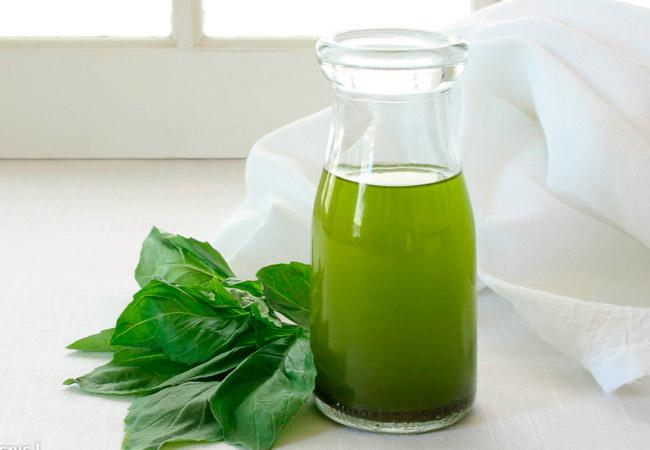
Basil juice is prepared from fresh leaves and stems. It can be stored in a cool place for no more than 24 hours, after which the beneficial properties decrease. Fresh juice is also used for wound healing and as a body tonic.
And taking it internally can help eliminate unpleasant odors from the stomach and mouth, as it kills bacteria and fungi.
The benefits for men are enormous. Basil's aphrodisiac properties and certain acids influence the functioning of the reproductive organs, stimulating and toning muscles, and normalizing hormonal balance, specifically increasing testosterone production. In men, it enhances sexual desire and potency. This is especially true when consumed freshly or in a salad.
There are also benefits for women. When preparing for pregnancy, basil can be used as a cleanser and a method for accumulating beneficial nutrients. Using dried basil in the form of decoctions, infusions, or fresh juice can relieve menstrual pain, have a positive effect on PMS, and improve mood.
Basil tincture
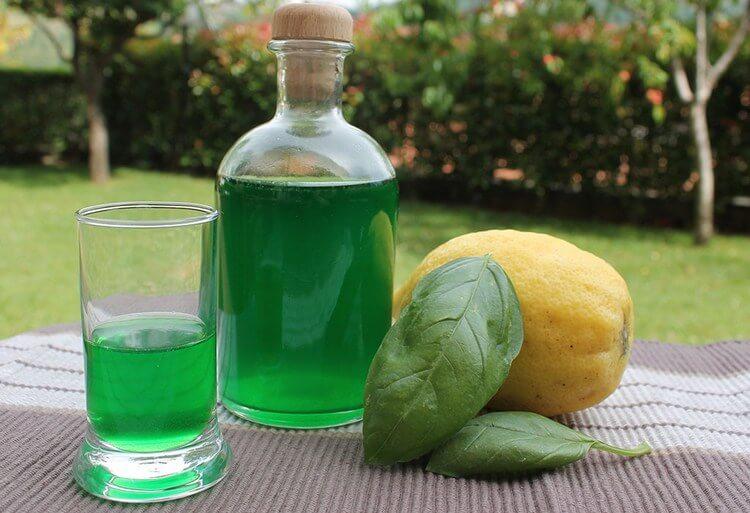
To prepare it, pour 50 grams of fresh or 15 grams of dried leaves into 100 grams of vodka or 65 grams of alcohol. Leave to steep in a cool, dark place. You can wrap the container in a towel and place it in the bottom of the refrigerator for two weeks. Take a few drops 2-3 times a day or dilute it in water. For cardiovascular conditions, it's best to avoid the tincture and instead use fresh basil or a decoction of the dried herb.
Basil tea
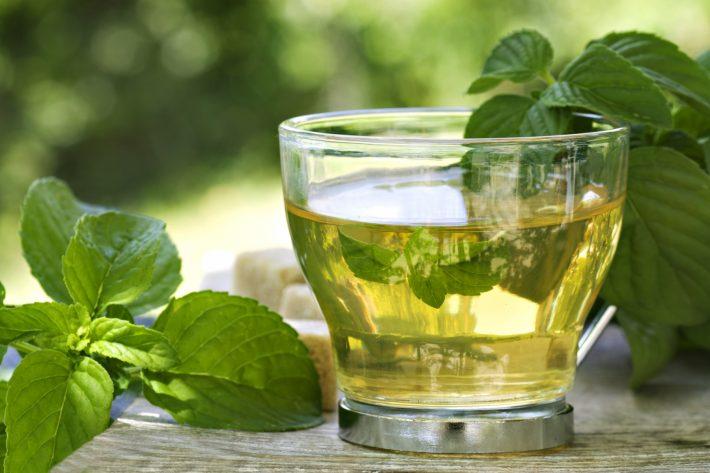
Basil tea has long been consumed in Eastern countries due to its known health benefits. It is used as a preventative for respiratory illnesses, a mood booster, and as a bedtime drink for insomnia.
For every 200 ml of boiling water, add 1 teaspoon of dried leaves or the tops of 4-6 fresh leaves. Cover and steep for 7-10 minutes. Leaves or sprigs can be added to any tea. Lemon basil has the most pleasant flavor and aroma; it's refreshing and toning in the summer heat.
Use in folk medicine
In folk medicine, decoctions, infusions, alcohol tinctures, extracts, dried basil, oil, and balsam are used:
- Compresses are made to heal wounds.
- Add juice and essential oil to cream or massage oil to improve blood circulation in the skin, and it also relieves back pain and muscle stiffness.
- The juice or decoction from the plant is used to eliminate acne, wiping the face with it twice a day.
- Decoction, tincture, and juice are used to treat dental diseases: gingivitis, stomatitis, periodontitis.
Basil should be used only after eliminating all contraindications, consulting a doctor, and for no more than 14-20 days.
Herbs in cooking
Basil is very popular in sauces, the most famous being pesto. The plant imparts a unique flavor to cooked food and leaves a pleasant aftertaste. Meat and fish dishes, baked or fried, are rich and flavorful. Making pizza, soups, sauces, and other dishes with basil is an integral part of the Italian, Georgian, Arab, Azerbaijani, and Hindu cuisines.
They use the herb especially often for preparing dishes for men, as the plant is considered useful for increasing male potency.
Folk recipes for medical use
The plant is widely used in folk medicine; healers make medicinal mixtures based on basil and use them for various ailments.
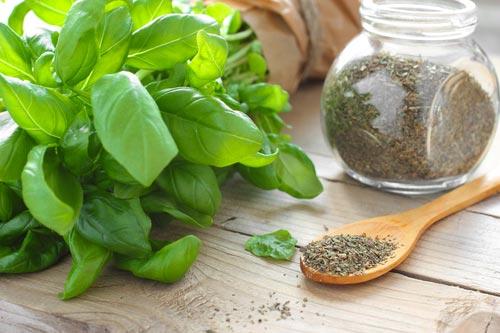
To boost immunity, take 20 grams of dried basil, 10 rose hips, and 10 drops of echinacea tincture, pour boiling water over the mixture, and let steep for 2 hours. Drink half a glass twice daily. It has anti-inflammatory and choleretic properties.
Add 1 tablespoon of basil, yarrow, mint, and chamomile to 500 g of boiling water and let steep for 2-3 hours. Drink 50 g three times daily. This mixture helps relieve heartburn and stomach heaviness. Keep in mind that any homemade remedy has a shelf life of no more than 12-24 hours. Therefore, make fresh infusions every day.
Basil contraindications and harm from the spice
Basil is an herb with both positive and negative properties. Its harmful effects include improperly prepared medicinal products or prolonged use, which can cause stomach and intestinal irritation, as well as allergic reactions. Basil's chemical compounds contain harmful impurities, such as mercury, so it is contraindicated for pregnant and breastfeeding women, as well as young children.
Basil is not only a spice but also a medicinal plant, beneficial in any form. It can be grown not only outdoors but also on a windowsill, without losing its beneficial properties.
Related posts:
 What is basil and what does it look like, description of varieties and where it grows
 Description of the 20 best basil varieties, what is the difference between green and purple
 How to prepare basil for the winter at home, storage methods and rules
 Growing from seeds and caring for basil in open ground, diseases and harvesting
 Description and use of purple basil varieties, what are the benefits
 How to dry basil at home: uses, benefits, and when to harvest
 Growing basil on a windowsill from seeds and cuttings, and caring for it at home
 TOP 10 tips on how to properly plant and grow basil from seeds at home for seedlings