
- Description and types
- Composition and beneficial properties
- Advantages and contraindications
- How to dry at home?
- When to collect?
- How to dry in the oven?
- In an electric dryer
- Naturally
- Storage
- Application
- For women
- During PMS
- For cystitis
- For weight loss
- For men
- In folk medicine
- For dry cough
- When tooth enamel and gums are weakened
- For kidney stones
- To strengthen vision
- Under stress
- For stomach heaviness and gastrointestinal problems
- For immunity
- For rheumatism
- In cooking
- Magical properties
Basil has a distinctive spicy flavor. The plant contains numerous beneficial microelements with anti-inflammatory and antibacterial properties. Dried basil is used as a seasoning in a variety of dishes.
Description and types
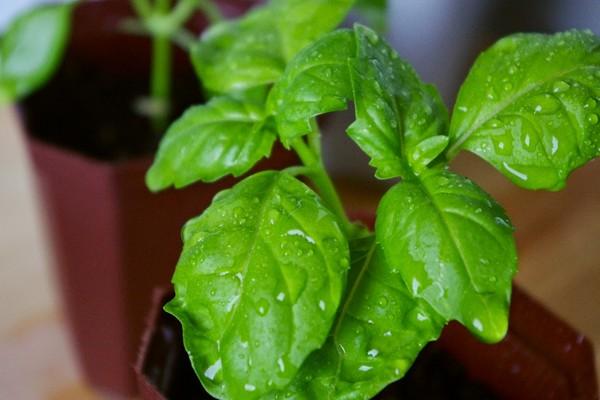
Basil is a spice plant used as a dietary supplement. Originally native to Central Asia, it later spread to Europe, Russia, and the Americas.
The plant grows to a maximum height of 30-60 centimeters. Essential oil imparts a spicy aroma to the plant. Basil blooms from June to September.
There are over 70 varieties of basil. Based on leaf color, the crop is classified as:
- Green. This type is divided into Italian, South American (evenol), and broadleaf.
- Purple. This type is subdivided into common, Yerevan, red (Dark Opal), Tulasi, and Osmin.
Depending on the aroma the crop gives when added to dishes, the plant is classified into the following types:
- clove and clove aroma;
- clove-pepper (Basilisk, Marquis);
- peppery (camphor, Ruby of Cairo);
- lemon and Lemon Aroma;
- caramel (Red Ruby);
- marinade;
- anisic;
- mint-pepper;
- menthol;
- vanilla.
There is also a gradation based on size. This is used to distinguish between low-, medium-, and tall-growing varieties.
Composition and beneficial properties
The crop is considered rich in beneficial microelements. Basil contains:
- Carbohydrates provide the body with energy.
- Vitamins C, B2, A, K, and PP support the functioning of many organs and systems.
- Essential oils. Restore moisture balance and prevent premature aging of the skin.
- Rutin. Stimulates red blood cell synthesis and strengthens vascular walls.
- Tannins. Suppress inflammation and normalize blood clotting.
- Zinc, iron and other trace elements.
- Flavonoids. Prevent the development of benign and malignant tumors and normalize metabolism.
Basil is beneficial, both dry and green. The plant strengthens natural defenses, reducing the risk of arthritis, colds, and other pathologies.
Advantages and contraindications
The main advantage of basil, compared to other spices, is its comprehensive effect on the body, helping to eliminate and prevent various diseases. Its flavor remains unchanged when dried. Regularly including this spice in your diet helps lower cholesterol levels.
Basil (greens and seeds) should not be consumed if:
- ischemic heart disease was detected;
- the person has previously suffered a stroke or heart attack;
- diagnosed with epilepsy;
- blood clotting is impaired, thrombosis or thrombophlebitis is present;
- low blood pressure.
This spice is not recommended for use in dishes intended for children under 7 years of age. Adults should also avoid consuming basil frequently. The plant's leaves contain small amounts of mercury, which accumulates in tissues over time and can cause serious health problems.
How to dry at home?
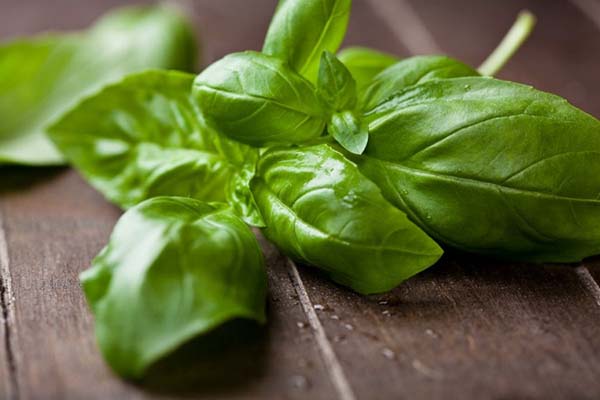
With the help of drying you can keep it for a long time save basil and use as a spice in cooking. The procedure is straightforward and easy to do at home.
When to collect?
The harvesting period affects the plant's flavor. Each person chooses when to harvest the plant based on their personal preferences. Some people harvest the leaves shortly before flowering. Gardeners believe that this period retains more aroma. Others harvest the leaves during flowering.
How to dry in the oven?
When drying in the oven, it is recommended to separate the leaves and stems. Place the plant on a baking sheet covered with paper. The branches should be pre-cut to 4-5 centimeters in length. Preheat the oven to 45 degrees Celsius (113 degrees Fahrenheit). Leave the door slightly ajar to ensure ventilation.
Dry the leaves in the oven for 2.5 hours, and the stems for 3-4 hours. After drying, it's recommended to leave the basil in the oven for 8-10 hours with the door closed.
In an electric dryer
Before placing the plant in the electric dryer, chop it until the stems are 4-5 centimeters long. Next, heat the dryer to 40-45 degrees Celsius (or select the "Herbs" mode).
If the specified temperature is exceeded, the oils contained in basil will evaporate.
Naturally
There are several options for drying basil naturally:
- The plant is hung on a rope or elastic band.
- The leaves are laid out on a sieve or mesh.
- The basil is laid out on a tray covered with paper.
The culture must be laid out in a dry room with good ventilation.
Storage
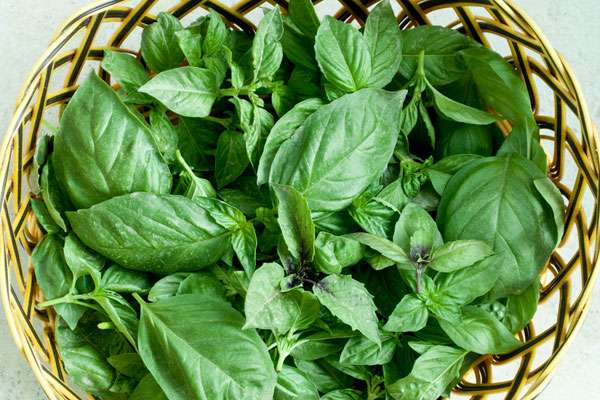
Dried basil is stored in glass jars or bags. It is recommended to separate the leaves and stems into individual containers. Jars should be kept in dark, dry, and well-ventilated areas.
Application
Basil's uses aren't limited to cooking. The plant is often used in various folk remedies for ailments.
For women
Green and purple basil contain trace elements necessary for maintaining women's health.
During PMS
Some components of the plant relieve pain typical of PMS. Consuming the spice tones the body. Furthermore, basil contains iron, which is essential for heavy bleeding.
For cystitis
To prepare the medicine, take a tablespoon of leaves (purple is recommended), mix with a cup of boiling water, and simmer for 10 minutes. Filter the resulting mixture and take 50 milliliters three times daily.
For weight loss
The plant's seeds help fight excess weight. They boost metabolism. To prepare a medicinal mixture, you'll need a teaspoon of seeds and a glass of warm water. Cover the container in which the ingredients are mixed for 5 minutes. Once the seeds have swollen, they are ready to eat.
Baths with basil leaves added are also used for weight loss.
For men
The main benefit of basil for men lies in the ability of the plant's components to combat the first signs of erectile dysfunction. The acids stimulate blood circulation in the pelvic area, thereby increasing libido and erectile function.
In dried form, the plant helps lose excess weight and strengthen the nervous system. The spice also improves the body's tone.
In folk medicine
There are many recipes for using basil to treat illnesses. The plant helps cope with colds, kidney problems, and other conditions.
For dry cough
To treat a dry cough, you'll need 100 milliliters of clean water and 7 leaves. Mix the ingredients, add 4 cloves of garlic, and simmer for 10 minutes. After cooling, drink the infusion throughout the day.
When tooth enamel and gums are weakened
If the enamel structure is damaged and the first signs of gum disease appear, it is recommended to grind several basil leaves into powder and use the resulting mixture to clean your teeth.
For kidney stones
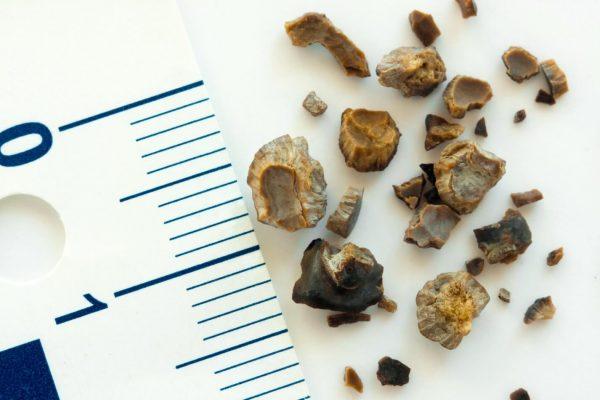
Some basil components stimulate bile flow. To combat kidney stones, it is recommended to drink a mixture of basil juice and honey (in equal proportions) before every meal for several months.
To strengthen vision
Regular consumption of the plant's leaves normalizes visual function. To relieve eye fatigue, mix 2 tablespoons of the plant (dried or green) with 1.5 liters of boiling water. After steeping, apply the mixture as a compress to the eyes twice daily. The treatment course lasts no more than 12 days.
Under stress
Consuming 12 leaves of the plant daily can strengthen the nervous system. It also helps flush harmful toxins from the body.
For stomach heaviness and gastrointestinal problems
For gastrointestinal dysfunction, a decoction of 1.5 teaspoons of the spice leaves and 250 milliliters of boiling water is recommended. Let the mixture steep for 15 minutes. After cooling, drink the mixture in two divided doses. Treatment lasts for 8 days, followed by a two-week break.
For immunity
To strengthen the immune system, grind 15 grams of the plant and mix with 200 milliliters of boiling water. Let the mixture steep for 20 minutes. After filtering, take 50 milliliters three times daily.
For rheumatism
An infusion of 40 grams of crushed leaves mixed with two liters of boiling water can help relieve symptoms of rheumatism. The resulting mixture is then added to a bath, which should be soaked for 15 minutes.
In cooking
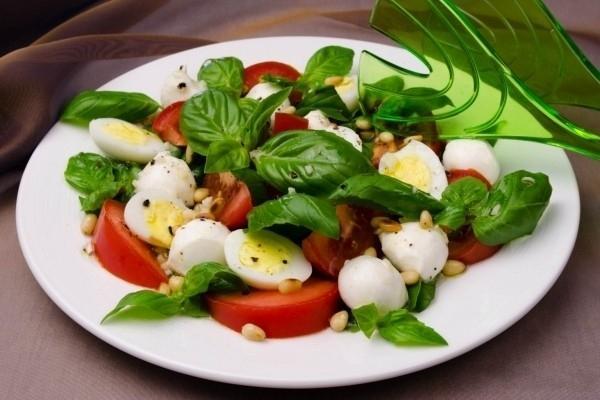
Basil is widely used in cooking. The plant is used in salads, sauces, meat dishes, and other dishes. The list of recipes incorporating this herb is constantly expanding.
Magical properties
Basil is believed to be able to:
- restore relations between spouses;
- will improve your sex life;
- protect people from dangers, including on the road;
- protect your home from intruders;
- to attract good luck, love and financial well-being.
Basil has many properties. The plant is used as a seasoning in various dishes and in the creation of medicines. Some people use the plant in magical rituals.
Related posts:
 What is basil and what does it look like, description of varieties and where it grows
 How to prepare basil for the winter at home, storage methods and rules
 Description of the 20 best basil varieties, what is the difference between green and purple
 The beneficial properties and contraindications of basil for men and women, and traditional medicine recipes
 Growing from seeds and caring for basil in open ground, diseases and harvesting
 Description and use of purple basil varieties, what are the benefits
 TOP 10 tips on how to properly plant and grow basil from seeds at home for seedlings
 Growing basil on a windowsill from seeds and cuttings, and caring for it at home