
Basil is a healthy spice used in meat and fish dishes, soups, sauces, and canning and marinating. Some varieties can be grown indoors during the winter, but not everyone knows how to do this properly, so many people preserve basil for the winter using various methods.
Basil Varieties: Which Variety to Choose?
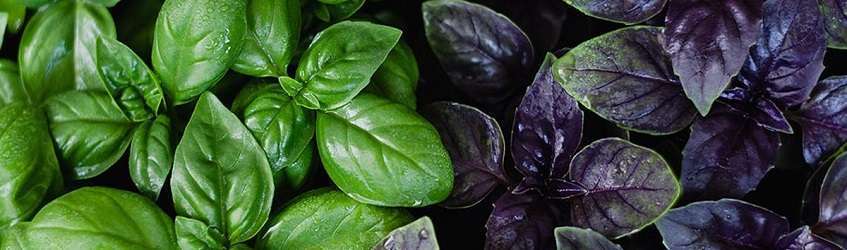
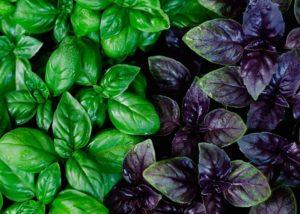
Basil is divided into two types, distinguished by leaf color: green and purple. Green-leaved varieties have a delicate flavor and a light aroma, while purple-leaved varieties have a more distinctive taste.
Varieties are also distinguished by taste and aroma characteristics; some are added to confectionery, others to drinks, and still others serve as a spice for first and second courses:
- Peppery smell and taste: Ruby, Basil broadleaf, Baku, Thai Queen, Camphor, Aramis, Rosie, Magic of the East, Edwina, Ararat.
- Clove scent: Clove, Clove aroma, Tulsi, Dark night, Sandwich leaf.
- Anise aroma: Anise basil, Anise delight, Italian basil, Wonderful day.
- Clove-pepper aroma: Marquis, Basilisk.
- Menthol and lemon scent: Velvet, Spark, Lemon, Novelty, Lemon.
- Vanilla flavor: Vanilla aroma.
- Caramel scent: Caramel basil.
- With the scent of cinnamon: Basil vegetable aroma of cinnamon.
- Peppermint: Greek.
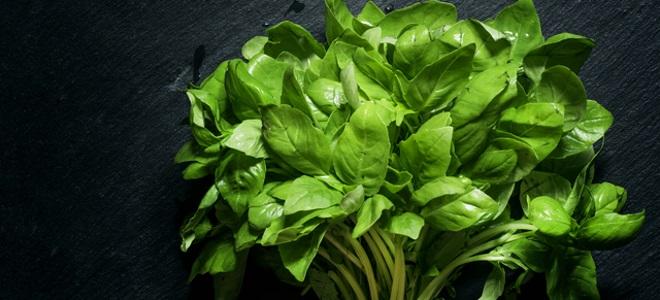
Each variety in the name indicates its intended use. Lemon, caramel, vanilla, and cinnamon varieties are suitable for confectionery. Anise, menthol, lemon, and mint flavors are used for beverages. Clove and pepper flavors are used for protein-rich foods.
Prepare the main ingredient
Preparation of the ingredient begins with harvesting basil from the garden. Young sprigs that have not yet begun to bloom are cut with scissors. The part of the stem that has not yet hardened and is still juicy is cut off. The bush is watered in the evening, and harvesting begins in the morning. This allows the plant to absorb moisture and become juicier and softer, especially if it is subsequently frozen.
Harvesting for drying can be done during the day in strong sunlight. The bushes are easily uprooted if you pull them out by hand rather than using scissors.
After harvesting, the sprigs of greenery are placed on the table and diseased, dry, and rotten leaves are removed. You can skip the sprigs and pick only the leaves.
Prepared leaves should be washed several times with warm running water to remove dust, dirt, and possible pests. I lay the washed herbs on a towel and let them drain for a few minutes, after which they are prepared for one of the types of preparations.
Drying basil for the winter
You don't have to buy commercially produced dried basil; you can make it at home, and it's even more flavorful than packaged basil. Drying the herb is the best way to preserve all its flavor and nutritional qualities, which are indistinguishable from fresh herbs.
Take a look Also
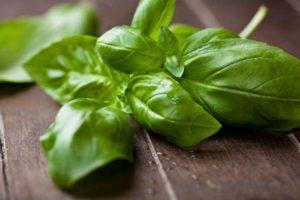
Naturally
This drying method maximally preserves the beneficial properties and aroma of the plant. Basil, dried in a natural way, the best seasoning for soups and side dishes, adding it to a hot dish, reveals the full aroma of the plant.
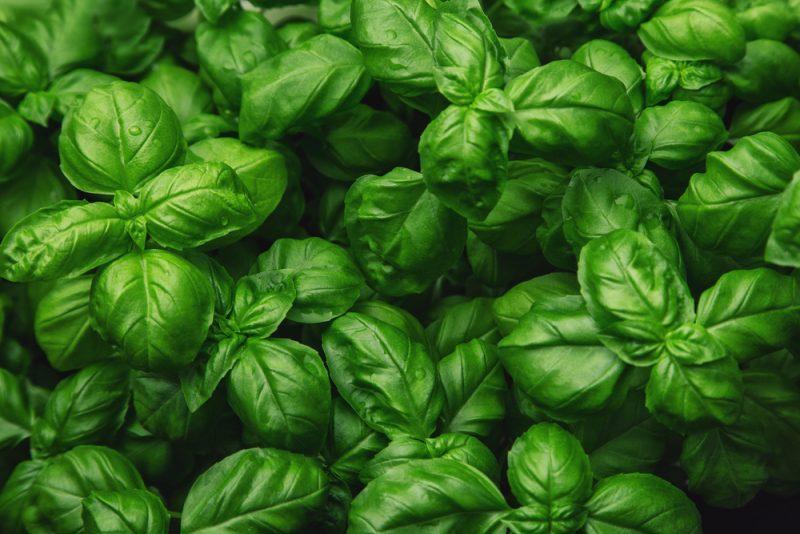
Natural drying is done in two ways:
- Lay the leaves or branches out on a flat surface, using a sheet of paper. You can use whole branches, individual leaves, or finely chopped leaves. Dry in a dry, warm room, away from direct sunlight. You can also dry the leaves outside in the shade, covering them with gauze first, but bring them indoors at night. Those with stove heating can use a stove oven, where the herbs will dry during the day.
- The second option involves tying several branches into bundles and hanging them in a well-ventilated area. The downside of this method is that if the humidity is high, the plant may begin to rot in the center of the bundle.
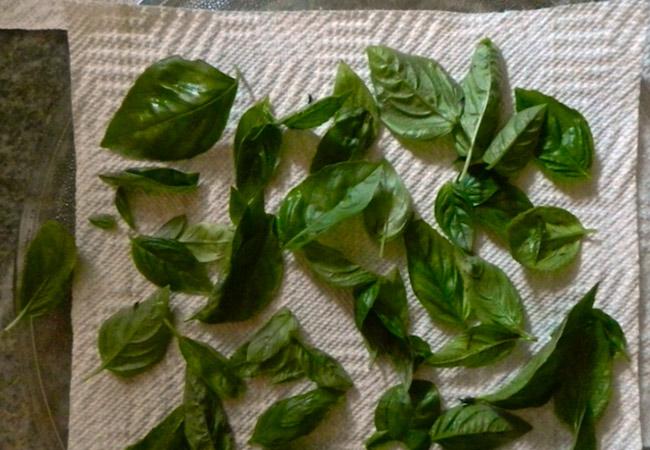
Under natural conditions, basil dries out in 1-3 days.
In the oven
Drying in the oven is the fastest method, but it carries the risk of burning or overdrying the basil. This method significantly reduces the plant's beneficial properties, as it involves heat treatment, which destroys some chemical compounds and substances.
Place a sheet of baking paper on a baking sheet without greasing it, and spread the leaves or branches in a thin layer. Turn the oven to 40-50°C, leaving the door slightly ajar if the oven's functionality allows. The product will be ready in 50-60 minutes. If the oven can't be left open, the temperature should be kept at 30°C, and the oven should be opened every 15-20 minutes for ventilation.
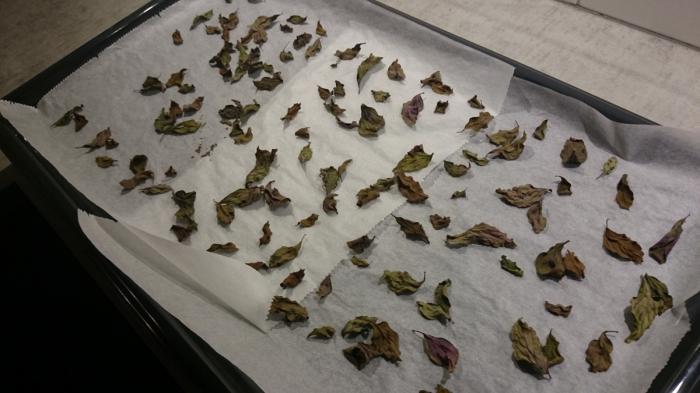 This method is inconvenient and labor-intensive, and has many negative aspects: overdrying, burning, time-consuming, and heat from the oven escaping into the room.
In an electric dryer
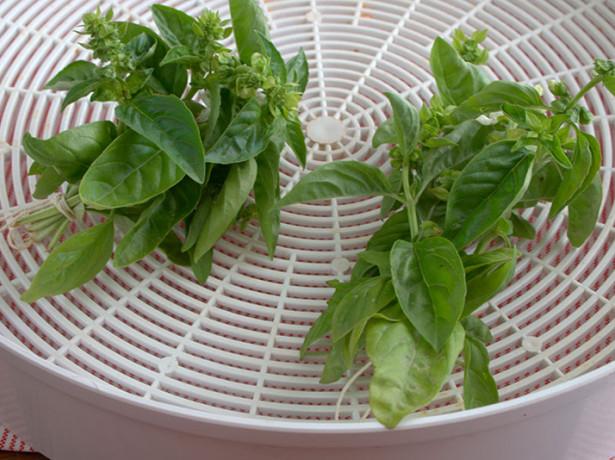
Electric dryers are designed to preserve the beneficial properties of vegetables and herbs. It's a very simple method, but there's a catch: it's best to dry the leaves and sprigs separately to ensure even drying. The optimal temperature for drying basil is 40°C. Built-in indicators or a transparent lid allow you to turn off the dryer when needed.
In the microwave
A modern method, but surprisingly, rapid drying at high temperatures preserves more beneficial properties than oven-dried basil. Spread the leaves in a thin layer on a baking sheet and microwave at 700-900 W, setting the temperature to 100°C for 2-4 minutes.
Freezing
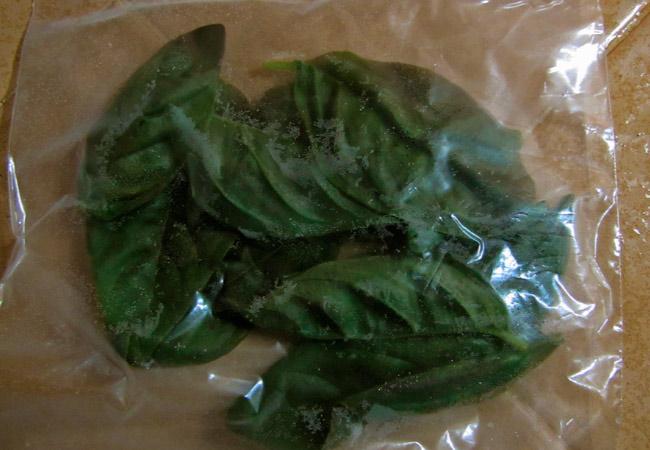
Freezing basil is a good way to preserve its beneficial properties, but if freezing and storing instructions aren't followed, it can spoil. Choosing the right packaging for storing the frozen product is crucial. It should be airtight, waterproof, durable, and easy to open and close—plastic containers or polyethylene bags are good choices.
Fresh leaves
Fresh leaves retain their beneficial properties and vitamins when frozen. Prepared whole or finely chopped leaves should be placed in a container or bag so they don't stick together and placed in the freezer. Another method involves preserving the leaves for the winter in bundles. Rinse the bundles, dry them individually on a towel, then re-bundle them, and wrap them in plastic wrap. In winter, remove the frozen leaves, unwrap the wrap, and cut off the desired amount of the seasoning.
Freezing blanched
Blanched plants have a number of advantages:
- They rid the product of fungi and bacteria.
- They allow you to preserve taste, color, and useful elements.
- The bitterness of the product is eliminated.
- Helps preserve the leaf blade and prevent it from falling apart during cooking.
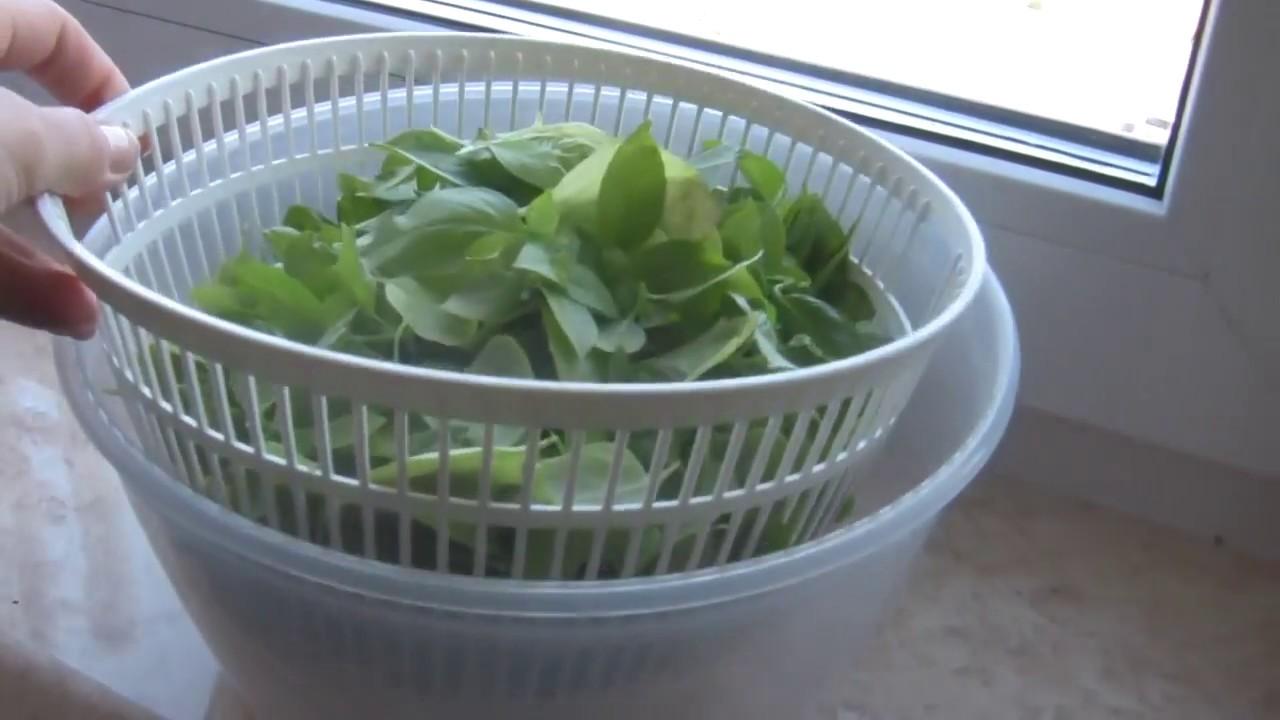
This method requires time and two containers: one with boiling water and the other with cold water and ice. Place the boiling water container over the heat and bring to a boil. Place the basil leaves in a colander or fine mesh strainer, dip them in the boiling water for a few seconds (3-5 seconds), remove them, and transfer them to ice water for the same amount of time. Then, carefully lay the leaves on a towel to dry. Place the leaves in a container and place them in the freezer.
Freezing basil puree
Basil puree is made in several stages:
- Place the leaves and branches in a blender.
- Add boiled water, a few tablespoons.
- Grind and pour into ice containers and place in the freezer to freeze.
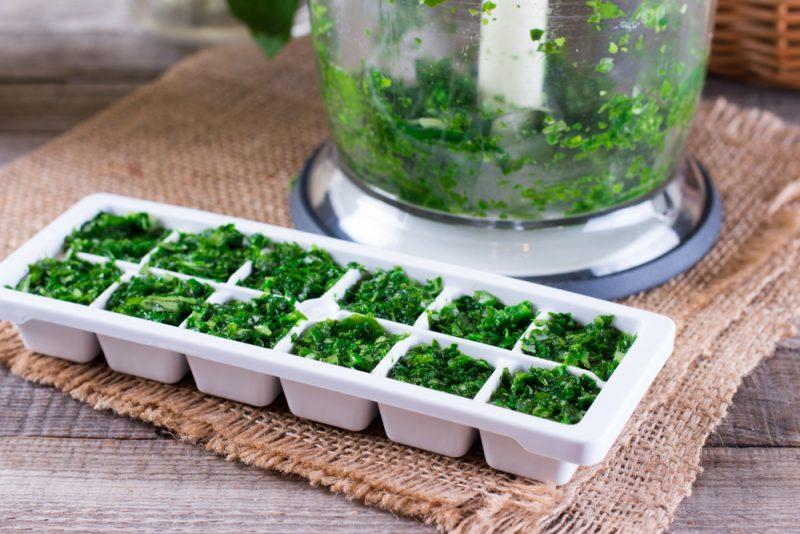
Puree can be made not only with water, but also with broth, tea, any juice, or oil.
With olive oil
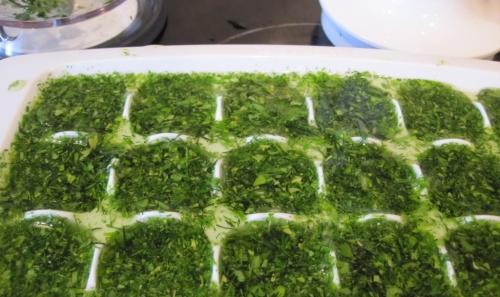
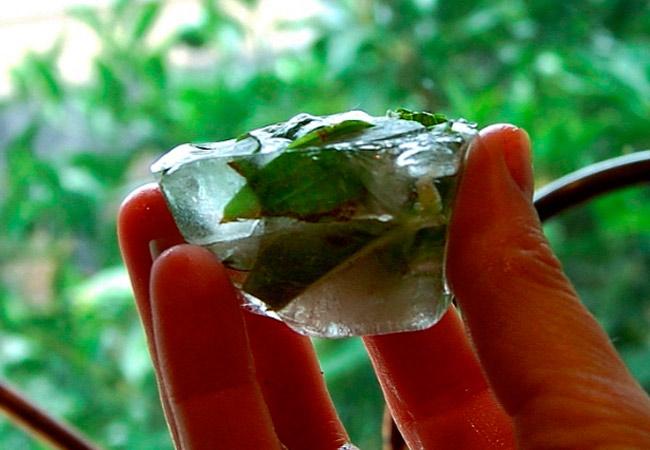
Before freezing basil with oil, it's best to blanch the plant to remove bacteria. Finely chop the leaves or blend them. You can mix them directly in a container with oil and pour them into ice cube trays, or you can pour the basil into the trays first and then pour the oil on top. Once the trays have frozen, remove the cubes with oil and store them in a regular bag or container.
Pickling basil
Pickling basil for the winter is done in the same way as preparing sorrel:
- Prepare 0.5 l jars and lids, wash with soda, sterilize.
- Separate the leaves from the branches; you can cut them or leave them whole.
- For the dry method, blanch the leaves, toss with a little salt, and pack the jar tightly to release the juice. Sterilize in a large saucepan, line the bottom with a towel, place the jar in the pan, and fill with hot water up to the rim, leaving a 1-1.5 cm gap to prevent water from seeping into the jar during boiling. Sterilize for 15-20 minutes, tighten the lid tightly, and turn the jar upside down.
- The second method of preparation: tightly pack the basil into the jar, add 1 tablespoon of salt, pour boiling water over it, seal the lid, turn it upside down, and cover with a warm blanket.
- The third method involves transferring to freezer containers, alternating a thin layer of salt with basil leaves.
The salted plant is used for cooking.
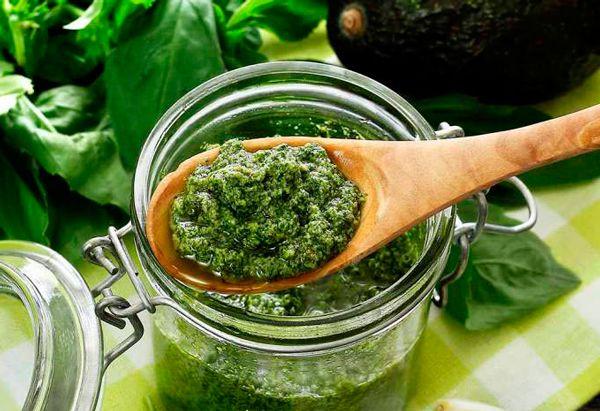
Cooking pasta
The pasta recipe is simple and consists of 3 ingredients:
- Basil leaves - 0.4 kg.
- Olive oil (can be replaced with vegetable oil) - 100 ml.
- Salt - 60 g.
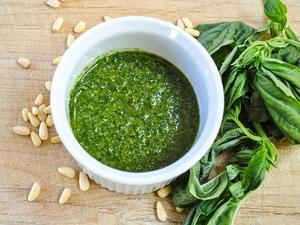
Blend the leaves until they form a puree, add salt and oil, mix well, pour into jars, and refrigerate. The puree can be sterilized and sealed with lids.
Canning
For canning, you'll need olive oil. Place washed basil leaves tightly in glass containers, sprinkle with salt, and top with oil. Store in a cool, dark place.
Rules for storing basil in winter
The optimal shelf life for any preserves is 4-6 months, during which time the plant retains its beneficial and aromatic qualities. It's best to harvest fresh basil each new season:
- Basil that has undergone heat treatment is suitable for consumption from 6 months to 1 year.
- Canned product is used for 1-2 years.
- Dried, if stored properly, can last up to 2 years.
- Salted for 4-6 months.
Jars that have been sealed and then opened for cooking should be stored in the refrigerator with the remaining basil for no more than 24 hours. If stabilizers or vinegar were used during canning, then open jars can be stored for up to 72 hours.
When defrosting frozen foods in the refrigerator, wrap them in thermal bags or move them to another freezer. If one of the frozen items thaws and refreezes, the basil will lose many of its beneficial properties.
Quick-frozen greens can be stored at -18°C for up to 1 year.
Dried plants should be stored in a dark, cool, dry, ventilated place to prevent the plants from getting wet and pests from infesting them.
Basil preparations, used in winter or early spring for cooking and medicinal purposes, not only impart a pleasant flavor and aroma, but also serve as an additional source of vitamins, macro- and microelements.
Related posts:
 What is basil and what does it look like, description of varieties and where it grows
 The beneficial properties and contraindications of basil for men and women, and traditional medicine recipes
 Description of the 20 best basil varieties, what is the difference between green and purple
 Growing from seeds and caring for basil in open ground, diseases and harvesting
 Description and use of purple basil varieties, what are the benefits
 How to dry basil at home: uses, benefits, and when to harvest
 TOP 10 tips on how to properly plant and grow basil from seeds at home for seedlings
 Growing basil on a windowsill from seeds and cuttings, and caring for it at home