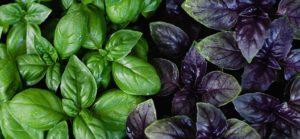
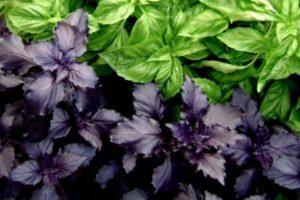
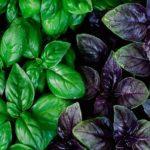
Basil is a fragrant herb used not only in cooking but also to treat many ailments. The plant is considered a royal herb, as its name suggests. It is used in many cuisines around the world, but is especially popular in Italian. The herb is added to soups, salads, and side dishes for meat and fish. The leaves are green, and some varieties are purple. Many gardeners practice planting basil in the fall.
Is it possible to plant basil in winter?
This is a question that concerns many gardeners. In some climate zones where winter is mild or nonexistent, seeds are planted in open ground and covered. Seedlings appear in the spring. It's best not to experiment during frosty winters—there won't be any positive results. Consider sprouting the seeds at home.
Winter varieties
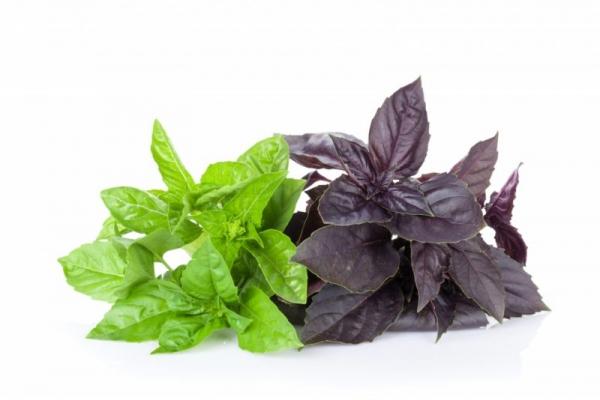
There are over 150 varieties of basil. The main distinguishing features are bush size, leaf color, flavor, and aroma. Unpretentious varieties that require minimal care are suitable for beginning gardeners. The spoon-shaped variety, which grows well and is widespread, has bright green leaves and a clove-like aroma.
Yerevan, or Mexican, thyme is widely used in cuisines around the world. The plant has dark blue leaves and a lingering aroma of tea and pepper.
The Baku variety has purple-brown leaves. Preparations made with this spice will acquire a minty aroma.
Preparing the container and soil for planting
Light, fertile soil is ideal for growing. It's best to purchase a specially prepared substrate from a gardening store. Suitable garden soil, with some mineral fertilizer added before planting, will also work.
The soil should be heated in a stove or oven for an hour. The substrate can be prepared by mixing compost and peat moss.
Considering that the crop is southern, the planting soil should be at room temperature.
For basil plantings You can use oblong containers for seedlings or a flower pot no more than 30 centimeters deep.
There are two landing options:
- into the main pot with subsequent planting in flowerpots;
- planting seeds in plastic cups.
Before choosing a container, it is important to consider that in the future the plant will turn into a bush, and it must have enough space.
The pot should have holes in the bottom; if there aren't any, make your own. Add a two-centimeter layer of drainage material to the bottom of the container. Small pebbles, broken brick, expanded clay, broken ceramic pots, and other materials are all suitable. Next, fill the container with soil, leaving a two-centimeter gap from the top.
Rules for winter planting
At home, the plant can be grown from seeds or cuttings. Experienced gardeners prefer growing from seeds.
Planting stages:
- Prepare the seeds. This step is optional, but it will negatively impact germination. Soak the seeds in a container of warm water for 2 days, changing the water daily. Then soak the seeds in a potassium permanganate solution for 3 hours. Dry by spreading the seeds in a thin layer on a clean cloth.
- Pre-moisten the soil.
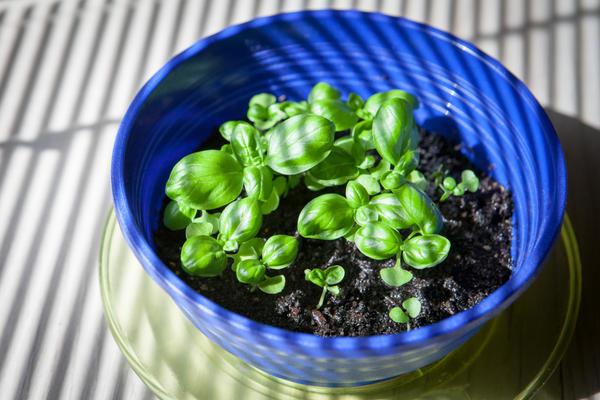
- Sow seeds 2 centimeters apart. After they are spread, cover them with a layer of soil no more than 1 centimeter thick.
- Cover the pot with glass or thick plastic and place in a warm place.
- Remove the film daily, allowing oxygen to enter, and check for germination. During this time, do not water the soil. Misting the substrate with a spray bottle is sufficient for moisture.
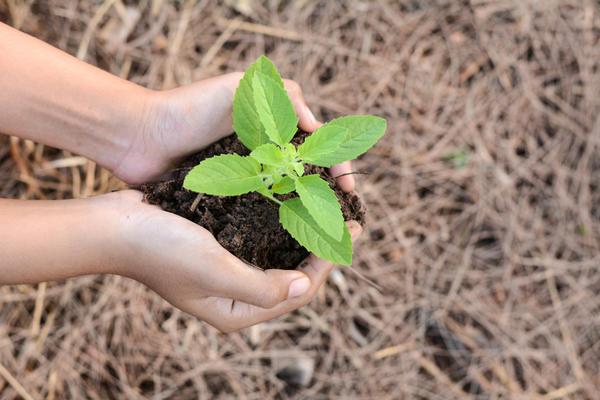
- After the first shoots appear, remove the film and move it to the sun.
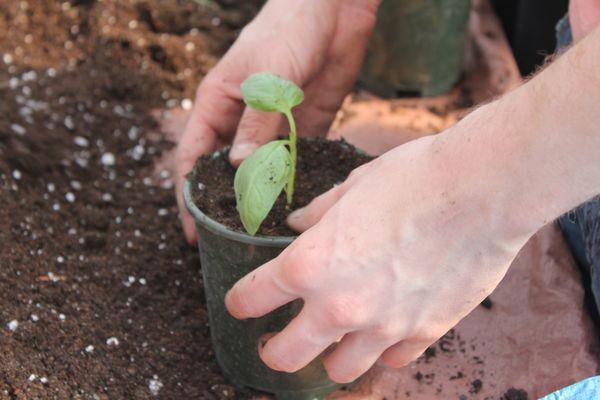
- Thin out the seedlings if you plan to keep them in a common pot. Leave at least 10 centimeters between seedlings.
- You can seat them in cups.
Special care for the plant:
- Monitor the substrate's moisture level daily. Loosen the soil and control the room temperature.
- Fertilize the soil once a month. Use vermicompost, Agrolife, and other fertilizers.
- If growing sprouts in the fall and winter, the plants require at least 10 hours of supplemental light. Both LED and fluorescent lamps can be used.
- To properly form the crown, basil requires pruning and pinching, removing the tops of the shoots.
- Once six leaves appear, you can begin harvesting. To do this, pluck off two leaves from the top. The remaining lower leaves will prevent the basil from growing tall and becoming less productive.
- When buds appear, they should be removed along with the two leaves underneath them. Flowering will cause the foliage to spoil.
Care Features
Reduce watering during the fall and winter. Use settled, room-temperature water. In summer, water basil as the soil dries out. The leaves require daily moistening.
Warmth is the key to normal growth. The room temperature should be around 25 degrees Celsius. Growth slows when the temperature drops to 15 degrees Celsius.
Basil has a weak root system, so pruning should be done very carefully. Avoid drafts.
What to do in spring
Basil can be grown on a windowsill year-round. However, many gardeners prefer to plant it in the vegetable garden or flowerbed. Planting can be done after the last frost has passed. The ideal time is late May to early June. To reduce stress during planting, remove the plant from its container with a lump of soil. When choosing a location, choose a sunny, draft-free spot.
Related posts:
 Description of the 20 best basil varieties, what is the difference between green and purple
 How to prepare basil for the winter at home, storage methods and rules
 The beneficial properties and contraindications of basil for men and women, and traditional medicine recipes
 Description and use of purple basil varieties, what are the benefits
 How to dry basil at home: uses, benefits, and when to harvest
 What is basil and what does it look like, description of varieties and where it grows
 Growing from seeds and caring for basil in open ground, diseases and harvesting
 How to grow basil in a greenhouse in winter: tips