
Knowing the specifics and secrets of planting peas indoors can help you reap a bountiful harvest of sweet and nutritious fruits. This crop is low-maintenance, takes up little space, improves soil composition, and is easy to care for. Preparatory work begins with seed treatment and soil fertilization. There are also some nuances to consider during harvesting and storage.
Rules for crop rotation of peas in a greenhouse
Every four years, be sure to rotate the planting location of legumes. A plot previously used for harvesting cucumbers, cabbage, pumpkins, and tomatoes is ideal for growing peas. Peas themselves are considered a good precursor crop for many other crops, as they enrich the soil with micronutrients, particularly nitrogen.
Avoid planting peas with other legumes, such as clover and beans. This combination increases pest infestations and the risk of infection.
What kind of soil is suitable for peas?
In the greenhouse, select a sunny spot with fertile soil. Organic and mineral fertilizers are added during fall tillage. In the spring, the soil is loosened and fertilized again.
If the soil acidity is increased, liming is carried out (lime or wood ash is added):
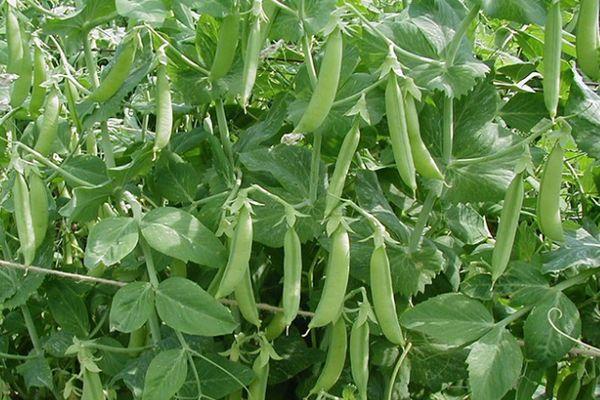
- For tall people varieties of peas Supports must be installed. Once the plant reaches 25 cm in height, wooden stakes are installed 10 cm from the stem.
- Weeding and loosening the soil is essential. The first loosening is done two weeks after the first shoots emerge.
Large, juicy, and sweet fruits grow in soil that is fertile, well-aerated, and has good water retention. Loamy soil is considered ideal.
Choosing a variety for a greenhouse
When choosing a pea variety, consider the intended use of the crop, its ripening time, yield, and ability to withstand adverse factors.
Peas come in shelling (often added during cooking and dried immediately after harvesting), sugar (sweet, juicy beans often eaten fresh), and semi-sweet:
- Early varieties of peas grown in greenhouses are: Yantar, Premium, Berkut, Alpha.
- Varieties with average fruit ripening boundaries: Izumrud, Vega, Avola, Dinga, Adagumsky, Viola, Voskhod.
- Late varieties of vegetables can also be planted in closed ground: Sugar, Perfection, Atlant.
You can plant several varieties at once. This way, you can enjoy delicious beans all summer and fall.
Seed treatment
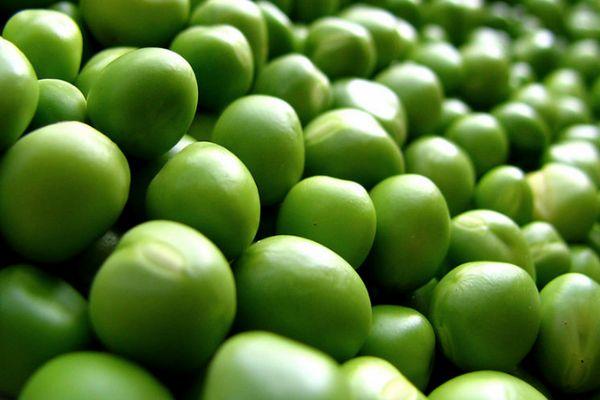
Before sowing, peas must be sorted. Only firm, undamaged ones are suitable for planting. pea pests:
- Good specimens can be identified by placing the seeds in a salt solution. Any seeds that float to the surface are discarded. The remaining peas are rinsed to remove the salt and dried.
- It is recommended to soak the seeds in water for 12-14 hours. This procedure significantly accelerates seed germination. Plant growth-stimulating compounds are used as a base for soaking.
There's also a dry method for sowing seeds. In this case, dry seeds are planted in prepared furrows. Seedlings emerge later with this method, but they are strong and have good immunity.
Landing
Peas are considered a cold-hardy legume, but they don't tolerate heat well. For an early harvest, sowing begins in late April. In summer, they can be planted as late as August. Peas can be grown in a greenhouse not only from seeds but also from seedlings.
Seeds
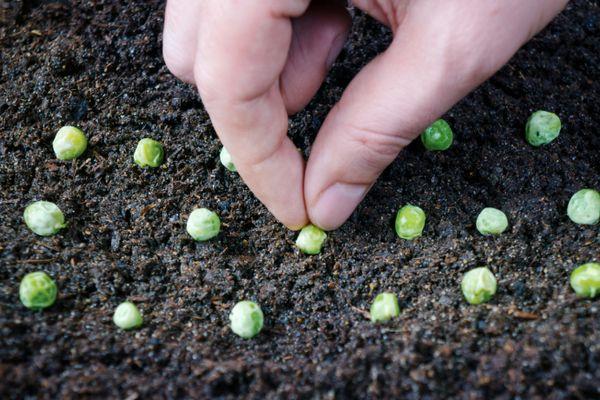
In the prepared area, make several furrows 3 cm deep. The distance between the furrows should be 18 cm. Water the furrows with warm water. Place the prepared peas in the furrows at a distance of 7 cm, then cover with a layer of soil.
Seedlings
Homegrown seedlings can also be planted in a greenhouse. Start sowing seeds three weeks before transplanting them to their permanent location. A wooden box or individual cups, into which the seeds are densely planted, can be used as a container.
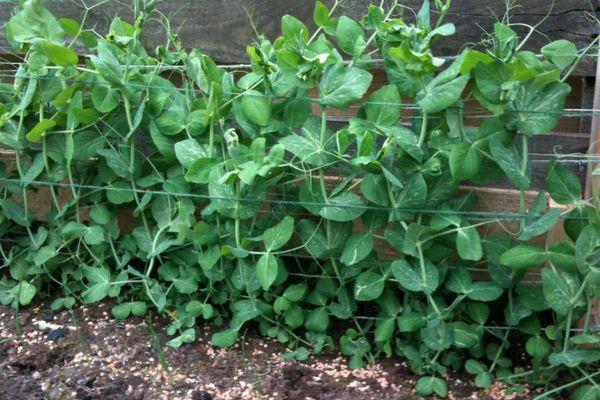
When planting seedlings, maintain a certain spacing. Between rows, the spacing is 37 cm, and within the row itself, 13 cm. Care involves timely watering, providing good lighting, and fertilizing.
Take a look Also

Temperature conditions
Peas don't tolerate heat well. Therefore, they are planted in early spring or late summer. Seeds begin to germinate even at soil temperatures as low as 5 degrees Celsius. The emerging seedlings can withstand temperatures as low as -6 degrees Celsius. The most comfortable greenhouse temperature for growing peas is 10 to 14 degrees Celsius.
Pollination
Peas are self-pollinating plants. There's no need to open the greenhouse to allow pollinating insects to enter. Pollination occurs before the flowers open. Flowering lasts from 3 to 40 days.
Watering
Peas require constant watering. Before flowering, water every 6-7 days. During the formation of ovaries and fruits, watering frequency increases to 2-3 times every 7 days.
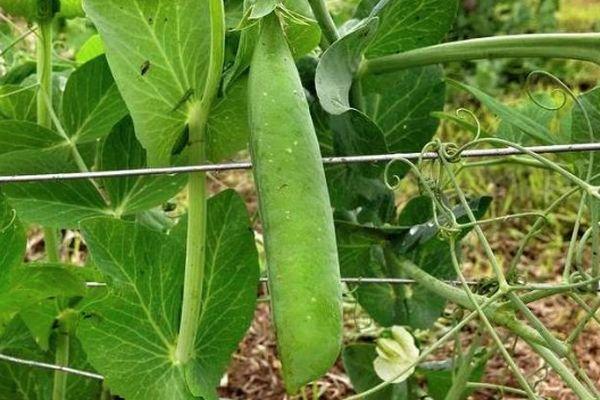
Only warm, settled water is suitable for watering. Up to 8-9 liters of water are used per square meter.
After watering, weed and loosen the soil between the rows. Loosening is necessary to prevent a hard crust from forming and to improve the flow of oxygen and nutrients to the plant roots.
Top dressing
To provide the crop with sufficient nutrition, it is necessary to fertilize it in a timely manner:
- When preparing the soil in autumn, add humus;
- During planting, it is recommended to add a mixture of ammonium nitrate, superphosphate and potassium salt;
- as soon as the seedlings appear, the beds are watered with herbal infusion;
- During the period of mass flowering, nitrophoska is added.
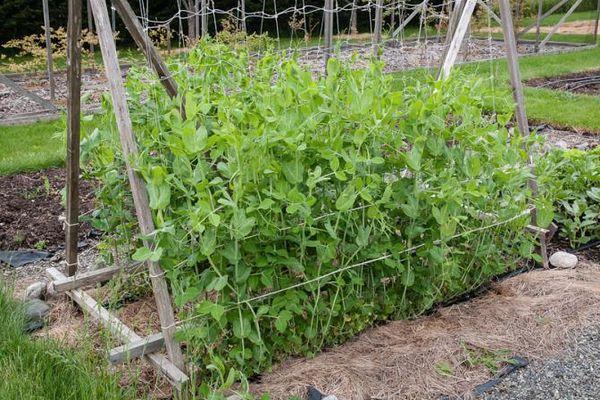
When fertilizing the soil, it is necessary to strictly adhere to the recommended proportions of any components, since not only a deficiency but also an excess can negatively affect the growth and development of vegetable crops.
Diseases and pests
Peas are often attacked by pests such as burchus, sprout aphid, codling moth, weevil, and tuber fly:
- Peas are threatened by the grain beetle, Bruchus spp. Adults consume flower petals and pollen. The eggs hatch into larvae that feed on the fruit.
- Another pest of the crop is the codling moth. It lays eggs on the plant, from which caterpillars hatch. The caterpillars burrow into the pods and consume the beans.
- The root-nodule weevil feeds on the growing tips of seedlings. The eggs hatch into larvae that consume not only the above-ground portions of the plant but also the roots.
Take a look Also
Peas are susceptible to infection:
- anthracnose (brown spots appear on the green part of the plant, and the fruits gradually become deformed);
- rust (small brown spots appear on the surface of the leaves, which grow over time);
- powdery mildew (a white coating appears on the leaves and stems);
- white and root rot;
- ascochytosis.
It is necessary to take preventive measures: treat seeds and maintain crop rotation.
Harvesting and storage
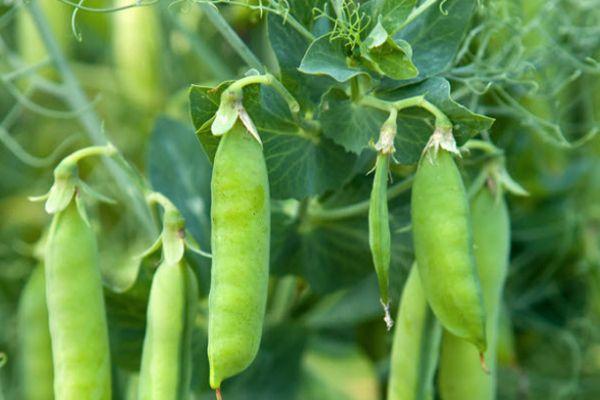
Pea harvesting times The harvesting period depends on the variety and cultivar of the crop. Harvesting begins approximately 30 days after flowering begins. The beans ripen unevenly, so the harvesting period can last up to 40 days. The first fruits begin to ripen in the lower rows of the plant:
- Sugar snap pea varieties are harvested early, before they reach full maturity, in midsummer. Harvesting promotes the emergence of new, young pods.
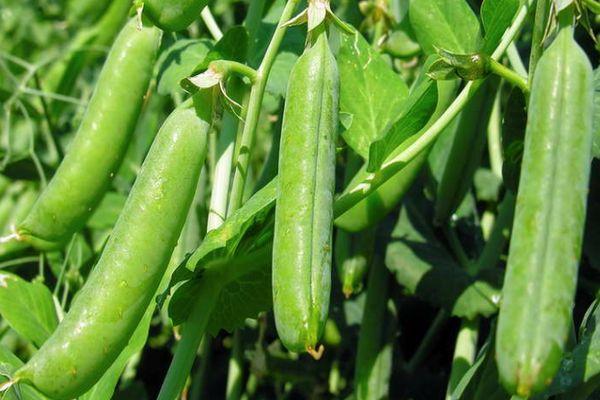
- The shelling pea harvest lasts from late June to late August. The peas should be firm, and the pods should have a smooth, dark green surface. If a white net-like pattern appears on the pod, the peas are overripe.
Green peas don't have a long shelf life, so the best way to preserve them for the winter is by freezing, canning, or drying. To prolong the shelf life of dried peas, harvest only well-ripened pods, dry the beans thoroughly, and store them in an airtight container.
Related posts:
 How to properly plant peas in a greenhouse and open ground
 How to propagate and grow peas, cultivation technology, and care in open ground
 Description of varieties of sowing peas and cultivation, to which family they belong
 Description and characteristics of the best seeds of pea varieties and types
 Recipes for canning green peas for the winter at home and storage
 How to quickly sprout peas at home: benefits and harms, recipes
 How to plant, grow, and care for peas at home on a windowsill or balcony
 Description of pea pests and diseases, treatment and control measures