
- The intricacies of pickling Korean-style carrots for the winter
- Selecting and preparing root vegetables
- Recipes for cooking Korean-style carrots at home
- The classic way
- Winter preparations in jars with the addition of cucumbers
- Without sterilization
- Without cooking
- With zucchini
- With coriander
- With hot pepper
- Storing Korean-Style Canned Carrots
Korean-style carrots are distinguished by their spicy flavor. This snack preserves numerous micronutrients found in the spices and root vegetable. This product helps overcome certain eating disorders, restore metabolism, and prevent infectious and viral infections. That's why many Korean-style carrot recipes have been created for the winter, allowing you to add this delicious ingredient to your diet throughout the year.
The intricacies of pickling Korean-style carrots for the winter
Pickled carrots are made by mixing 9% vinegar, vegetable oil, coriander, and other ingredients, added according to taste preference. The basic recipe for this appetizer is considered a classic one, which calls for a minimal amount of additives.
When pickling carrots, you can adjust the spiciness of the dish by using various ingredients. Toasted sesame seeds or soy sauce are good choices.
It's recommended to cook carrots with coriander peas. This seasoning has a more pronounced flavor.
9% vinegar can be replaced, if necessary, with:
- 6 percent table;
- wine;
- apple.
Sunflower oil is most often used for Korean-style carrots, but corn oil will also work. It's recommended to warm the corn oil before adding it to the marinade, which will enhance the flavor of the spices.

Selecting and preparing root vegetables
When choosing carrots for winter storage, you need to pay attention to the following nuances:
- Color. The skin should have a rich, vibrant hue. These root vegetables contain numerous micronutrients.
- Integrity. Carrots without visible deformations, dark spots, or other defects are suitable for harvesting. The skin should be smooth.
- Consistency. Tough root vegetables are used for this preparation. Soft vegetables are difficult to grate, and the appetizer will not be juicy.
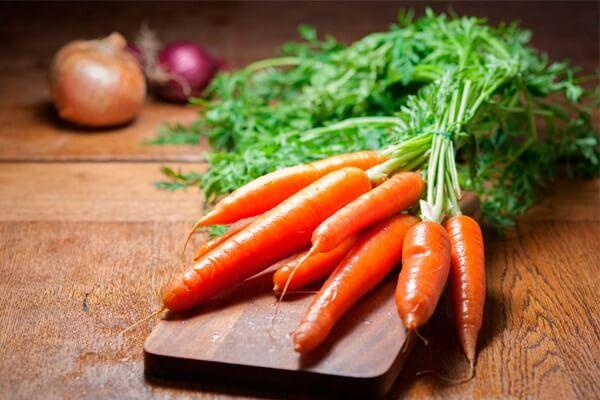
- Color of the cut tops. This part of the root vegetable should be bright green. If chemicals were used during cultivation, the cut will be a different color.
- The presence or absence of shoots. The latter indicates that the vegetable is overripe or that nitrates were used during cultivation.
Vegetables with black stripes are not suitable for making snacks. These defects appear after the root vegetable has been infected with pathogenic microorganisms. Vegetables with a greasy film on the skin, which appears after chemical treatment, are also not recommended.
Regardless of the recipe chosen, the root vegetable is thoroughly washed under water and then grated using a special grater. If desired, the vegetable can be finely chopped with a knife.
Recipes for cooking Korean-style carrots at home
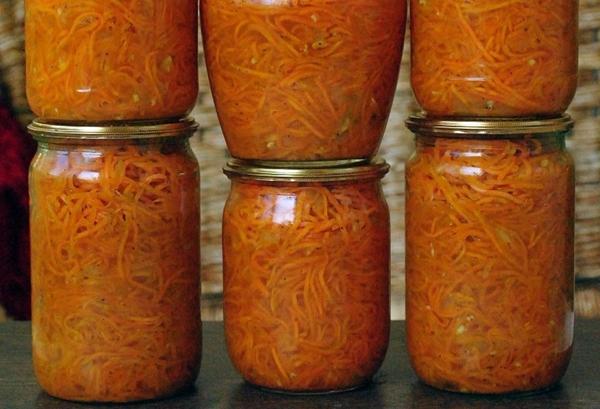
It's recommended to store the mixture in 500-milliliter glass jars. The jars must be steam sterilized, otherwise the product will spoil within a few weeks or months. Depending on the recipe, you may need a garlic crusher, a coffee grinder, a cilantro grinder, and other kitchen utensils.
After filling, the jars are always turned upside down and wrapped in a blanket.
The classic way
The classic recipe is considered the foundation for other winter appetizers. To prepare carrot soup, you'll need 1.5 kilograms of carrot soup and 10 medium heads of garlic. Add the following to the marinade:
- 350 milliliters of clean water;
- 300 milliliters of vegetable oil;
- 1.5 tablespoons of salt (more is possible);
- 9 tablespoons of sugar and 5 tablespoons of vinegar.
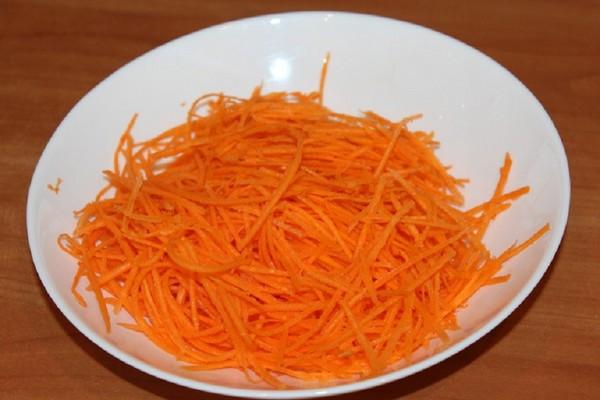
The classic recipe also calls for 4 tablespoons (about 30 grams) of a special seasoning specifically designed for this dish. The spices and amount of salt (usually 1.5 tablespoons) are adjusted according to taste.
The crushed garlic is mixed with the carrots and spices, after which the ingredients are left to sit for 20 minutes. This allows the vegetables to release their juices. The mixture is then poured into jars, leaving some space around the neck.
The next step is to add the remaining ingredients to the water. Once the mixture boils, simmer it for 2-3 minutes over high heat. Finally, fill the jars with the marinade and seal them.
There's another recipe for preserving a kilogram of root vegetables, also considered a classic. This method requires one onion and five heads of garlic, and the following are added to the marinade:
- 150 milliliters of oil;
- 3 tablespoons of 3% vinegar;
- a couple of teaspoons of red hot pepper.
Prepare the vegetables as in the previous recipe. Heat the vegetable oil, then mix it with the onion and pepper. When the vegetables turn brown, strain the mixture.
Add carrots and crushed garlic to the same oil. To prepare the marinade, add coriander, sugar and salt, sesame oil, and black pepper (one tablespoon each). Mix the ingredients and let them sit for no more than three hours. Then, place the resulting product in a jar and seal with a lid.
Winter preparations in jars with the addition of cucumbers
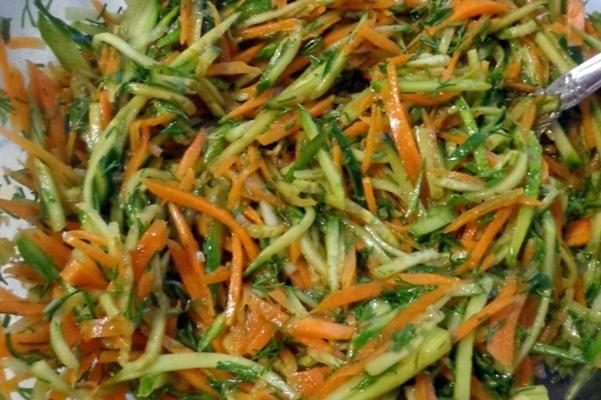
To prepare this winter snack, you'll need a kilogram of carrots, 1.5 kilograms of cucumbers, and 12 heads of garlic. The dressing also includes:
- 120 milliliters of vinegar;
- 200 milliliters of oil;
- 20 grams of seasoning;
- 120 grams of sugar;
- 2 tablespoons of salt.
If using bitter cucumbers, peel them before cooking. Soak the vegetables for 5 hours and then cut into approximately 5-centimeter lengths.
The prepared carrots are mixed with cucumbers and chopped garlic. The remaining ingredients are added to a separate container. The resulting marinade is poured over the vegetables, which are then refrigerated for 9 hours.
Take a look Also
During this time, the ingredients release the juices needed for a high-quality brine. After this time, the mixture is poured into jars and sealed.
Without sterilization
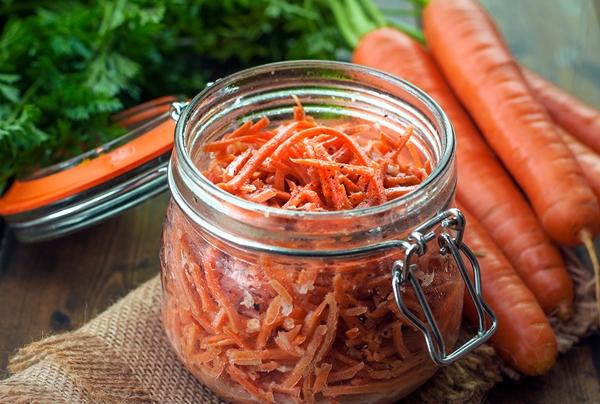
To make this appetizer without sterilization, you'll need 3 kilograms of carrots and 17 heads of garlic. The marinade is prepared using 1.3 liters of water, to which you add:
- 20 grams of spices;
- 17 tablespoons of sugar, 4 of salt and 10 of 9% vinegar;
- 650 milliliters of vegetable oil.
The amount of garlic used determines the spiciness of the finished product. If children will be eating the carrots, it's recommended to use fewer cloves.
The preparation of the snack is carried out as follows:
- The chopped carrots and garlic are mixed together and then left for half an hour. During this time, the ingredients should release their juices.
- Combine the remaining ingredients with water and bring to a boil in a saucepan. Simmer over high heat for no more than 5 minutes.
- The hot marinade is poured into jars with vegetables.
This recipe allows you to use jars with screw-on lids. There's no need to invert the jars after sealing.
Without cooking
To preserve the salad for the winter without cooking, you will need:
- 100 grams of salt and sugar;
- 1.2 kilograms of carrots;
- 1 red pepper;
- 85 milliliters of vinegar;
- 210 milliliters of sunflower oil;
- 500 milliliters of clean water.
All the vegetables are finely chopped, and the remaining ingredients are mixed and boiled in water. The vegetables are placed in jars and covered with the resulting marinade. The resulting appetizer is ready to eat within three days.
With zucchini
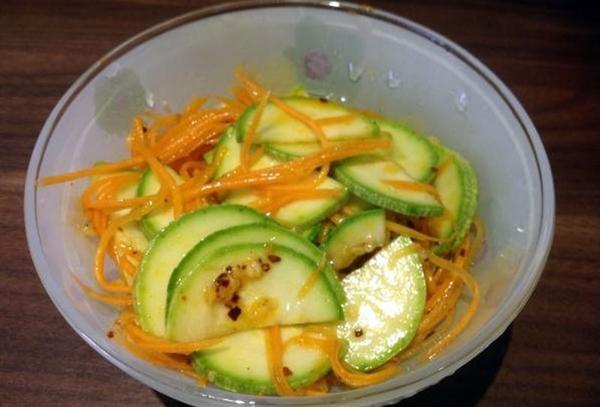
To prepare and serve this zucchini appetizer, you will need:
- 1.2 kilograms of carrots;
- 5.2 kilograms of zucchini, peeled and seeded;
- chili pepper;
- 900 grams of onions;
- 3 cloves of garlic.
The following ingredients are used to season the product:
- 250 grams of sugar;
- 190 milliliters of vinegar;
- 35 grams of salt;
- 280 milliliters of vegetable oil;
- 40 grams of spices.
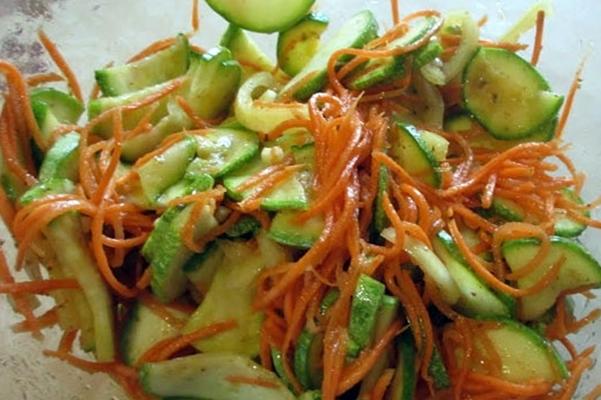
The zucchini is thinly sliced, and the onion is sliced. The vegetables, along with the crushed garlic, are mixed with the remaining ingredients and left to steep for 1.5 hours. During this time, the ingredients should release their juices.
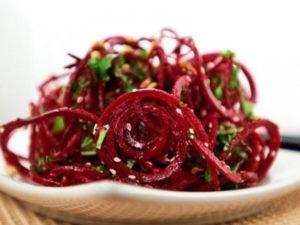
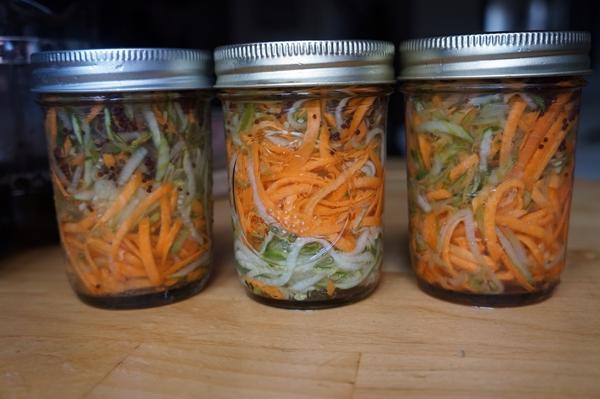
The mixture is placed in a jar. The jar is then placed in a saucepan, which is filled one-third full with water. The jar is sealed with a lid (do not roll it up). As soon as the water begins to boil, reduce the heat. The products should be sterilized in this manner for 20 (if using 500-milliliter jars) or 40 (if using 1-liter jars) minutes.
At the end, the containers are rolled up and put away for storage.
With coriander
This spicy appetizer is prepared from:
- 1.5 kilograms of carrots;
- onion head;
- head of garlic.
Add to the marinade:
- 20 grams of coriander;
- 90 milliliters of sunflower oil;
- 40 milliliters of vinegar;
- salt to taste;
- 10 grams of pepper mixture.
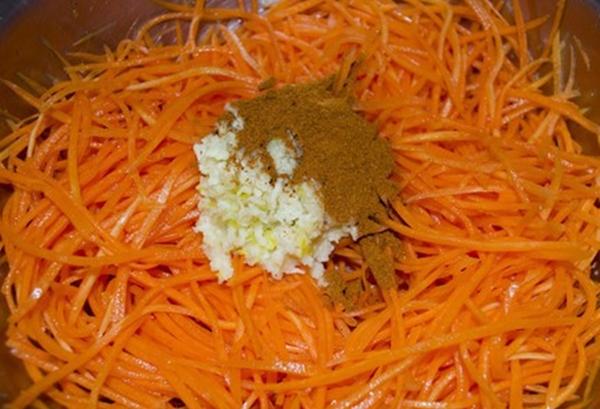
Mix the crushed garlic with the marinade ingredients. Add the mixture to the container with the carrots, which are then refrigerated for 24 hours. Stir the salad occasionally during this period.
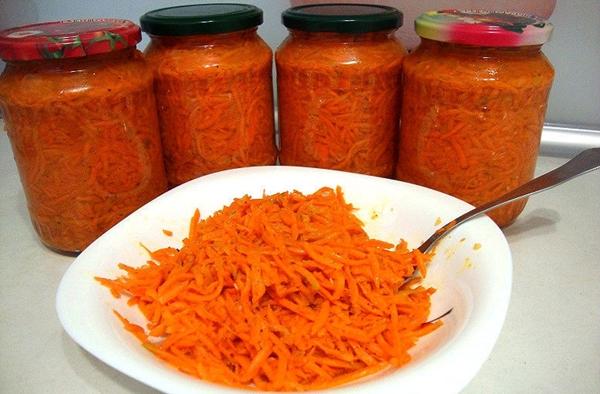
After 24 hours, the carrots and juice are placed in jars and sealed.
With hot pepper
The basis of this snack is:
- 4.5 kilograms of carrots;
- 300 grams of garlic;
- 2 onions.
The marinade gets its flavor from:
- 25 grams of red and black peppers;
- 45 grams of sugar;
- 80 grams of cilantro
- 20 grams of salt;
- 35 milliliters of 75% vinegar.
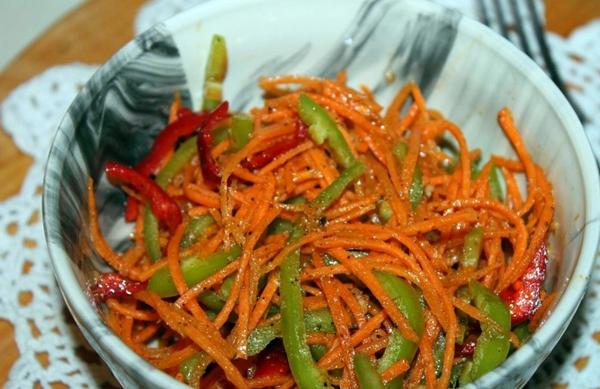
After mixing with salt and sugar, let the carrots steep for about half an hour. Increase the time if necessary. Then add the peppers and vinegar. Let the salad steep for another 40 minutes.
The onion is chopped and fried in oil until darkened. Once the onion has darkened, chopped cilantro is added, and the mixture is simmered for no more than two minutes.
At the end, all the ingredients, including garlic, are mixed together and placed into jars.
Storing Korean-Style Canned Carrots
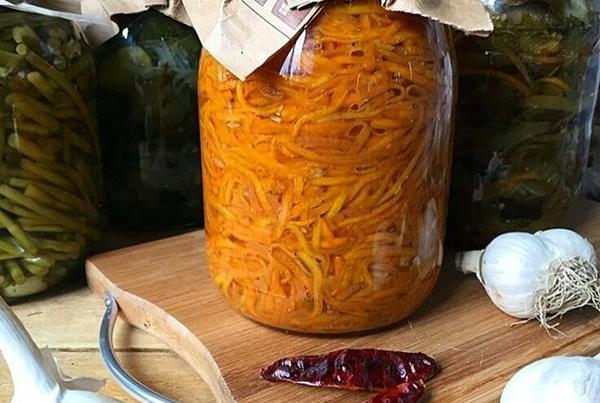
It is recommended to store jars of Korean snacks in dark and cool places, inaccessible to sunlight.
Canned food does not tolerate temperature changes and high humidity conditions well.

Related posts:
 How to control carrot flies with medications and folk remedies
 Is it possible to plant carrots in July or at the end of June? What are the best days and care instructions?
 Carrot care guidelines for outdoor cultivation to ensure a good harvest
 What is the best way to feed carrots? Fertilizers and preparations, using folk remedies.
 Timing and rules for planting carrots in winter, which variety is best to choose
 25 Best Early-Maturing Carrot Varieties with Descriptions and Characteristics
 50 Best Carrot Varieties with Descriptions and Characteristics
 Description of carrot pests and diseases and methods of control