
- Selection of the Brilliant grape variety
- Advantages and disadvantages
- Characteristics of the variety
- Description of the bush
- Description of fruits
- Early ripening
- High yield
- Taste and uses of berries
- Frost and drought resistance
- Disease resistance
- How to plant Brilliant grapes
- Selecting a site
- Preparing the planting hole and seedling
- Timing and technology of planting vines
- Care
- Watering
- Top dressing
- Trimming
- Protection from diseases and pests
- Mulching and loosening the soil
- Preparing bushes for winter
- Winegrowers' reviews of the variety
The Brilliant grape variety is a hardy, cold-adapted plant that produces a bountiful harvest. This variety is eaten raw or used as a base for jams and compotes. For a bountiful harvest, a sunny planting site is recommended. The grape survives and produces fruit in both severe drought and extreme cold (down to -30°C).
Selection of the Brilliant grape variety
The Brilliant grape variety is a native plant. The product was obtained through crossbreeding. Victoria and Original white grapesAll experiments on blending and testing the new variety were conducted in the southern regions of Russia. This plant is characterized by a sweet taste and high yield.
Advantages and disadvantages
Among the advantages of the Brilliant grapes are:
- tasty fruits containing elements beneficial for the body;
- long-term storage of berries;
- good fruiting and ripening even under unfavorable weather conditions;
- frost resistance down to -20°C.
Despite a number of advantages, this variety also has its drawbacks. For example, the grapes lose their marketability due to their soft texture, making them unsuitable for sale.
Characteristics of the variety
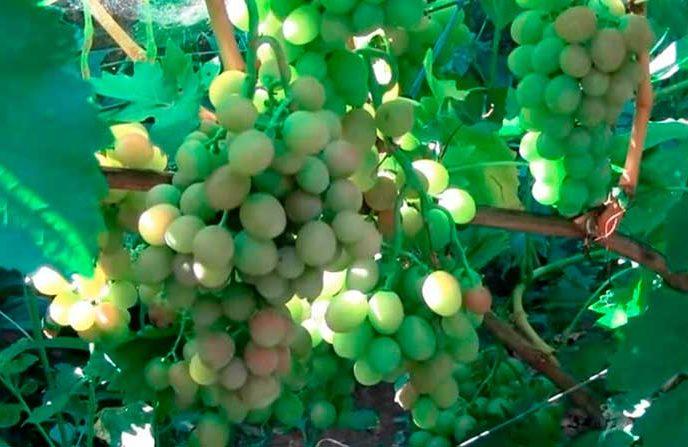
This brilliant grape variety has a soft texture and sweet aroma.
Description of the bush
The bushes bear fruit quickly, so they require regular pruning. Up to six buds should be removed from each shoot to improve yield. The vines can spread into adjacent areas, so it's important to thin them out regularly.
Description of fruits
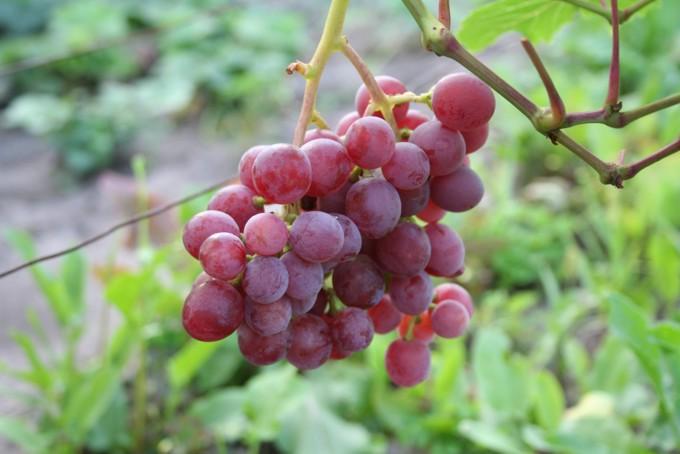
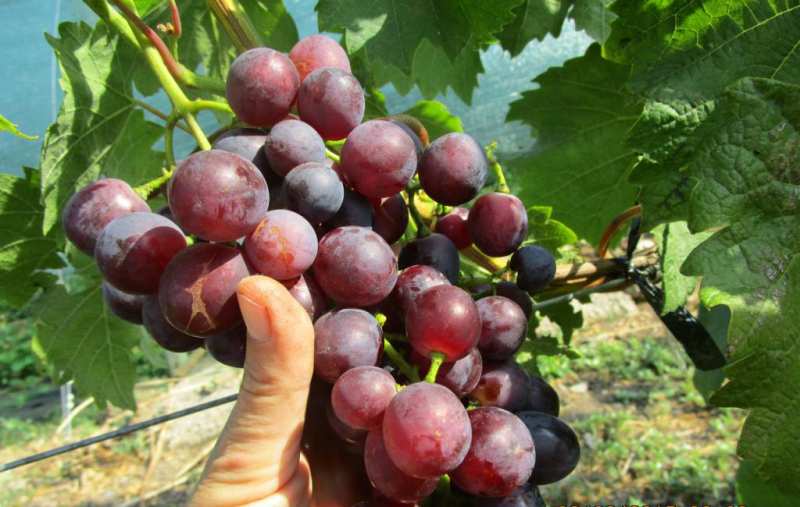
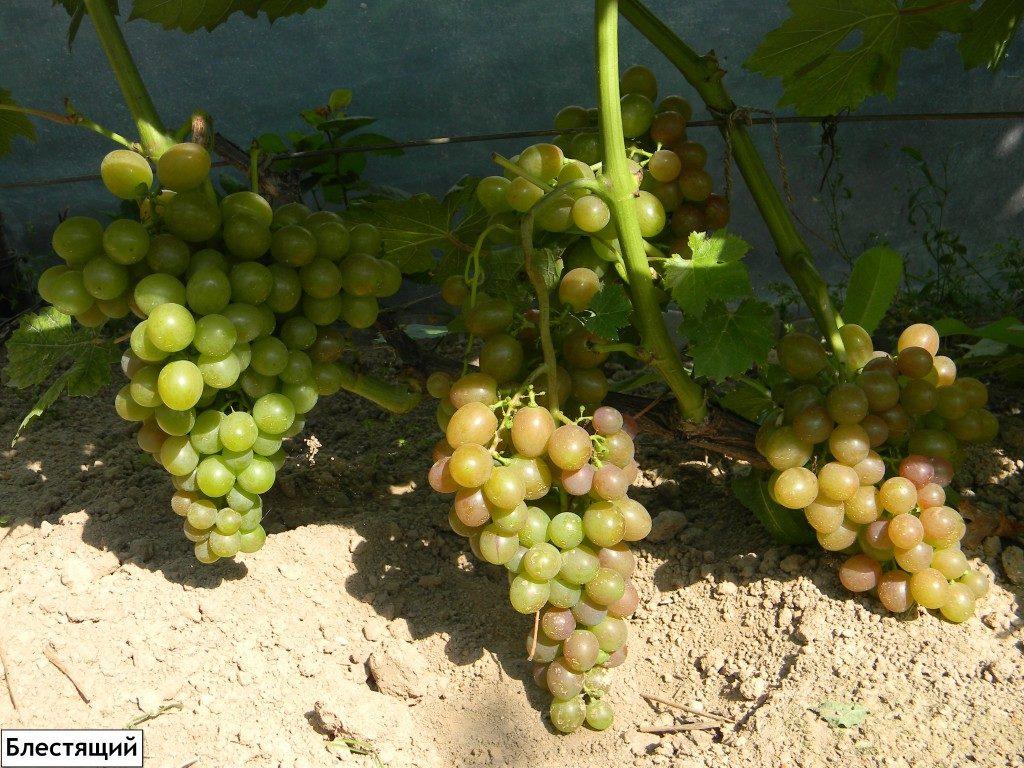
Grapes are juicy and fleshy, which makes their appearance less marketable. The skins are thin, which increases their shelf life and makes them suitable for long-distance transportation. The surface of the grapes is covered with a special bloom, which is present in dark-colored varieties. This helps prevent premature rotting. The berries have a sweet, rich flavor and contain a high sugar content.
Early ripening
Grapes ripen fastest in the southern part of the country, in mid- to late July. In temperate climates, the Blestyashchiy variety ripens in early to mid-August.
High yield
The Blestyashchiy variety bears fruit in hot and moderate climates. Weather conditions do not affect the fruit's flavor. A full harvest also depends on proper planting.
Taste and uses of berries
Blestyashchiy grapes contain a fair amount of sugar, giving them a rich, sweet flavor. They are most often eaten raw, but are also frequently used as an additive to jams, juices, and compotes.
Frost and drought resistance
The Blestyashchiy variety is resistant to freezing temperatures, drought, and adverse weather. It bears fruit in challenging climates. Severe frosts of -30°C may be an exception.
Disease resistance
The Blestyashchiy grape variety has good resistance to fungal diseases. This variety is also virtually immune to rot.
Important! If the area has high humidity grapes need to be treated against chlorosis, bacteriosis, bacterial cancer.
How to plant Brilliant grapes
To plant, you need to prepare a growing area, as well as all the necessary materials.
It is better to perform the procedure in October.
Selecting a site
This plant variety is hardy and vigorous, so it can be planted in almost any plot. It's best to choose a location with plenty of sunlight. This will increase yield and improve the flavor of the fruit.
Preparing the planting hole and seedling
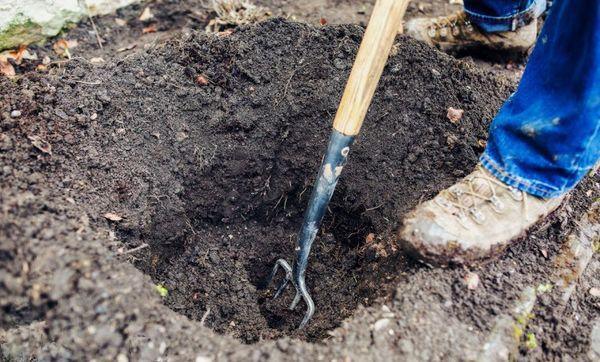
When digging a planting hole, make sure the groundwater level isn't too close. This can promote rot.
Before planting, the soil needs to be fertilized. This should be done with compost, manure, humus, or sand.
It's best to prepare the seedlings a few days before planting. Soak them in water to stimulate root growth. Then, lower them into the soil, leaving one of the fertile roots exposed.
Timing and technology of planting vines
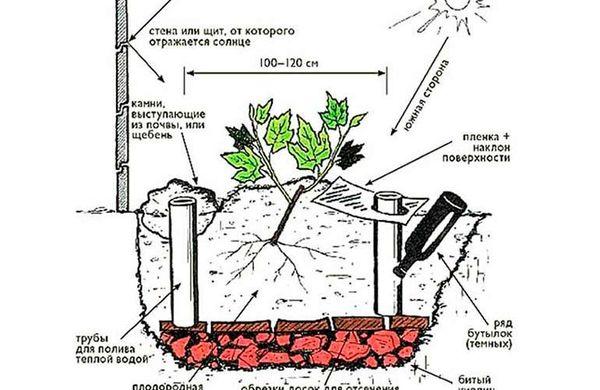
This procedure should begin in mid-autumn or spring. These periods experience the most favorable temperatures for a good grape harvest. When digging planting holes, space them at least 1 meter apart. This is necessary to ensure free growth.
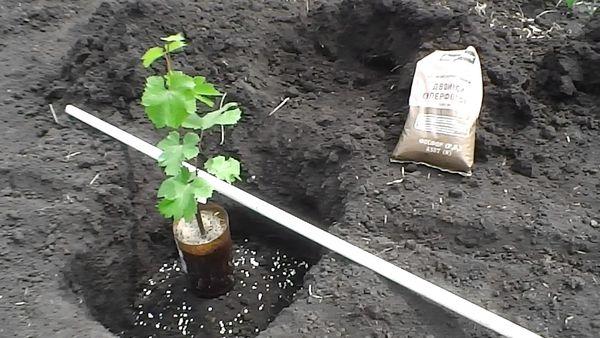
The holes should be about 50 centimeters deep. Add crushed stone to the bottom, then add soil and fertilizer, and then plant the seedlings. Then, fill the hole with soil, water, and mulch.
Care
To ensure that the plant maintains its ability to produce fruit, it must be properly cared for.
Watering
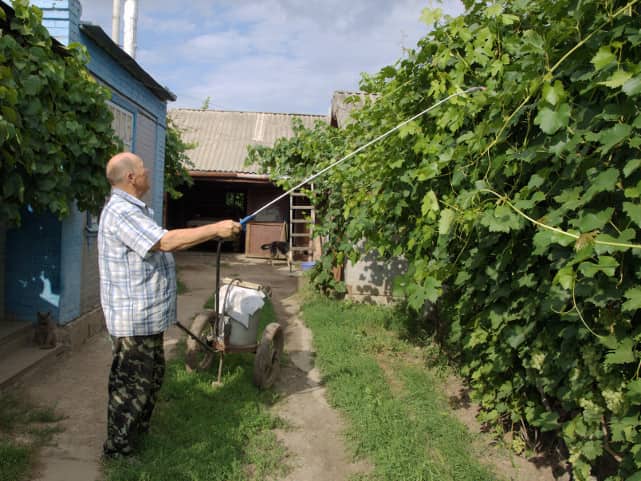
The drip method is commonly used for watering the Blestyashchiy variety. This technique is best suited for planting multiple bushes. For watering a single bush, the traditional method is recommended.
Top dressing
To preserve the plant's characteristics and flavor, it's necessary to add fertilizer to the soil. Traditional fertilizers and sprays can be used for this purpose. Mulch is recommended as an additive. You can also feed the grapes:
- grass;
- sawdust;
- paper.
Mulch is best used to fertilize the plant. It prevents roots from drying out and weeds from growing in the surrounding area. It's easy to tell when the plant needs feeding: the grapevine will drop unripe berries onto the ground.
Trimming
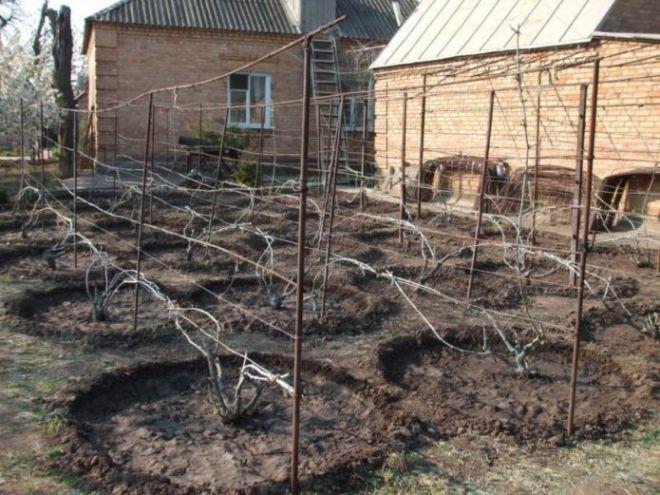
Vines need to be pruned for shape and also as a preventative measure. This should be done when the plant sheds its leaves. As flowering progresses, it is recommended to thin out the leaves and vines to promote normal growth.
Protection from diseases and pests
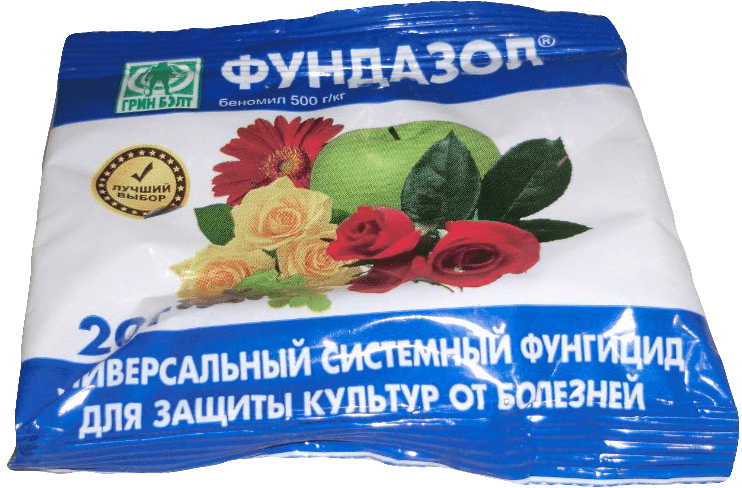
To prevent diseases, it is recommended to use fungicides to prevent fungal growth. In addition, remove shoots. If the plant is infected, treat it with Fundazol and prune off the affected branches. Insecticides are used to control wasps.
Mulching and loosening the soil
Mulching and subsequent loosening of the soil helps prevent vine rot and dryness. This type of treatment also helps prevent the growth of weeds and shoots.

Preparing bushes for winter
Despite their frost resistance, the vines need to be covered during periods of frost and cold weather. However, the covering should be lightweight and not compressed.
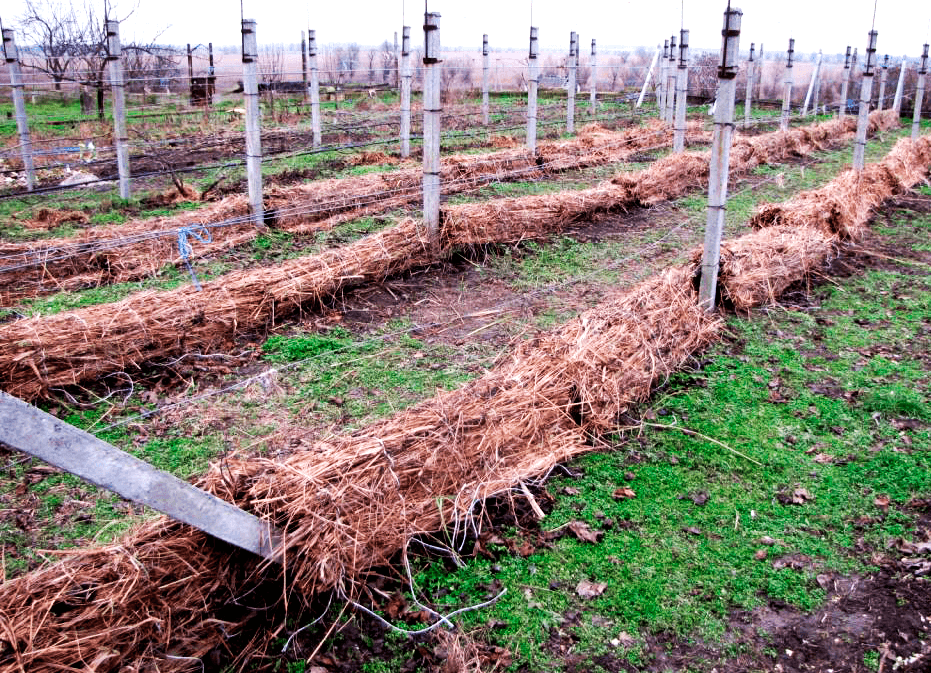 Important! Thick polyethylene is considered the optimal covering material.
Winegrowers' reviews of the variety
Some gardeners left their reviews about the variety:
Dmitry:
"I planted grapes about three years ago and have already harvested a crop. I liked the variety because it doesn't require much attention and is cold-tolerant. It's just right for our climate."
Irina:
"I've been thinking about planting grapes for a while. I decided to choose the most easy-to-grow variety, as I'm new to this. I planted them in October and harvested the grapes two years later. I harvest them for canning, as well as for fresh grapes."
Related posts:
 How to grow grapes in the Moscow region in open ground without a greenhouse
 Description of 30 grape varieties for Siberia, planting and care for beginners
 Description of 30 varieties and types of Muscat grapes, planting, cultivation and care
 Beginner's Guide to Growing Grapes in Open Ground in Central Russia
 The ripening time of grape vines by variety, how to speed up the process, and what to treat the plant with
 Description of the Julian grape variety, planting and care instructions
 The best grape varieties for growing in the Urals, planting and care rules in summer
 Description of the Krasotka grape variety, planting and care technology