
- Features of the region
- Recommended varieties
- Red Haven
- Early Kyiv
- Kremlin
- Cardinal
- Early
- Harrow Diamond
- Novoselkovsky
- Saratov early
- Greensboro
- Khasansky
- Donetsk White
- Veteran
- Dnieper
- Features of cultivation and care
- Recommendations for choosing deadlines
- Site and soil requirements
- Preparing the site and the pit
- How to select and prepare planting material
- Planting diagram
- Adaptation period
- Watering mode
- Top dressing
- Formation
- Preparing for winter
- Diseases and pests
- Moniliosis
- Powdery mildew
- Aphid
- Methods of reproduction
- Harvesting and storage
- Tips from experienced gardeners
- Result
Growing a peach tree in central Russia requires certain care guidelines. Choosing the right variety and planting site are also crucial. The central climate is suitable for a regular harvest.
Features of the region
Peach is a crop that, with proper care, bears fruit in all types of soil. In central Russia, growing peaches has the following characteristics:
- planting of seedlings should be carried out in early spring;
- During the winter period the temperature drops, so it is necessary to select special varieties;
- It is important to follow planting guidelines to ensure the seedling adapts to its new growth location;
- To obtain a harvest, it is necessary to regularly apply fertilizers, as the soil quickly becomes depleted;
- summer is short, varieties with an early ripening period are selected;
- To increase yields, it is necessary to purchase winter-hardy varieties.
When growing peaches, it is necessary to follow agricultural recommendations for caring for the crop, and also to cover the tree before the onset of frost.
Recommended varieties
To ensure a productive harvest in the central Russian climate, frost-resistant varieties are essential. These crops tolerate diseases and sudden temperature fluctuations.
Red Haven
The crop tolerates frost. When planted in temperate climates, it can produce a harvest. The fruits are yellow. It is rarely susceptible to disease.
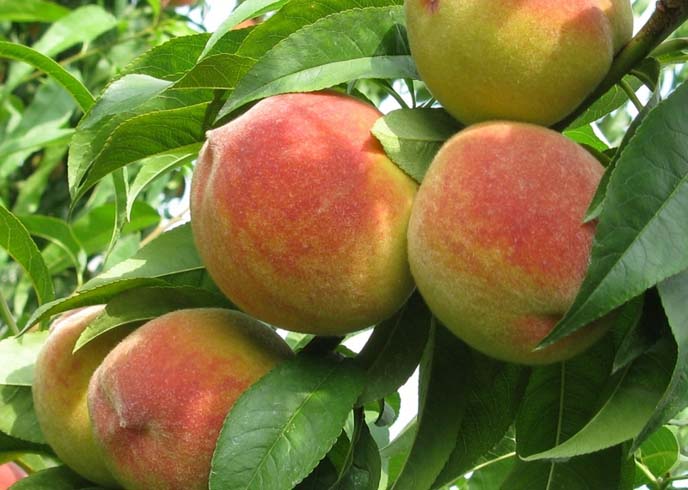
Early Kyiv
The crop ripens early, producing pink fruit. It can withstand frost and produces fruit regularly. However, to obtain a bountiful harvest, fertilization is necessary.
Kremlin
The plant ripens early in the fall, boasting juicy flesh and large fruit. The skin is soft, but the peach can be stored. With proper care, the plant can bear fruit in all regions.
Cardinal
The fruit's distinctive features are its bright pink flavor and pleasant aroma. The flesh is juicy and separates from the pit; the plant can be grown from seedlings or from a seed. It tolerates frost.
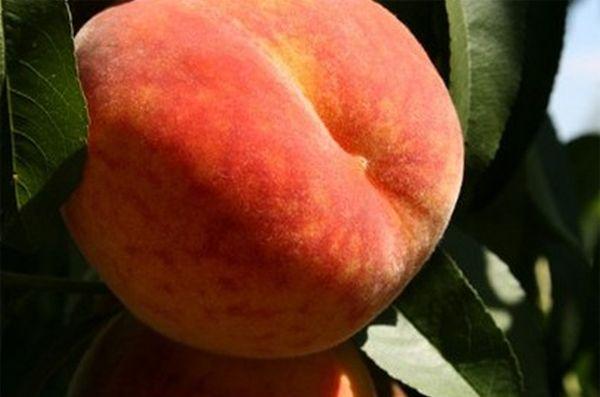
Early
The tree is small and underdeveloped, with a sparse crown. It ripens early, producing medium-sized fruits with excellent flavor.
Important: This variety has weak branches, so it's necessary to regularly support it during the ripening period.
Harrow Diamond
An early-ripening variety with orange skin. Distinguishing features include a vibrant aroma and juicy flesh. It separates from the pit with difficulty. Can be grown in all soil types.
Novoselkovsky
A frost-tolerant variety. This fruit is productive, producing medium-sized berries with a slight blush.
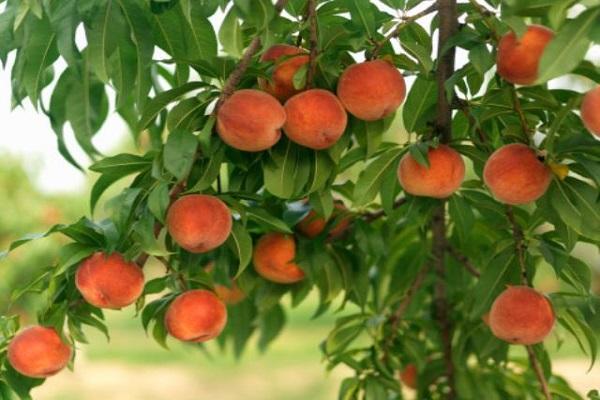
Saratov early
The tree is small and spreading. It ripens early, producing juicy, tart peaches. It can withstand early spring frosts and is drought-resistant.
Greensboro
The crop tolerates frosts and ripens early. The fruits tolerate transportation well.
Khasansky
The tree bears fruit regularly, producing thin-skinned fruits. The flesh is orange and sweet. It tolerates frosts and is rarely susceptible to disease.
Donetsk White
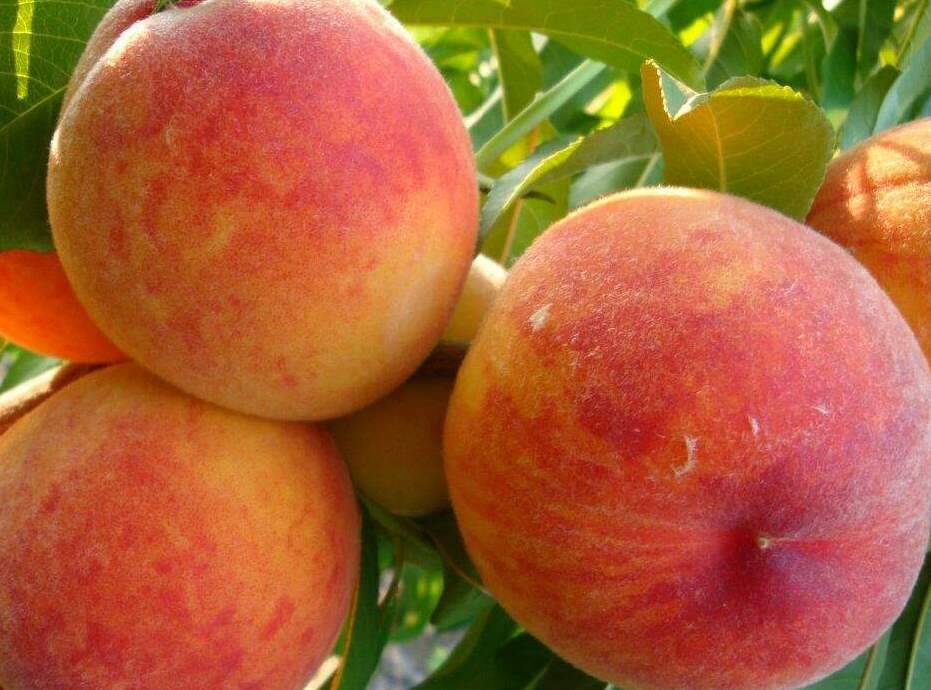
A winter-hardy peach variety distinguished by its light-colored skin. It ripens in mid-August. The sweet flesh is used for canning.
Veteran
The fruits have a medium ripening period. The orange-colored fruits separate easily from the pit. They are suitable for storage and canning.
Dnieper
The tree is medium-sized, and the harvest ripens in late August. The fruits are small, with juicy flesh that separates from the pit. When grown properly, it bears fruit regularly.
Features of cultivation and care
To ensure a regular harvest, it is necessary to adhere to cultivation practices that are specifically suited to central Russia.
Recommendations for choosing deadlines
To ensure a regular harvest, the crop should be planted in early spring, before the buds swell. Planting later may result in incomplete ripening of the fruit.
Site and soil requirements
To ensure a regular harvest, it's important to choose the right planting location. Peach is a heat-loving plant, so when planting a seedling, it's important to observe the following guidelines:
- the place should be illuminated by the sun;
- there must be protection from winds and drafts;
- The seedling is planted near a fence, which provides protection for the tree from wind and snowfall;
- the planting site should be located on a hill, away from groundwater;
- peach prefers loose soil with adequate air and moisture penetration;
- The soil acidity should be neutral.
When planting peach trees in clay soil, it's important to ensure proper drainage to prevent water stagnation. Excessive moisture can lead to rot and disease.
Preparing the site and the pit
Before planting, clear the area, removing weeds and debris. The soil is dug and treated with special preparations that kill pest larvae. Before planting, prepare the planting hole:
- a hole is prepared 10 days before planting the seedling so that the soil settles;
- the depth of the pit is 50 cm;
- A layer of broken brick or crushed stone must be placed at the bottom of the pit to act as drainage;
- Prepare a nutrient mixture by mixing a bucket of humus, a bucket of peat and a bucket of river sand. This nutrient mixture is diluted with two buckets of soil, and the hole is filled with the nutrient mixture by ¼.

The distance between seedlings should be at least 1.5 meters. This distance is necessary to ensure the roots have sufficient nutrients for normal development.
How to select and prepare planting material
To obtain a good harvest, it is important to select the right planting material:
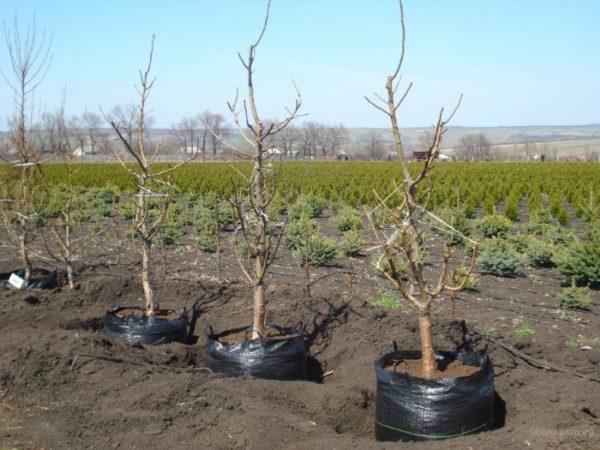
- the height of the cutting should be up to 1 meter, otherwise this will indicate the presence of an excessive amount of fertilizers, which can negatively affect the growth of the plant after planting;
- the root must have lateral shoots;
- the bark of the seedling should be free from damage and growths;
- The grafting site should be visible, this indicates the health of the plant.
At the time of planting, all buds must be dormant, otherwise the plant may die.
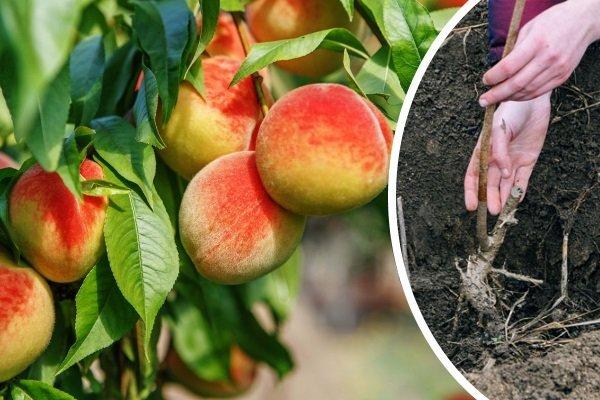
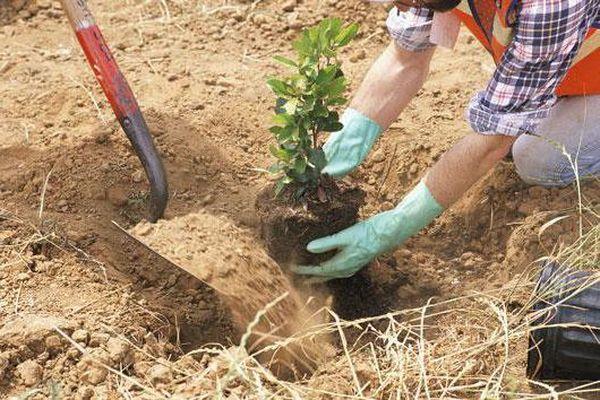
Planting diagram
During landing, you must perform the following sequence of actions:
- soak the planting material in a growth activator and a manganese solution to reduce the risk of diseases;
- in the prepared planting hole it is necessary to make a mound;
- place the seedling in the center, straighten the roots;
- install a wooden peg to secure the cutting;
- fill the cutting with a nutrient mixture;
- tamp down.
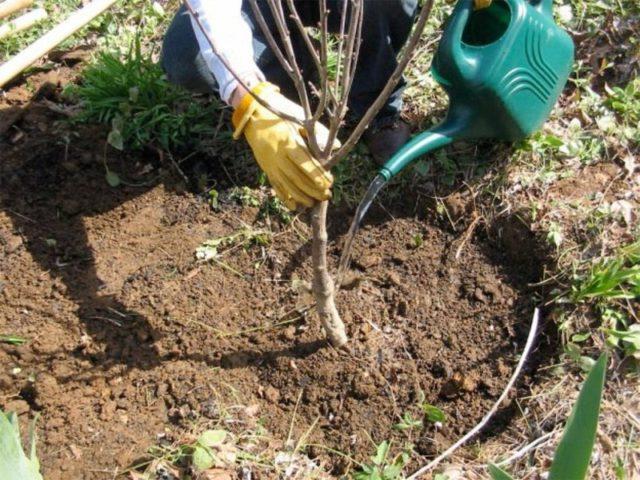
Make a hole and water it generously, at least 2 buckets.
Adaptation period
A properly planted plant quickly adapts to its new location. On average, it takes two weeks for a plant to adapt to a new location.
Watering mode
To ensure the plant quickly transitions through the adaptation phase, it's essential to ensure timely watering. Water the plant once every 7 days, using 2-3 buckets of water. Once the seedling has established itself, water it once every 20 days. During hot weather, increase the watering schedule.
Top dressing
The first fertilizing begins only two years after planting. In subsequent years, fertilizing is done twice a year:
- The first application is in the spring. Superphosphate and potassium fertilizers are used.
- In autumn, it is recommended to mulch with humus and peat.
If the soil is depleted, it is necessary to add additional superphosphate in mid-summer.
Formation
To increase fruiting in central Russia, timely pruning is essential. Pruning should be done immediately after planting. Branches are shortened to form a spherical crown. This will help increase yield.

Preparing for winter
To preserve the health of the crop, it is necessary to cover it for the winter. Special structures made of foam or wood are most often used for this purpose. However, polyethylene film, with holes punched in it for ventilation, can also be used.
This will prevent mold from forming.
Important: In early spring, it's necessary to ventilate the structures to prevent fungal diseases.
Diseases and pests
Improper care often leads to diseases and pests. These problems lead to crop failure and even the death of the tree.
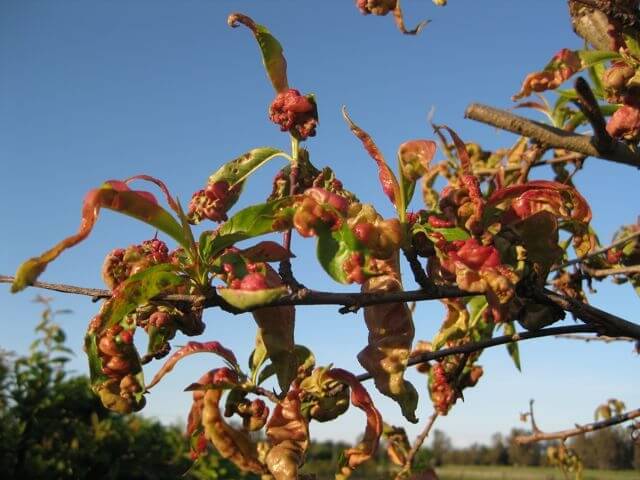
Moniliosis
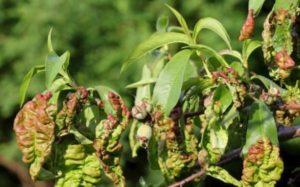
A fungal disease that attacks fruit and renders it unfit for consumption. It can affect buds and leaves, and the fungus resembles a burn. This causes rotting.
The disease quickly spreads to healthy areas and can destroy the plant in a short time.
To treat, it is necessary to remove the infected parts of the tree and spray the crop with an antifungal agent.
Powdery mildew
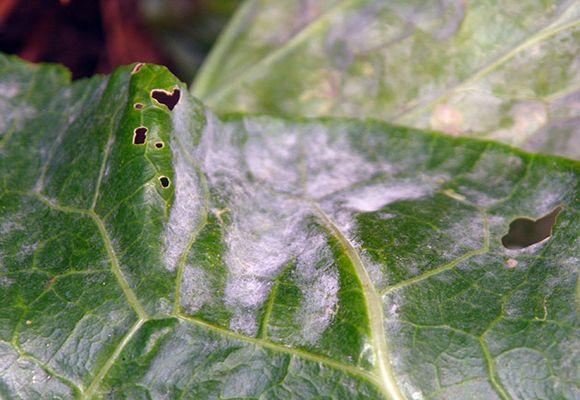
It most often appears at the end of bud formation. The disease appears on leaves and causes them to fall off. Roses can also attack unripe fruits, appearing as a white coating that causes the fruit to drop. Treatment requires using Topsin and Topaz three times a season.
Aphid
An insect that feeds on plant sap. The pest attacks young shoots, causing them to wither. To control the pest, use Bordeaux mixture, a solution of laundry soap, or copper sulfate. Continue treatment until the pest is completely eliminated.
Methods of reproduction
Peach can be propagated by the following methods:
- Seeds should be sown in the fall, after disinfecting the planting material. For spring planting, the seeds must be germinated first.
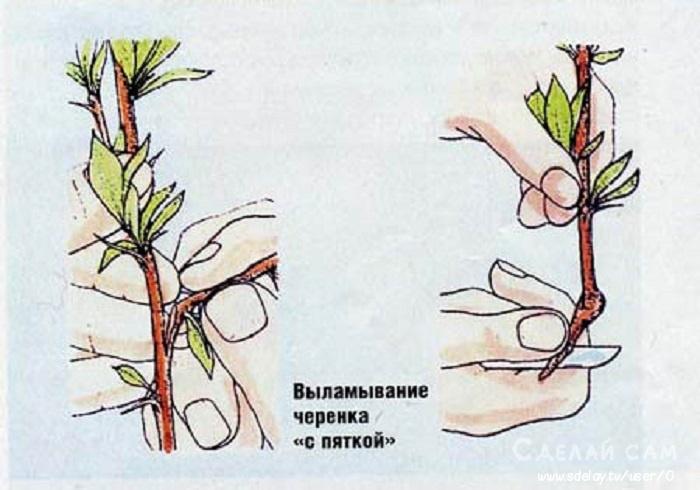
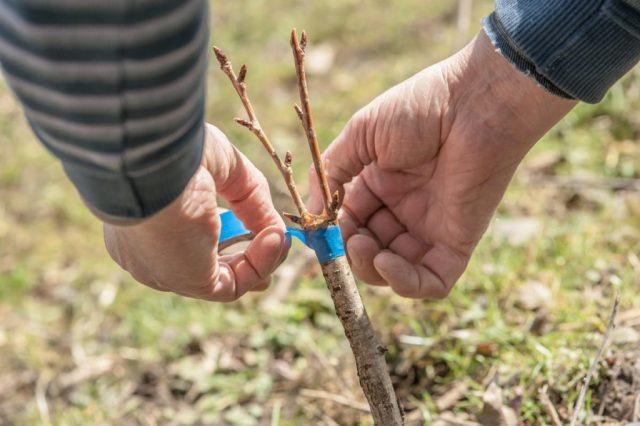
- Grafting and cuttings are performed to preserve the characteristics of the variety.
The choice of propagation method depends on the gardener's preferences.
Harvesting and storage
The harvest takes place after the peaches are fully ripe, usually in mid-August, depending on the variety. The peaches are carefully picked and placed in a single layer in wooden crates. The bottom of the crates is lined with soft bedding or special fiber.
For transportation and storage, it is recommended to use varieties intended for such purposes.
Peaches will keep in a cool place for 5-7 days. Unripe peaches can be stored for up to 10 days. However, it's important to regularly inspect the fruit for rot and damage.
Important: Avoid high humidity during storage.
Tips from experienced gardeners
To properly grow a peach tree, you need to follow some tips and recommendations:
- The seed should be planted in a specially prepared container at the end of August. This will speed up the sprouting process. The sprout can then be grown indoors or in a greenhouse.
- To grow a healthy tree, the first small fruits and buds should be removed the following year after planting. This will promote root strengthening.
- To prevent the plant from suffering from heat, it is necessary to spray the above-ground part of the plant during watering and make regular deepening so that water remains in the hole.
Following these recommendations will reduce the risk of diseases and pests developing on the tree after planting it in the ground.
Result
A properly planted peach tree will bear fruit regularly. However, it's important to keep in mind that a mature tree also requires proper and timely care. Otherwise, growing a peach tree in central Russia will be problematic.
Related posts:
 How to plant grapes step by step, with a description of the process and care
 How to propagate and grow peas, cultivation technology, and care in open ground
 How to properly plant peas in a greenhouse and open ground
 Description of varieties of sowing peas and cultivation, to which family they belong
 Growing and caring for almonds, planting and pruning rules at home
 How to plant walnuts, care for them, and grow them at home
 The best grape varieties for growing in the Urals, planting and care rules in summer
 How to control onion flies using natural and chemical methods