
- Description of the substance, properties
- Scope and purpose
- Pros and cons
- How to use correctly
- For tomatoes and peppers
- For cabbage
- For flowers
- For strawberries and raspberries
- For seedlings
- For cucumbers
- Safety precautions
- Is compatibility possible?
- How to store it correctly and for how long
- For which plants should not be used?
- What to replace it with
Mineral fertilizers are essential for the vigorous growth of crops. These nutrients stimulate root and foliage development, strengthen the immune system, and protect against pests. Calcium nitrate is considered one of the most effective methods for increasing crop yields and ornamental appearance. To ensure this product produces the desired results, it's important to strictly follow the instructions.
Description of the substance, properties
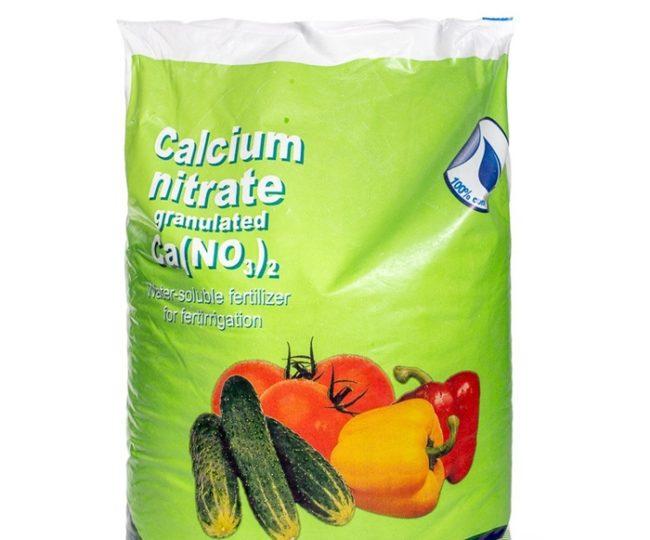
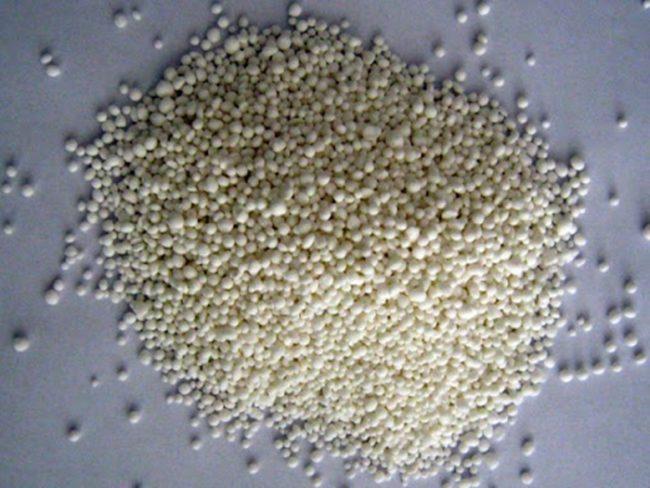
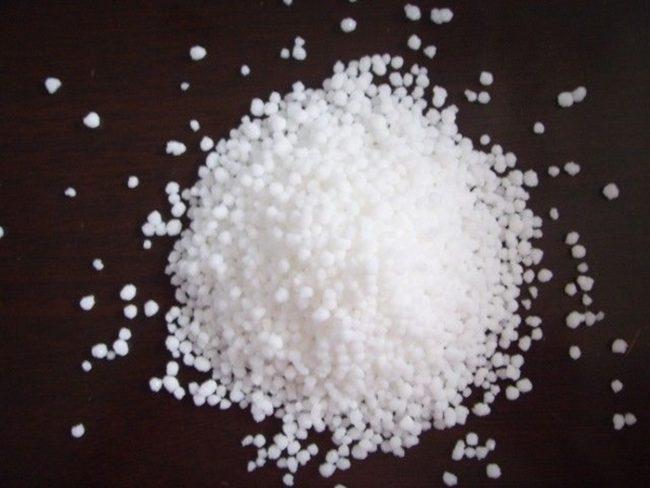
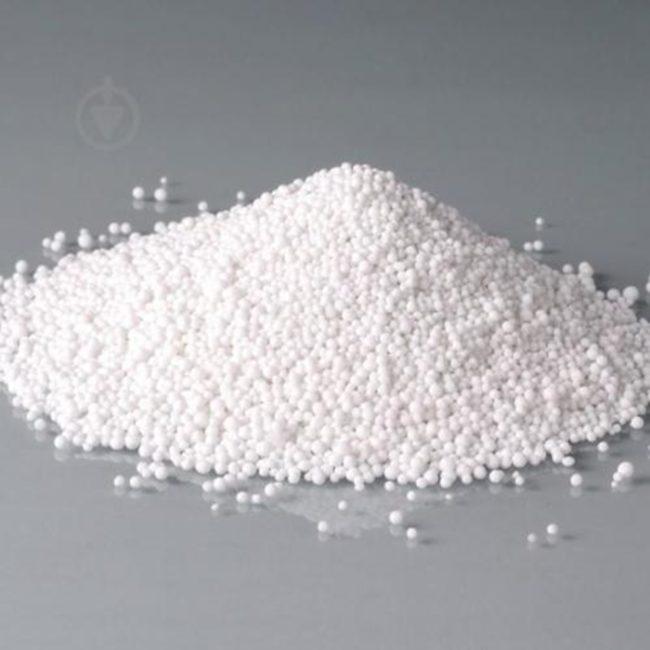
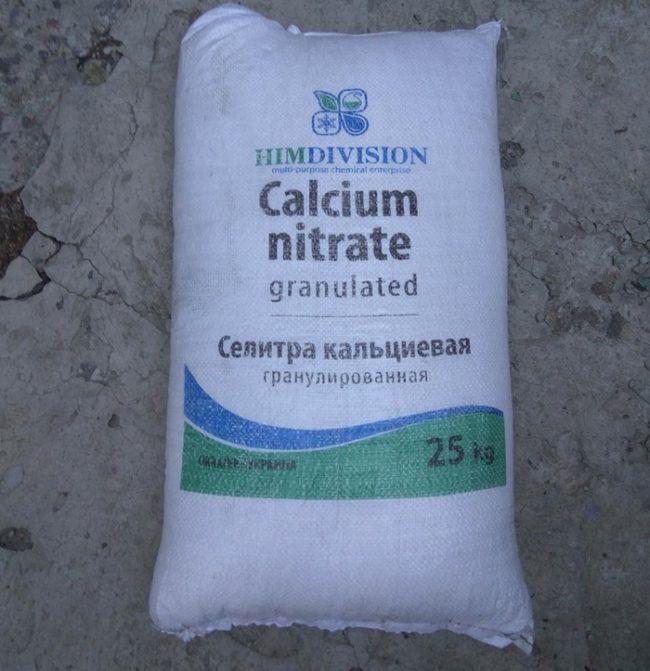
Calcium nitrate is a chemical compound that is an inorganic salt of nitric acid. Its formula is Ca(NO3)2. This mixture contains 19% calcium and 13% nitrogen. This unique nutrient is essential for the complete nutrition and fertilization of crops.
Scope and purpose
This fertilizer should be used for the following crops:
- cucumbers;
- tomatoes;
- cabbage;
- flowering plants;
- berries;
- shrubs;
- fruit trees.
Calcium nitrate helps increase plant yields. When applied at the correct dosage, it does not accumulate in the soil or fruit and does not form hazardous compounds.
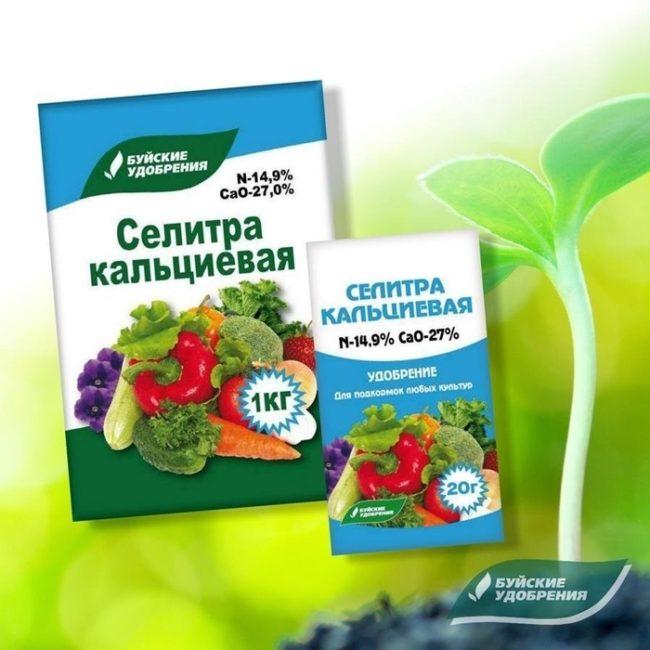
In addition, the use of the substance helps to achieve the following effects:
- Strengthen the immune system of garden and vegetable plants. They become more resilient to temperature fluctuations, pest attacks, and diseases. Applying the product to tomatoes and peppers helps reduce the risk of rot. Applying the product to radishes or cabbage reduces their susceptibility to clubroot.
- Accelerate the development of plant leaves and roots. This composition stimulates photosynthesis.
- Accelerate seedling emergence. This effect is achieved by treating bulbs, tubers, and other seed material with the composition.
- Reduce soil acidity. The substance can absorb metals from the soil and prevent the formation of hazardous chemicals. As a result, soil quality improves.
- Improve fruit quality. Using calcium nitrate increases sugar content and improves marketability. The fertilizer also accelerates fruit ripening and improves shelf life.

Pros and cons
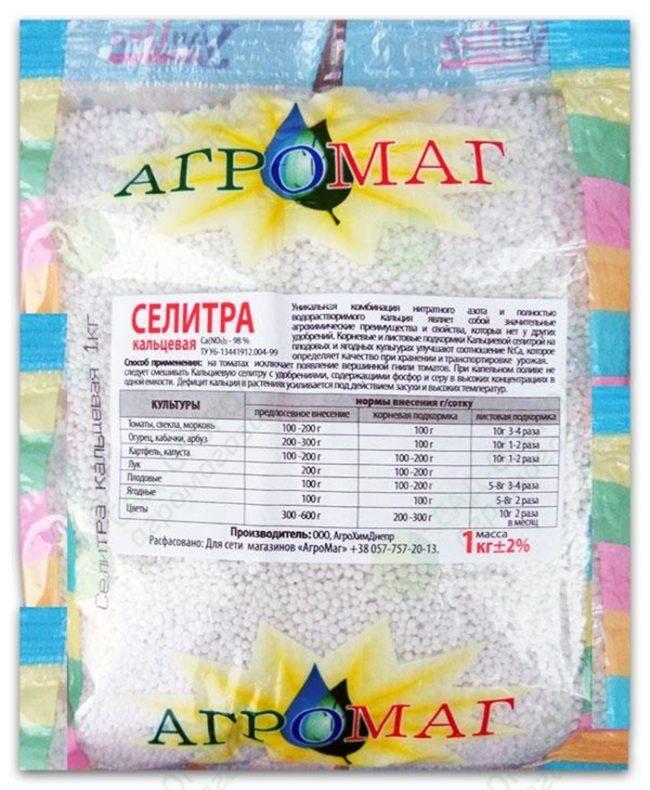
The main advantages of feeding include the following:
- reducing soil acidity;
- active development of beneficial bacteria;
- preventing the deposition of harmful salts and metals in the soil – this helps improve its structure.
However, calcium nitrate also has some disadvantages. For example, if the dosage is exceeded or the substance is applied late, negative reactions occur. Excessive calcium causes the destruction of roots and vegetative growth. As a result, the roots lose the ability to absorb moisture and nutrients from the soil. Furthermore, excess liquid causes root rot.
How to use correctly
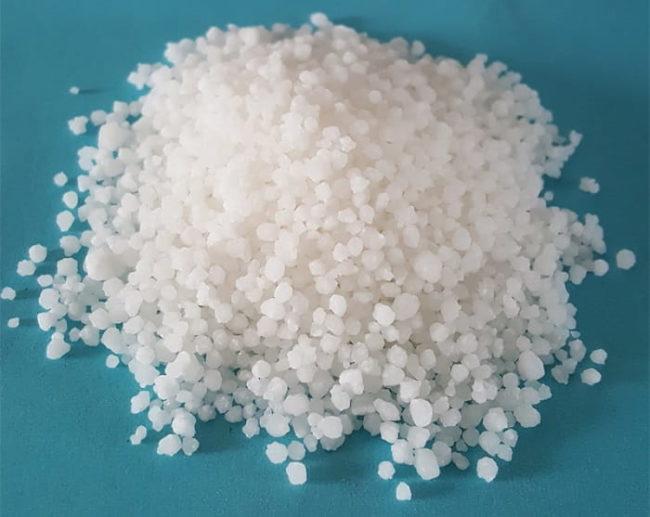
Moreover, it can be used for a wide variety of crops. The product can be applied in various ways. It can be used during soil tillage. A working solution can also be prepared from the granules and used for root and foliar feeding.
For tomatoes and peppers
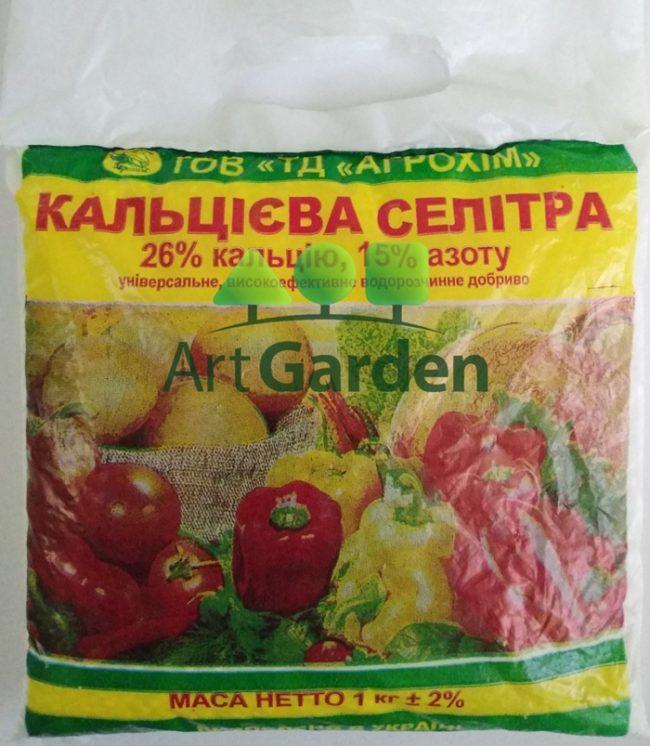
Tomatoes should be fertilized cyclically. The first time is when they are still seedlings and then 1-1.5 weeks after planting. This product helps accelerate plant growth and prevent blossom-end rot. It is also very beneficial for bell peppers.
To achieve the desired effect, it is recommended to apply the substance by the root method.
To prepare the solution, mix 20 grams of fertilizer with 10 liters of water. Water the plants for the first time one week after planting. Subsequently, water every week until flowers appear.
For cabbage
Calcium nitrate is most often used to feed cabbage seedlings. Mature plants no longer require this substance. However, experts recommend adding a small spoonful of fertilizer granules to the planting holes. This will accelerate growth, stimulate head formation, and strengthen the plants' immune system.
Take a look Also
For flowers
Applying the substance to annual and perennial flowers promotes their vigorous growth. They develop foliage much faster and bloom more profusely. Disease resistance is also increased.
The application rate depends on the flower variety. To treat phlox, use 2 grams of calcium nitrate per 1 liter of water. Apply the fertilizer twice, 10 days apart. Then, you can move on to foliar feeding.
Calcium nitrate can also be used to feed fragile petunia seedlings. Apply 1 small spoon of the substance per 1 liter of water. It's recommended to apply the same fertilizer after planting the seedlings in the soil.
Calcium nitrate can be used to fertilize roses. It is recommended to use the product after spring pruning. Apply the product directly to the roots, avoiding drips on the leaves and stems.
The product is also excellent for indoor plants. It should be used in the spring. To make a working solution, mix 2 grams of the product with a bucket of water. Apply the resulting mixture to the roots.
For strawberries and raspberries
These plants should be fed once a week. This should be done before flowering begins. Calcium nitrate can be applied to raspberries before the leaves form. To obtain a working solution, it is recommended to use 15 grams of the substance per 5 liters of water. For each square meter, use 1-1.5 liters of the working solution.
For seedlings
To ensure strong and healthy seedlings, it is recommended to apply calcium nitrate during their active growth period. The first application should be made when the third true leaf emerges, and the second application should be made 1.5 weeks after transplanting.
For cucumbers
To feed cucumbers in the garden, it is recommended to use 2 grams of fertilizer per 1 liter of water. The first application should be made when the third leaf emerges. Subsequently, apply at 10-day intervals until fruiting begins. This fertilizer protects the root system from rotting.
Safety precautions
Calcium nitrate is not toxic. It is completely safe for health and life. It is hypoallergenic. According to the classification, it belongs to hazard class 4, meaning it is a low-hazard substance.
When working with the compound, it's important to adhere to standard safety precautions. Protecting your hands with rubber gloves is sufficient. However, even without this, the granules are unlikely to cause any adverse reactions.
Is compatibility possible?
The product can be combined with urea and ash. However, it should not be combined with organic fertilizers. The same applies to straw and sawdust. Prohibited combinations also include additions such as lime, chalk, and growth stimulants. The product should not be applied simultaneously with sulfur- and phosphorus-based fertilizers.
How to store it correctly and for how long
It is recommended to store the substance in an airtight container away from heat sources. The compound is considered highly hygroscopic, so it should be stored in a dry place. Avoid storing it near alkalis and flammable materials.
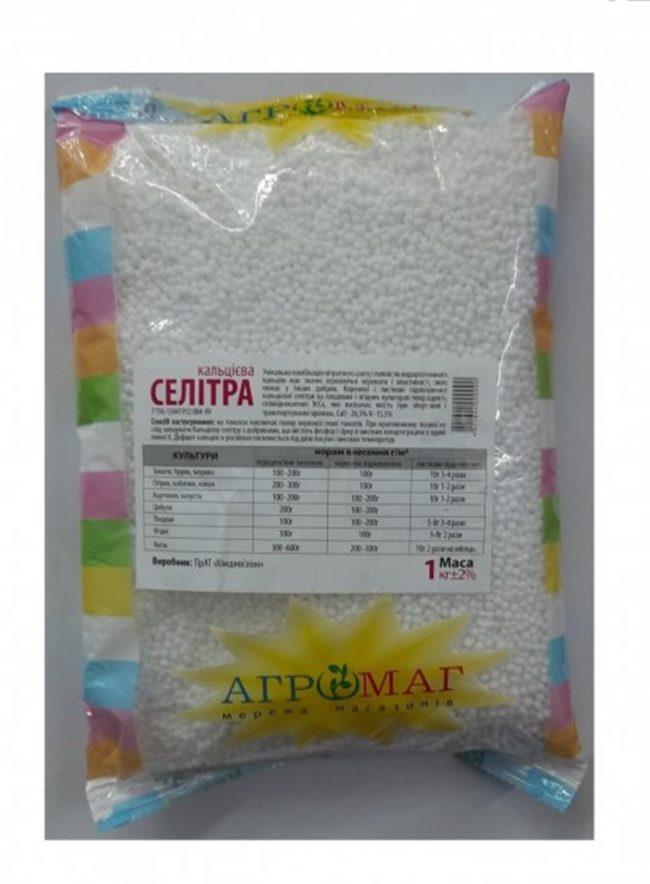
No special temperature requirements are required. The substance can be stored at temperatures ranging from -60 to +155 degrees Celsius. The expiration date depends on the manufacturer and is indicated on the medication packaging.
For which plants should not be used?
The product is considered universal. The only limitation to its use is the presence of signs of excess nitrogen in plants.
What to replace it with
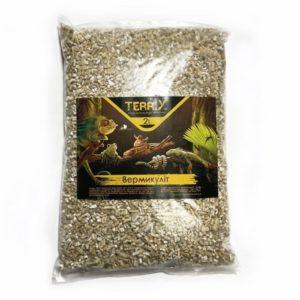
Experts believe this saltpeter can be safely replaced with wood ash. This substance is recommended for dusting garden beds. You can also make a solution of 10 milliliters of calcium chloride and 10 calcium gluconate tablets. This solution can be used for watering and spraying crops.
Calcium nitrate is an effective product that strengthens the immune system of crops and increases their yield. To ensure the desired effect, it is important to follow the instructions carefully.