
A huge number of eggplant varieties have been developed, suitable for growing in various climate zones. Characteristics of the best eggplant varieties in the Leningrad Region will help you choose the most suitable hybrid.
Climate features
Summers in the Leningrad Region aren't the warmest. The weather changes frequently, and prolonged rains are common. Nights are usually cold. Sunny days are scarce in summer. This climate poses challenges for growing eggplants. The crop is a heat- and light-loving plant. At low temperatures, inflorescences fail to form, and consequently, fruit set is also limited. To ensure a good harvest, it's important to select the right variety that is tolerant of this climate.
Popular varieties
Not all eggplant varieties are suitable for cultivation in the Leningrad Region. Before purchasing seeds, it's important to research the best varieties for growing in the Leningrad Region's climate.
Ping-Pong F1
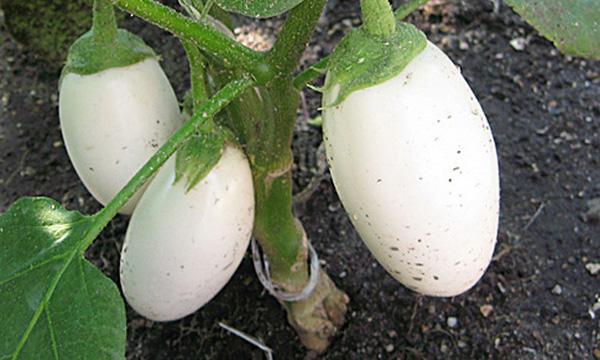
At the variety Ping-Pong is unusual for eggplants The skin is white. This hybrid is a mid-early ripening variety. The leaves have small white spines. The skin is smooth and glossy. The flesh is milky. The fruits are round, weighing up to 100 g. The bush is low-growing, reaching a height of 70 cm. It is suitable for growing on a balcony.
Pelican F1
Another white-fruited variety. Ripe fruits are elongated, resembling icicles. The skin is thick and glossy. The flesh is milky with a small number of seeds. The fruits reach up to 25 cm in length. Ripe fruits weigh up to 170 g. The bushes are low-growing, with medium foliage. This hybrid is considered a mid-early variety.
Swan F1
Among white-fruited varieties, Lebedushka is considered the most popular. The harvest ripens mid-early, with the first ripe fruits appearing 110-115 days after planting. The bush is medium-sized, reaching a height of up to 85 cm. The fruits are pear-shaped at technical maturity, weighing no more than 200 g.

Lilac Fog F1
An early-ripening hybrid. The skin is lilac-colored. The rind is firm. The flesh is milky. The "Lilac Mist" variety is suitable for growing in all regions, even in the north. The bushes grow to a maximum height of 70 cm. The fruits are small, weighing up to 190 g.
Piggy
The Piggy hybrid has an unusual pink-white fruit color. The fruits are medium-sized, weighing up to 200 g. The bushes are medium-sized and semi-spreading. The yield is good, with a single bush yielding up to 6 kg of fruit. Vegetables ripen en masse and are stored for a long time after harvesting.
Lolita F1
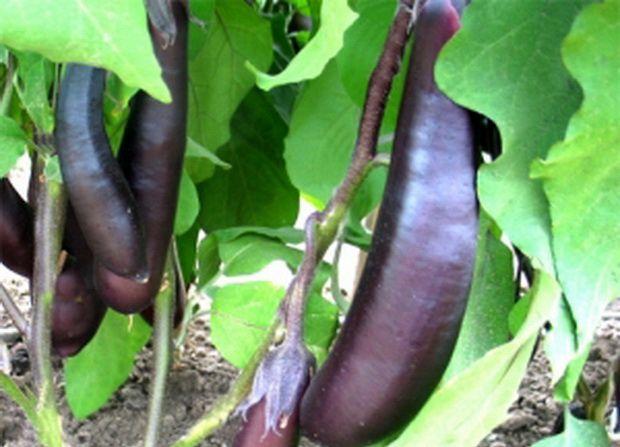
The skin of ripe vegetables is thick and a rich purple hue. The shape of the fruit is elongated and cylindrical. At full maturity, the vegetables reach 25 cm in length and weigh 300 g. The taste is excellent, and the flesh is not bitter. The bush is semi-spreading, with medium foliage. The leaves are a rich green, pubescent. A single bush yields up to 8 kg.
Behemoth F1
This variety is a mid-season hybrid, with a ripening period of 110 to 115 days. The skin is a rich purple. The flesh is white, with a small number of seeds in the center. It is a tall bush, reaching 2 meters in height. Pruning and shaping are required. It is disease-resistant.
Bagheera F1
The bushes are compact in shape but tall. The main stem reaches almost 1.5 meters in height. The fruits are purple in color and have thick skin. The flesh is tender and creamy. Like many hybrid varieties, there is no bitterness in the taste. The fruits are long but small in diameter, no more than 8 cm. The harvest ripens 115 days after sowing. An advantage of the Bagheera variety is that, despite its tall stature, it is suitable for growing in small containers indoors.

The Nutcracker F1
The Shchelkunchik variety grows as a semi-spreading bush. When grown outdoors, the plant reaches 1 m in height, while in a greenhouse, it can reach 1.5 m. The fruits are round. The skin is a rich lilac color. The flesh is creamy, containing a small number of seeds. The fruits are large when fully ripe, weighing up to 350 g. The length of the fruits is 14-16 cm. This variety is immune to the tobacco mosaic virus.
Maxik F1
A tall, medium-spreading bush, up to 1 m tall. Due to its height, the bushes require staking, especially when grown in greenhouses, and removal of side leaves. The harvest is early, 90-97 days after germination. Fully ripened fruits are cylindrical and elongated. They weigh medium, approximately 180 to 210 g. The skin is purple, and the flesh is creamy-green. There is no bitterness in the taste. Fruiting is prolonged, ending around mid-September.
Diamond
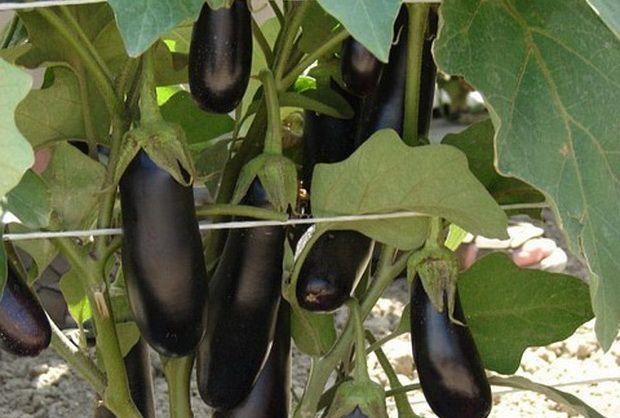
The Almaz variety was developed over 50 years ago, but remains popular among gardeners. This variety is best grown in greenhouses; it can freeze in open ground. The fruits are elongated and cylindrical, approximately 10-17 cm long. Ripe eggplants weigh 230-270 g. The bush is low-growing, reaching a height of 40-55 cm.
A characteristic feature of this variety is its extensive branching. The skin is purple and matte. The flesh is creamy-green. It has a bitter taste.
Black beauty
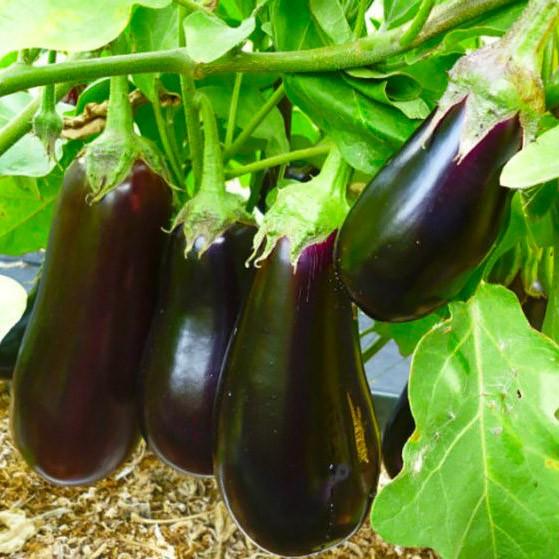
The "Cherny Krasavets" variety was developed in 2003. It is intended for greenhouse cultivation in regions with cool summers. The harvest is considered late-ripening, with the vegetables ripening 130-150 days after sowing. The fruits are pear-shaped and round, up to 13 cm long. The skin is purple, and the flesh is creamy-green. The skin is thin and glossy. The flesh is not bitter. The yield is high, with up to 8 kg of vegetables harvested per bush. With proper care, this can be increased to 10 kg. The eggplants ripen en masse.
Growing
In the Leningrad Region, eggplants are grown either in open ground or in greenhouses. Due to the climate, the latter method is considered preferable.
In the greenhouse
When growing in a greenhouse, seeds can be planted directly in the ground. Alternatively, seedlings can be grown indoors and then transplanted. The soil is dug, organic matter and mineral fertilizers are added, and then beds are created. Seeds are planted individually, 50 cm apart, and lightly covered with soil. Water thoroughly at the end of planting.
In open ground
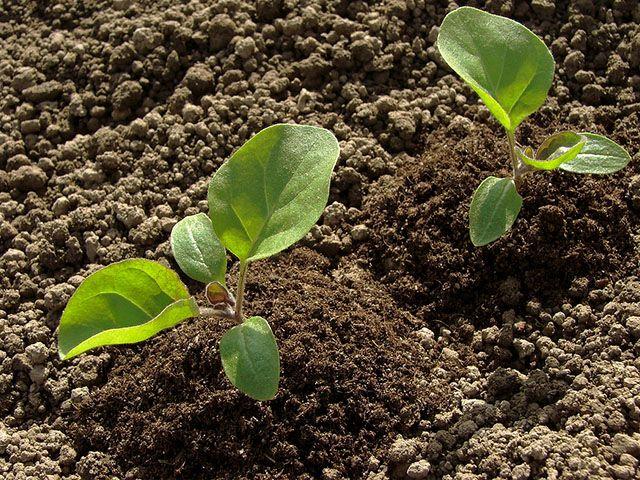
The crop is grown outdoors from mid-May. Seedlings are transplanted to their permanent locations once the weather has warmed up. However, the beds will still need to be covered at night for the first few weeks. Before planting, the soil is mixed with manure and dug over. Shallow holes are dug and the seedlings are planted.
Take a look Also

Pinching out stepsons
Three healthy stems are left on mature bushes. The remaining stems are cut off. As the bushes grow, side leaves (suckers) are removed. They provide little benefit for yield, and they rob the soil of nutrients.
Care
Eggplants prefer moist soil. The beds are watered daily with warm water. Watering should be done in the evening, after sunset. It is recommended to make beds in open sunny areas; plants do not grow well in the shade.Loosen the soil once a week. It's best to do this before watering.
During the first half of the season, nitrogen-containing fertilizers are added to the soil. Once the bushes begin flowering, nitrogen application is stopped and the plants are fed with phosphorus and potassium. The beds are sprinkled with wood ash several times a month.
Diseases and pests
To prevent pests in early spring before flowering, eggplants are sprayed with Bordeaux mixture. Late blight can be prevented with Fitosporin. Root rot can be prevented by dusting the bushes with wood ash and spraying with Fundazol.
The most common insect seen on bushes is the Colorado potato beetle. Beetles and larvae are collected by hand.
Reviews
Marina, 32: "I tried planting white eggplants for the first time. I chose the Ping-Pong variety. The eggplants sprouted quickly and began bearing fruit by the end of July. The white ones tasted almost identical to the purple ones. But they looked very unusual in the garden."
Evgeny, 45: "Of all the eggplant varieties I've tried growing, I liked the 'Lilac Mist' hybrid the best. The fruits grew large, and the flesh wasn't bitter. The yield was good."
Related posts:
 80 Best Eggplant Varieties for Different Regions with Descriptions and Characteristics
 50 Best Pumpkin Varieties with Descriptions and Characteristics for Outdoor Planting
 Description and characteristics of the 60 best sea buckthorn varieties, how to choose depending on the region
 Description and characteristics of the 27 best plum varieties for the Urals, planting and care
 The best grape varieties for growing in the Urals, planting and care rules in summer
 Descriptions of the 20 best cherry varieties for the Moscow region, their planting and care
 Description and characteristics of the 45 best pear varieties, how to choose
 What varieties of tomatoes are best to plant in a polycarbonate greenhouse?