
- The history of the F1 hybrid
- Description and photo
- Fruit
- Bushes
- Characteristics of the variety
- Productivity and fruiting
- Scope of application
- Resistance to diseases and pests
- Distinctive features
- Advantages and disadvantages
- Growing seedlings
- Timing
- Preparing soil and containers
- Seed preparation
- Quality control
- Sterilization
- Growth stimulator
- Drying
- Sowing scheme
- Care
- Temperature conditions
- Daylight hours
- Hardening
- Irrigation
- Top dressing
- Picking
- Planting seedlings in open ground
- Optimal timing
- Site selection and crop rotation
- Planting pattern and depth
- Care
- Watering and soil care
- Top dressing
- Spraying against pests and diseases
- Bush formation
- Possible difficulties
- Harvesting and storage
- Secrets of vegetable growers
- Reviews
Eggplant has long been a staple in the kitchen and a favorite vegetable for many. This variety has an unusual color, making it both unusual and a welcome addition to the kitchen. Growing the Bibo eggplant is straightforward if you follow the planting and care guidelines and recommendations.
The history of the F1 hybrid
Bibo is a white-skinned eggplant hybrid. It was developed by specialists at the Dutch company MONSANTO HOLLAND BV. This eggplant variety is recommended for cultivation throughout Russia. In the southern regions, it is planted in open beds, while in colder climates, it is grown in greenhouses.
Description and photo
Bibo is characterized by specific features that distinguish it from other varieties of eggplant.
Fruit
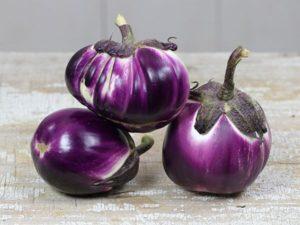
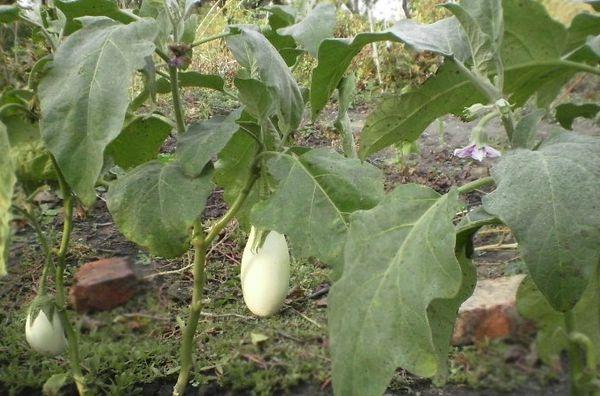
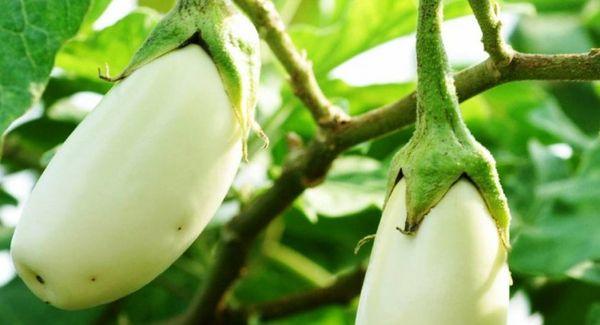
The eggplant is white and oval-shaped, with a corresponding elongation. The flesh is smooth, and the skin is not noticeably shiny. A ripe eggplant is average in size: 17 cm in length and 8-9 cm in diameter. It weighs 350-370 g. The flesh is light and not bitter. The fruit has excellent flavor.
Bushes
The eggplant bush is considered medium-sized and semi-spreading, reaching an average height of up to 85 cm. The stems are slightly pubescent, with a slight lilac tint visible. They bear small green leaves with slightly wavy edges. The calyx is covered with spines.

Characteristics of the variety
When choosing an eggplant variety for cultivation, varietal characteristics, positive aspects and disadvantages are studied.
Productivity and fruiting
The fruit ripens within 55 to 65 days after planting. Fruit yields are 4.8-5 kg per m.2. Plant yield is affected by planting density; insufficient space leads to deformation, reduced fruit size, or complete lack of yield.
Scope of application
Eggplants are suitable for processing, including canning and pickling. They are also used for stewing, boiling, baking, and grilling, thanks to their tender, fleshy flesh. The Bibo eggplant harvest has a long shelf life and is highly transportable.
Eggplants contain large amounts of potassium, iron, phosphorus, and other valuable elements. Their excellent taste makes them ideal for fresh consumption.
Resistance to diseases and pests
The eggplant hybrid is immune to some diseases: mosaic, fusarium wilt.

Distinctive features
This hybrid is considered an early-ripening variety. The eggplant seeds are sown in February or March, with harvesting occurring in August or September. It is grown in open beds and greenhouses. One of its distinctive features is its ability to survive extreme conditions and continue to grow vigorously.
Advantages and disadvantages
The popularity of this variety is explained by the fact that eggplant has the following significant advantages:
- versatility - eggplant is recommended for growing in open and closed ground;
- the yield is 4.7 kg per m2;
- endurance - can withstand sudden changes in weather conditions;
- commercial appearance of fruits;
- high taste qualities;
- resistance to a number of common diseases.
Gardeners note that the only drawback of the Bibo eggplant is the impossibility of selecting seeds that can retain the varietal characteristics.
Growing seedlings
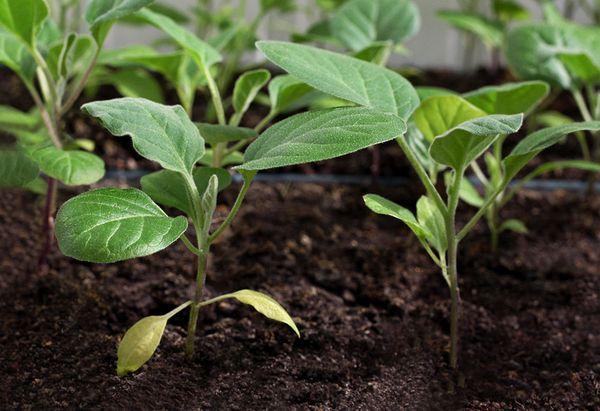
In southern climates, seeds can be sown directly into the soil. To speed up fruiting, it is recommended to grow seedlings first.
Timing
It's recommended to sow seeds in the second half of the last winter month or in early March. By the time frosts end and the soil has warmed sufficiently, the eggplant seedlings will be ready for planting.
Preparing soil and containers
Sow seeds in boxes, plastic cups, peat pots, polyethylene sheets, or other suitable containers. Containers with a capacity of up to 550 ml are recommended.
The soil should be loose and nutritious. A mixture of two parts black soil, one part sand, and one part peat is recommended. If possible, plant in vermicompost. Water the soil and allow it to settle before sowing.
Seed preparation
Before planting, seed material must be checked, since germination and yield depend on the quality of the seeds.

Quality control
Seed preparation is an important step. If the packaging indicates that the seed has been treated, no further processing is required. If this information is missing, the seed should be checked for full weight. To do this:
- pour water over the seeds for a quarter of an hour;
- remove any grains that float to the surface.
Sterilization
After selection, treat the seed material with a manganese solution to disinfect it. To do this, soak the seeds in the prepared solution for 30-40 minutes.
Growth stimulator
Next, place the seeds on a damp cloth and cover. Keep them indoors during the day and in a cool place at night. After a week, soak the seeds for 12 hours in a growth stimulator. We recommend using melted or rainwater.
Drying
After completing the above procedures, the seeds need to be dried by placing them on a flannel cloth for 12-14 hours.
Sowing scheme
Seeds are sown at a depth of 1.5 to 2 cm. It is necessary to maintain a distance of 5 cm between seeds.
Care
To ensure successful germination and high-quality seedlings, it is necessary to follow simple but important growing conditions for the Bibo eggplant.
Temperature conditions
To speed up germination, it is necessary to ensure a stable temperature of at least 22 OC. The seedlings will appear in 10 days. If the temperature is lower, up to 15 OC, seedlings will appear in four weeks.
Once the seeds have sprouted, it is recommended to maintain a stable temperature of around 18 OWITH.
Daylight hours
February and March have short daylight hours, so seedlings require additional artificial lighting. The Bibo eggplant is a sun-loving plant.

Hardening
Seven to ten days before planting eggplants in permanent beds, the seedlings need to be hardened off. It is recommended to take the containers outdoors for three hours daily.
Irrigation
Watering is done carefully, under the root, with warm water (22-24 OC) and it is necessary to water the seedlings with the same water once a week.
Top dressing
Eggplant sprouts are fertilized with a complex fertilizer 2-3 times. When the first leaves appear, eggplants require nitrogen and potassium. It is recommended to apply nitrogen, potassium, and phosphorus 7-10 days before transplanting.
Picking
Once one or two leaves have formed, the seedlings will need to be transplanted into individual pots, preferably peat pots. This should be done with the soil intact.
Planting seedlings in open ground
It's important to water the bed generously, with the soil prepared in advance. In the fall, add organic matter (rotted manure or compost).
Optimal timing
Planting times depend on the growing region. Planting occurs when there is no threat of night frost, typically between the end of April and the beginning of June. Each plant should have five (or six) full leaves.

If necessary, cover the area with plastic film on special arches. Remove the film in mid-June, when warm weather stabilizes. However, even during the summer, monitor the temperature.
Site selection and crop rotation
Eggplants shouldn't be planted in the same spot every season. They shouldn't be grown after nightshade crops like tomatoes, zucchini, and potatoes. Recommended predecessors include greens (dill, lettuce, cilantro), melons, carrots, and legumes.
Eggplant is a sun-loving plant. Insufficient light affects yield, fruit appearance, and taste.
Planting pattern and depth
Eggplant bushes require space. Planting too close together reduces yield. Therefore, it's recommended to maintain a distance of 60-70 cm between rows and 30-40 cm between eggplant bushes.
To plant, dig holes up to 15 cm deep and fill with warm water. If desired, use a mullein solution (0.5 liters of mullein infusion per 10 liters of liquid). Plant in moist soil and mulch with chopped straw.
Planting takes place in cloudy weather. For the first 2-3 days, provide shelter from direct sunlight.
In cooler regions, planting is done in hotbeds and greenhouses. Older seedlings with 6-7 leaf blades are used than for open beds. The planting pattern is similar. The required temperature range is: daytime - 26 OC, during rain - 24 OC, at night - 22 OWITH.
Care
This variety doesn't require any special care. It only requires timely irrigation, watering, weeding, and feeding. There is no need to tie up or pinch the bushes.
Watering and soil care
The soil should be kept moist. Watering is recommended every 5-7 days. Prevent surface crusting. After watering, it is recommended to cover the soil with mulch. Peat, chopped straw, or humus are good options.
Top dressing
Eggplants should be fertilized at least three times during the season. It is recommended to combine this with watering:
- The initial feeding is administered 14-16 days after planting. A nitrophoska solution is used (55 g per 10 liters of liquid; one liter of solution is used per eggplant plant).
- Next, you need to feed the plant before flowering. This is the time when the plant has a strong need for micronutrients. Kristalon, Kemira, or phosphorus-potassium fertilizers are recommended. Herbal infusions and complex fertilizers are also widely used.
- The third feeding is done after the fruit sets or after the first harvest. It should then be repeated after 14 days. Nitrophoska, a mixture of phosphorus and potassium fertilizers, is used.
When growing in greenhouses, abundant nutrition with minerals and organic matter is necessary.


Spraying against pests and diseases
This plant species is disease-resistant, but its foliage is favored by Colorado potato beetles. These pests are collected by hand and destroyed. In case of severe infestation, insecticides such as "Komandor," "Tanrek," and "Buldok" are recommended.
One secret to preventing beetle infestations is planting calendula, marigolds, and basil around eggplant beds. These plants have a distinctive scent that repels beetles.
Some gardeners plant eggplants in plastic bottles. The beetle can't climb the bottle's slippery surface, and the plant remains undamaged.
Bush formation
Bibo is characterized by small, neat bushes. There's no need for staking; the bushes hold up well on their own, and pruning is unnecessary. Only remove any yellowed leaves.
Possible difficulties
During the growing process, you may encounter the following problems:
- The seedlings aren't growing. If the saplings were transplanted, the root system may have been damaged. They need to be watered with a growth stimulant.
- The seedlings are wilting. This can happen for several reasons: overwatering, temperature fluctuations, insufficient air for the roots, hypothermia, or disease.
- The lower leaves are turning yellow. This indicates a lack of nutrients in the soil.
- White spots appear on the leaves. Check for pests. This could also be lamp burn from supplemental lighting.
Harvesting and storage
The vegetable is harvested in August-September. The fruits are ripe, medium-sized, and have a distinctive color. These fruits have small seeds and a delicate flesh. If the fruits are left on the vine for too long, they will become bitter and tough, and the seeds will become coarse.
Harvesting is done regularly, every 10-12 days. The stem is not torn off; it must be carefully cut off with pruning shears, leaving 4 cm from the base of the stem.

Secrets of vegetable growers
Some vegetable growers have developed simple, but sometimes important secrets to successful cultivation during the growing process:
- watering should be carried out on the 5th day after planting;
- water the roots with warm water;
- Top dressing with an infusion of mullein or bird droppings is done in small doses to prevent the plant from starting to grow foliage.
Reviews
Alina Fedorovna, Ufa: "This is a simply amazing variety; for me, it's a top pick. While others are waiting for their harvest, we're in full swing harvesting and tasting."
Mikhail Petrovich, St. Petersburg: "I've been planting this variety for several seasons now. Compared to other eggplants, it's a favorite. It has many advantages. The only thing I was initially concerned about was the color."
Maria Alexandrovna, Moscow: "This eggplant variety is simply exceptional for baking, frying, and grilling. The flesh is tender, has a smooth, dense texture, and is not at all bitter."
Related posts:
 The best eggplant varieties for growing in a polycarbonate greenhouse: planting and care
 Characteristics and description of the Almaz eggplant variety, cultivation and care
 80 Best Eggplant Varieties for Different Regions with Descriptions and Characteristics
 Planting, growing, and caring for eggplant seedlings at home
 Description and characteristics of the Ilya Muromets eggplant variety, cultivation and care
 Is it possible to soak treated cucumber seeds before planting and how to do it correctly?
 How to grow eggplants outdoors and properly care for the plant
 How to properly plant peas in a greenhouse and open ground