
- History of variety selection
- Description
- Characteristic
- Productivity and fruiting
- Scope of application
- Disease resistance
- Advantages and disadvantages
- Planting and care features
- Planting time
- Soil preparation
- Preparation of seed material
- Selecting seeds
- Calibration
- Disinfection
- Stimulation
- Planting seedlings
- Caring for sprouts
- Hardening
- Preparing the garden bed
- Landing
- Features of cultivation
- In open ground
- In greenhouses
- Depending on the climate
- Tips and recommendations
- Sowing with boiling water
- Picking seedlings from a common pot
- Eggplants and peppers
- Method of transshipment
- Colorado potato beetle: how to fight it
- Fertilizer
- In which regions to grow
- Reviews
The Almaz eggplant variety is popular with amateur gardeners and vegetable growers across Russia. These plants are easy to grow and produce consistent yields compared to other varieties and hybrids. Seeds are affordable. Seedlings thrive in greenhouses, open ground, and under greenhouse protection. The fruit's aromatic, bitter-free flesh has excellent flavor. These vegetables are used throughout the summer, fall, and for winter preserves.
History of variety selection
The Almaz variety was developed at the Donetsk breeding station in the 1980s. Currently, all rights are held by Intersemya and N.M. Nasrullaev.
Description
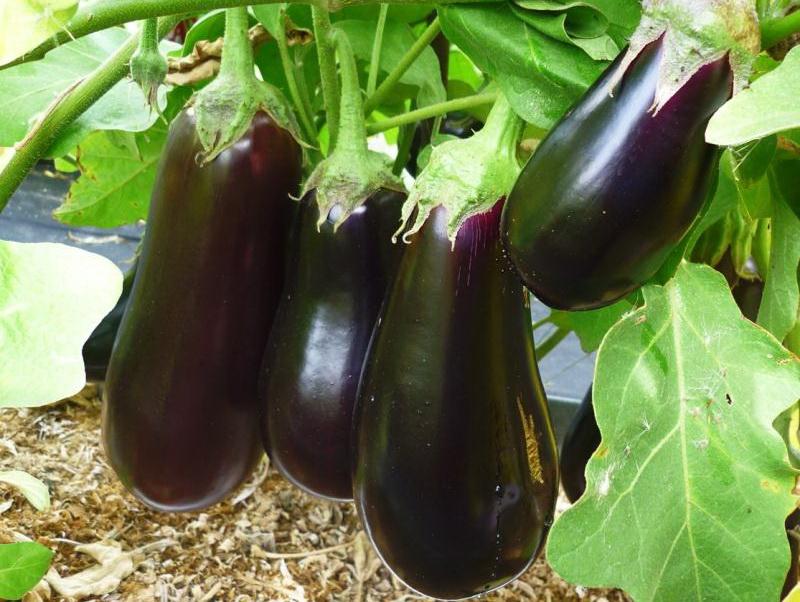
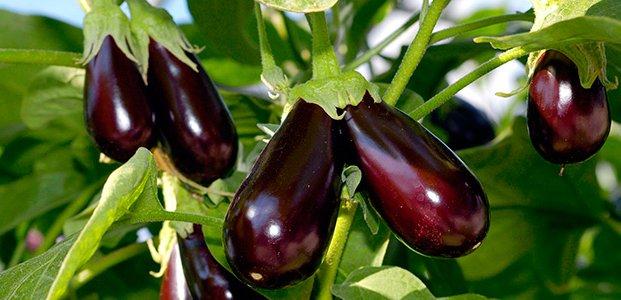
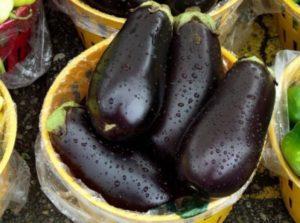
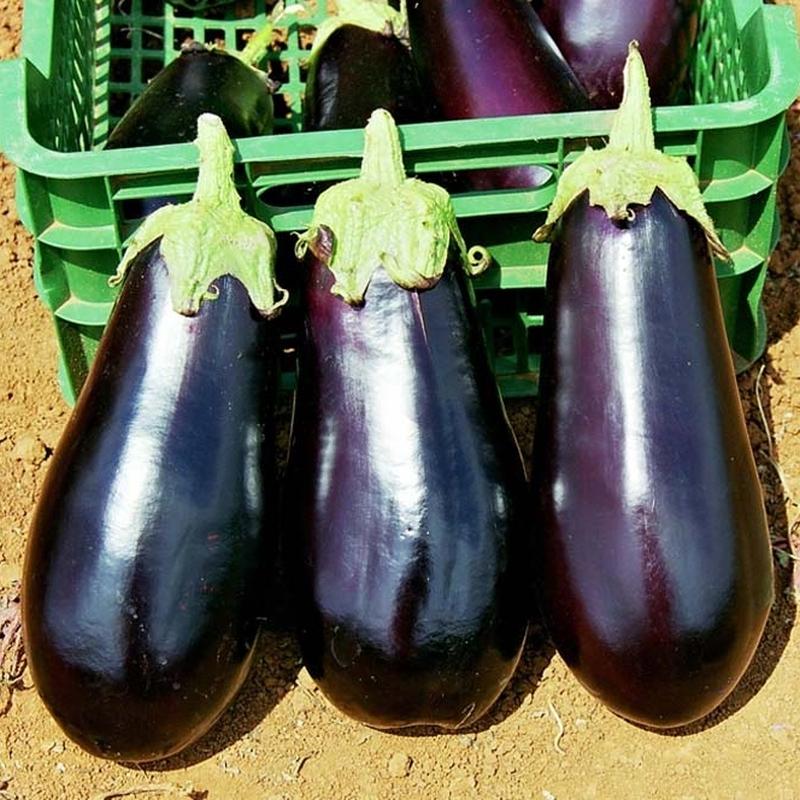
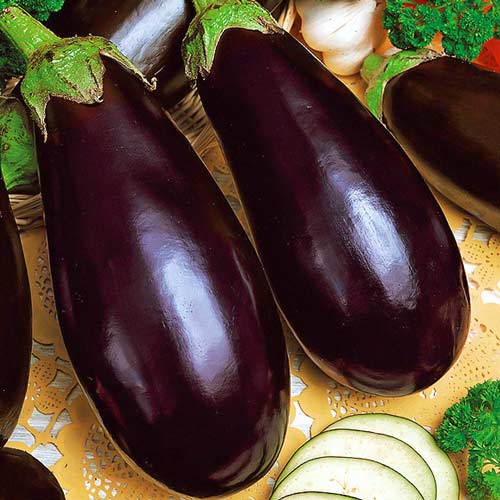
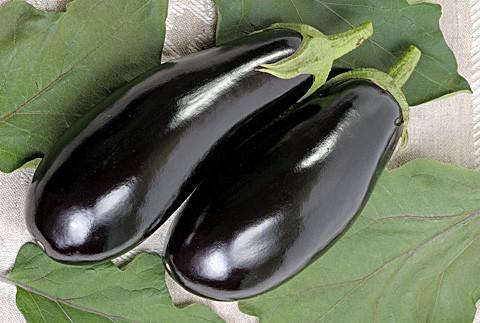
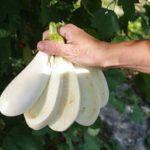
Almaz eggplants grow to 45-60 centimeters. The fruits are purple in color. The skin is firm. The flesh is white and green, without bitterness, and contains numerous seeds.
Characteristic
The Almaz eggplant is demanding in terms of temperature and tolerates drought well. At low temperatures, it sheds its flowers, ovaries, and leaves. Extended periods above 30 degrees Celsius (86 degrees Fahrenheit) slow growth. The optimal daylight duration is 14 hours.
Productivity and fruiting
The maturity phase of the Almaz eggplant occurs 3-3.5 months after sowing (mid-season variety).
Characteristics of Almaz fruits (average values):
- weight – 130 grams;
- length – 16 centimeters;
- diameter – 5 centimeters.
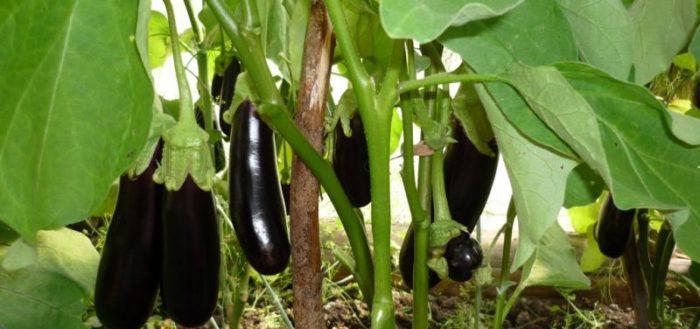
One Almaz eggplant bush can produce between 0.5 and 1.5 kilograms of vegetables.
Scope of application
The taste of the Almaz eggplant allows it to be used for preparing hot dishes, snacks, canning, and fermenting for the winter.
Disease resistance
Eggplants Almaz are slightly susceptible to tomato and pepper mosaic viruses, phytoplasma (stolbur).
Advantages and disadvantages
The positive qualities of the Almaz variety are:
- type of fruit;
- absence of bitterness;
- virus resistance;
- formation of a powerful bush;
- transportability;
- stable fruiting;
- absence of thorns on the stalk.
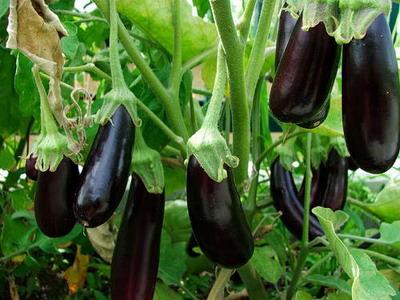
The main drawback of the Almaz eggplant is that it produces fruit at the base of the plant. Ripe fruits rot when they touch the ground.
Planting and care features
The long growing season of this heat-loving plant requires planting Almaz in a permanent location as seedlings. To obtain strong, green eggplant seedlings, proper agricultural practices are essential.
Planting time
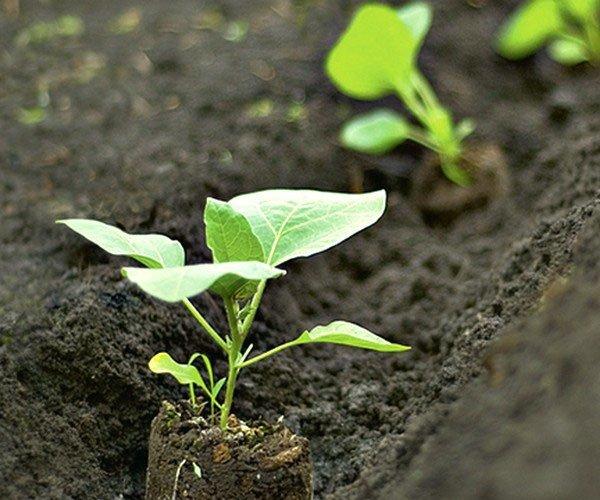
The sowing time for Almaz eggplants depends on local climate conditions. Sprouts appear in 7-10 days. The age of ready seedlings ranges from 60 to 70 days. The eggplant planting time is determined by counting backwards from the date and month with favorable weather conditions.
Three points are taken into account:
- the period of early frosts;
- indoor cultivation;
- open ground.
The earlier the cold weather arrives, the older the Almaz seedlings should be: the period from sowing the seeds to transplanting the seedlings increases by this amount of time. For open ground, Almaz seeds should be planted two weeks earlier than for greenhouse conditions.
Soil preparation
Store-bought soil mixes don't require further processing. For example, Fasco soil mix contains disinfected components such as peat, vermicompost, dolomite flour, and mineral fertilizers. A soil with a similar composition should be prepared independently.
The ratio of garden/forest soil, peat/fine sawdust, and humus should be 1:1:1. Add 10 grams of wood ash per kilogram of potting soil. Heat the resulting mixture to 100 degrees Celsius.
Heating can be achieved:
- in the oven;
- microwave;
- pouring boiling water;
- by keeping it in a water bath.
The prepared soil should be used after 7-10 days, after the soil microflora has been restored.

Preparation of seed material
The future harvest of Almaz depends on the quality of eggplant seeds and their pre-planting treatment. Disease resistance and development speed are established at this stage.
Selecting seeds
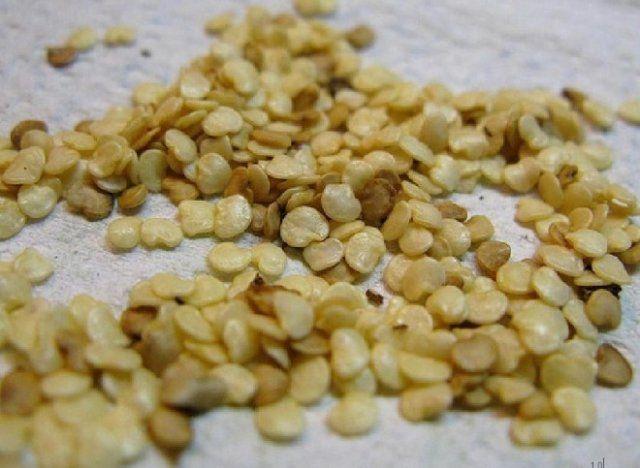
Seeds can be purchased at specialty stores or prepared at home. The Almaz eggplant is a cultivar whose seeds are suitable for harvesting. The seeds are extracted from the biologically ripe, brown fruit. They are rinsed in salted water, dried, and stored until planting.
Store-bought Almaz seeds can be coated with or without a fungicide-mineral film. Coated seeds require no further handling.
Calibration
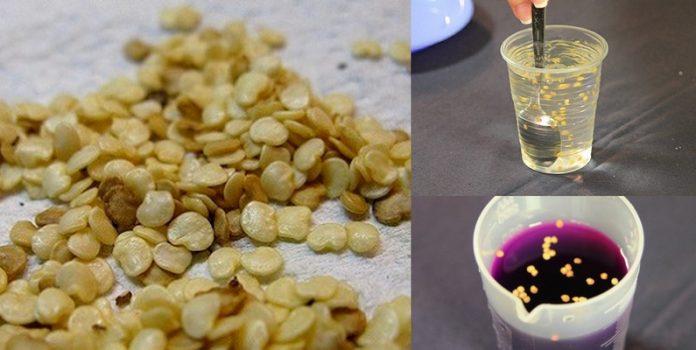
Sorting by density helps remove unripe eggplant seeds. Dissolve 3-5 grams of salt in 100 milliliters of water. Add the seeds and stir. Let stand for 20 minutes. Remove any empty seeds from the surface. Rinse any remaining seeds in cold water and dry.
Disinfection
Disinfection is necessary to destroy bacterial and viral infections on the seed coats of the Diamond.
Several methods of etching are used:
- 5-minute soak in hot water at a temperature of 50 degrees;
- 25-minute soak in a manganese solution at a rate of 1 gram per 1 liter of water;
- 15-minute disinfection in a hydrogen peroxide solution (2 milliliters per 100 milliliters of water).
The seeds are washed and dried.
Stimulation
To improve germination, it is recommended to carry out a 3-stage stimulation of Almaz seeds:
- top dressing;
- vernalization;
- soak.
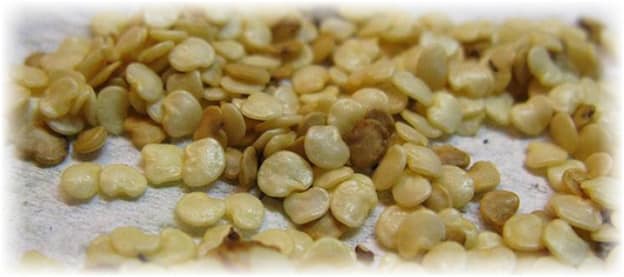
The first stage involves soaking the seeds for 24 hours in a solution of ammonium phosphate and wood ash (1 teaspoon per 1 liter of water). Agricultural companies produce effective seed growth stimulants. During the second stage, the seeds are placed on cheesecloth and placed in the lower section of the refrigerator for two days at a temperature of 6-7 degrees Celsius. Brief exposure to low, positive temperatures stimulates the seeds to develop more rapidly.
Vernalized seeds are placed on a flat plate between moistened layers of cotton wool at a temperature of 25-27 degrees Celsius until they swell. Avoid drying out or over-wetting. To maintain the greenhouse effect, cover the seeds with plastic wrap, leaving a hole for ventilation.
Planting seedlings
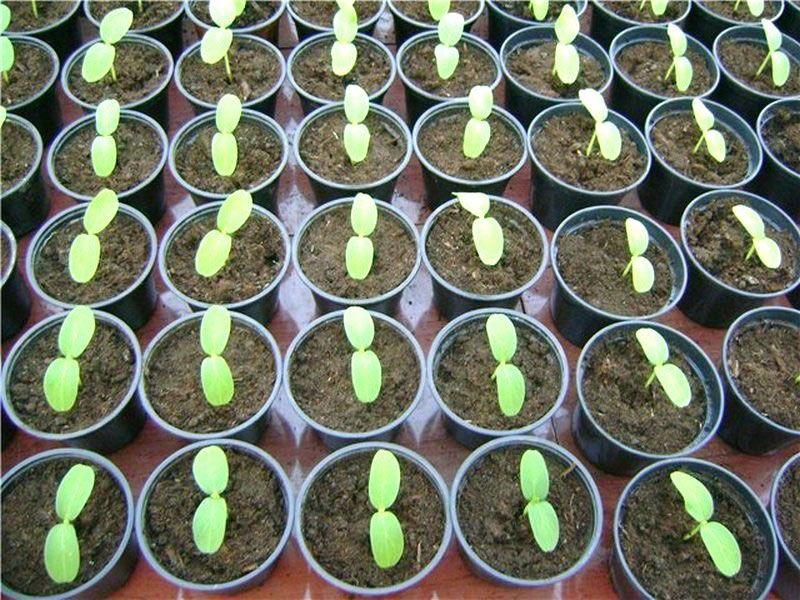
Sprouted Almaz seeds are planted one at a time in individual pots or cups, at a depth of up to 2 centimeters. Dry, treated seeds are sown in a single plastic container. Pots and containers should be 2/3 full with prepared, loose soil and have drainage holes.
After planting, water the soil with warm water to moisten and compact it. Cover the seed containers with plastic wrap and place them in a warm, bright location. Keep the soil moist, preventing crusting.
Caring for sprouts
Cups containing Almaz sprouts should be kept in a well-lit area with a daytime temperature of 20-25°C and a nighttime temperature of at least 15°C. Daylight hours should be maintained for 12 to 14 hours with an illumination level of at least 12,000 lux. A lux meter can be used to determine the need for phytolamps.
Failure to observe these conditions will result in the stem becoming elongated and thinning. Lower temperatures, coupled with sufficient light, will allow the root system to develop, slowing the growth of the above-ground portion. When the second true leaf appears, the plants are pricked out. In southern Russia, Almaz eggplants can be sown directly into the ground, without pinching, but with thinning of weak plants.

 The purpose of pricking out the eggplant during transplantation is to further develop its fibrous root system. The pots or containers containing the sprouts are watered. The root ball is removed from the container. The root end is pinched back by 0.5 centimeters. The sprout is placed in a new container and covered with soil on all sides. Water is added to moisten and compact the seedlings.
A week after transplanting, it is necessary to raise the day and night temperatures to stimulate the development of the stem and leaves.
Hardening
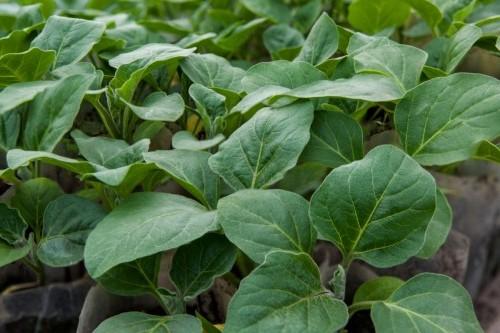
When the seedlings develop 6-7 leaves, they are ready for planting in the ground. Acclimate the plants to direct sunlight and fresh air. Eggplants should be placed outside on warm, windless, sunny days. The initial exposure should be no more than 20 minutes. Over the next 7-10 days, under favorable conditions, this exposure can be extended to 5-7 hours.
Preparing the garden bed
The soil in the greenhouse and garden bed is prepared in the fall: it is dug over and a complex fertilizer or rotted manure with wood ash is added. Acidic soils require liming. In the spring, fertilizer is applied two weeks before planting. A bucket of compost and two cups of ash are added per square meter of the bed.
Landing
The soil should warm up to 14 degrees Celsius by planting time. Otherwise, the plant will not establish well and may die. Eggplants should be transplanted outdoors on cloudy days or at sunset. The planting pattern is 60 x 40 centimeters between rows, with 6-8 plants per square meter.
This vegetable doesn't like shade. Rows in a greenhouse should be staggered. In open ground, single-row planting is best. Almaz eggplants thrive in greenhouses next to tomatoes and peppers, but are incompatible with cucumbers, which require high humidity and frequent watering. Low-growing plants should be planted on the south side to avoid shading the northern half.

Landing rules:
- the depth of the hole should correspond to the size of the container with seedlings;
- settled, warm water for irrigation;
- the soil is protected from drying out.
The day before transplanting, water the eggplants generously to form a root ball, which will protect the roots when removed from the container. Fill the prepared holes with water. If the pot or cup has firm walls, press it down and pull out the seedling with the root ball. Place the seedling in the prepared hole. Cover the plant with dry soil, press it down, water, and mulch with mown, dried grass.
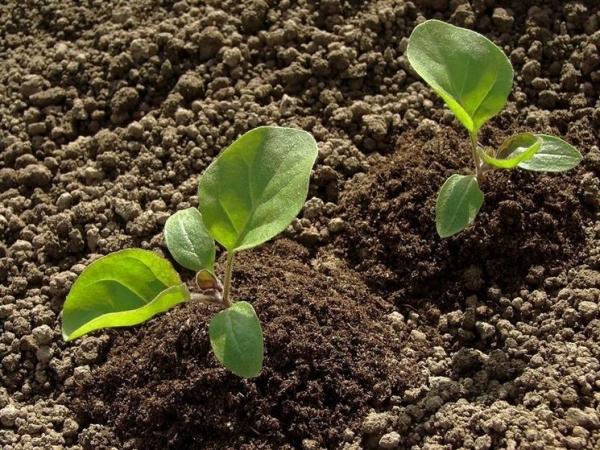
During the first few days, the eggplants are protected from overheating. The greenhouse and open ground are covered with opaque film, maintaining ventilation.
Features of cultivation
Caring for eggplants Mulching involves timely watering, loosening the soil, weeding, fertilizing, and pest control. When loosening the soil, it's important not to damage the plant's root system. Mulching eliminates labor-intensive tasks like weeding and loosening the soil.
Eggplants are fed root during flowering and the beginning of fruiting, and foliar feeding (to promote fruit set) is done during the Almaz flowering period. Regular inspection of the plants is essential to detect diseases and pests.
In open ground
In southern regions, pinching shoots and removing flowers is not required for the Almaz eggplant. In an open garden bed, plants require more frequent watering due to increased evaporation. Drooping leaves indicate insufficient soil moisture. One to two liters per plant is sufficient for proper irrigation. At the first sign of stolbur (phytoplasma) infection, affected plants should be destroyed.
In greenhouses
In conditions of short summer, fruiting of Almaz eggplant bushes is limited by pinching out the ovaries.
Problems encountered when growing in greenhouse conditions:
- waterlogging of soil and air;
- inaccessibility for pollinating insects;
- susceptibility to viral infection.

High humidity leads to reduced yields and fruit rot. Almaz eggplants are not self-pollinating. Bees and other pollinating insects must be allowed access to the greenhouse. Tobacco mosaic outbreaks are caused by humidity and drafts.
Depending on the climate
Growing methods for Almaz eggplants vary depending on the region's weather conditions. A greenhouse is necessary during a prolonged spring and early frosts. Open ground cultivation is possible during early spring and a dry, warm autumn. Spring and early summer, with the potential for temperatures below 15 degrees Celsius (59 degrees Fahrenheit), require a greenhouse cover.
Tips and recommendations
Practical experience in growing Almaz eggplants will help novice gardeners avoid mistakes and reduce the labor intensity of care.
Sowing with boiling water
Using hot water stimulates germination of Almaz seeds without prior disinfection or soaking. The seed is dry. A container with soil is sown with seeds and poured with boiling water. The container is tightly covered with plastic wrap and placed in a warm place until germination occurs.
Picking seedlings from a common pot
The Almaz eggplant sprouts, which sprouted in one container, are pricked out and planted using a fork. The soil is thoroughly moistened. The fork's tines grasp the root ball without damaging it. The root end is broken off. The sprout is placed in the cup, covered with soil, pressed down, and watered.
Eggplants and peppers
The Almaz eggplant tolerates being planted next to peppers in a greenhouse and in open ground well, as they have similar care requirements.
Method of transshipment
Transplanting eggplants carries the risk of damaging the roots. To prevent this, water the eggplants thoroughly and let them sit for 24 hours. A ball will form around the roots, which is essential for protecting the root system. Lightly tapping the edges and bottom of the container will help loosen the ball and remove the eggplant plant.
Colorado potato beetle: how to fight it
Almaz eggplants, like all members of the nightshade family, are susceptible to pests. Pesticides should be avoided during flowering and fruit set. Manual collection and destruction of beetles and larvae from plants is the only option. A single application of insecticide is possible before flowering.
Fertilizer
To support plant growth after transplanting, apply a complex fertilizer, such as Fertika Lux universal. The first application is 14 days after transplanting, followed by two-week intervals. The application rate is determined according to the instructions.
During flowering, Almaz eggplants require phosphorus and nitrogen. These nutrients are found in mineral fertilizers (superphosphate, urea), mullein, and poultry manure. Organic matter is pre-fermented for 10 days and diluted 1:10/20. During the fruiting phase, nitrogen is no longer needed. In addition to phosphorus, plants require potassium, which is found in potassium chloride and ash.
In which regions to grow
The variety is zoned for cultivation in the Central Volga region, the Middle and Southern Urals, the south of Western Siberia and the Far East.
Reviews
This mid-season variety, according to experienced gardeners, does not require any special growing conditions and is comparable in this regard to tomatoes and peppers.
Related posts:
 80 Best Eggplant Varieties for Different Regions with Descriptions and Characteristics
 The best eggplant varieties for growing in a polycarbonate greenhouse: planting and care
 Description and characteristics of the Bibo eggplant variety, cultivation and care
 How to quickly prepare pickled eggplant in jars for the winter, the most delicious recipes and storage conditions for the preparations
 Planting, growing, and caring for eggplant seedlings at home
 Causes and treatment of eggplant pests and diseases, how to combat them at home
 How to grow eggplants outdoors and properly care for the plant
 Description and characteristics of the Ilya Muromets eggplant variety, cultivation and care