
- Who eats cucumber seedlings in a greenhouse and methods for pest control?
- Who eats seeds and young seedlings in the garden?
- Pests that eat the leaves and stems of seedlings: control methods
- Melon aphid
- California thrips
- Spider mite
- Greenhouse whitefly
- Pests that damage and gnaw the roots of seedlings: methods for treating infested bushes
- Wireworm
- Root-knot nematode
- Cucumber midge
- Mole cricket
- Winter moth
- Slug
- Woodlice
- How to protect plants from pest infestations
- Folk remedies
- Store-bought medications
- Traps
- Agrotechnical methods in greenhouses and open ground
After planting cucumber seedlings in hotbeds and greenhouses You can often see something eating it. What pests threaten seedlings, where do they come from in a greenhouse, and how to combat them? To get a bountiful harvest, a gardener must find the answers to these questions and protect the seedlings from those who enjoy eating fresh greens.
Who eats cucumber seedlings in a greenhouse and methods for pest control?
The delicate greenery of seedlings has many enemies. Greenhouse owners have likely encountered situations where the leaves of seedlings planted in the evening are nibbled and the stems are chewed overnight. These pests must be exterminated, otherwise, there may be no harvest.
Methods of pest control are divided into mechanical, chemical, folk remedies and combined ones. In each specific case, it is necessary to use the methods that will be most effective in protecting plants from pests.
Who eats seeds and young seedlings in the garden?
Cucumber seeds, seedlings, and saplings are a tasty morsel for many pests. They can be damaged and destroyed by ants, woodlice, mole crickets, cutworms, sprout flies, and other enemies of gardeners. Some pests are specific to specific regions, while others are found everywhere.
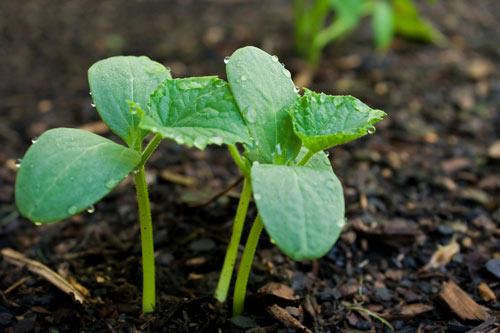
Pests that eat the leaves and stems of seedlings: control methods
Signs of pest infestation vary slightly. The nature of the damage can help determine the insect causing the damage and select a control method. It's important to consider whether the infestation is in its early stages or whether the pest colony has already proliferated. If the infestation is extensive, cucumbers will need to be treated with more potent pesticides.
Melon aphid
The insect is dangerous because it not only damages leaves but also transmits viral and bacterial diseases. Consequently, large numbers of plants can be damaged at once, leading to significant crop losses.
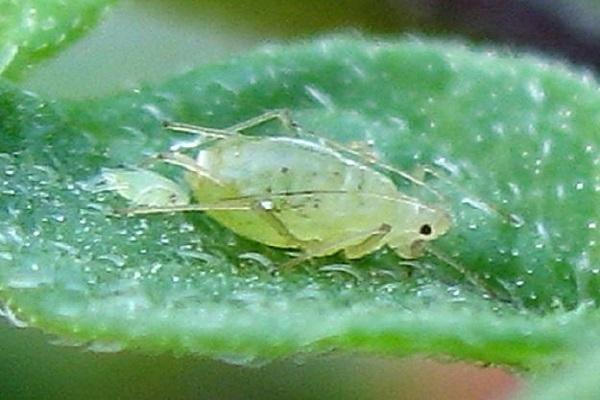
Aphids themselves are difficult to spot because they are small and live on the underside of leaves. Signs of pest activity are easily visible: the upper parts of young shoots, where colonies of insects settle and begin to chew on the leaves, turn yellow and curl. Aphids are controlled using mechanical, agricultural, and chemical methods.
California thrips
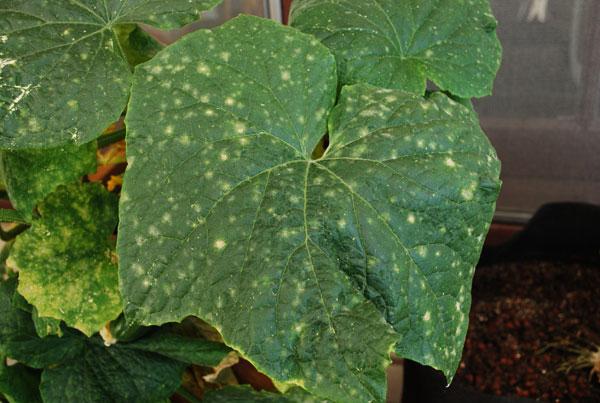
Thrips reveal themselves as small, light-colored spots on young leaves. Numerous circles, 1-2 mm in diameter, form where the insect pierces the leaf and sucks out its sap. Silvery streaks are visible on damaged leaves where air has entered.
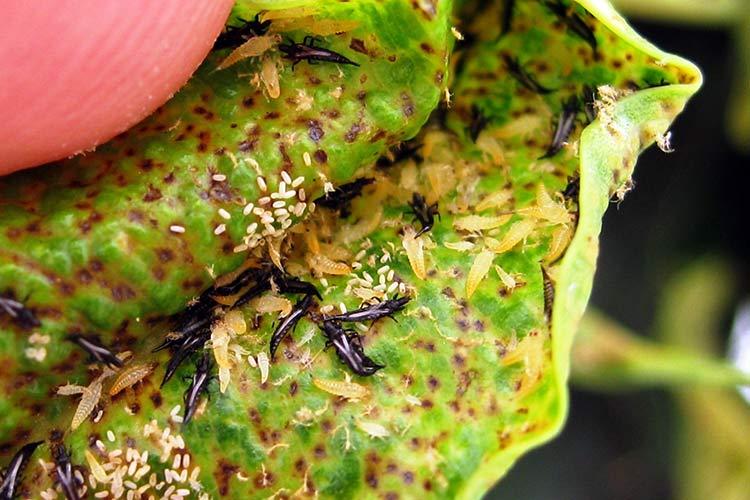
If the gnat population is small, a decoction of garlic, celandine, or other folk remedies may help. If the pest population increases, chemicals are used.
Spider mite
The pest can be detected by the following signs:
- the leaves turn yellow, light spots are visible on the lower part of the leaf blade;
- cobwebs on leaves;
- the plant slows down its growth.
To combat spider mites, increase the humidity in the greenhouse, which the pests cannot tolerate. Folk remedies include spraying with a soap solution. Flowering plants can be planted to attract ladybugs, the natural enemies of spider mites and aphids.
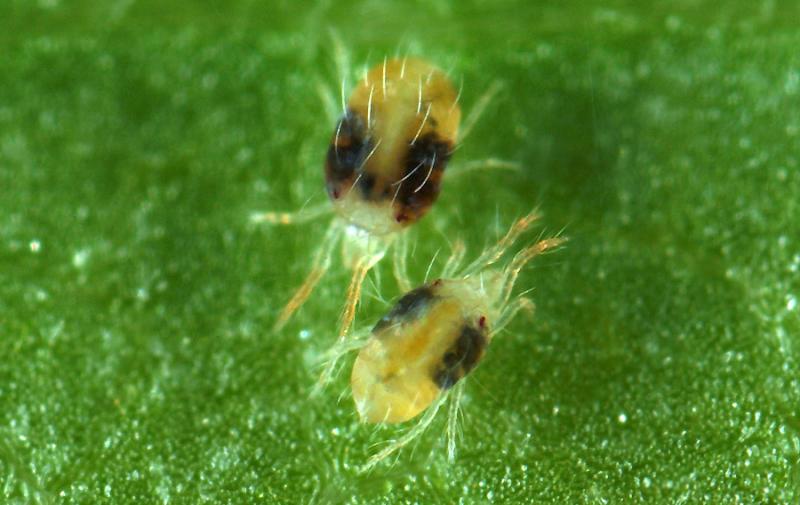
Acaricides are used as a guaranteed chemical to kill spider mites.
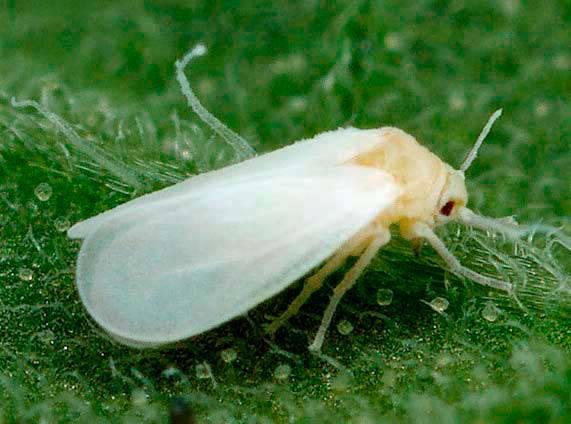
Greenhouse whitefly
Whiteflies are small, moth-like insects, pale yellow in color, with white wings. Severe infestations of cucumbers are characterized by blackening, curling, and drying of the leaves. As a preventative measure, remove weeds and cover windows and vents with gauze to prevent the flying insects from entering the greenhouse.
Pests that damage and gnaw the roots of seedlings: methods for treating infested bushes
Insects and their larvae often overwinter in the soil and begin to feed on plant roots in the spring. Therefore, it's important to dig up the entire topsoil to a depth of at least a shovel blade, disinfect it, and replace it periodically. It's also important to remove all organic debris, which also serves as a favorite hiding place and feeding ground for pests.
Wireworm
Wireworms are the larvae of the click beetle. The pest spends its first three years in the soil, eating roots and root vegetables, causing significant damage to cucumbers and other garden crops.

Wireworm control involves manual removal and deep digging of the soil, removing organic debris. Chemicals are used if the pest larvae are present in large numbers.
Root-knot nematode
It is a small worm, about one and a half millimeters long. It attacks the root system of cucumbers, causing reduced growth and fruiting. The worm can be detected by its galls—growths on the plant roots caused by the nematode's activity.
To combat the pest, replace a layer of soil at least 50 cm thick or treat the soil with steam.
Cucumber midge
The worm-like larvae, approximately 6 mm long, pose a particular threat to the plant. They penetrate the root system, riddling the cucumber stem with numerous tunnels, and burrowing pupation chambers into the cotyledon leaves.
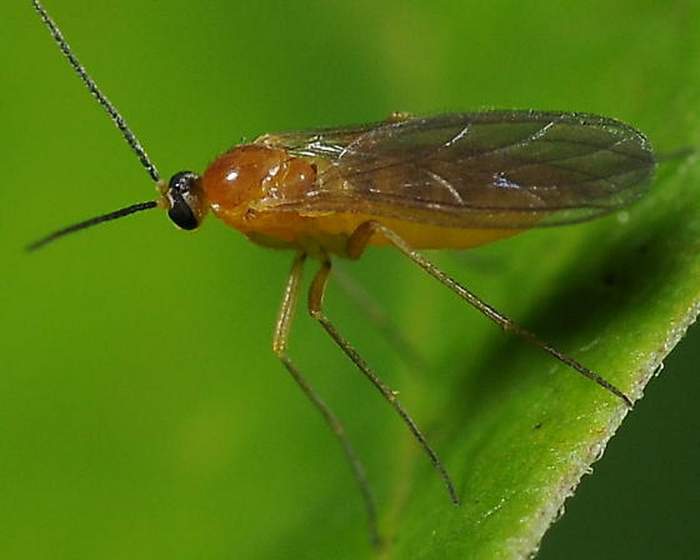
Mosquitoes are destroyed by spraying with chemicals and thermal disinfection of the soil.
Mole cricket
The insect is quite large, up to 5 centimeters long. It's dangerous to cucumbers both as a larva and as an adult. If prompt action isn't taken, the pest will rapidly multiply and infest the entire garden. Mole crickets are controlled using folk remedies and ready-made store-bought products.
Winter moth
The adult is a moth with a wingspan of 3 to 5 centimeters. The larvae (caterpillars) are destructive to cucumbers; they live in the soil and chew on the plant roots. They can be found by digging around damaged seedlings.
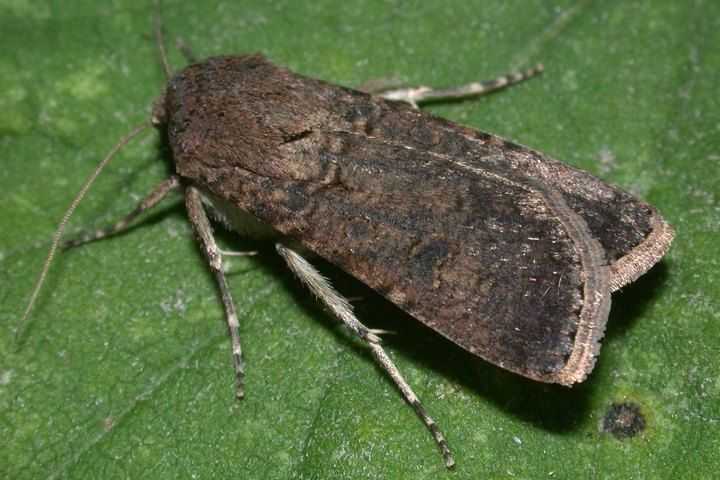
To combat cutworms, it's necessary to loosen and dig up the soil, and weed. Traps and chemicals are also used.
Slug
Slugs are dangerous because they not only cause mechanical damage but also transmit plant diseases. They prefer humid climates and weed-rich areas.
Pests are collected manually, trenches are dug in the area to make it difficult for them to move, and chemicals are also used.
Woodlice
As the pest's name suggests, it prefers areas with high humidity. Woodlice love rotting organic matter for shelter and food. They eat cucumber roots, plant leaves, and seeds after planting.
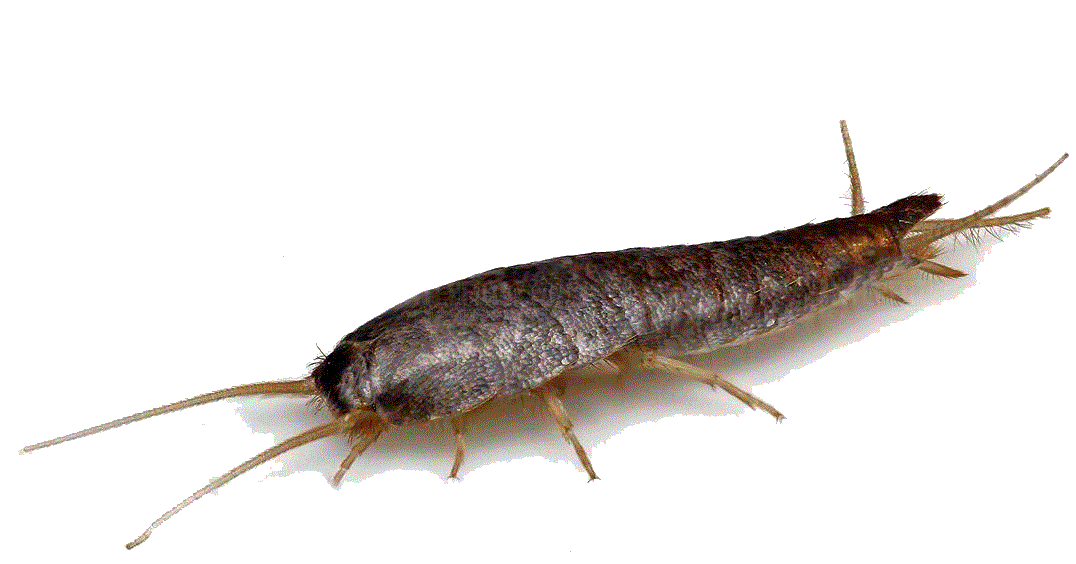
What can you do to prevent woodlice from appearing? Regularly ventilate the greenhouse, adjust the watering schedule, and weed the beds.
How to protect plants from pest infestations
To protect cucumbers, it's essential to ensure timely preventative treatments and regularly inspect plants and beds for pests or signs of them throughout the season. If any pests are detected, appropriate measures are taken immediately to save the crop.
Folk remedies
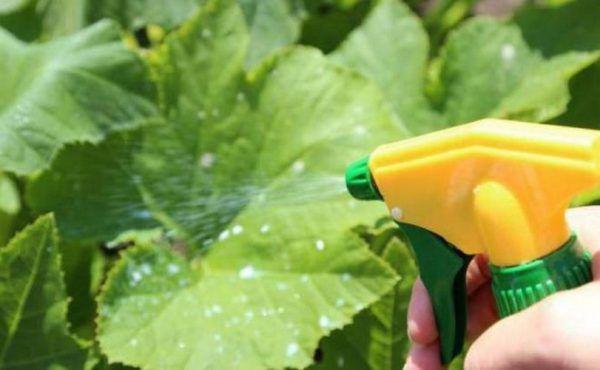
Many gardeners prefer to avoid chemicals. In the early stages of pest infestations, folk remedies are often sufficient. Some control methods are widely known, while others can be learned from experienced gardeners in neighboring plots who have encountered similar problems.
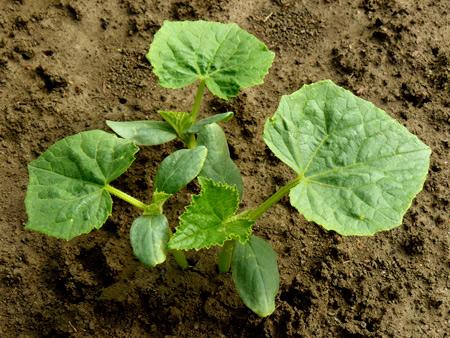
Below are examples of time-tested folk remedies for pest control of cucumbers:
- For general soil health, use nettle infusion.
- An infusion of 1 kilogram of hot pepper in 10 liters of water will help against thrips. Boil for an hour, let it steep for 24 hours, and then bottle. Before spraying, add 40 grams of laundry soap. Infusions of tobacco, garlic, or celandine are also used.
- To combat the mole cricket, pour water with black pepper and vinegar into the pest's burrows, and place branches or boards soaked in kerosene around the beds.
- Onion solution and pepper infusion help against spider mites.
- To get rid of aphids, use an infusion of onion peels. Plants are also sprayed with a decoction of wormwood and yarrow, to which liquid or laundry soap is added. Mustard, mint, garlic, basil, and coriander are planted near cucumbers.
- To protect plants from slugs, sprinkle the perimeter of the bed with quicklime or a prickly mixture of sawdust, pine needles, broken shell rock, and nut shells.
- Ants dislike the smell of elderberry, mint, wormwood, cinnamon, garlic, onion, and mustard. To prevent insects from eating cucumber seedlings, place a mixture of black and red pepper in the seed holes. The insects will leave if you cover the anthill with millet or semolina.
- To protect against woodlice, plant beds are sprayed with solutions of kvass, boric acid, baking soda, tobacco, and ground red pepper. Salt is sprinkled on woodlice's favorite spots, such as rotten stumps. Salt is harmful to cultivated plants, so it should not be allowed to get into the beds.
Store-bought medications
If folk remedies are ineffective in controlling pests, chemical compounds purchased from specialized stores are used.Due to toxicity, it's important to use protective equipment and follow the instructions carefully. An incorrect dose will do more harm than good.
| Preparation | What pests does it help against? | Who is it ineffective against? | How to apply | Analogues |
| Karbofos | Broad-spectrum drug | Regular use causes addiction | The solution is prepared strictly according to the instructions due to its high toxicity and is used no later than one and a half months before harvest. | Preparations containing malathion |
| "Iskra Bio" ("Akarin") | Aphid, thrips, pliers
|
The harvest is clean 2 days after treatment | "Kleschevit"
Akarin |
|
| Iskra M | Destroys almost all insects
|
Slugs | 1 ml of the preparation is diluted in 1 liter of water.
A bucket of solution per 100 square meters. Spray no later than 3-4 weeks before harvesting. |
Iskra M is a liquid version of Karbofos. |
| "Spark Double Effect" | Whitefly,
thrips, aphid |
Slugs, mites, underground pests | One tablet of the preparation is dissolved in 10 liters of water. The liquid is filtered and applied to 100 square meters of plantings at dawn or before sunset. | Natural pyrethrins |
| Golden Spark | Aphid,
thrips, whiteflies, cucumber mosquito |
Available in the form of tablets, powder, ampoules, and liquid.
Cucumbers can be eaten 3 days after processing. |
"Commander"
Imidor, Biotlin, Tanrek, Zubr |
|
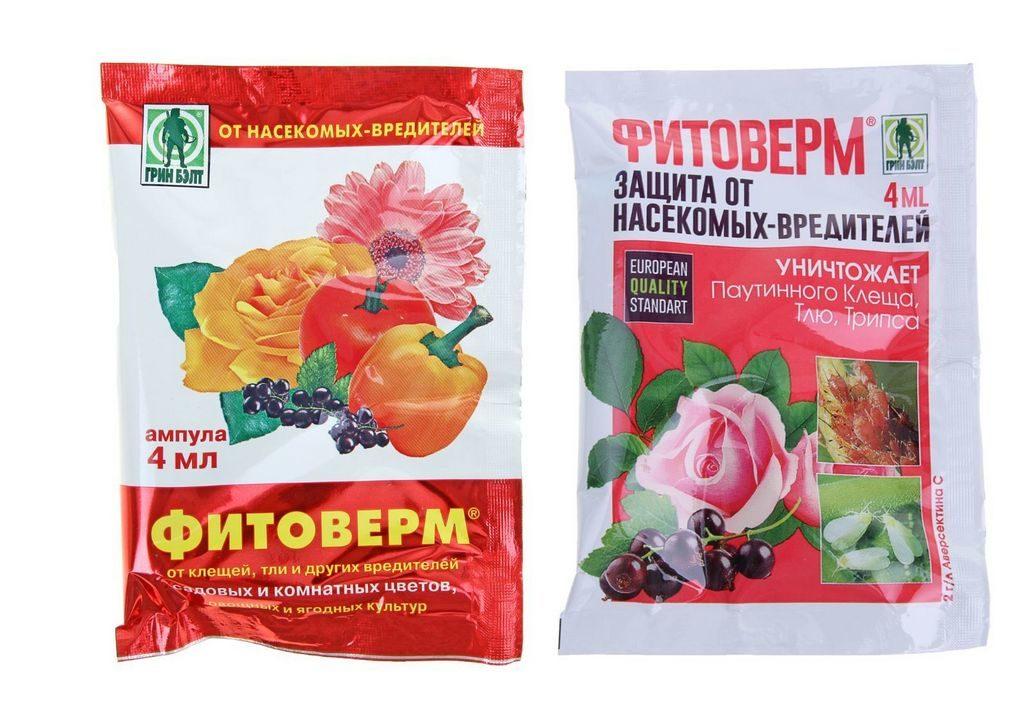
| Fitoverm | Ticks,
thrips, aphid, nematodes, scoop |
8-10 ml per 1 liter of water. Plants are sprayed twice during the growing season. | Aversectin-based drugs | |
| Inta-Vir | Thrips,
aphid, whitefly
|
1 tablet per 10 liters of water, spraying plants during the growing season | Alatar
"Arrivo", "Iskra", Shar Pei |
|
| Metaldehyde | Slugs | Granules are placed on the ground, under plants, in pest shelters | ||
| Diazinon
(as part of pesticides) |
Mole crickets,
ants, wireworms |
Apply according to the instructions of the specific pesticide. | ||
| BI-58
BI-58 new |
Sucking and gnawing parasites (mole crickets, ticks, aphids, thrips, etc.) | Due to the need to accurately maintain the dosage, it is necessary to follow the instructions | "Rogor"
Phosphamide, "Accent", "Dimetrine" other drugs based on dimethoate |
|
| Agravertin | Mite,
thrips, aphid, nematodes, scoop |
1 ampoule per half liter of water. Prepare the solution immediately before use. | Akarin |
Traps
Mechanical control methods can also be used:
- Manure spread on plywood or planks is an effective method of controlling mole crickets. These traps are set in the fall and spring, collected every two weeks, and burned. Another option for mole cricket traps is buried half-cut bottles filled with a mixture of water, pepper, and honey.
- To get rid of woodlice, leave a damp birch broom, raw potatoes, and apples with holes punched into them in the greenhouse overnight.
- To collect wireworms, traps with organic remains buried in the ground are used.
- Sticky traps are made to control thrips and whiteflies.
- Ants are collected in traps with syrup.
- Traps with fermenting drinks (compote, beer, kvass) will help against cutworms.
- Slugs crawl into beer traps.
Agrotechnical methods in greenhouses and open ground
Compliance with agricultural practices will reduce the risk of pests:
- Crop rotation rules must be observed. Cucumbers should not be planted in the same area every year. When choosing a planting site, consider the previous crops. If crop rotation in a greenhouse is not possible, special attention should be paid to soil replacement, cultivation, and disinfection.
- Regular weeding. Weeds are a favorite hiding place for pests. When weeding, remove organic matter immediately.
- Ventilation of greenhouses to maintain the required humidity level.
- Digging the soil after harvesting.
- Treating seeds before sowing will help boost plant immunity and protect them from pest-borne diseases.
- Liming the soil (against wireworms).
- Fertilizing cucumbers for nutrition. Weakened plants are more susceptible to pest attacks.
- Disinfection of the greenhouse, equipment, whitewashing of the greenhouse foundation.
To protect greenhouse seedlings from pests, it's essential to both take preventative measures and closely monitor for signs of pest activity on plants and soil. Timely action and appropriate control methods will ensure adequate plant protection and the safety of the harvest.
Related posts:
 Description of unusual methods for planting and growing cucumbers
 Why cucumber leaves are drying out and what to do, how to treat them in a greenhouse and in the ground
 Description of cucumber pests and their treatment, control measures and processing
 How to properly plant cucumber seedlings in a greenhouse and care instructions
 How to care for cucumbers in open ground from planting to harvesting
 Causes and treatment of eggplant pests and diseases, how to combat them at home
 Description of the best varieties of Chinese cucumbers, planting, growing and care
 Why do cucumber leaves curl inward and what to do about it?