
- Signs of cucumber damage
- Causes of Insect Infestation and Infestation
- What diseases cause stem damage: methods for combating the disease
- Root rot
- Gray rot
- Sclerotinia
- Anthracnose
- Downy mildew
- Powdery mildew
- Mosaic
- Cladosporiosis
- Pests that attack cucumber stems: ways to get rid of them
- Cucumber mosquito
- Aphid
- Flies
Vegetable growers periodically encounter various unpleasant phenomena while growing their crops. Cucumber stems dry out at the base, and gardeners are curious about why this happens and what can be done about it. Pests can contribute to the development of the disease.
Other factors also contribute to stem drying at the base and thinning. These include inadequate plant care and unfavorable weather conditions. A person must know the reasons that provoked this phenomenon in order to begin effective treatment.
Signs of cucumber damage
You can tell something is wrong with your cucumbers by their appearance. Gardeners notice that their cucumber stems have begun to dry out near the ground. Without proper treatment, they gradually become thinner.
When seeing these signs, the first thing that comes to mind is to increase watering. Drying may continue despite regular watering. Furthermore, it becomes noticeable that the cucumber stems have cracked.
Causes of Insect Infestation and Infestation
Hobbyist and professional gardeners should be aware of what contributes to insect infestations and crop infections:
- Improper plant care. It's at the top of the list for a reason. Failure to follow proper care makes the plant vulnerable to adverse environmental conditions.
- Selection of unwanted neighbors on a land plot.
- Growing varieties in unsuitable climatic conditions.
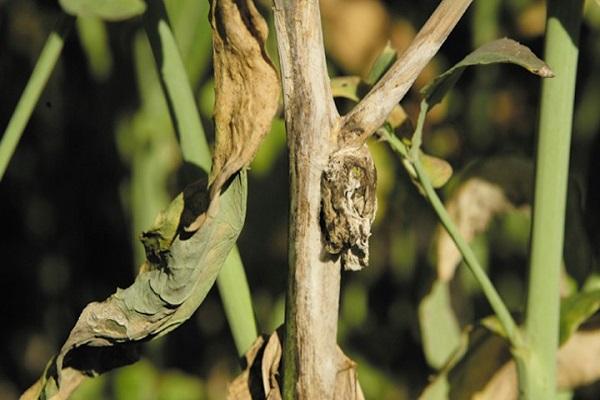
Failure to follow even one of these rules will result in the plant's appearance deteriorating and eventually dying. That's why it's so important to understand the causes of stem cracking at the base.
What diseases cause stem damage: methods for combating the disease
One of the main reasons for stem drying and cracking is the crop being affected by various diseases.
Root rot
Typically, this is the result of fungal and bacterial infection of cucumbers. Infection occurs when the plant is transplanted into soil infested with parasites. Fungi and bacteria can be present in seedlings collected from diseased crops. The following signs indicate the development of the disease:
- the tops of cucumber bushes become lighter, which is especially noticeable in hot weather;
- the root system becomes rotten and darkens;
- the growth and development of culture stops;
- the trunk that is above the ground dries out and becomes covered with cracks;
- the leaves are not directed upwards, they fall to the ground.
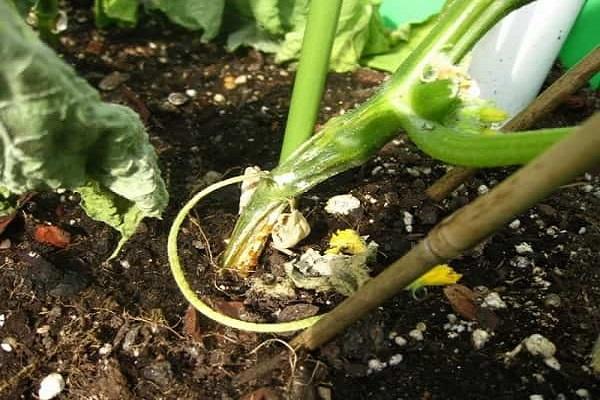
The fight against the disease begins with the use of a drug such as Fitosporin-M.
Gray rot
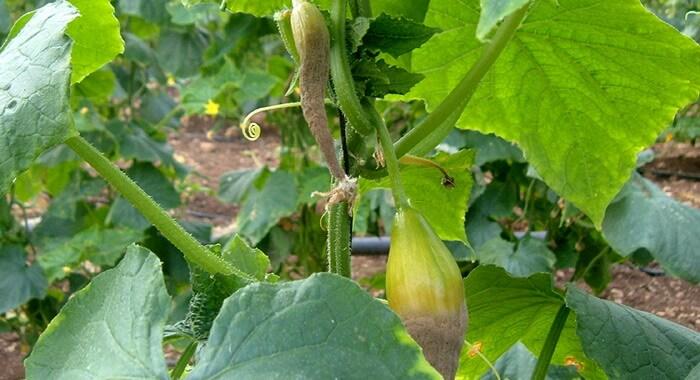
Vegetable growers who grow crops in protected ground encounter this disease. In the initial stages of the disease, stems, leaves, and even flowers become covered with water-soaked, brown spots. These spots, in turn, become coated with a grayish coating.
As gray mold progresses, stems and leaves dry out. Greenhouse cucumbers stop producing fruit and soon die completely. At the first sign of disease, the affected areas are treated with a fungicide. Products such as Bayleton and Rovral are acceptable. To increase the effectiveness of disease control, affected parts of the plant are cut off and burned.
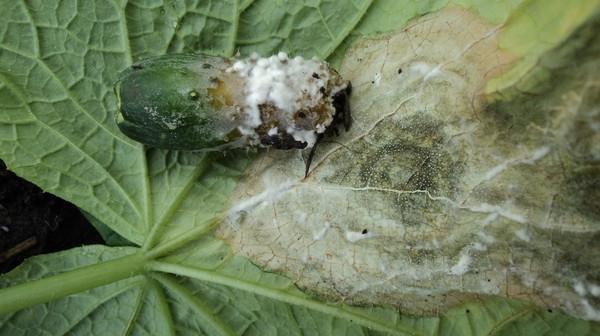
Sclerotinia
The development of a disease called sclerotinia indicates thinning of the bush. This pathology is characterized by complete destruction of all parts of the bush. The resulting white coating eventually turns into black spots.
If the ambient humidity level is high, the plant begins to rot.
At first glance, it might seem like overwatering is the cause, so gardeners stop. This is a big mistake. The cucumber doesn't receive moisture, causing the trunk to dry out. Delaying treatment is absolutely essential. The fight against the disease begins as soon as the white coating is noticed. Fitosporin-M can help combat sclerotinia.
Anthracnose
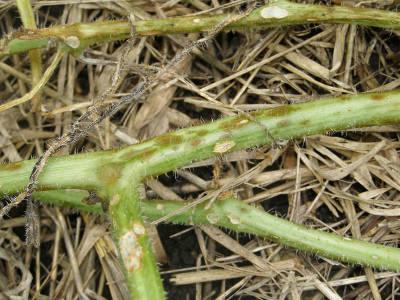
This disease is commonly known as copperhead. Infection occurs when working with soil contaminated by the pest. Favorable conditions for copperhead development include sudden temperature fluctuations and watering with cold water.
Infestations can be seen on the plant during the transition from one season to another—summer-fall or winter-spring. The climate change is accompanied by heavy dew and torrential rains. Along with the stem drying out, the fruits die. They shrivel, become bitter, and rot.
The condition is highly treatable if detected early. Medications such as Quadris are used for treatment. Sulfur-based substances and Bordeaux mixture are also helpful.
Downy mildew
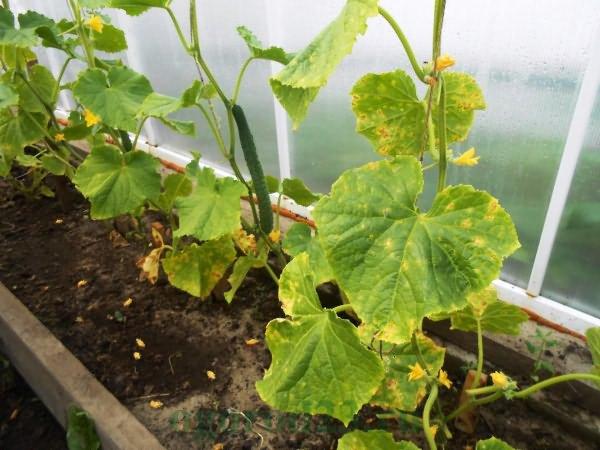
Downy mildew, or peronosporosis, is a disease that has become a common sight in vegetable gardens. Cucumbers are often affected by the disease. It is caused by fungi. The disease primarily destroys the foliage and tendrils of the plant. It spreads through the air.
As they develop, pathogenic organisms disrupt the photosynthesis processes that the crop requires during growth. The rapid progression of downy mildew leads to the death of plants in open ground and greenhouses within a week.
The first method of combating downy mildew is disease prevention. Peronosporosis is resistant to chemical sprays. Profit and Ridomil Gold are considered effective. Those who prefer traditional medicine recommend using a soap solution.
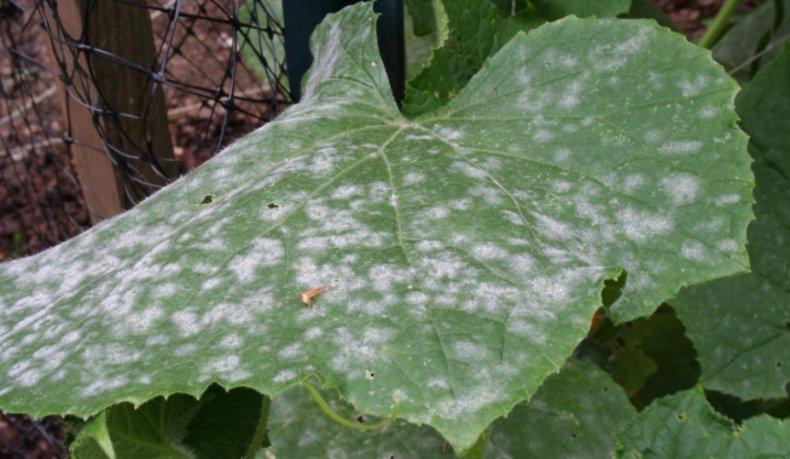
Powdery mildew
The disease is recognized by a gray coating interspersed with pink or orange hues. The main shoot dries out and turns white at the base due to the formation of damp spots on the root system. Powdery mildew also affects other vegetable crops in the area, which is especially noticeable in cloudy weather.
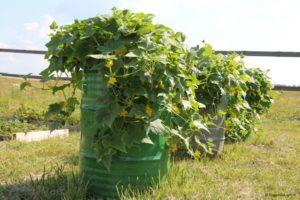
Unfortunately, the recommended treatments do not cure the disease. Plantings can be cured by removing the affected bush from the garden bed. If this is not done, the disease will spread to healthy bushes, and soon the entire crop will be destroyed.
Mosaic
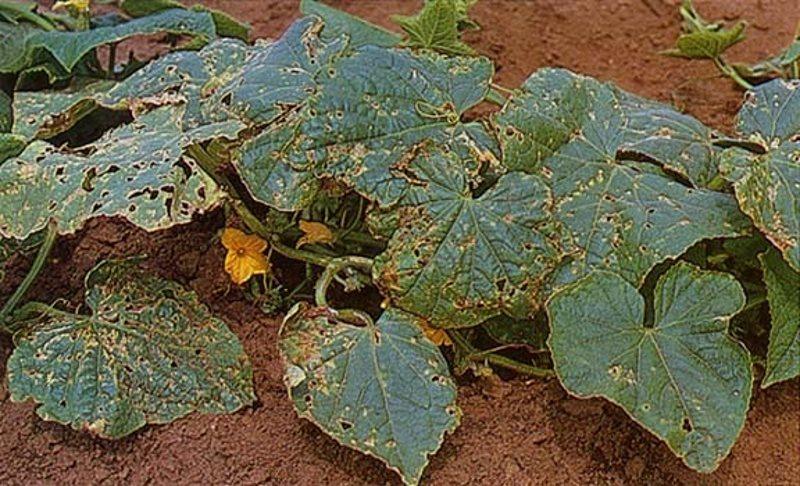
This viral disease is characterized by the appearance of pink spots on the green foliage. The color of the spots varies depending on the type of disease. As a result of cucumber mosaic, the leaves become wrinkled and variegated.
The appearance of multicolored spots in the center of the leaves disrupts important life processes. The cucumbers become covered with yellowish depressions, spoiling their appearance. This affects the commercial value of the cucumbers.
Early treatment can eliminate mosaic disease or reduce its growth. Failure to treat can result in crop failure. Plants are treated with Actellic or Aktara.
Cladosporiosis
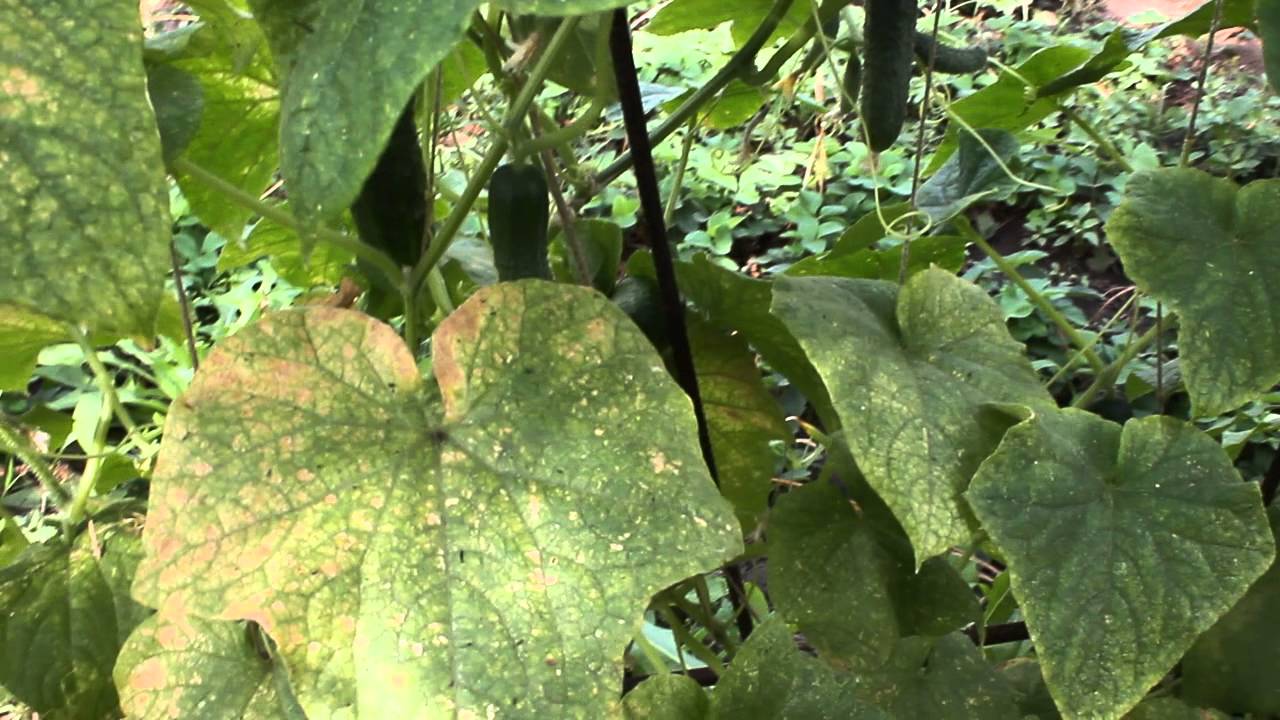
High humidity and frequent temperature fluctuations are favorable conditions for the development of Cladosporiosis. This condition is commonly known as olive spot. The plant becomes infected with fungal spores. Droplets cover the leaf surface, which harden over time.
Ovaries that don't have time to form cucumbers die. The skins of the fruits crack, the cucumbers curl up, and become unattractive. The stems dry out, and the plants themselves stop growing.
Olive spot treatment should begin immediately after the first signs are noticed. Copper oxychloride-based products are effective. These treatments should be repeated four times per season.
Pests that attack cucumber stems: ways to get rid of them
Even if cucumber beds are perfectly healthy and disease-free, gardeners face other challenges. The crop is often attacked by pests, which are eager to feed on the sap of the young plants.
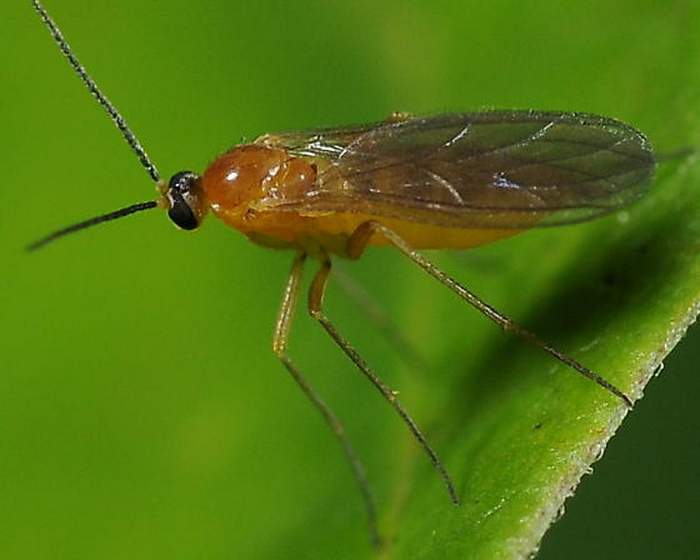
Cucumber mosquito
The pest appears on the crop as a result of disease. The cucumber midge poses a major threat to the stem and root system. Adults live on the crop, while the larvae live in manure or compost. The parasite is dangerous in any form. Stem desiccation occurs when the larvae penetrate the cucumber root. During their life cycle, the pests create numerous tunnels, which negatively impacts the growth of the main shoot.
When faced with this problem, gardeners wonder what to do. The first step is to avoid planting seedlings in infected soil. To do this, carefully select a plot, adhering to crop rotation guidelines.
If cucumber gnats have taken up residence on the crop, chemical treatments are used. A purchased solution is diluted in water and the solution is sprayed on the plants. After treatment, experts advise refraining from eating the cucumbers for several weeks.
Take a look Also

Aphid
The insect's body is a characteristic oval shape, 2 mm long. Initially, it is difficult to spot on green parts of the plant due to its greenish color. The pest resides on the underside of leaves. Aphids reproduce in the spring with the onset of warm weather. Several generations emerge over the course of the season, gnawing at leaves, flowers, and damaging the trunk.
Methods of aphid control:
- Tincture of onion peel or ash solution.
- Spraying the bushes with a soapy solution under pressure. Aphids can be washed off even with plain water.
- Treatment with preparations such as Fitoverm or Iskra.
- Remove affected shoots. Those remaining in the beds are treated with malathion or sulfur powder.
- Greens that emit a pungent aroma are planted around the cucumber bed: garlic, mint, coriander, mustard.
- Biological control involves attracting ladybugs to the area. These insects destroy the aphids.
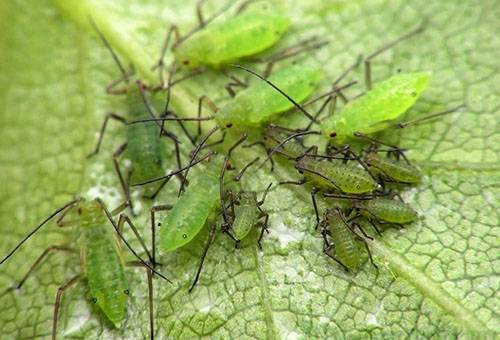
At first glance, this small insect doesn't seem all that dangerous. But if it reproduces, entire colonies can destroy crops. Following proper care guidelines will help reduce the incidence of aphid infestations on cucumber bushes.
Flies
The cucumber shoot fly is no more than 5 mm long. The parasite lays eggs in the soil, which hatch into large larvae ready to attack cucumbers. Once inside the cucumbers, they negatively impact the crop. Stem drying and other signs of damage are observed within 12 days. The larvae then pupate to produce a new generation of pests. Control of the cucumber shoot fly involves the following:
- For cucumbers grown in a greenhouse, only ready-made soil is used.
- Mandatory use of growth stimulants for seed material.
- After harvesting, plant residues are removed from the area.
- Planting seeds at a shallow depth after the germination procedure.
Stem drying can be caused not only by diseases but also by pest infestations. Symptoms of death often appear as a result of improper cucumber care. When growing vegetable crops, it's important to adhere to proper agricultural practices.
Related posts:
 Description of unusual methods for planting and growing cucumbers
 How to care for cucumbers in open ground from planting to harvesting
 Why cucumber leaves are drying out and what to do, how to treat them in a greenhouse and in the ground
 How to make a cucumber trellis with your own hands from scrap materials
 Description of the best varieties of Chinese cucumbers, planting, growing and care
 Why do cucumber leaves curl inward and what to do about it?
 How to properly plant cucumber seedlings in a greenhouse and care instructions
 How to properly plant cucumbers in open ground with seeds, and at what depth