
- What is a warm bed for cucumbers?
- Pros and cons of the method
- How do they affect the growth and fruiting of cucumbers?
- When is the best time to form beds?
- In the spring
- The best time for autumn
- We make the structure ourselves
- Collection of material
- Choosing a location
- Design options
- Raised
- Superficial
- Barrel
- The nuances of forming warm beds
- Sunken warm beds in a greenhouse
- Warm beds in open ground
- Warm beds without manure
- With fresh grass
- With manure
- When and how to plant cucumbers in a warm bed
- How to grow cucumbers in a warm bed
- Conclusion
It's well known that cucumbers are heat-loving vegetables that grow best in greenhouses. To get a good harvest when grown outdoors, you'll need to create heated beds for cucumbers. Before doing so, it's important to familiarize yourself with all the nuances of creating heated beds for growing vegetables.
What is a warm bed for cucumbers?
Before making an insulated garden bed, you need to understand the features of this design.
Many gardeners call these beds a layered cake, the key element of which is organic fertilizer. Sawdust, rotted grass, manure, and peat can also be included. The interaction of all these components increases the soil temperature, allowing cucumbers to be planted 10-15 days earlier.
Pros and cons of the method
Using heated beds for growing vegetables has several advantages and disadvantages, which should be considered in advance. The main advantages include the following:
- The soil warms up quickly. Increased soil temperature promotes the growth and productivity of planted shrubs.
- Improved drainage. Insulated multi-layer beds have good drainage, preventing moisture from lingering in the soil for long periods.
- Protecting plants from diseases. Vegetables grown in warm beds rarely suffer from fungal diseases.
- Growing cucumbers is easier. When caring for seedlings, you won't have to waste time removing weeds and loosening the soil.
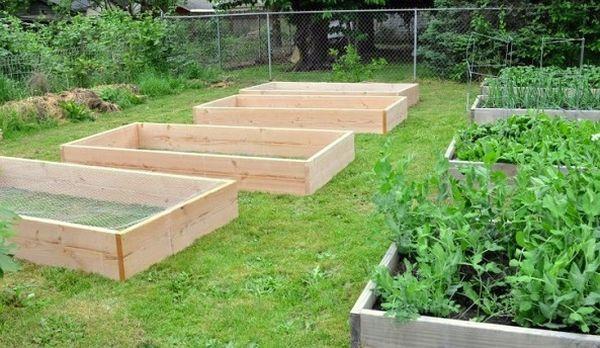
One of the disadvantages of this design is the rapid drying out of the soil. For this reason, experienced gardeners advise against using sunken beds for those living in southern regions. Mulching can help slow down the drying out process.
However, there are other difficulties that gardeners may face:
- If you create a warm bed incorrectly, the planted vegetables will grow poorly;
- limited free space, which prevents bushes from growing.

How do they affect the growth and fruiting of cucumbers?
People planning to equip their garden or vegetable garden with such beds are interested in how they affect the fruiting and development of cucumbers.
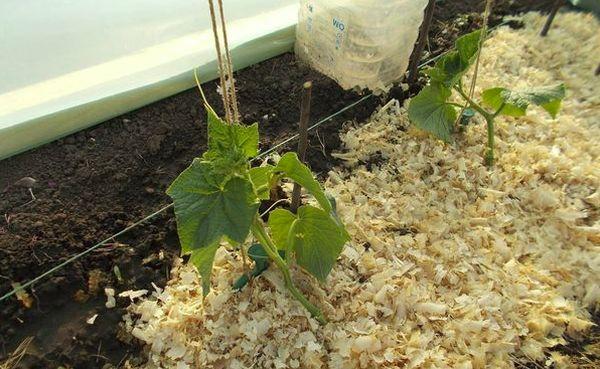
Plants planted in these beds begin to bear fruit 2-3 weeks earlier than usual. With proper care, the seedlings can yield several times more than when grown in regular garden beds.
When is the best time to form beds?
To get a good harvest of cucumbers, you need to decide on the timing of the formation of the beds.
In the spring
Spring is the time when many gardeners prepare their plots for planting vegetables by the end of March. It's recommended to begin shaping the beds in the first weeks of March. When planting early-ripening cucumbers, shaping the beds and planting can be postponed until mid- or late April, when there are no severe night frosts.
The best time for autumn
Some vegetable growers grow cucumbers in the fall rather than the spring. The formation of the beds should be completed in early September so that the cucumber seedlings have time to strengthen before the autumn frosts. If the bushes are planted in a greenhouse, it is not necessary to do everything in early autumn, since in greenhouse conditions they are reliably protected from low temperatures.
We make the structure ourselves
To make your own insulated vegetable bed, you need to gather the necessary materials and choose a location for growing the plants.
Collection of material
The following materials are most often used in the manufacture of the structure:
- Plastic. Some people make plastic structures because they are relatively lightweight and portable. However, experienced gardeners advise against using plastic, as it leaches hazardous chemicals into the soil.
- Slate. Considered an ideal material for constructing low beds for compact cucumbers. Slate also heats up quickly and retains heat well.
- Wood. An affordable and reliable material that won't harm the vegetables you're growing. Its only drawback is that it rots in high humidity.
Choosing a location
It's recommended to choose the most suitable location for planting cucumbers in advance. This vegetable requires good sunlight and should therefore not be planted in shaded areas of the garden. Cucumbers should be grown in a location protected from the wind.
Design options
There are three main options for designing insulated beds for cucumbers.
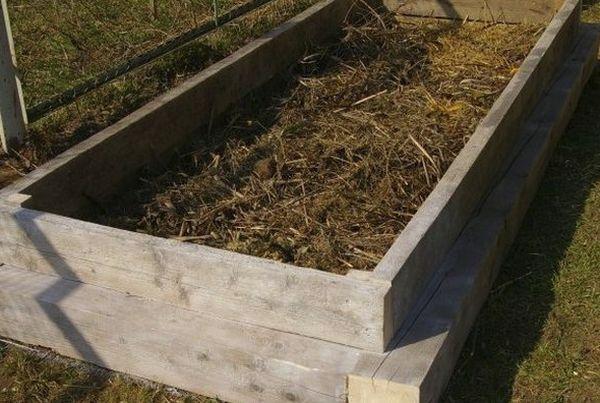
Raised
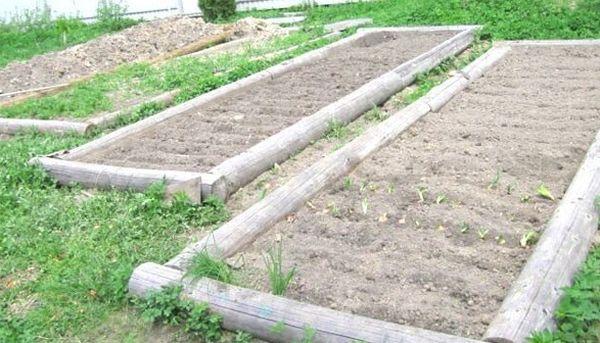
This design is often used by vegetable growers living in Siberia. Raised beds are most often constructed in open ground, but some also build them in greenhouses. The advantages of such structures include:
- plants are better warmed by the sun;
- increasing crop yields;
- ease of growing vegetables;
- protection against soil insects.
Superficial
If vegetables are grown in arid regions with hot summers, it's best to construct surface beds. In this case, the structure is dug into the ground to a depth of 15-20 centimeters. Such buried structures last for 5-6 years, after which they will need to be replaced.
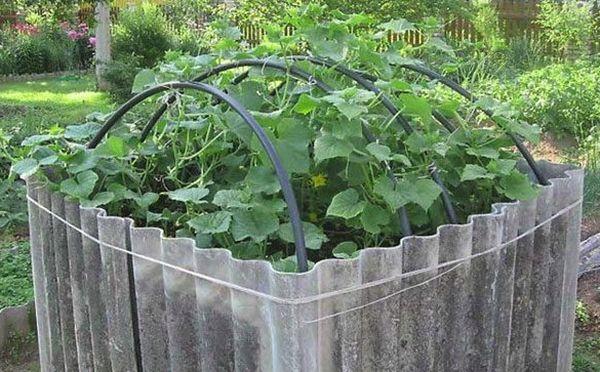
The main advantages of surface ridges are considered to be:
- long-term retention of moisture in the soil;
- there is no need to loosen the soil regularly;
- saving free space on the site.
Barrel
Sometimes warm beds are made from metal or wooden barrels. Barrel structures have the following advantages:
- simplified harvesting;
- no need to dig up the soil;
- rapid ripening of cucumbers.
The nuances of forming warm beds
Before you begin work, you need to familiarize yourself with the basic nuances of constructing insulated structures for growing cucumbers.
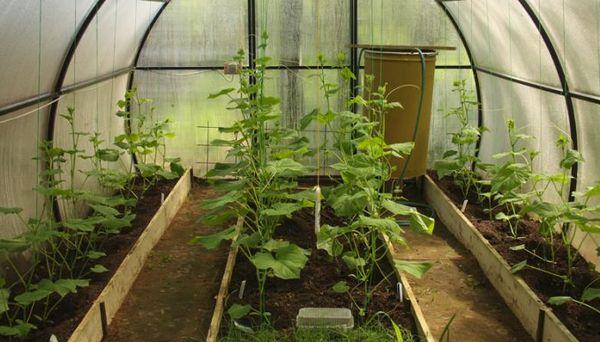
Sunken warm beds in a greenhouse
When constructing a sunken bed in a greenhouse, the structure is dug into the soil to a depth of 60-65 centimeters, then filled with organic matter. First, a shallow layer of rotted leaves with tops and husks is laid down. Then, composted manure is added. Top with black soil mixed with ash.
Warm beds in open ground
First, a trench 1.5 meters wide and 50-60 centimeters deep is dug in the garden. Reinforcing mesh is installed on the walls of the trench to strengthen the structure. The bottom of the dug hole is lined with sawdust and dry twigs. Then the entire area is filled with soil, sand, tops of plants, straw, and leaves.
Warm beds without manure
Some gardeners don't have access to fresh manure and therefore have to create their beds without it. Kitchen scraps and plant scraps can be used instead.
With fresh grass
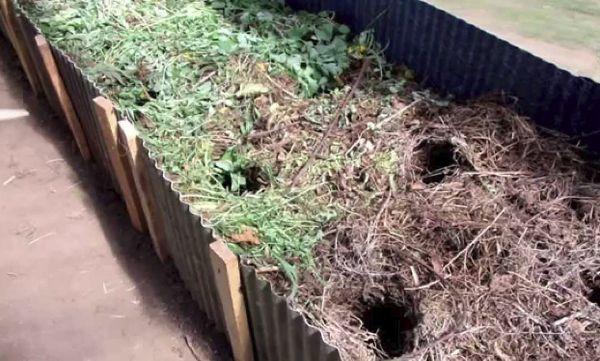
When creating insulated beds for growing cucumbers, fresh grass is often used. It is laid at the bottom of the trench, then covered with chicken manure, wood ash, and soil.
Take a look Also
With manure
First, dig a trench in the garden at least 45-50 centimeters deep. Then fill it with fresh manure mixed with compost and soil.
When and how to plant cucumbers in a warm bed
It's no secret that one of the main advantages of heated beds is that plants can be planted in them several weeks earlier than in open ground. Therefore, cucumbers are planted 1-3 weeks before the end of spring night frosts.
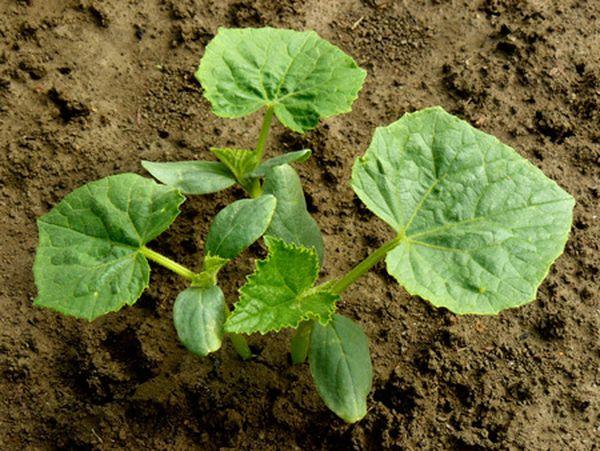
Cucumbers are planted in the same way as usual. First, make holes in the soil and plant the seeds. The depth of each hole should not exceed 2-3 centimeters. Leave 25-30 centimeters between the holes. Immediately water the planted seeds and cover them with plastic wrap until the first shoots appear.
How to grow cucumbers in a warm bed
Growing vegetables in insulated beds has some peculiarities that every vegetable grower should be familiar with:
- To get an early harvest, the seedlings will need to be watered more frequently. Each plant should be watered approximately 2-3 liters.
- Cucumbers don't need to be fed weekly, as the soil already contains organic matter that supplies the vegetables with micronutrients. However, the soil should be fertilized 2-3 times a month with phosphorus- and nitrogen-containing compounds.
- It is difficult to install a trellis on insulated beds, and therefore it is better not to plant tall varieties whose height exceeds 70-80 centimeters.
Conclusion
Gardeners who want to harvest cucumbers earlier are building their own insulated beds. Before constructing the structure, it's important to familiarize yourself with the specifics of how to form such beds.
Related posts:
 How to make a vertical bed for cucumbers with your own hands and grow them
 How to make a cucumber bed in open ground with your own hands, types
 The best eggplant varieties for growing in a polycarbonate greenhouse: planting and care
 How to make a cucumber trellis with your own hands from scrap materials
 How to grow a good cucumber harvest, speed up growth and ripening
 Recipes for making finger-licking cucumber caviar for the winter
 How to control carrot flies with medications and folk remedies
 How and when to plant cucumber seedlings in open ground