
- Why is nitrogen beneficial for cucumbers?
- Signs of deficiency or excess
- Types of nitrogen fertilizers and rules for their application
- Calcium nitrate
- Peat
- Urea
- Ammonium nitrate
- Bird droppings
- Ammonium sulfate
- Manure
- When to fertilize cucumber bushes
- In the greenhouse
- In an open area
- What are the dangers of overdosing on fertilizer?
One of the key elements essential for plant growth is nitrogen. Without it, metabolic processes in plant cells cannot occur. Nitrogen fertilizers play a key role in increasing the green mass of cucumbers. However, it's important to know when to apply fertilizer. Too much nitrogen in the soil leads to disease, just as a deficiency does.
Why is nitrogen beneficial for cucumbers?
Cucumbers require nitrogen at different stages of development, but in optimal quantities. This element can help the vegetable crop:
- grow leaves, stems;
- start to bloom;
- to form ovaries and fruits;
- bear fruit for a long time.
Since nitrogen compounds are found in the garden soil's top layer, cucumber roots absorb them normally. However, over time, the soil becomes depleted, requiring nitrogen-rich fertilizers. Vegetable roots have difficulty absorbing nitrogen when temperatures drop. Nitrogen is difficult to absorb from highly acidic soil. Therefore, proper fertilization is essential to ensure cucumbers receive sufficient nutrition.
Signs of deficiency or excess
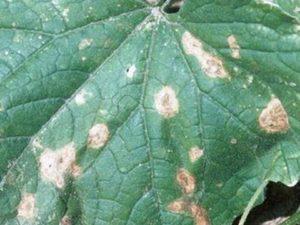
Vegetable crops quickly react to mineral deficiencies in the soil. If nitrogen is low in the soil or poorly absorbed, then:
- The fruits and leaves turn pale green.
- On the top of the cucumber, where the flower was, a beak-like sprout is formed.
- The leaves at the bottom of the shoots turn yellow.
- The development of lateral shoots stops and they stop growing.
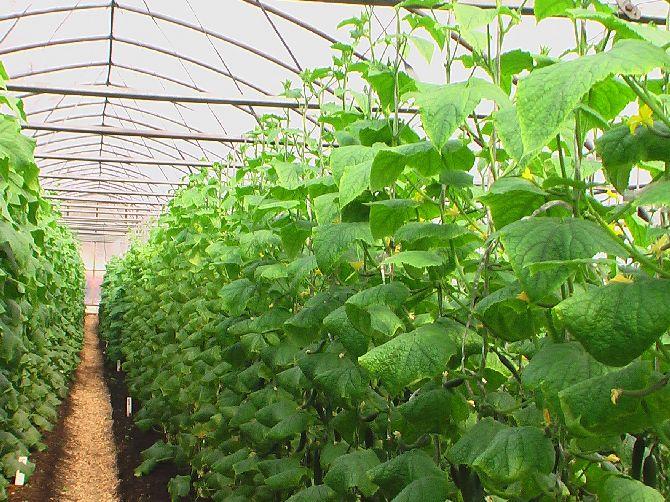
If a nitrogen deficiency is detected, then fertilization is carried out with organic fertilizers or mineral complexes.Excessive application of nitrogen fertilizers leads to plant diseases. Pathogenic fungi thrive in soils with high nitrogen content. Increased organic matter in the soil will cause potassium deficiency in cucumbers in the second half of summer. Flowering and fruiting will then be delayed.
It is necessary to reduce the amount of nitrogen to restore the cucumber vegetation process.
Types of nitrogen fertilizers and rules for their application
When the soil lacks nutrients, plants need to be fertilized. This usually begins when the foliage is developing. Initially, cucumber seedlings have sufficient nitrogen. They develop good foliage, but over time, the seedlings will begin to stretch and the leaves will turn yellow. Fertilizing is necessary. The first step is to consider which fertilizer to use.
Take a look Also

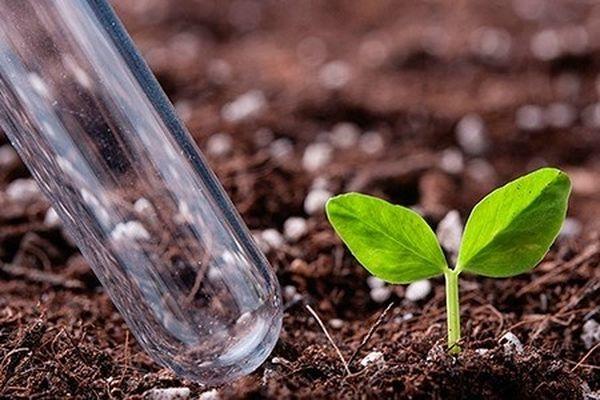
There are three types of nitrogen fertilizers: ammonia, nitrate, and amide. Each is applied at a specific stage of cucumber development. These fertilizers are available in liquid, granular, or powder form.
Calcium nitrate
Nitrate-based nitrogen fertilizers include calcium and sodium nitrate. These alkaline compounds are beneficial for soils with high acidity, as they promote better nitrogen absorption.
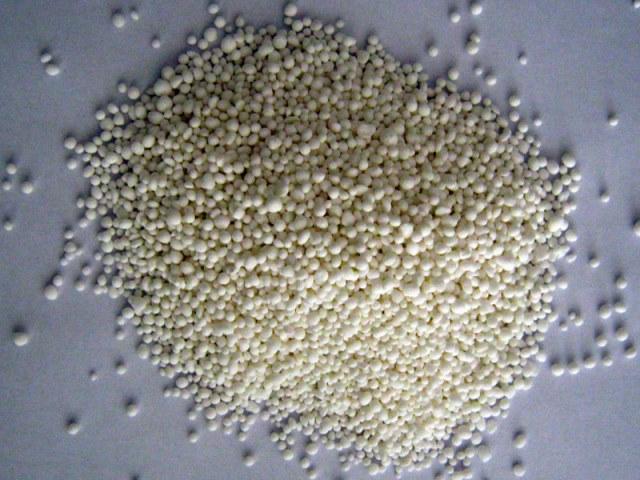
Calcium nitrate contains 15% nitrogen. This fertilizer is valued for its high hygroscopic properties. It is applied when cucumbers begin to wilt and leaves droop. It is beneficial to apply nitrate to the soil before planting cucumbers. The mixture will help prevent disease and strengthen the root system of vegetable plants. Seedlings will emerge faster if the soil is fertilized with calcium nitrate.
The scheme for fertilizing cucumbers is as follows:
- When 3 true leaves appear, spray the seedlings with a solution prepared from 1 tablespoon of saltpeter per 6 liters of water.
- The second treatment is carried out after 14 days.
- Third spraying after a month.
The procedure is carried out in cloudy weather, when there is no wind.
Peat
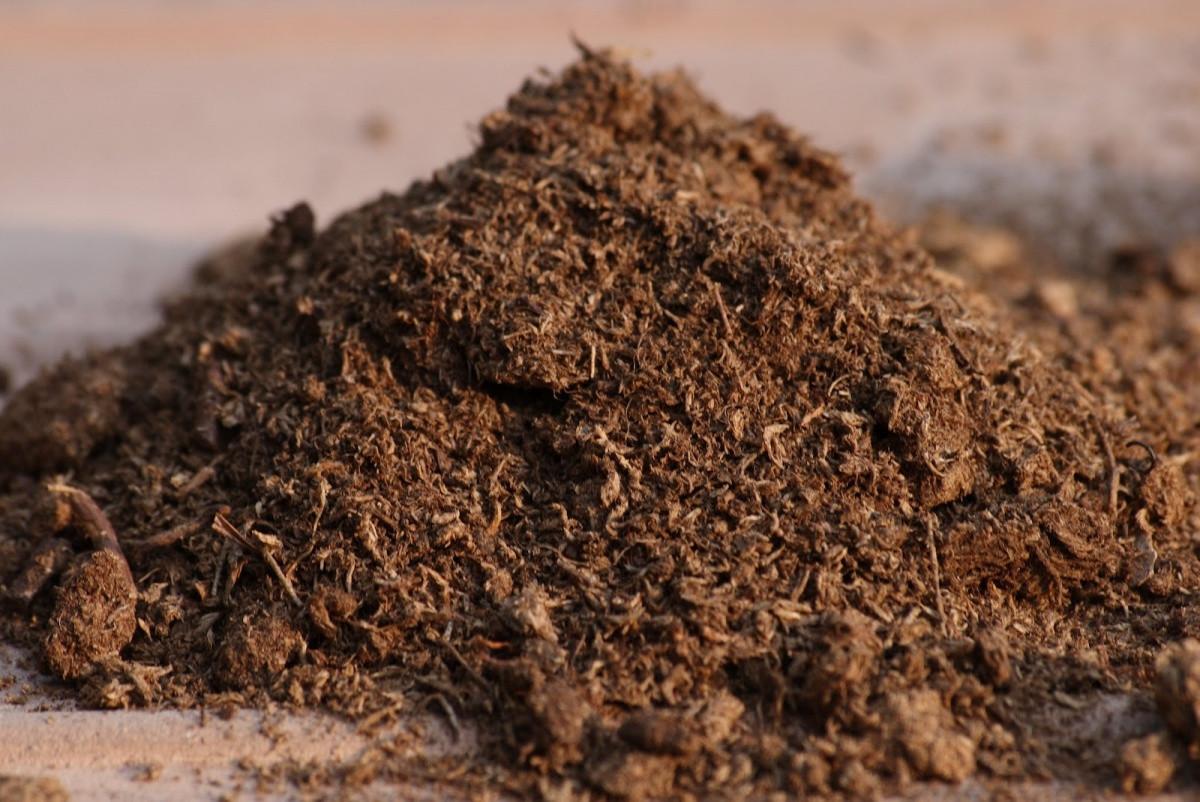
Gardeners belong to peat as a nitrogen fertilizer in two ways. The nitrogen it contains is in a poorly digestible form. Peat is suitable for making clay soils permeable to moisture and air.
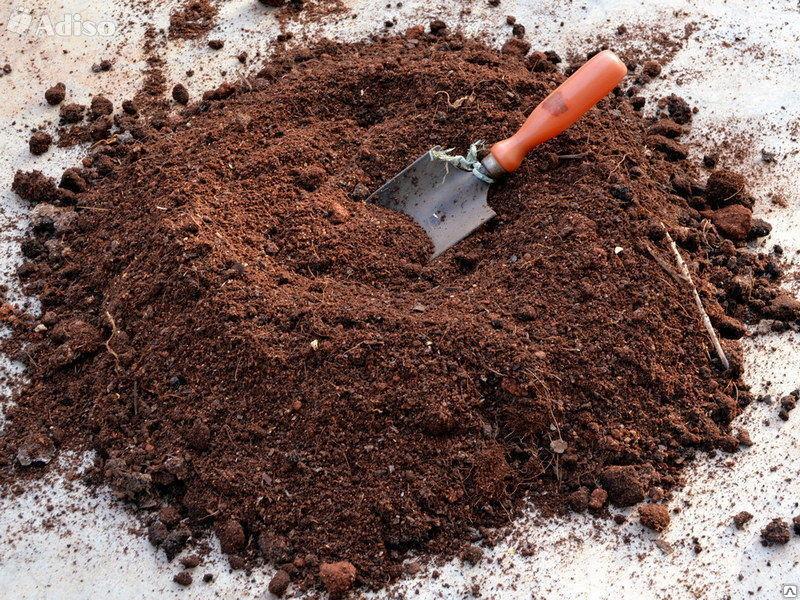
It's best to feed cucumbers with peat compost. Place sawdust and peat at the bottom of a container or fenced-off area, then pile plant scraps and food waste on top. Top with more peat mixed with garden soil. It's a good idea to water the mixture with slurry. After 1-2 years of rotting, the compost will become an excellent fertilizer for cucumbers.
Urea
Organic fertilizer contains over 47% nitrogen. Granules are applied by incorporating them into the soil of the cucumber bed. Leaving them exposed to the air is not recommended, as this will cause beneficial nitrogen to "leak." It's best to water the plants with a urea solution. Dissolve 45 grams of urea in a bucket of clean water. The mixture can also be used as a foliar fertilizer, spraying the leaves and stems of the vegetable.
Ammonium nitrate
The fertilizer is available in powder or granule form, which dissolves readily in water. Nitrate is used at various stages of vegetable growth. To prepare the solution, add 3 tablespoons of ammonium nitrate to 10 liters of water and stir until completely dissolved. Water the plants with the prepared solution at the roots. Distribute 5 grams of powder or granules per square meter of dry fertilizer. Work the fertilizer into furrows dug near the bed.

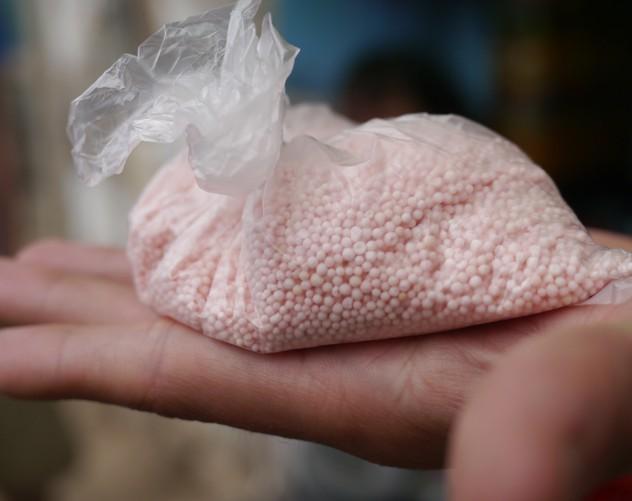 Ammonium nitrate combines well with other mineral fertilizers: superphosphate, potassium salt. They are often used together to feed cucumbers.
Bird droppings
Bird droppings are used in garden crops as a fertilizer, containing a large amount of macro- and microelements. They should be applied to the soil in spring and fall, and the resulting solutions used to feed cucumbers. The advantage of using bird droppings is that they:
- increases resistance to diseases;
- increases the yield of cucumbers, improving their quality;
- enriches the soil composition;
- decomposes slowly.
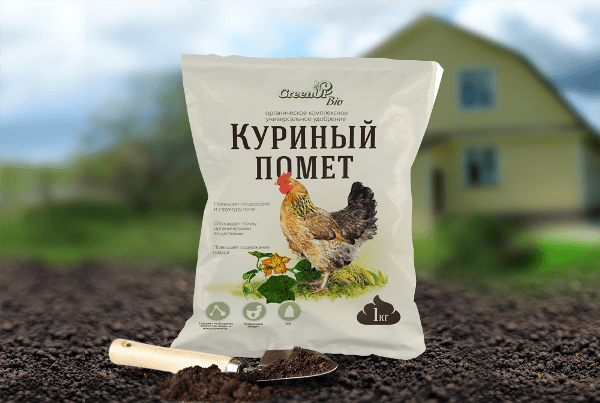
Fresh manure is not used, as it is toxic to plants. Composted manure is used. At the beginning of the season, a water-based fertilizer infusion is prepared. For root feeding, the ratio is 1:20, and for foliar application, 1:30.
You can dry bird droppings and then add them between the rows, 50 grams per bush.
Ammonium sulfate
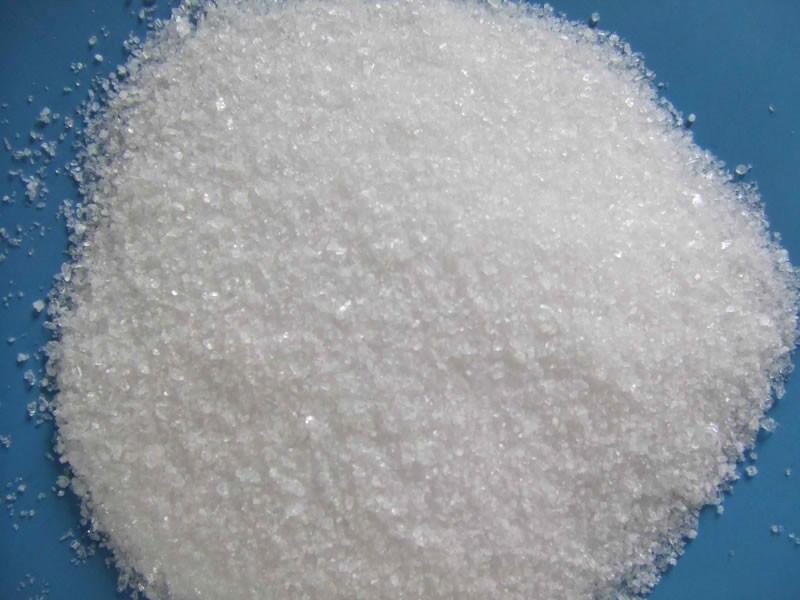
The fertilizer contains approximately 20% nitrogen and the same amount of sulfur. It is highly water-soluble. The fertilizer has an acidifying effect, which should be taken into account when applying to the soil. It is best to apply ammonium sulfate after moistening the soil. The recommended application rate is 40 grams per square meter. Soil acidification can be prevented by adding chalk in a 1:1 ratio.
Manure
Gardeners often use cow manure for fertilizer. Fresh horse manure is beneficial in areas with cool summers or alkaline soil. A mullein solution will help accelerate the flowering and fruiting of cucumber plants. Well-rotted manure is used to fertilize the soil before planting vegetables.
Cucumbers are watered with slurry before fruit set. The fertilizer concentration is 1:6. Many people use their own method for preparing the solution. First, they keep the mullein solution in a barrel, then water the vegetable plants with a 1:5 concentration.
When to fertilize cucumber bushes
Fertilizing cucumbers depends on the soil composition in the garden bed or greenhouse. Nitrogen deficiency should be identified by external signs to promptly treat and restore the plants.
In the greenhouse
Greenhouses are widely used by gardeners to grow cucumbers. After all, they want to enjoy the fruits as early as possible. Indoors, plants need to be fed every 10-15 days. The first time, dilute mullein with water 1:8, then increase the concentration to 1:4. Use 10-15 grams of ammonium nitrate per bucket of water, and double that amount during the fruiting period. Add superphosphate (40 grams) and potassium chloride (10 grams) to the solution.
In an open area
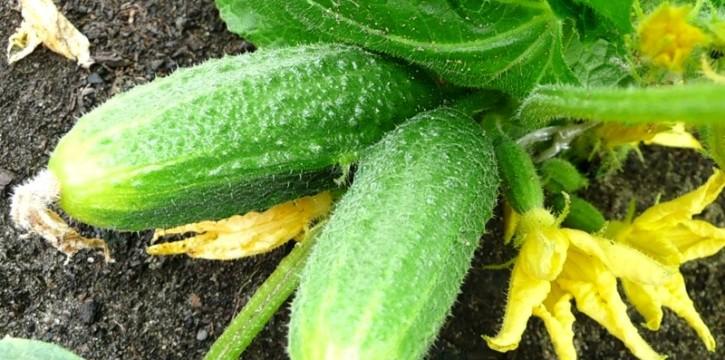
Cucumbers grown in garden beds require additional feeding during flowering. Minerals are needed during fruit set. It's best to use organic matter first. Cow manure or bird droppings will strengthen the plants, especially the root system. During the second and third applications, it's best to combine nitrogen with phosphorus and potassium to ensure high-quality and full fruiting.
What are the dangers of overdosing on fertilizer?
Care for cucumbers must be followed wisely. If the soil has sufficient nutrients, fertilizing is not recommended. Excess nitrogen will increase plant disease. Spots, mold, and stunted vines are signs of a fungal infection. The more nitrogen in the soil, the better for pathogens. They spread and reproduce at an accelerated rate. Overfertilizing will kill the plants. Not everyone has the courage to pull out a diseased plant. Doing so can result in the loss of the entire harvest.
Too much nitrogen results in overgrowth, delayed flowering, and failure to produce fruit. Measures must be taken to increase potassium and phosphorus levels in the soil while reducing nitrogen. Since nitrogen salts are highly mobile, loose soil can be watered more frequently. Excess nitrogen compounds will be washed out.
Related posts:
 Description of unusual methods for planting and growing cucumbers
 How to care for cucumbers in open ground from planting to harvesting
 Description of the best varieties of Chinese cucumbers, planting, growing and care
 How to make a cucumber trellis with your own hands from scrap materials
 How to properly plant cucumbers in open ground with seeds, and at what depth
 Types of fungicides for cucumbers in a greenhouse and instructions for use
 How to properly plant cucumber seedlings in a greenhouse and care instructions
 Why do cucumber leaves curl inward and what to do about it?