Estafeta cucumbers were developed by breeders at the V.I. Edelstein Vegetable Experimental Station (Moscow). This plant is ideal for greenhouse planting and for growing in protected soil in a winter-spring rotation. In this case, its yield is unmatched, reaching 25-45 kg/m².
Description of cucumber
Characteristics and description of the variety:
- The Estafeta cucumber variety belongs to the salad type and is perfectly pollinated by bees.
- These are mainly medium- and weakly branched plants with a female type of flowering, good growth energy and self-regulating branching.
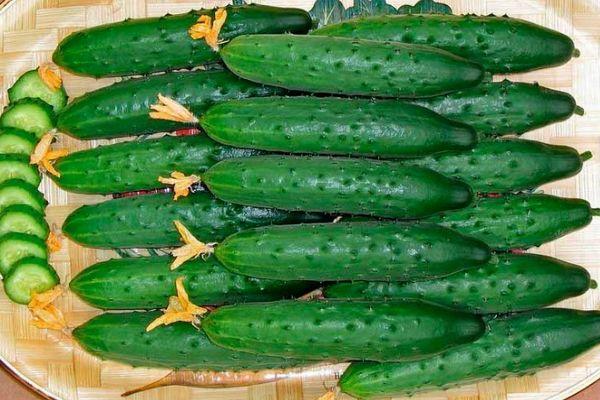
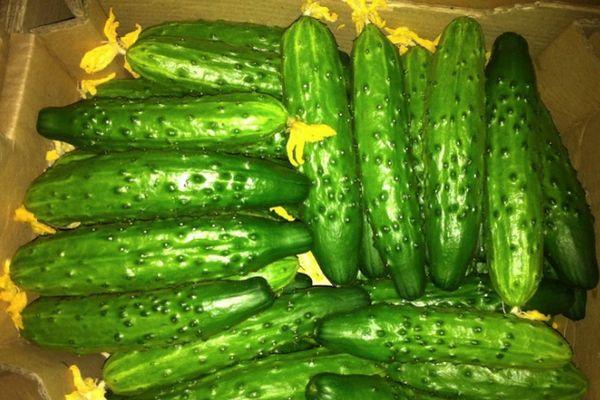
- The fruits reach a length of 15-22 cm. The diameter is 4-4.5 cm. The weight is 180-220 g.
- The fruits are spindle-shaped. The neck is elongated and thin. The fruit is large and smooth.
- The variety is resistant to root rot and mosaic virus.
- Ideal for storage and transportation.
- The cucumber flesh is aromatic, crispy and juicy.
- Cucumber Estafeta f1 has an appetizing appearance.
- High yield.
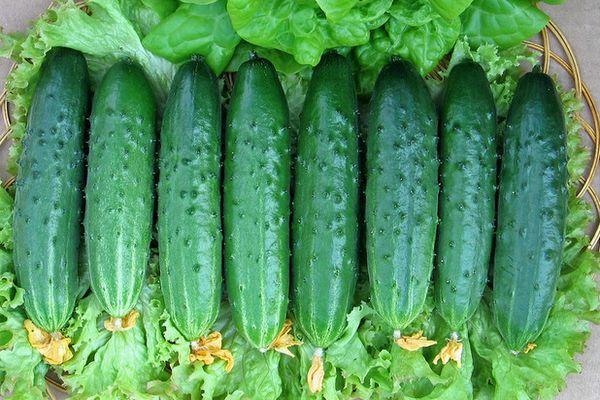
Gardeners' reviews of this variety are positive. They note the vegetable's excellent taste and high yield.
How are cucumbers grown?
Let's look at how to grow the Estafeta cucumber. This variety is planted during the warmer months, but this doesn't stop it from being a favorite in greenhouses. First, it's important to grow the seedlings properly. The soil for planting should be prepared in advance.
Mix sifted sod soil, sifted peat, compost or mature humus, and rotted sawdust. Spread this soil into pots and plant the seeds. By early January, you should have healthy seedlings with 6-8 leaves and strong stems.
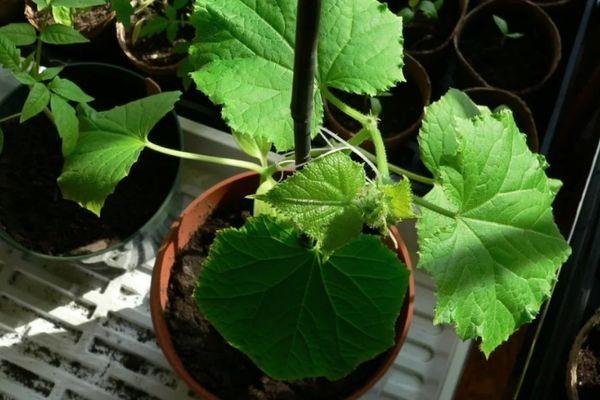
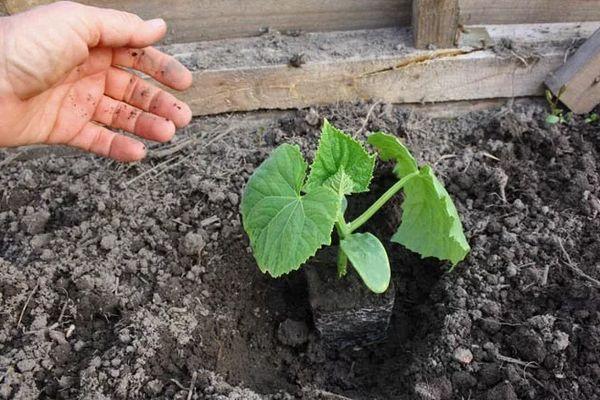
When planting in the ground, you should pay attention to the integrity of the root ball, since if it is damaged, the plant will take a long time to grow and become sick.
Watering the Relay is easy:
- In winter, once a week is enough.
- In summer, 2-3 waterings per week are necessary, depending on weather conditions and air temperature.
To prevent root rot, loosen the soil periodically after watering the cucumbers. Also, consider plant fertilizer. Typically, this is bird droppings (1:15) or mullein (1:10). The fertilizer is diluted with water and poured 1 liter under each root. The key is not to overdo it and overfeed the plants.
Estafeta, like other varieties, is susceptible to diseases and pests. Damp, stagnant air near the plant promotes fungal diseases. Greenhouse cucumbers are commonly susceptible to downy mildew. Moreover, it's virtually impossible to control this disease without chemicals. Prevention is much easier.
The main causes of plant diseases are:
- insufficient ventilation in the greenhouse;
- the bush is formed incorrectly;
- too dense planting of bushes of the plant variety.
 The most dangerous pests for cucumbers are spider mites and cockchafer larvae.
You can successfully deal with ticks using safe folk remedies:
- dissolve laundry soap in water;
- boil walnut leaves or make an infusion (even the Colorado potato beetle is afraid of it);
- grind the garlic and leave it in water;
- Infuse or boil red hot pepper.
Cucumbers have an average ripening period of about 55 days. The fruits are harvested selectively as they grow. It's not advisable to overexpose the young cucumbers. About two months after germination, cucumbers begin to bear fruit regularly. The fruits can be harvested until summer if proper cultivation practices are followed.
The fruits are suitable for a wide variety of dishes: they are used in okroshka (sauce) and salads, as well as in various soups and hot dishes. Estafeta cucumbers are especially delicious when lightly salted, used in winter preserves, canned, and pickled. The grated pulp and juice can also be frozen and used for cosmetic purposes year-round.
This plant was developed for commercial greenhouse cultivation, so it's not widely used in home gardens and vegetable patches. However, the bee-pollinated Estafeta variety can be successfully grown in regular garden beds. When caring for it, special attention should be paid to preventing powdery mildew.
Related posts:
 TOP 30 best varieties of cold-resistant cucumbers with descriptions and characteristics
 Description of the best varieties of Chinese cucumbers, planting, growing and care
 TOP 10 recipes for quickly preparing lightly salted crispy cucumbers using cold and hot methods in a saucepan
 35 Best Powdery Mildew-Resistant Cucumber Varieties with Descriptions
 33 of the best recipes for delicious cucumbers for the winter
 Description of the best varieties of pickling and barrel cucumbers for greenhouses and open ground
 TOP 10 ways to freeze fresh and salted cucumbers at home for the winter
 20 simple step-by-step recipes for pickling cucumbers for the winter