
- Phases of sprout germination
- Beginning of the life cycle
- Development of the seed embryo
- How many days does it take for cucumbers to sprout after sowing?
- In open ground
- In greenhouses and hotbeds
- What influences the germination period of sprouts?
- Cucumber variety
- Growing region
- Climate conditions
- Why seeds don't germinate: the main reasons
- Incorrectly prepared seed material
- Mistakes made when storing seed material
- Low soil temperature
- The seed was buried incorrectly
- The soil is too heavy
- Over-dried and over-watered soil
- Plant pests and diseases
- How to increase germination and speed up the sprouting of cucumbers
- Selection and viability testing
- Warming up seeds
- Soak
- Hardening
- Proper sowing and care of cucumber seeds
Cucumbers are a tasty and healthy vegetable. They are grown indoors on windowsills, in greenhouses, and in open fields. But sometimes gardeners encounter problems right from the start: the seeds lose their viability. Why cucumbers sometimes fail to germinate outdoors and how to avoid this is something worth knowing before you start growing.
Phases of sprout germination
The germination phase should be given special attention to determine the reasons why a sprout may not emerge. Germination is essentially the emergence of a plant embryo from a seed coated with a seed coat. The seed coat acts as a protective covering for the embryo, preventing mechanical damage, drying out, and disease.
For germination to occur, the shell must open. What needs to be done for this to happen? The seeds should be provided with sufficient moisture, temperature and ventilation. However, lighting does not play a major role at the germination stage.
Beginning of the life cycle
Sufficient moisture is crucial for the cucumber seedling's early life during germination. The seed absorbs moisture, swells, and the process of peeling and embryonic development begins.
It's important to avoid temperature fluctuations. If the temperature drops sharply during the seed's swelling process, it will become moldy and fail to germinate. The ideal temperature at this stage is at least 25 degrees Celsius.
Development of the seed embryo
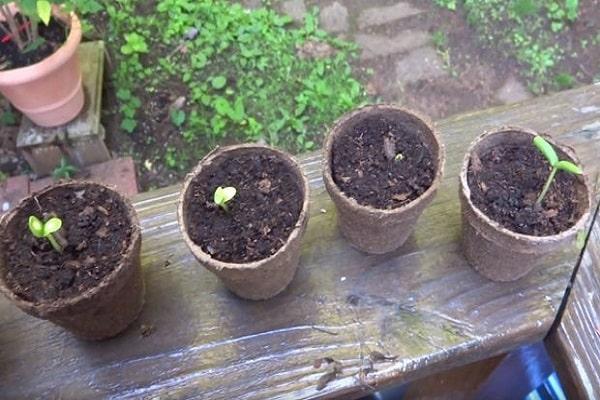
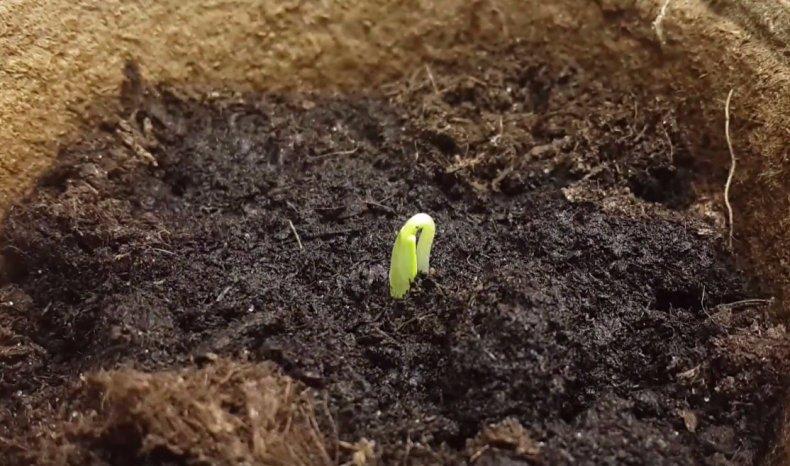
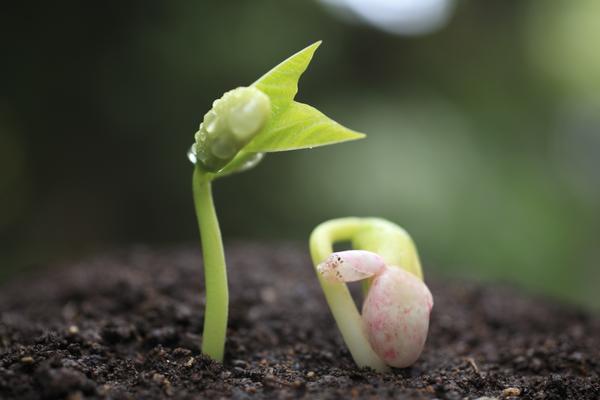
During the initial development of a cucumber embryo, processes unnoticeable to the human eye occur; chemical reactions are triggered within the seed. The first visible phenomenon is the emergence of a rootlet from the seed coat.
Once the root is outside the shell, it is through it that all the nutrients enter the future seedling.
At this stage, the seedling's skin becomes unnecessary, and it sheds. However, if the skin is exposed to open air during shallow planting, the skin dries out, preventing the seedling from shedding it. In this case, the already sprouted seed will not germinate. To prevent this, the seedlings are sprayed. Water coming into contact with the skin softens it, allowing the plant to continue developing.
How many days does it take for cucumbers to sprout after sowing?
Seeds are sown in garden beds dry, soaked, or sprouted. Of course, the timing of sprout emergence directly depends on this:
- Dry sowing: 7-10 days.
- Sprouted grains: 3-5 days.
- Soaked seeds: 3-7 days.
In open ground
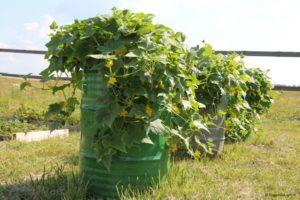
The timing of sprouting depends on weather conditions. Under the most favorable conditions—sunny, hot weather with temperatures above 20 degrees Celsius—germination can be expected in 3-4 days.
In greenhouses and hotbeds
Polycarbonate greenhouses are ideal for growing cucumbers, as they provide a microclimate and protect plants from drafts and leaves from sunburn.
In addition, polycarbonate is not removed for the winter, which allows spring work to begin earlier.
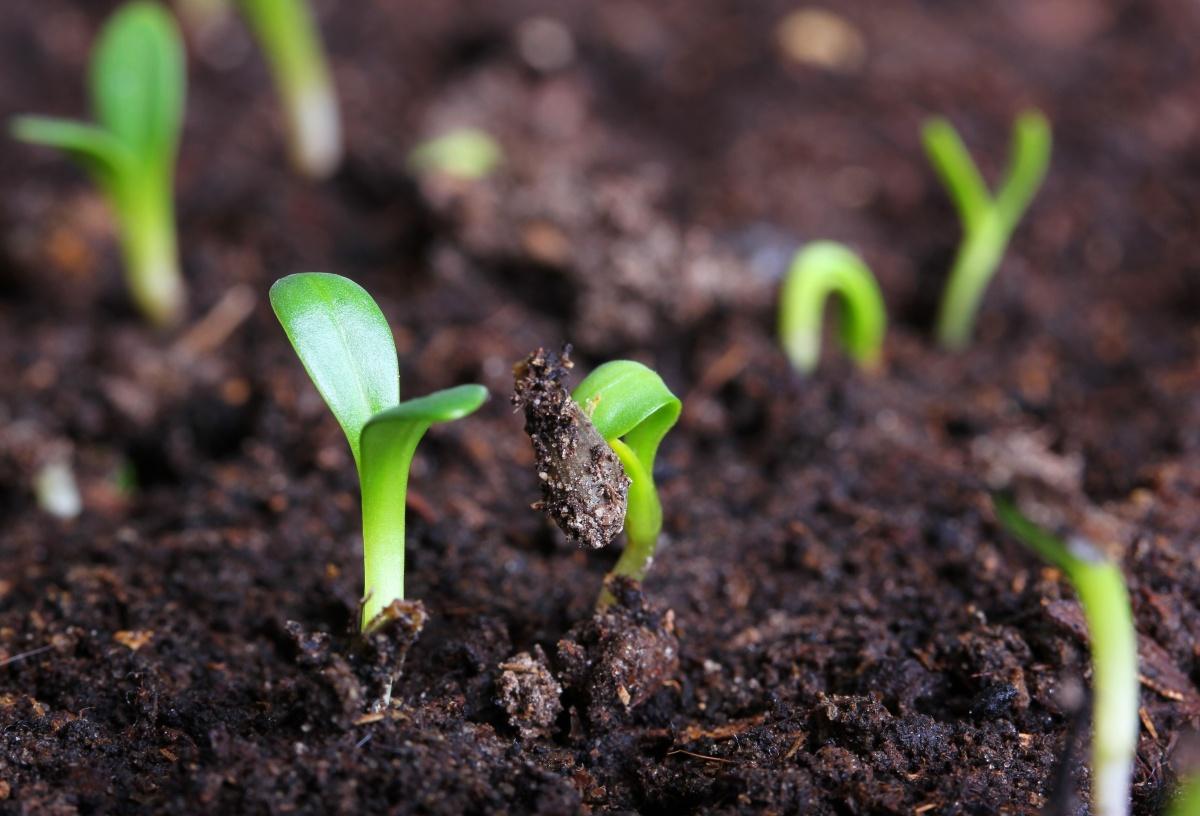
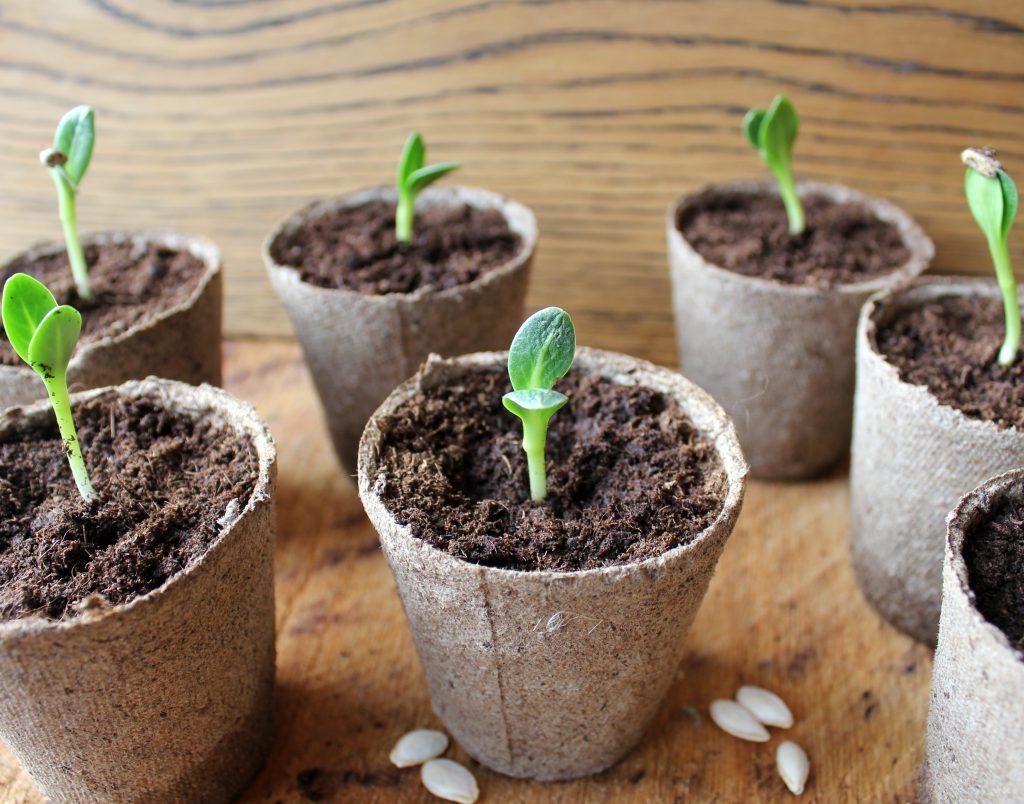
Seeds can be planted in hotbeds and greenhouses several weeks earlier than in unprotected soil. The soil is doused with boiling water and supplemented with organic matter, which provides additional warmth as it decomposes. In good weather, seedlings can be expected quickly, in as little as three days.
What influences the germination period of sprouts?
To plant seedlings in open ground earlier, you can start them in cups early. However, when planting seeds directly in the soil, keep the following points in mind, as they are crucial for germination.
Cucumber variety
There are many varieties of cucumbers. Plants are selected based on preferences and growing conditions. It's important to remember that no variety, even with careful adherence to instructions, will yield 100% germination.
Growing region
Geographic location determines the timing of seed planting in open ground. Gardeners determine the optimal soil temperature in their area and choose the planting time accordingly.
Climate conditions
It's crucial to consider climate conditions. General seeding recommendations may need to be adjusted based on average temperature and humidity. Keep in mind that in some climates, growing outdoors is impossible or extremely difficult. Sometimes a greenhouse or hothouse can be a lifesaver, but in other cases, planting should be avoided.
Why seeds don't germinate: the main reasons
There are main reasons why vegetable seeds do not germinate.
Incorrectly prepared seed material
Seed preparation must be done correctly. Mistakes made at this stage can lead to loss of germination.
For example, if the soaking solution is too strong, the grain may get burned.
Mistakes made when storing seed material
When storing seeds, humidity should not be high. Seeds spoil and lose viability in damp conditions. Storage conditions should be cool. When properly stored, seeds remain viable for up to 10 years. However, it's best to choose seeds no older than 5 years for planting.

Low soil temperature
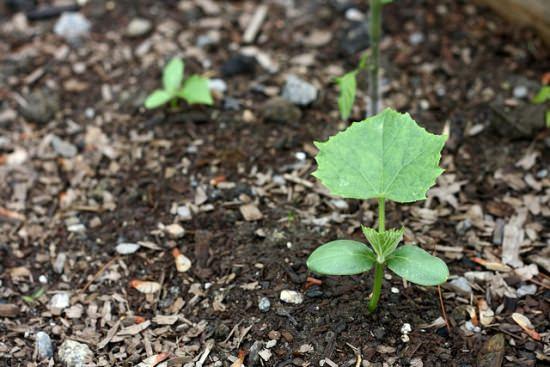
Uniform seedlings will emerge within 3 days at soil temperatures between 24 and 28 degrees Celsius. If the soil is colder, germination will be slow and difficult. Below 12 degrees Celsius, germination is unlikely, as the seeds will become moldy.
The seed was buried incorrectly
The optimal seeding depth is one and a half to two centimeters. If the seeds are planted deeper, germination will take longer. If the depth is insufficient, the seed coats will not be shed by the seedlings.
The soil is too heavy
If the soil is dense and heavy, you may not see any sprouts at all. The sprouts won't break through the crust that has formed. If there's no alternative for planting cucumbers in heavy soil, prepare a furrow in the bed.
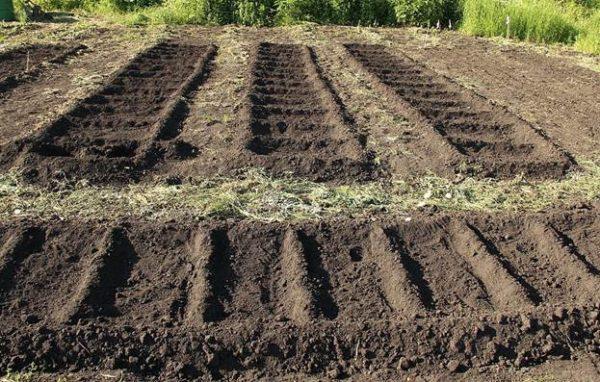
The seeds planted in the holes are covered with light soil or sifted peat. Using heavy soil will cause a crust to form, preventing the seeds from sprouting.
Over-dried and over-watered soil
Neither excessively dry nor excessively wet soil is suitable for germination. Insufficient moisture during germination will slow growth and may even cause seedlings to die. Overwatering, especially when combined with deep planting, will lead to sparse seedlings and seed death.
Plant pests and diseases
When planting seeds in open ground, there's a high risk of disease. To prevent this, disinfect the soil with potassium permanganate or treat it with special preparations.
How to increase germination and speed up the sprouting of cucumbers
To increase germination rates, the seed is prepared in advance in several stages. This begins with selecting viable seeds, then warming, soaking, and hardening them. As a result, after sowing and proper care of the vines, a bountiful harvest can be achieved.
Selection and viability testing
First, the seeds are inspected, removing any dark, thin, or damaged ones. The remaining seeds are placed in a weak salt solution for up to 20 minutes. Any seeds that float to the surface are discarded, and the remaining seeds are washed and dried with a cloth before moving on to the next step.

Warming up seeds
Why is heating necessary? This procedure not only improves germination and disinfects the seeds, but also prepares them for the dry season. The seeds are heated for three days at a temperature of about 40 degrees Celsius in an oven or under a standard incandescent lamp. Farms use egg incubators.
If time permits, the seed material is kept near a central heating radiator for a month.
To do this, place the seeds in a cloth bag and attach it to a radiator pipe. If the harvesting time is short, warm the seeds with hot water for two hours. It is more convenient to use a thermos, which will maintain a constant temperature of approximately 50 degrees.

Soak
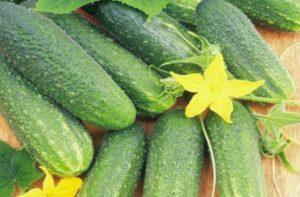
Before soaking, disinfect the seeds for two hours with a weak solution of potassium permanganate or brilliant green. Soak them in the nutrient solution for up to 12 hours, then place them in settled water for another 12 hours. Soaking allows the seeds to absorb moisture and nutrients, which will speed germination, strengthen their immune system, and increase yield.
Hardening
Seeds are hardened to increase disease resistance and prepare the future plant for potential temperature fluctuations. To harden, the seeds are alternately kept in the refrigerator and at room temperature for 6 hours, repeating the process 6 times. To simplify the process, they can be placed in the refrigerator once for 24 hours.

Proper sowing and care of cucumber seeds
To speed up germination, seeds can be germinated in a damp cloth before planting. To do this, place the seeds on cheesecloth or cotton cloth, cover them with another layer, and then dampen the cloth. It's important to ensure it doesn't dry out. Once the seeds sprout, they are sown in the soil.
The beds are prepared in the fall. The soil is tilled and fertilized, as fertile soil will yield a larger harvest. The seeds are planted in pre-prepared holes 25 cm apart with 40 cm between rows. Each well-watered hole contains 5-7 seeds, which will eventually produce 2-4 plants.
After about a week, the bed should be thinned out to prevent plants from shading each other. A good harvest, which all gardeners strive for, begins with proper seed sowing. If all the rules are followed when planting seeds outdoors, the farmer's efforts will be rewarded with delicious, fresh cucumbers.
Related posts:
 Is it possible to soak treated cucumber seeds before planting and how to do it correctly?
 The best eggplant varieties for growing in a polycarbonate greenhouse: planting and care
 Carrot care guidelines for outdoor cultivation to ensure a good harvest
 How to properly plant peas in a greenhouse and open ground
 Why didn't the carrots sprout and what should I do? How to plant them so they sprout quickly?
 Technology for growing and caring for coriander in open ground before winter, how and when to sow
 Corn sowing rules and regulations, how to plant and prepare seeds
 Description of the Exhibition onion variety, growing from seedlings, planting and care
Before planting, it's important to thoroughly prepare the soil and seeds, be sure to apply complex fertilizers, and plant the seeds only at specific times. This is the main reason why seedlings may fail to germinate.
You don't need any growth stimulants; it's easier to plant the seeds directly in the ground, water them regularly, and don't let the soil dry out, and everything will work out.