
- Preparing a site for planting cilantro
- Priming
- Illumination of the area
- Predecessors
- Varieties of coriander
- Popular vegetable varieties of cilantro
- Varieties of coriander production
- Sowing coriander seeds in open ground
- Coriander planting times
- How to collect seeds
- Pre-sowing seed preparation
- How to sow cilantro in open ground
- Features of winter planting
- Care
- Thinning out seedlings
- Features of watering
- Rules for fertilizing coriander in the garden
- Diseases and pests
- Harvesting cilantro
Cilantro is a well-known, spicy annual plant that has become popular in European cuisine. It has a rich, cloying aroma. It contains a wealth of vitamins and microelements, and is rich in ascorbic acid. These valuable qualities attract the attention of many gardeners. Growing cilantro has become a pleasure. It's important to determine how and when to sow coriander before winter. The cultivation process is straightforward, so even an inexperienced gardener can reap a harvest.
Preparing a site for planting cilantro
Until the seed ripens, cilantro is grown, after which the greens are left for the coriander to ripen.
Priming
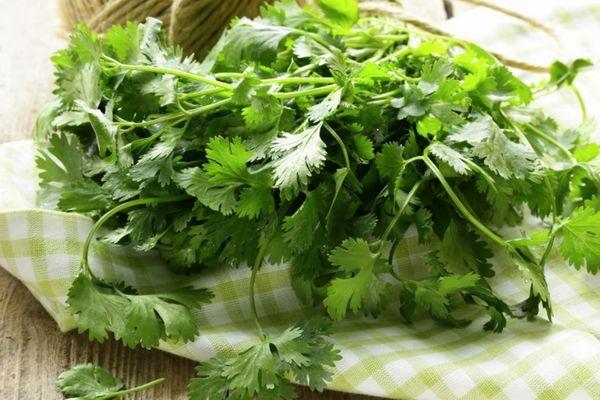
Planting should be done on a flat or elevated site. In low-lying areas, the plant will become waterlogged before it reaches maturity. Loamy and sandy loam soils with moderate acidity or neutrality are suitable. The soil should be loosened and well fertilized during tilling.
The soil is prepared in the fall:
- Dig up to the depth of a shovel blade.
- Remove all roots and plant debris. If the previous plant was affected by a fungal disease, the soil should be treated with a fungicide.
- It is advisable to add some sand, compost, peat.
- Fertilize: add half a bucket of humus mixed with wood ash to each planting square.
- In spring, before sowing seeds, add urea, 15 g per 1 m2.
- Then pour in a pale pink solution of potassium permanganate.
- To enrich the soil, it is recommended to add potassium and superphosphate. Apply them to the soil before sowing seeds at a rate of 25-35 g per 1 m.2.
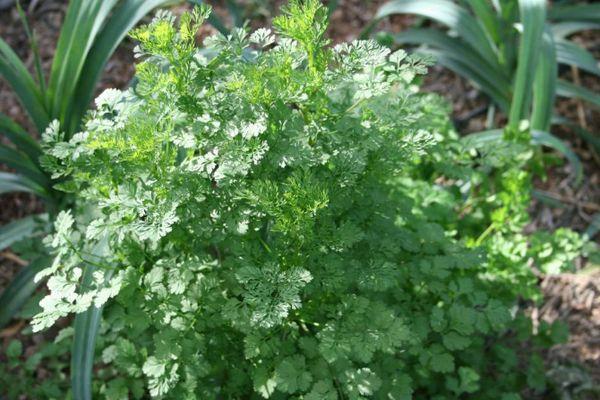
Harvest cilantro after 40-50 days. To grow new greens, sow seeds at two-week intervals. Apply 5-7 g of nitroammophoska or superphosphate before each sowing.
Illumination of the area
Cilantro requires plenty of light. If it's not sufficient, ripening is slowed, yields drop, and the concentration of essential oils decreases. Therefore, a sunny location is recommended. Some shade is acceptable, and it can be grown near bushes or under a fence. In the shade of trees, cilantro will be weak and will quickly develop flower stalks.
Predecessors
Cilantro is an easy-to-grow plant; any crop that has been supplemented with organic matter makes an excellent predecessor. It's a good choice for growing cilantro in areas previously occupied by cabbage, potatoes, cucumbers, or any type of legume. It thrives alongside other herb crops (anise or caraway), and its essential oils protect the cucumbers. cauliflower from pests.
Varieties of coriander
The selection of varieties and cultivation of coriander is based on the end result: the green part (cilantro) or the seeds (coriander).
Popular vegetable varieties of cilantro
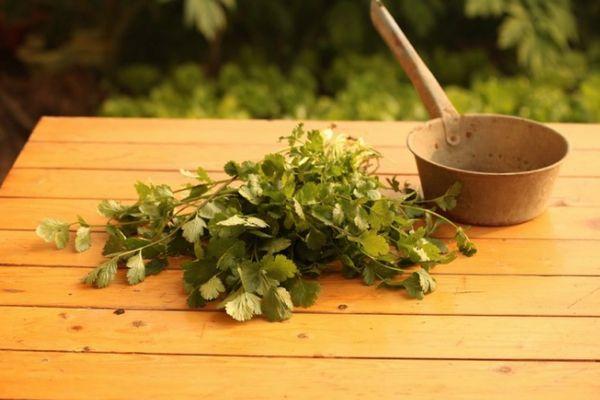
When harvesting cilantro, vegetable varieties are preferred. They have tender green leaves that are distinguished by their rich aroma.
- Avantgarde is a small bush with richly colored foliage and a bright, spicy aroma. It can be grown indoors. The first harvest of cilantro occurs after 45 days.
- Caribe - blooms mainly late, leaves have a delicate taste and intense aroma.
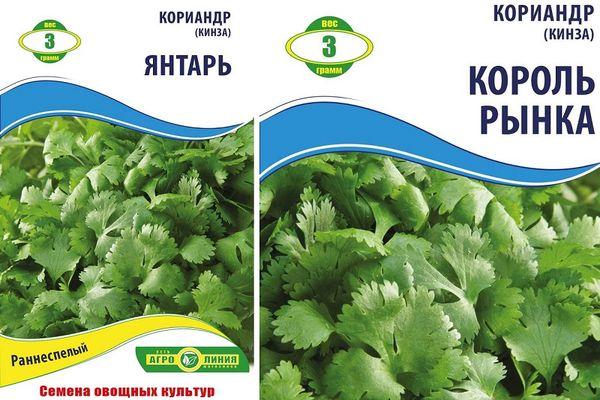
- The king of the market - this variety is characterized by early ripening, has a large specific weight of foliage, very juicy and subtle in taste.
- Borodinsky is a compact bush up to 65 cm tall with a medium ripening period. Its delicate flavor makes it ideal for salads. Cilantro is grown exclusively in open ground. Harvesting begins as early as 35 days.
- Taiga is a low-growing bush with abundant foliage. It ripens late and is harvested after 45 days.
- Picnic ripens early. The foliage has a piquant flavor and rich aroma. Suitable for indoor growing.
Varieties of coriander production
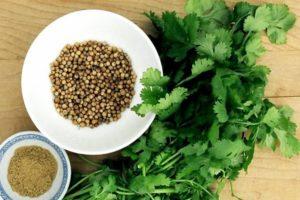
If seeds are important when growing, preference should be given to varieties that produce a high-quality coriander harvest:
- Yantar is a bush with abundant foliage and a delicate flavor. It produces a stalk late in flowering. The seeds have a rich, spicy aroma and are used in baking and cooking meat.
- Venus is a type of crop with abundant greenery and seeds with a soft, piquant aroma.
- Alekseevsky - has an average ripening period, blooms late, the variety is resistant to low temperatures.
- Debut - has early seed ripening, ready in 45 days, grows up to 25 cm in height.
- Stimul is a mid-season variety, suitable for winter sowing.
Sowing coriander seeds in open ground
Some gardeners grow cilantro from regular seeds. They simply sow the coriander seeds in the ground and cover them with soil using a rake. They later produce lush, beautiful greens. This proves that cilantro is not a particularly demanding crop. However, this method only produces greens. To obtain a bountiful, high-quality harvest of not only cilantro but also seeds, a different cultivation technique is necessary. Special guidelines for planting seeds have been developed.
For early harvesting, it is recommended to plant in a greenhouse, under film or a hotbed.
To obtain early cilantro and seeds, it is recommended to propagate from seedlings. Sow seeds for seedlings in late winter using cups or seedling trays. Soil from the garden can be used.
Sprouted plants are planted in open ground after frost, when the soil has warmed up. If there is a risk of further frost, care for the seedlings involves covering them with plastic.
Coriander planting times
The planting period extends from the end of February to mid-May.
Coriander can be grown in a greenhouse; it is sown in late winter to early spring. The first flower stalks appear within 40 days.
It is recommended to sow it primarily in open ground in the spring. The soil has already thawed and warmed up completely by the end of April, and the greens are harvested within 20 days. By the end of summer, the seeds will be ripe.
If the seeds are sown in late spring or early summer, the flower stalks will emerge within 20 days, and the plant will be weaker than one sown early in the spring. When coriander is planted in August, the seeds germinate even later. Cilantro thrives on long days. As the days shorten, growth rates slow.
How to collect seeds
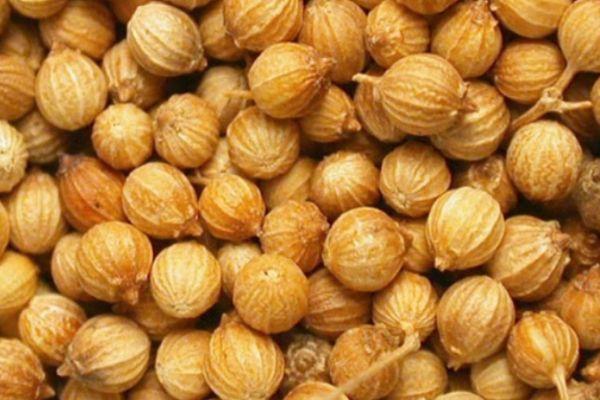
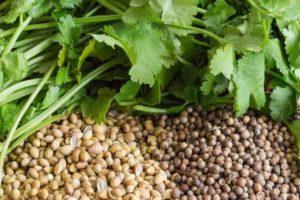
Early flowering is important if the crop is grown for seed collection. Harvesting requires special care. Only fully ripened seeds have a distinctive aroma. Unripe seeds have an unpleasant odor. Flowers form seed umbels. Harvesting occurs in late summer. Ripe seeds are brownish in color with a rufous tint. If the seeds can be easily removed from the bushes, they are ripe. Dry them thoroughly before storing.
The plant is collected in bunches and hung. The dried seeds are separated from the husks.
Pre-sowing seed preparation
The seeds of this plant have a short shelf life for planting. For cultivation, seeds no older than two years are recommended. However, as a spice, they have a long shelf life. Before sowing, it is recommended to soak the seeds in a growth-promoting solution. If a specialized solution is unavailable or you don't want to use one, soaking them in aloe vera juice is acceptable.
How to sow cilantro in open ground
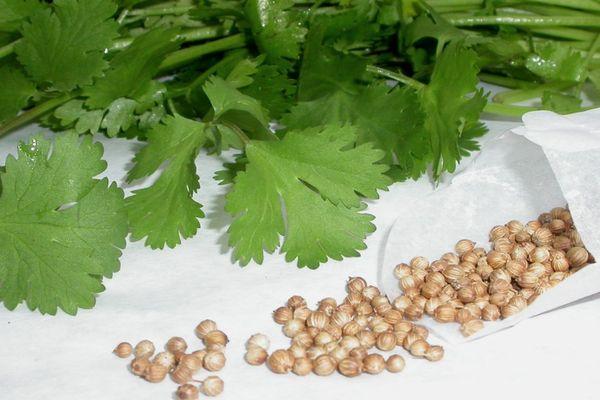
Plant coriander seeds by scattering them in holes or rows, calculating 2 g/m2 at a depth of up to 15 mm. The distance between rows is 25-30 cm. The plant grows well by self-seeding; seeds that fell last year germinate early and produce a high-quality harvest.
Features of winter planting
Cilantro is a fairly cold-resistant crop; it can withstand temperatures down to -5OC. Planting before winter is allowed, in which case cilantro will appear already in March.
For winter sowing, choose a cool period. In mid-autumn, when the Indian summer has passed and warm weather is not expected, sowing is recommended. The main difference is that the soil must be dry and not watered. Seeds planted this way will germinate early when the weather warms up.
Advantages of winter planting:
- the seeds undergo a process of stratification (hardening);
- Plants grown from seeds sown in the fall are less susceptible to disease or do not get sick at all, and animals cause them virtually no damage;
- Leaves appear a few weeks after the first warming.
Care
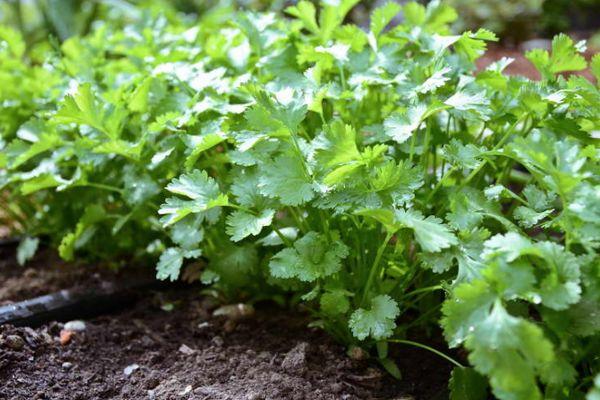
Growing cilantro for its herb requires standard care: weeding, loosening the soil, and timely watering. The soil must be loosened and kept clean, and weeds that can damage the tender seedlings must be removed. Once the cilantro reaches 5 cm in height, nitrogen fertilizer can be added to the soil and the soil can be loosened, if desired. If the crop is being grown for harvesting cilantro, the stems must be removed promptly.
Thinning out seedlings
Along with weeding, cilantro should be thinned. When two leaves sprout, thinning occurs. The strongest shoots are selected, leaving approximately 10 cm between them. Once plucked, the cilantro is ready to eat. If the crop grows too densely, the harvest will be leafless and weak.
Features of watering
When growing cilantro, it's important to monitor the soil's moisture level. If the soil is too dry, the plants will sprout prematurely, significantly reducing the quality of the harvest.
Important! It is recommended to keep the soil loose and moist.
During rainy periods with increased humidity, cilantro does not need watering. During the seed germination cycle, water 3-5 liters per m2.
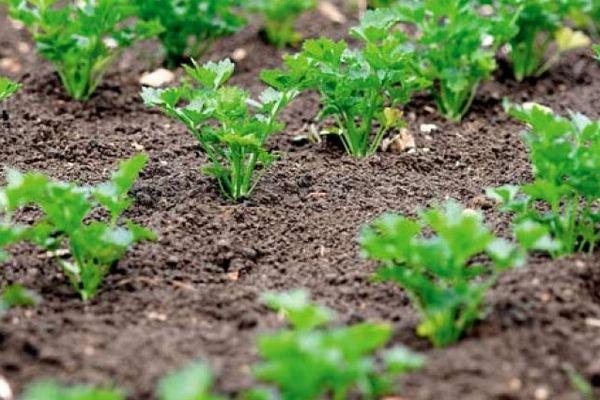
When intensive foliage growth occurs, it is necessary to water abundantly and regularly. The water volume should be increased to 8 l/m.2But when the seeds ripen, watering is sharply reduced to 2 liters.
Take a look Also

Rules for fertilizing coriander in the garden
When growing coriander, there's no need to fertilize it during the period of intensive growth (when it's building up green mass). The necessary fertilizers and valuable components are added in advance, when preparing the soil for planting.
Diseases and pests
Despite the presence of a large number of essential components, cilantro is susceptible to pest infestation. These include various types of bugs, winter cutworms (which chew the plant's tender stems), parasol moths, coriander seed beetles, and wireworms (which attack the roots). To prevent infestation, insecticide treatment is recommended.
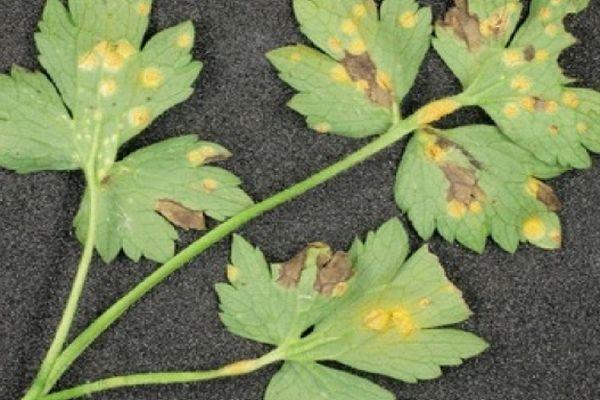
This crop is susceptible to diseases such as powdery mildew and ramularia. To prevent infection, it's important to follow proper planting techniques and monitor soil moisture, avoiding overwatering. If disease is detected, remove affected areas and treat with a fungicide. After treatment, do not cut the greens until the disinfectant is active.
Harvesting cilantro
Since cilantro grows quickly, it's recommended to sow new seeds every 3 weeks. The germination and growth period depends on the time of planting and environmental conditions. After 45-55 days, the greens are ready to harvest. With proper cultivation, harvesting can be done up to 3 times a year.
Important! Cilantro grown for its greens should be harvested before it begins to flower. Flower buds are not recommended.
After flower stalks form and actively grow, the foliage thins and becomes coarser. The green flavor also deteriorates. Cilantro's flowering period depends on the sowing time. When planted in late April, flower stalks form in late June or early July. If desired, the flower stalks can be removed; the cilantro will produce additional foliage. Flower stalks should be removed early.
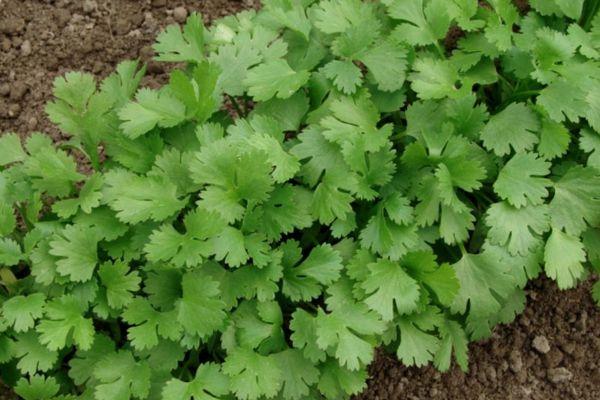
Cilantro is harvested when it reaches a length of 10-12 cm. It is recommended to harvest in the morning or on cloudy days. To ensure the plant grows over several cycles, it is recommended to harvest only the top portion of the greens, leaving the lower shoots.
The leaves are dried in a ventilated place without exposure to sunlight, otherwise they will lose some of their aroma.
Store in airtight containers. Only dried leaves are ground; cutting fresh herbs will cause them to lose a significant amount of their essential oils.
Growing cilantro and coriander doesn't require much time or effort, and you'll enjoy fresh herbs throughout the warm season.
Related posts:
 How to properly preserve cilantro for the winter and can it be frozen?
 The health benefits and contraindications of cilantro
 How to Grow Cilantro in a Greenhouse in Winter: Best Tips
 How to grow coriander (cilantro) from seeds in winter on a windowsill in an apartment at home
 13 Best Step-by-Step Recipes for Making Tkemali Sauce from Plums for the Winter
 Is it possible to soak treated cucumber seeds before planting and how to do it correctly?
 How to properly plant peas in a greenhouse and open ground
 The best eggplant varieties for growing in a polycarbonate greenhouse: planting and care