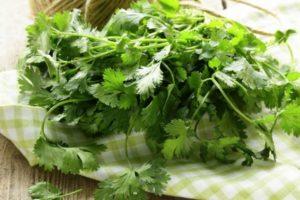
Cilantro is a spice plant. This herb can be grown from seed, in which case it is known as coriander. Growing cilantro in a greenhouse is very popular, as the plant produces a bountiful harvest year-round. In a greenhouse, the spice can be grown as a complementary herb or on its own. The former allows for planting it between rows of other crops.
To ensure a good harvest, the greenhouse should be equipped with a proper heating system. It will also be necessary to install an irrigation system and provide additional lighting. It is preferable to store the boxes of herbs on special shelves.
Advantages of a greenhouse
Cilantro is considered a very delicate herb. It's often featured in dishes, as it's a ubiquitous spice in cooking. Adding this herb perfectly enhances the flavor of fish and meat. It's also used in sauces and soups.
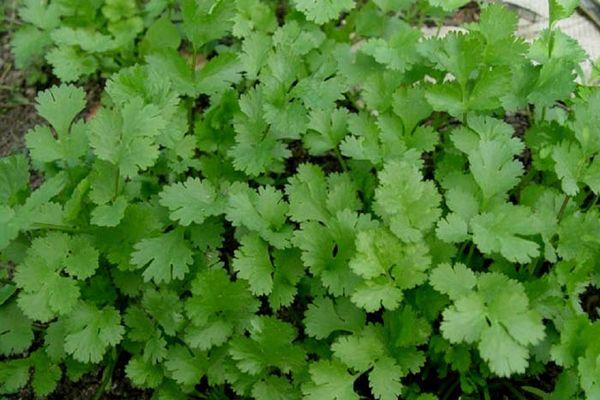
Most often, the spice is grown specifically for its greens, but coriander is also not forgotten. The plant grows well outdoors, but also produces a bountiful harvest in greenhouses.
This method of growing spices has the following advantages:
- If the greenhouse is heated, then you can harvest even in winter.
- Growing cilantro in a greenhouse prevents the greens from being damaged by pests.
- It is possible to provide the required level of humidity in a closed area of land.
- Reduced growing season. Fresh herbs are harvested two weeks after sowing.
- When planting, cilantro can be combined with other vegetable crops by planting plants between rows.
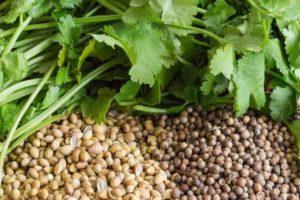
- Growing plants in a greenhouse allows you to obtain cilantro greens and coriander seeds.
Selecting seeds
Gardeners have access to a wide variety of cilantro varieties, the most popular of which are listed below:
- Amber. This fragrant plant can promote leaf formation with good, consistent watering. Its late seed production allows for a long harvest of greens. Leaves are cut at a height of 10 centimeters.
- The Venus variety is considered early, as the leaves are harvested within a month of germination. It has a unique aroma and stands out from other varieties with its more upright rosette.
- Caribe is considered a hybrid species. This plant is temperature-tolerant and is characterized by late flowering. Caribe is considered an annual.
- The Borodinsky variety of cilantro has tender leaves and a medium growing season. The greens impart a pleasant aroma and excellent flavor.
- The mid-late Stimul variety has a compact rosette, approximately 30 centimeters tall. Each plant weighs up to 45 grams. The foliage is dark green.
- The Alekseevsky 190 cilantro variety does not shed its leaves and is frost-resistant. It is rarely attacked by pests.
Growing
Rules growing cilantro at home:
- The first step is to prepare the planting site. This will require a large container.
- Coriander should be planted at 7-centimeter intervals. The seeds should also be placed at the correct depth (2 centimeters) in the soil.
- The container with the planted seeds will need to be wrapped in plastic or covered with film. This will create a greenhouse effect, creating favorable conditions for germination.
- Coriander requires good light to germinate, so a fluorescent lamp will be needed nearby.
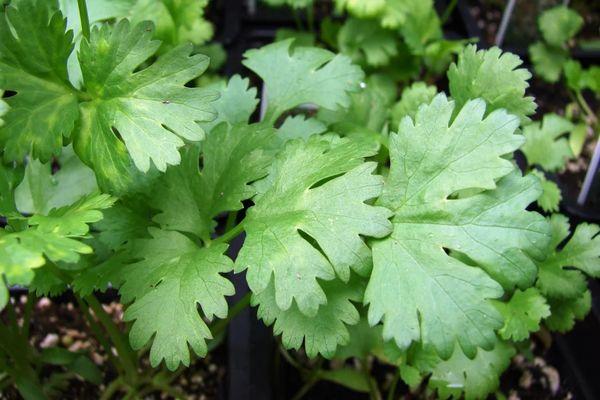
- The film is removed once the sprouts with cotyledon leaves emerge. After 20 days, the cilantro is ready to eat.
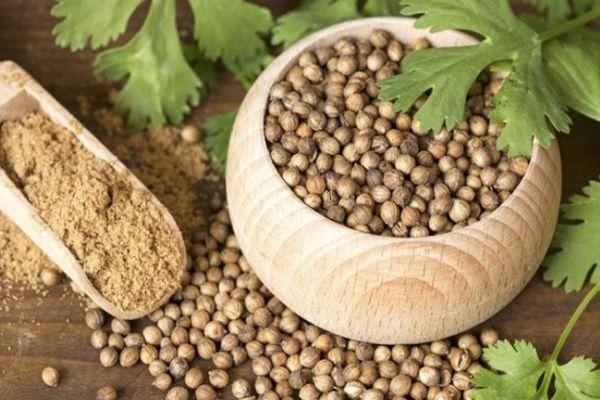
Coriander seeds can also be planted in pots. Small pots will only hold 1-2 seeds. The large size of the seeds makes propagating coriander a breeze.
Coriander seeds can also be planted in a greenhouse. This option involves sowing at the end of winter. In this case, seedlings will appear within two weeks.
Sprouts begin to appear after a month and a half. This period can be reduced to a month if planting begins closer to summer. This method growing cilantro takes a little longer than using a greenhouse.
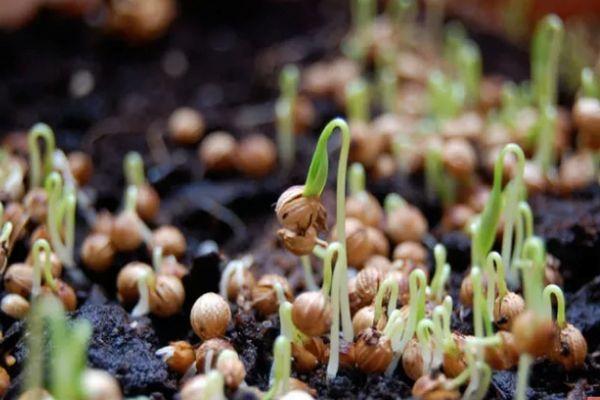
Greenhouse cultivation of greens has the following features:
- seeds are planted at a distance of 8-12 centimeters between them;
- A distance of 30-35 centimeters should be left between rows.
Soil preparation
Cilantro grows well in mildly acidic soil. To prepare the greenhouse for planting, remove the top layer of soil and mix it with peat fertilizer. Sand is sometimes also added. A solution of copper sulfate will help disinfect the soil. This solution helps kill harmful larvae. Afterwards, add manure, but it must be well-rotted. This mixture is then spread over the beds.
To increase yields, the soil in the greenhouse should be replaced annually. Mineral complexes containing potassium and superphosphate are also considered fertilizers. Wood ash or compost can be used as a substitute. Fertilizer is applied before planting. To do this, thoroughly loosen the soil.
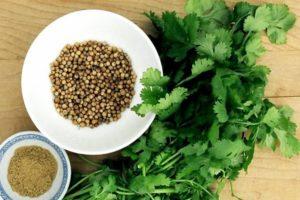
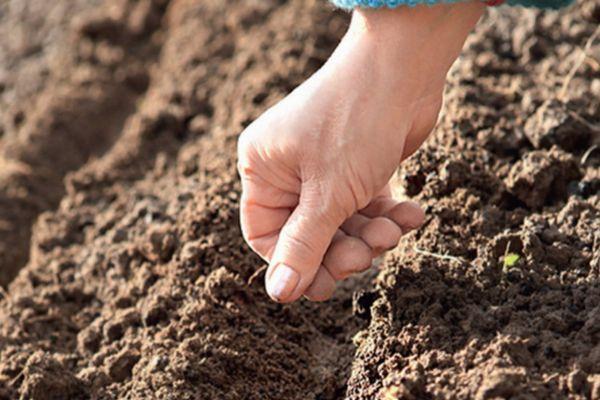
To ensure a good harvest, fertilize the plants after each harvest. Fertilizing should be done in conjunction with watering. Weeds should also be removed and the soil loosened.
Planting seedlings
Cilantro is planted at a distance of 8-12 centimeters. The distance between rows should be about 30 centimeters. This planting method simplifies care and provides sufficient space for the bushes to grow.
Temperature conditions
To ensure a good harvest, maintain the recommended greenhouse temperature of 18-20°C. Once the seedlings emerge, the temperature is increased.
Watering
Cilantro is considered an undemanding plant. The key to a good harvest is proper soil care and adequate watering. An automatic drip irrigation system will ensure the recommended soil moisture. To simplify watering, use a watering can with a wide spray pattern.
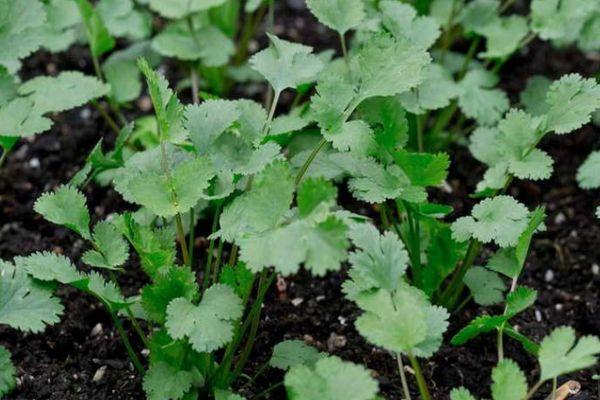
Plants should be watered twice a week. Room-temperature water is ideal. If the water is too cold, it will slow down the growth of the greenery. Cilantro should be watered intensively only when the green mass is growing.
Fertilizers
To get a bountiful cilantro harvest, the soil will need to be fertilized and loosened. It makes sense to apply fertilizer after digging the beds. Preference should be given to mineral fertilizers.
Diseases and pests
Ramula rot is a common cilantro disease. It can be identified by the presence of brown spots on the leaves during the growing season. The disease attacks the plant and leads to its death. Frequent rainfall can be a cause. Prevention includes treating coriander seeds and removing plant debris.
Harvesting cilantro
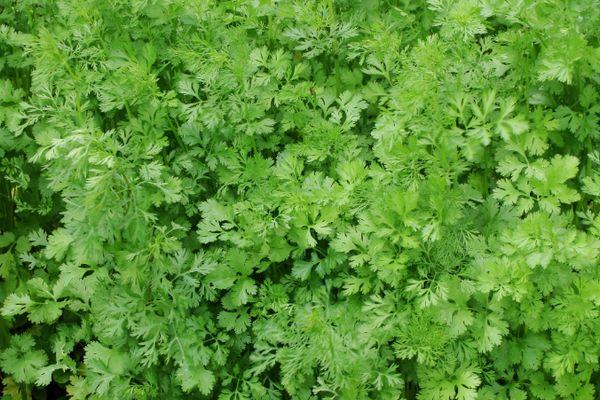
Harvest cilantro greens before flowering. However, the leaves must be ripe. It's best to harvest the greens in the morning. First, sharpen the knife. After cutting, rinse the greens with water and then dry them. Store the cilantro in a dry state. Cut it into pieces before cooking.
Related posts:
 Technology for growing and caring for coriander in open ground before winter, how and when to sow
 How to properly preserve cilantro for the winter and can it be frozen?
 The health benefits and contraindications of cilantro
 How to grow coriander (cilantro) from seeds in winter on a windowsill in an apartment at home
 Can you freeze arugula at home and how can you preserve it for the winter?
 Rules for growing parsley in a greenhouse in winter, yield and care
 13 Best Step-by-Step Recipes for Making Tkemali Sauce from Plums for the Winter
 How to choose the best dill varieties for growing greens without umbrellas in open ground and greenhouses