
Cilantro has a pleasant aroma and piquant flavor. This spice is used in salads, side dishes, and main courses. Cilantro contains many vitamins and minerals, which adds to its popularity. Fresh cilantro has a short shelf life, much shorter than parsley and dill. However, there are many ways to preserve cilantro for the winter.
How to properly store cilantro seeds
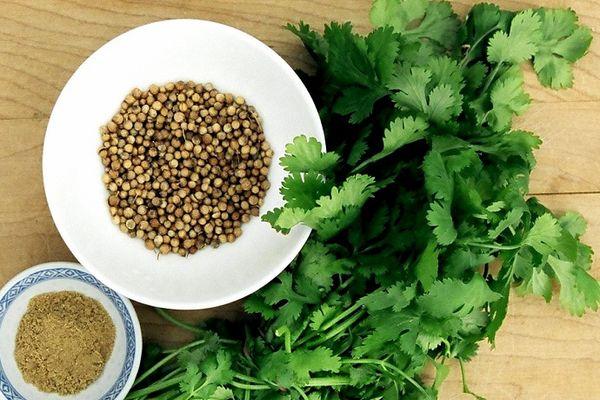
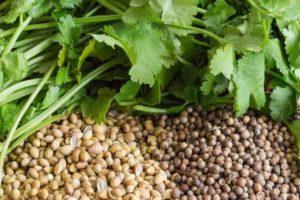
Not everyone knows that coriander is actually the seed of the cilantro plant. To preserve it properly, it's important to harvest and store the spice in a timely manner.
- Coriander seeds are harvested at the very end of August, when they are well-dried. Keep in mind that poorly ripened seeds have an unpleasant odor.
- The cilantro umbrellas are cut off and laid out to dry in a well-ventilated place, away from sunlight.
- After the umbrellas have completely dried, the seeds are removed by hand and poured into glass jars or paper bags.
The spice jar is labeled with the date the seeds were harvested. It's worth remembering that the spice has a shelf life of 4 years.
Some people don't like the smell of fresh cilantro. In this case, you can substitute coriander.
Methods for harvesting cilantro for the winter
Since this spice has a short shelf life, many home cooks wonder how to preserve it for future use. Cilantro can be preserved by drying, freezing, or canning. The taste will vary depending on the method.
Drying
Dried cilantro is used to season soups and side dishes. Young shoots, which have not yet produced seeds, are used for drying.
- First, rinse the greens under running water, making sure there's no dirt left on the stems. Then, remove any damaged leaves and lay the cilantro out on a towel to dry.
- The spice is finely chopped and laid out on a baking sheet, previously covered with white paper.
- Place to dry in a shaded, well-ventilated place.
Take a look Also

As the herbs dry, stir them to ensure even drying. Dry the cilantro for 5-7 days, then transfer to clean, dry jars with tightly sealed lids.
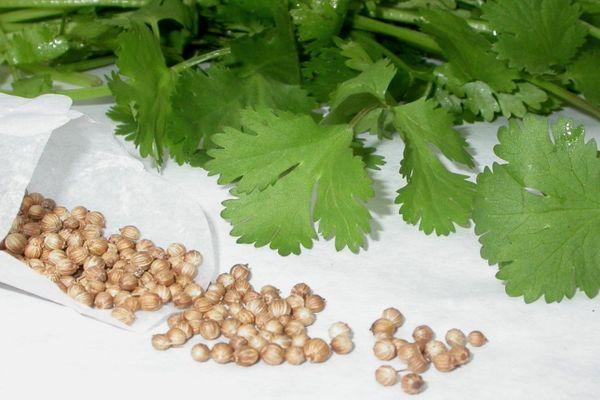
You can also dry the spice in the oven. To do this, turn the oven to low and open the door slightly. Dry the spice for 3-4 hours.
You can dry cilantro quickly in a special dryer. To do this, distribute the greens evenly across the tiers.
Freezing
Many homemakers wonder if fresh cilantro can be frozen. This method is considered the most preferable, as it preserves vitamins and other beneficial nutrients.
The spicy herb is frozen at a temperature of 12-14 degrees below zero.
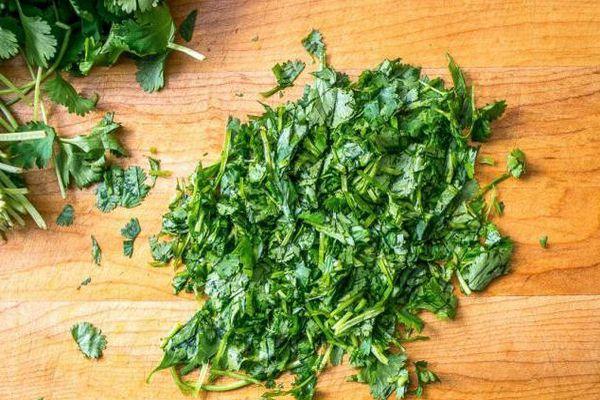
- The grass is washed, dried and finely chopped.
- I spread it on a cutting board and put it in the freezer.
- After 3 hours, the greens are poured into plastic bags and placed in the freezer for the winter.
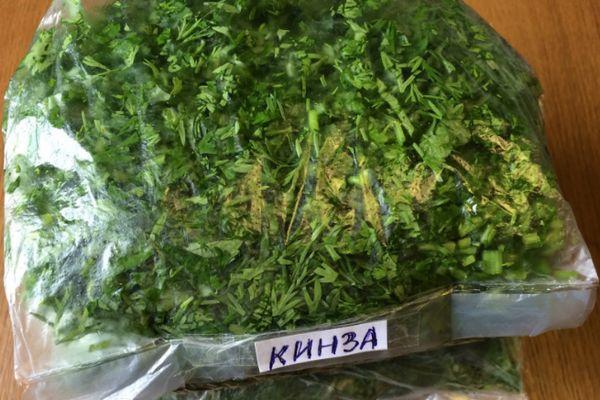
You can also freeze whole sprigs of herbs. To do this, wash them, dry them, and place them in the freezer. Once frozen, place them in a bag.
If you immediately place chopped greens and sprigs in a plastic bag without freezing them first, they will form a lump.
Pickling
Fresh cilantro can be pickled. To do this, chop the herbs and fill them in a half-liter jar in layers, sprinkling each layer with salt. Firmly pack the herbs, cover with a layer of salt, and cover with a lid. Store the pickled herbs in the refrigerator or a cold cellar. Rinse the herbs with water before using.
Canning
Cilantro is preserved for the winter, either on its own or combined with other herbs or vegetables. Liter-size jars are filled with washed cilantro, peeled garlic, and parsley sprigs.
To prepare the brine, take:
- Water - 2 liters.
- Salt - 2 tablespoons.
- Sugar - 1 tablespoon.
- Vinegar - 3 tablespoons.
First, pour boiling water into the jars and let them sit for 10 minutes. Then, drain the water and fill the jars with brine. Seal the lids and wrap them in a blanket.
Take a look Also
Preservation in marinade
Housewives who love to preserve vegetables know how to preserve cilantro throughout the winter.
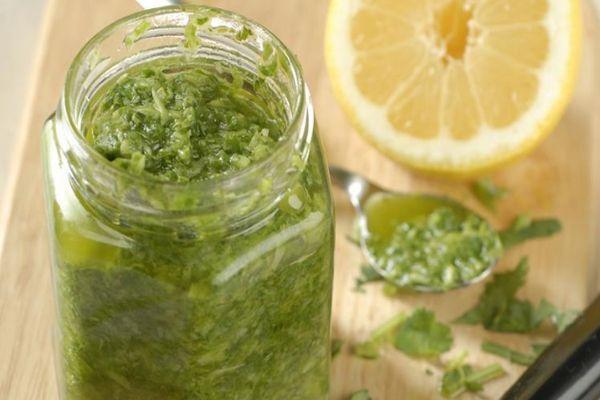
Pickling is a common method. The process is as follows:
- The greens are finely chopped and packed into clean, dried, threaded jars.
- Prepare the marinade from one and a half glasses of water, a tablespoon of 9% vinegar and ½ teaspoon of salt.
- Pour boiling marinade into the jars up to the shoulders, then add 2 tablespoons of vegetable oil to each jar.
The jars are screwed on with lids, cooled under a blanket and stored in a cool place.
Marinated cilantro can be used to prepare salads, appetizers and first courses.
In oil
Using cilantro and coriander, you can make a piquant oil for salad dressings and homemade marinades. Fill a bottle halfway with the herbs and umbels, top it with refined oil, and leave it to infuse in a dark place for two weeks.
If the oil is left to steep for a longer period, it acquires a brownish tint and a pleasant, spicy aroma. This oil is used to season cereals and potato dishes.
You can add 5-6 cloves of garlic and a hot pepper pod to the oil. This oil is ideal for salad dressing.
Butter with herbs
Butter with coriander is used in winter for spreading toast and sandwiches.
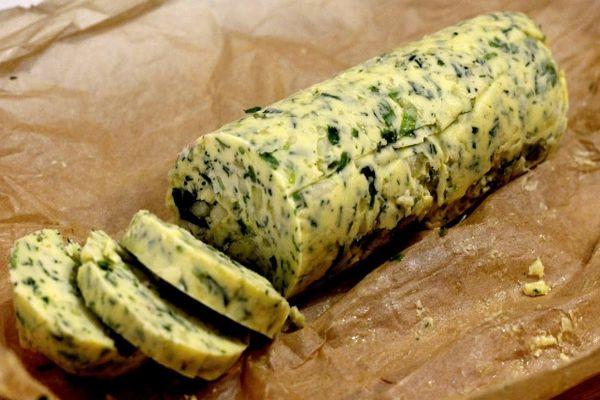
To prepare a healthy and tasty dish, you should take the following ingredients:
- Fatty butter - 200 grams.
- Chopped cilantro - 0.5 cups.
- Salt - a pinch.
Remove the butter from the refrigerator, transfer it to a bowl, and let it sit at room temperature for 4 hours. Afterward, mash the softened butter with herbs and salt, spread it on pieces of foil, and roll it into a tube.
To make the butter smooth, you can use a blender to mix it.
Cubes with greens
Wash and finely chop the herbs. Place the herbs in an ice cube tray and fill with decarbonated mineral water. Place in the freezer, freeze the ice cubes, and then transfer them to a plastic bag.
How to use cilantro
Frozen cilantro is added to dishes towards the end of cooking; it doesn't need to be defrosted first. Dried cilantro and seeds are often used in sauces and homemade mayonnaise. If desired, the herb can be ground into a powder using your fingers.
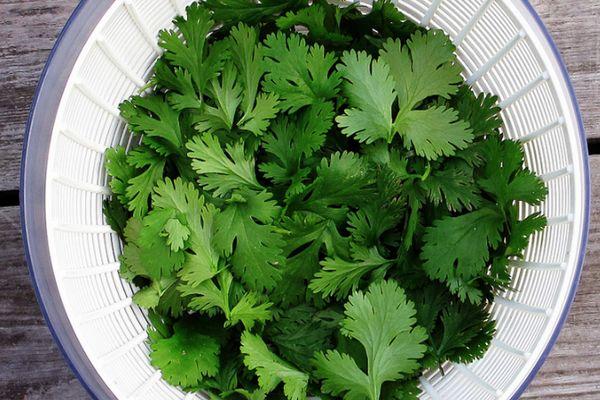
Avoid using frozen herbs as a garnish. After thawing, the leaves will look unsightly, so it's best to buy fresh herbs.
The beneficial properties of cilantro in winter
Cilantro has long been used to treat many ailments. When sown in a pot, the spice effectively purifies the air in a home. Cilantro is a good antiseptic and is also used as an expectorant for a nagging cough.
Coriander contains many vitamins and nutrients. This spice can replace pharmaceutical vitamin supplements. Ice cubes with pieces of the herb are used for facial care.
Not everyone likes fresh cilantro due to its distinctive aroma. Connoisseurs claim that the flavor can be slightly reduced by chopping the greens finely with a knife. Freezing and drying the herb also reduces its pungent aroma.
Related posts:
 Top 40 DIY New Year's Baking Recipes for 2020
 Technology for growing and caring for coriander in open ground before winter, how and when to sow
 How to Grow Cilantro in a Greenhouse in Winter: Best Tips
 The health benefits and contraindications of cilantro
 TOP 40 New Year's 2020 Meat Recipes Using Pork, Beef, Chicken, and Lamb
 TOP 40 Hot Dish Recipes for New Year 2020: What to Cook
 Can you freeze arugula at home and how can you preserve it for the winter?
 What to cook for New Year 2020: a new and exciting menu for the holiday table