
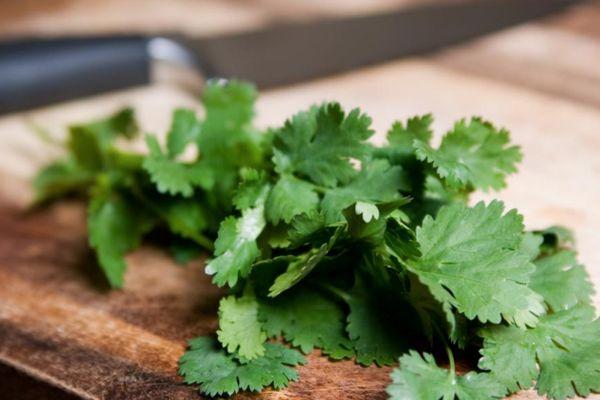
Growing cilantro on your windowsill is a noble endeavor! Besides being aesthetically pleasing, it provides a valuable source of vitamins and microelements that we need so much in winter. Cilantro will help you cope with the cold season more easily, as your body will be saturated with beneficial nutrients. With its distinctive aroma (due to the high concentration of essential oils in the greens), this plant has a pleasant taste.
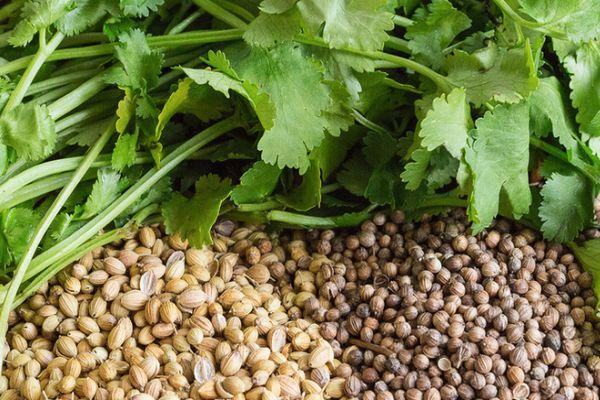
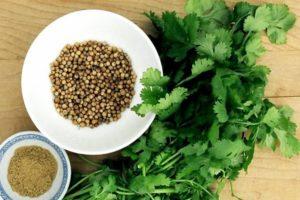
This spice has many names: the leaves are called "cilantro," the seeds "coriander." Other common names include chameem, calendra, cilantro, sancho, and dhania. It originates from the Mediterranean and was appreciated as far back as 5,000 years ago! This herb arrived in our region relatively recently, but has already firmly established itself as a staple on the table.
A green kitchen island will add harmony to a warm and cozy home. Especially since the instructions for growing it are very clear. All you need to do is follow all the instructions.
Growing from seeds
To grow cilantro indoors over the winter, you'll need seeds, soil, and a pot. The process is simple and quick. It's recommended to plant the seeds in the pot you'll be growing the herbs in.
Pot and soil
When choosing a pot, opt for a deep bowl: long or simply with a wide circumference. A small, compact container won't fully satisfy the plant's needs. Its roots grow densely, are large and long, and require ample space. It's generally considered optimal for a width of 45 centimeters and a depth of 30 centimeters. Of course, this doesn't mean only these pots are suitable. Just try not to choose smaller ones.
The container should be ceramic or made of another natural material. Plastic pots should be avoided, as they are practically impermeable to oxygen.
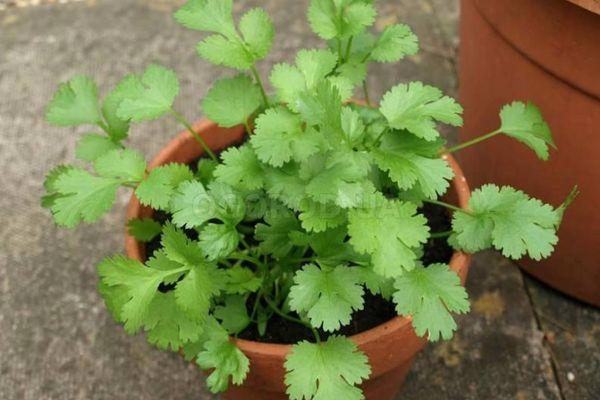 Important! Make sure the container has holes in the bottom to drain excess water.
The plant requires soil enriched with minerals, which will nourish cilantro grown at home and transfer these minerals to you. The soil structure should be loose. Experts do not recommend using soil from a garden or vegetable patch. It will not be sufficiently enriched with minerals, and it may also harbor pests.
It's best to purchase ready-mixed soil from a specialty store. Any neutral or slightly alkaline soil intended for vegetable crops will do. The key is to make your own soil without acidity. If you can't find ready-mixed soil, you can make your own. Light, loose, sandy loam soil with a neutral pH is ideal. If the soil isn't fertile, the plant will resist producing foliage and instead strive to reproduce.
Even store-bought soil isn't always completely free of pests. You can protect yourself with a simple method: a few days before planting, pour boiling water over the soil and sterilize it with a potassium permanganate solution. Dry the soil and proceed to the main stage. Now you won't have to worry about pests feeding on the roots of your delicious herb.
As the plants develop, be careful not to let a crust form on the soil. This will prevent oxygen from reaching the roots. Periodically thin the soil, being careful not to dig too deeply or make any sudden movements that could damage the plant.
A mandatory requirement is the presence of drainage.
Important! Use expanded clay, red brick fragments, pottery shards, or fine gravel as drainage material. Before adding the drainage material to the pot, rinse it thoroughly and rinse it with boiling water to disinfect it.
A new trend is the use of synthetic padding as a drainage material. It perfectly absorbs excess moisture.
Seed preparation
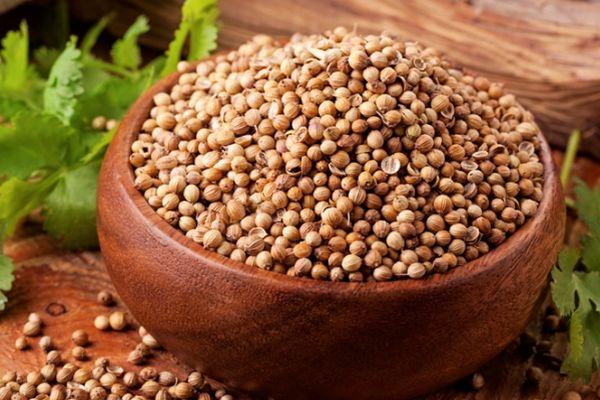
To ensure a successful plant, be sure to purchase only seeds intended for sowing. If you sow seeds from a spice packet, you're unlikely to get a harvest. This is because the seeds are dried and dehydrated during the spice preparation process, thereby extending their shelf life.
The round seed you purchase contains two seeds. Experts recommend dividing it before planting to speed up growth. This should be done carefully to avoid damaging the insides. However, this isn't necessary. Some retailers sell pre-divided seeds. This will make planting these seeds much more convenient and easier.
Important! The younger the seeds, the more likely they are to germinate. Avoid using seeds that are more than two years old.
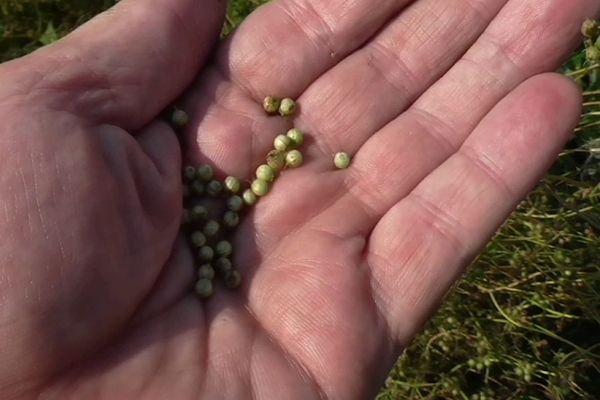
Some gardeners and homemakers use additional seed treatment, which involves soaking purchased seeds in warm water for a couple of hours, then soaking them for 15 minutes in a 1% pink solution of potassium permanganate. Then rinse them thoroughly under running water and leave them in a diluted growth stimulator for the time required according to the instructions. These simple steps cause the seeds to swell and germinate much faster. The poorly harvested seeds float to the surface and can be discarded, saving time.
Varieties for growing
Cilantro will grow from any variety of seed on a windowsill. Today, all varieties are adapted to both garden and indoor conditions. The growth rate is quite vigorous, resulting in a tall and lush plant.
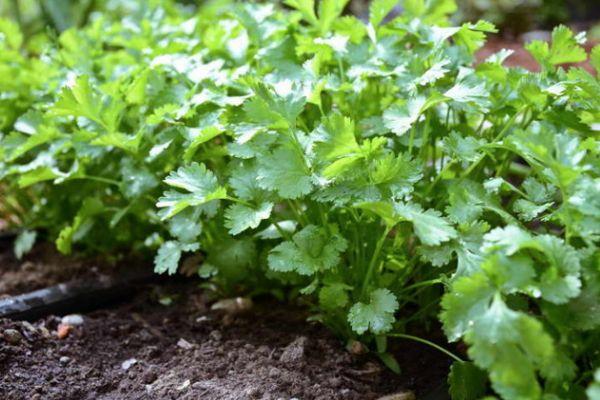
The best of the presented types are as follows:
- The Stimul variety. Germination is mid-late, with approximately two months from the time the leaves emerge until harvest. It has a compact appearance, with dense foliage filling the bush. The average height is 30 centimeters. The leaves are glossy and rich green.
- The Petrushka Ogorodnik variety. Germinates much faster than the previous variety (up to one month). The leaves have a delicate texture and are juicy.
- The "King of the Market" variety is early maturing. It has good characteristics: it's not overly fussy about heat and always produces a good harvest. The greens are juicy, soft, and have a distinct aroma.
- The Yantar variety is mid-season, with harvest times ranging from one month to 50 days after germination. The foliage is deep, dark green (except for the petioles, which are much lighter), juicy, and tender.
- The Bunch variety ripens quickly and has a distinct aroma. The stem stands upright.
- The Vostochny Aroma variety is also mid-season, maturing in 35 to 45 days from germination. It has a tall stem (up to 60 centimeters) and dense foliage. The grass is a rich, bright green. The leaves are glossy and smooth, and stand out from other varieties with their deep, spicy scent.
- The Avangard variety is highly disease resistant and produces a high yield. Its aroma is very strong.
- The Santo variety is also mid-season. From germination to harvest, it takes about a month and a half. The stem is tall, up to 60 centimeters, and the leaves are small, with a serrated pattern along the edges.
- Early variety. As the name suggests, it germinates quickly. It's very tolerant of cold temperatures and growing conditions. Despite this, the greens are juicy and tender.
- The Alekseevsky variety. It germinates quickly and doesn't require much heat. But it produces a bountiful harvest.
Sowing
The process of growing herbal spice consists of the following steps:
- Place drainage material at the bottom of the container, followed by soil. Leave the container three to four centimeters below the rim.
- Place about 10 round grains (or 20 halved grains) on top of the soil. Try to keep the distance between them approximately equal.
- Cover the seedlings with soil to a depth of 1 centimeter and moisten it with a spray bottle.
- Place a glass container or cover it with plastic wrap and wrap it all in regular cellophane. Poke a few holes to allow oxygen to enter. This will create a greenhouse effect, allowing the germination process to proceed undisturbed. Check the soil periodically and moisten it if necessary. Once the plant reaches a few centimeters in height, remove the glass and plastic bag.
Important! Cilantro has a straight, rod-like root with small branches attached. It is very fragile and delicate. Any slight damage will result in the complete death of the entire plant. Therefore, repotting cilantro is not recommended; plant it in a container that will support its growth year-round.
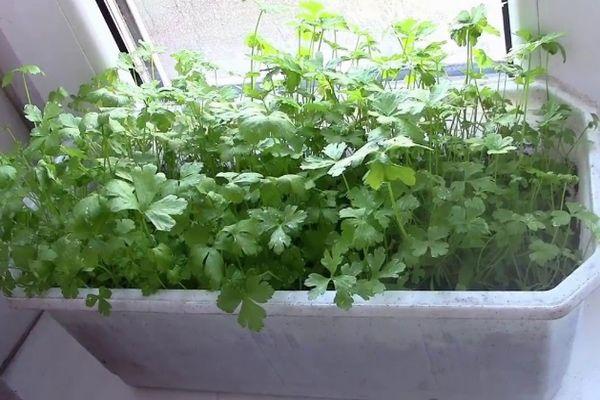
Cilantro seeds don't do well with other plants, so don't think about planting anything else in the same pot, not even parsley.
Where to place the pot with seedlings
Place the pot in a warm room, but keep it out of direct sunlight. Make sure the soil doesn't dry out until the sprouts emerge. Germination takes up to 10 days. After this, growth will accelerate significantly. Once the stems reach 2-3 centimeters in height, place the container on a sunny window or balcony.
Important! Although cilantro loves light and warmth, avoid exposing young seedlings to direct sunlight. It will burn the tender, fragile leaves.
If you notice that the plants are growing too close together, they need to be thinned out to prevent them from becoming weak. This should be done with a knife or scissors, carefully cutting off the thinner, shorter stems. Never uproot the plant! It will pull other seedlings, which will also need to be removed.
Take a look Also

How to care
To prevent the spice from producing seeds prematurely, it's essential to provide ideal care. This will ensure the plant focuses on foliage growth and will grow into a lush, bushy plant.
Temperature
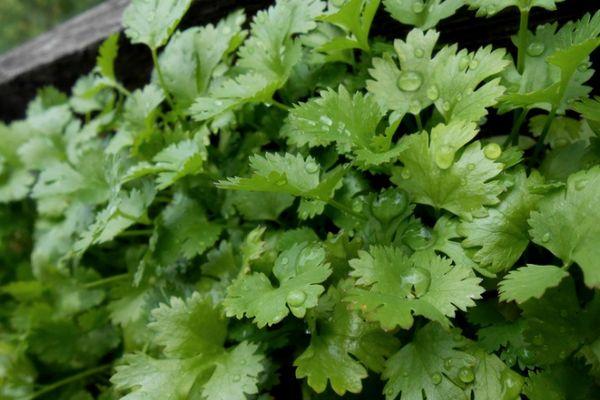
Growing herbs indoors requires a neutral temperature. This heat-loving plant does not tolerate prolonged exposure to cold air and does not like drafts. Under such conditions, it is susceptible to disease, and growth is significantly slowed. However, the opposite conditions are also harmful to cilantro. Harmful direct sunlight and dry air are undesirable. Try to create an environment with a comfortable temperature and low humidity.
Watering
This is the key to a good harvest. The soil for cilantro should be well-watered, as soon as it becomes dry. Before and during the initial period after germination, water with a sprayer to avoid disturbing the soil structure. Once the seedlings have gained strength, you can water them as usual.
Related posts:
 How to grow parsley on a windowsill in winter and recommendations for caring for the crop at home
 80 Best Eggplant Varieties for Different Regions with Descriptions and Characteristics
 The best grape varieties for growing in the Urals, planting and care rules in summer
 Descriptions of the 20 best cherry varieties for the Moscow region, their planting and care
 Description of 30 varieties and types of Muscat grapes, planting, cultivation and care
 How to grow grapes in the Moscow region in open ground without a greenhouse
 Beginner's Guide to Growing Grapes in Open Ground in Central Russia
 Description and characteristics of the 60 best sea buckthorn varieties, how to choose depending on the region