
- History of the introduction of the hybrid
- Advantages and disadvantages of the Emerald Stream f1 cucumber variety
- Characteristics of the culture
- External description of the bush
- Pollination and flowering
- Ripening time and yield of the plant
- Drought and low temperature tolerance
- Susceptibility to diseases and pests
- Agrotechnical characteristics of the variety
- Optimal conditions for growing
- Lighting requirements
- Required soil composition
- How to plant cucumbers correctly: timing and patterns for sowing and planting seedlings
- Care for the variety in open ground and in greenhouse conditions
- Watering frequency
- Top dressing
- Loosening and weeding the soil
- Formation of the whip
- Preventive treatments
- Gardeners' reviews of the crop
Recently, Chinese cucumbers appeared on Russian shelves, so big you could feed a whole family with one. This gave our breeders a reason to boast about a new hybrid. It's easy to grow, produces a high yield, grows in any conditions, and has excellent flavor. This is just a brief description of the hybrid cucumber variety, Emerald Stream F1.
History of the introduction of the hybrid
The Emerald Stream F1 cucumber variety was developed recently, only in 2007. The patent for its development and selection belongs to the Domodedovo (Moscow Region) agricultural company SeDek. According to gardeners, the prototype for this variety long-fruited cucumber varieties have become From China, the main purpose of which is salads. In Russia, cucumbers are popular and are planted throughout Russia, both in greenhouses and in open ground.
Advantages and disadvantages of the Emerald Stream f1 cucumber variety
Emerald Stream has a wide range of advantages:
- early maturity;
- high yield rate;
- the ability to grow in any conditions (in a greenhouse, in open soil, on a balcony or on a windowsill in an apartment);
- increased sizes of cucumbers;
- the plant's unpretentiousness and high immunity to diseases and pests.
Among the disadvantages we can note:
- intended for fresh consumption only;
- large fruits overload the plant;
- requires regular feeding;
- risk of root rot.
Characteristics of the culture
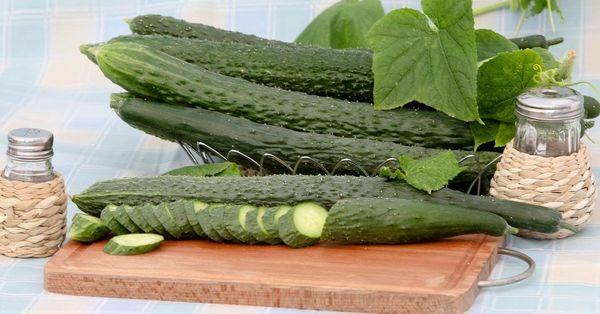
This cucumber hybrid ripens in the shortest possible time. On average, it takes 40-45 days from planting to the first fruits. The variety was originally advertised as bee-pollinated. However, breeders later discovered that this requirement is not mandatory, but it does increase yield. The fruiting period of Emerald Stream is extended, with additional ovaries appearing as the bush grows.

External description of the bush
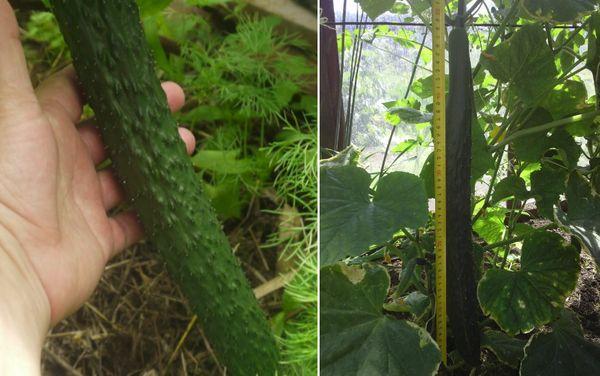
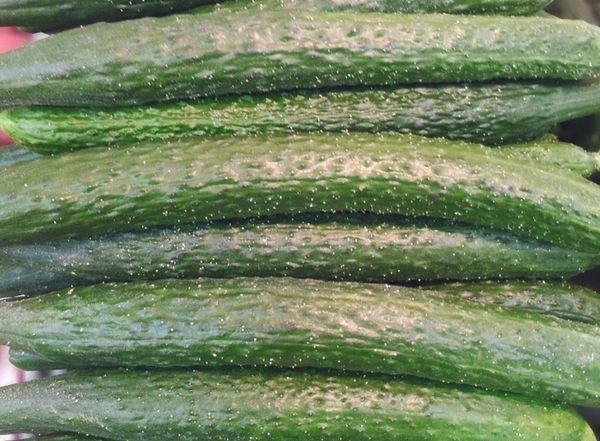
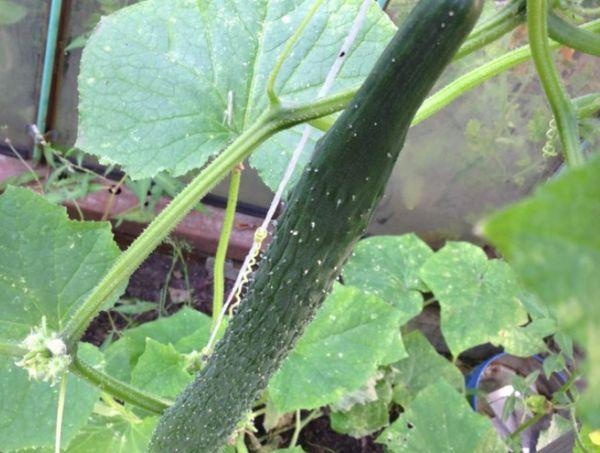
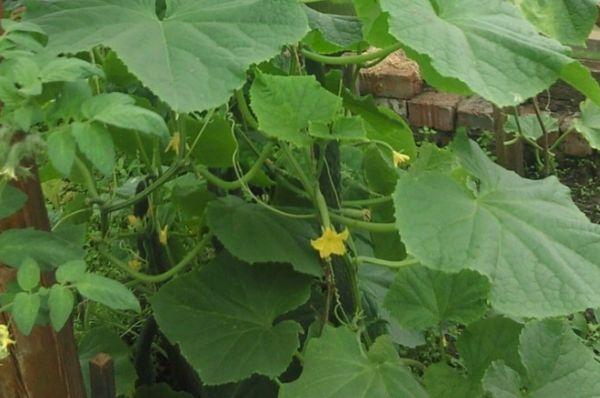
The plant is vigorous, with fleshy, stocky branches. An average bush can bear up to five ripe cucumbers at a time (one cucumber reaches 50 centimeters in length and weighs about 150 grams). The plant grows to an impressive size, so vertical cultivation is recommended. The foliage is a rich green, medium-sized, and widely spaced.
Pollination and flowering
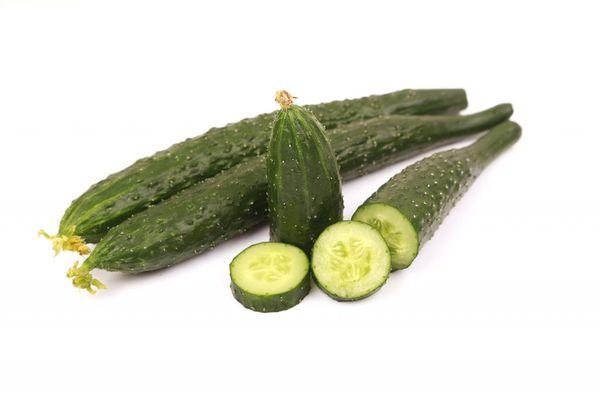
The Emerald Stream variety does not require direct pollination and is suitable for indoor planting. However, gardeners claim that pollination benefits the female flowers, which primarily appear on the bush, and increases yield.
Ripening time and yield of the plant
Emerald Stream cucumbers ripen within a month and a half, but the ovaries don't form at the same time, so harvesting continues for a long time. Up to seven kilograms of cucumbers can be harvested from a single plant per season.
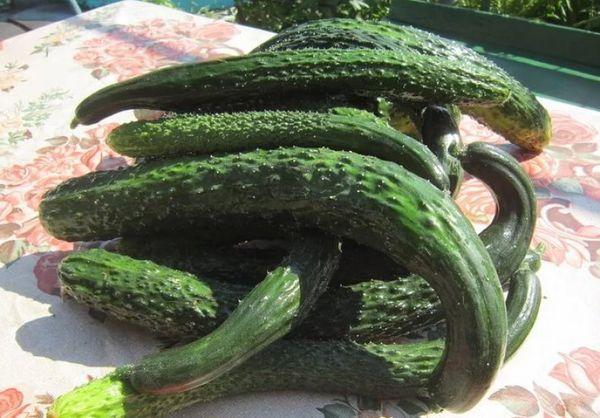
Important! The fruits reach half a meter in length, but it is recommended to pick them when they reach 40-45 centimeters. Otherwise, the fruits dry out and spoil.
Drought and low temperature tolerance
This variety has increased drought tolerance; furthermore, overwatering can lead to root rot. Gardeners should develop a customized watering schedule based on their soil. Low temperatures significantly weaken Emerald Stream, so it should not be planted in the ground too early.
Susceptibility to diseases and pests
The most common diseases cucumbers - powdery mildew and cladosporiosisHowever, Emerald Stream has a strong immunity to these diseases. As a preventative measure, it is recommended to immediately protect the bushes from ant and mole cricket infestations and regularly disinfect the trunks to prevent the spread of the fungus.
Agrotechnical characteristics of the variety
The plant has versatile agricultural properties. Cucumbers are suitable for planting in any conditions, both as seedlings and from seeds. Emerald Stream is renowned for its nearly 100% seed germination rate in open ground.
Optimal conditions for growing
Emerald Stream F1 is undemanding in terms of planting conditions, but the most suitable locations are a greenhouse and open ground. However, for a high-quality harvest, it is recommended to adhere to the following:
- temperature conditions;
- watering and fertilizing schedule;
- whip formation.


Lighting requirements
Despite the plant's overall low maintenance, it does have certain lighting requirements. Emerald Stream does not tolerate shade when planted, a finding that becomes apparent only during harvest. Shade-exposed fruits have a dull color and inferior flavor.
Required soil composition
It's recommended to prepare the soil for planting Emerald Stream in the fall. This requires fertilizing the soil with humus, compost, or rotted manure, at a rate of one bucket of fertilizer per square meter of soil. This can also be done in the spring, but the absorption of nutrients will be slightly lower.
How to plant cucumbers correctly: timing and patterns for sowing and planting seedlings
Gardeners often prefer to plant from seedlings, so it's recommended to sow seeds for bushes from mid-March to early April. The seedlings will ripen just in time for the established temperature regime (approximately after the May holidays). Planting is recommended at a distance of 30 centimeters from each other.
Care for the variety in open ground and in greenhouse conditions
Important! Although the Emerald Stream variety is generally easy to grow, cucumbers require careful care in several areas:
- watering;
- fertilizer;
- soil care;
- bush formation.
Care requirements are almost the same for both greenhouses and open-air gardens. However, indoors, the plant also needs access to ultraviolet light. Special lamps are usually installed for this purpose.
Watering frequency
Since cucumbers are 85% water, they undoubtedly require ample watering. It's recommended to water them in the evening, at sunset, when the sun can no longer scorch the plants. Water with warm, settled water, and avoid allowing water to stagnate around the roots (this leads to root rot). If weather permits, you can also mist the plants from above while watering.
Top dressing
These cucumbers require regular feeding. Gardeners recommend fertilizing the plants throughout the growing season. The following are optimal fertilizers:
- manure;
- humus.

The first feeding is recommended after the first leaf emerges. Fertilize again three weeks later. And the final time is just before the shoots close.
Loosening and weeding the soil
The soil for Emerald Stream cucumbers should be loose enough to allow all the water to be absorbed during watering. However, overly fertilized soil often encourages weeds, which can choke the plant early on. Therefore, to create these two necessary conditions, gardeners recommend weeding the soil more frequently.
Important! The area around the stem requires special attention. There is a risk of damaging the roots with the metal base.
Formation of the whip
The Emerald Stream variety grows primarily upwards, not outwards, so it doesn't require careful shaping. It's recommended to leave the ovary from the fifth leaf to the eighth; barren flowers should be removed. Shoots should be pinched.
Preventive treatments
Preventative treatments are primarily carried out against aphids and fungal infections. It is also recommended to treat and harden off seedlings before planting, a process that takes up to 10 days.
Gardeners' reviews of the crop
Semyon Semyonovich, 48 years old, Chelyabinsk
"Emerald Stream is an excellent cucumber variety. It's relatively easy to grow, produces a large harvest, and the fruits are delicious."
Alexandra, 32 years old, Zelenograd
"Be careful with watering, I lost an entire bed to rot."
Lyubov Pavlovna, 56 years old, Samara
"Even though they say they're not suitable for canning, I've actually pickled them. They make delicious cucumbers. You just have to cut them to a standard size, 5-8 centimeters."
Related posts:
 Description of the best varieties of Chinese cucumbers, planting, growing and care
 Description of unusual methods for planting and growing cucumbers
 How to care for cucumbers in open ground from planting to harvesting
 How to make a cucumber trellis with your own hands from scrap materials
 How to properly plant cucumbers in open ground with seeds, and at what depth
 How to properly plant cucumber seedlings in a greenhouse and care instructions
 Types of fungicides for cucumbers in a greenhouse and instructions for use
 Is it possible to soak treated cucumber seeds before planting and how to do it correctly?