
- The history of the April cucumber variety and its characteristics
- Pros and cons of the species
- Description and characteristics of cucumbers
- External characteristics of the bush and leaves
- Characteristics of fruits and yield
- Susceptibility to diseases and insects
- Resistance to low temperatures and drought
- How to Grow a Crop: Timing and Step-by-Step Instructions
- Sowing and germinating seeds
- Rules for planting seedlings in the ground
- We organize care for seedlings
- Watering
- Loosening the soil and weeding
- Pinching out stepsons
- How to shape and tie a cucumber stem
- Top dressing
- Prevention: pests and diseases
- Reviews and recommendations from gardeners about the April F1 variety
The Aprelsky cucumber variety isn't just a favorite among summer residents; city dwellers also grow it successfully on their windowsills. Its characteristics make it ideal for this purpose. It's been grown in gardens for a long time. Even in Soviet times, Aprelsky cucumbers were planted for an early harvest.
The history of the April cucumber variety and its characteristics
The Aprelskiy cucumber is a heterotic hybrid. This is indicated on the seed packet. Next to the name is the designation "F1." This variety was developed by breeders at the Timiryazev Agricultural Academy, hence the hybrid's original designation: TSKhA 98.
In 1977, TSKhA 98 was included in the State Register. This heterotic hybrid was developed for cultivation in plastic shelters. The State Register states that it can be grown in heated winter greenhouses in all seven light zones of the Russian Federation. The Aprelsky cucumber has since undergone variety testing, and the hybrid has been zoned in 24 regions.
It takes 45-50 days for a cucumber to begin bearing fruit. Based on this parameter, it is classified as an early-ripening cucumber. The hybrid exhibits partial parthenocarpy. Fruit can set without bee pollination. Experience has shown that the early harvest is higher if the first two flowers are pollinated.
Pros and cons of the species
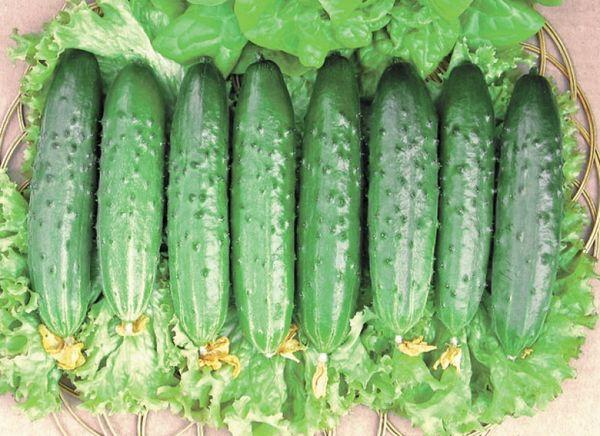
When choosing a variety for planting, always consider its pros and cons. A brief assessment of the cucumber hybrid is provided in the table.
| Dignity | Flaw |
| Early ripening | Suffers from white rot |
| Cold resistance | Short period of active fruiting (1-1.5 months) |
| Friendly fruiting | |
| Good immunity | |
| Productivity | |
| Absence of bitterness |
Description and characteristics of cucumbers
At one time, the variety's flavor was praised by international experts. The Aprelsky hybrid won gold at a show in Germany.
External characteristics of the bush and leaves
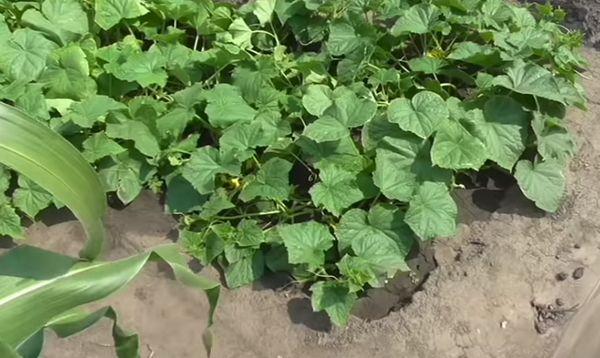
The bushes are compact, producing a medium number of shoots. Lateral shoots are determinate and typically self-regulate. Flowering is female.
Characteristics of fruits and yield
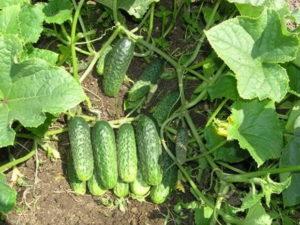
Most of the harvest is collected in the first month of fruiting. In greenhouses, yields are high—7-13 kg/m². With bee pollination, the yield is several times greater. The fruiting period is 1-1.5 months.
The hybrid is intended for salads. The manufacturer does not recommend pickling or canning the cucumbers; they can be salted. They are quite large. Size and other characteristics of the fruit:
- in the crossbar 4-4.5 cm;
- length 13-22 cm;
- weight 200-210 g;
- cylindrical shape;
- the surface is slightly tuberculate;
- white thorns;
- The taste is satisfactory and good.
Susceptibility to diseases and insects
The hybrid is relatively resistant to root rot, cucumber mosaic virus, and ascochyta leaf spot. The crop rarely suffers from olive leaf spot (cladosporiosis). The causative agent, the fungus Cladosporium, actively reproduces in cold weather indoors.
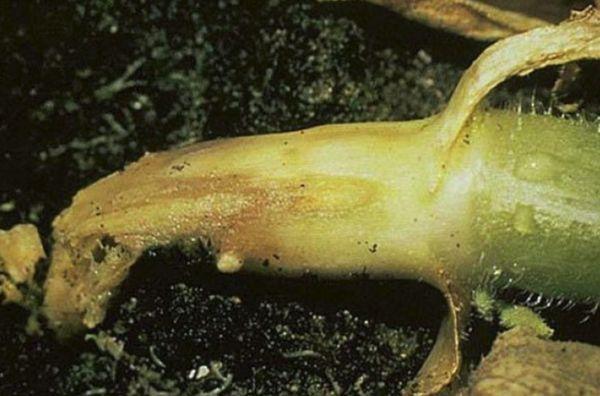
Olive spot fungus attacks susceptible varieties, destroying up to 50% of the fruit. White rot is considered a threat to the TSKhA 98 hybrid. Prevention is essential. Aphids are a serious insect threat to the crop. As they migrate, they attack young plants.
Resistance to low temperatures and drought
The hybrid has high tolerance to low temperatures. Unstable summer weather and sharp daily temperature fluctuations in spring and August have little effect on fruit set or yield.
The Aprelsky cucumber thrives in temperatures ranging from 20-22°C and tolerates short-term drops to 16°C. Its growth stops if the soil cools to 10°C. Seedlings establish more quickly if the soil warms to 20°C.
How to Grow a Crop: Timing and Step-by-Step Instructions
For an early harvest, the Aprelsky cucumber can be grown not only in a greenhouse. It's also possible to plant the hybrid under a frameless plastic cover.
Sowing and germinating seeds
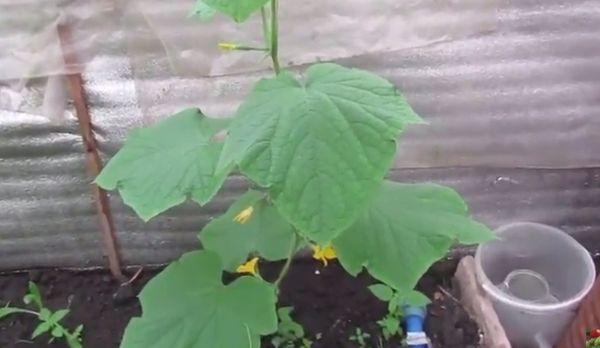
The timing of sowing seeds for seedlings varies for each climate zone. The timing depends on where the cucumbers will be grown. Aprelsky cucumber seedlings are planted in a greenhouse 2-3 weeks earlier. The seedlings are 22-25 days old when transplanted. Soak the seeds for 2-3 days before sowing. This allows them to hatch.
Plant in individual cups, deepening them to the height of the seed. Cover with plastic wrap. Seedlings should appear on the fifth day. Provide supplemental light to the seedlings in the morning and evening. The optimal daylight period is 16 hours. Lights emitting blue light are suitable for artificial illumination.
Rules for planting seedlings in the ground
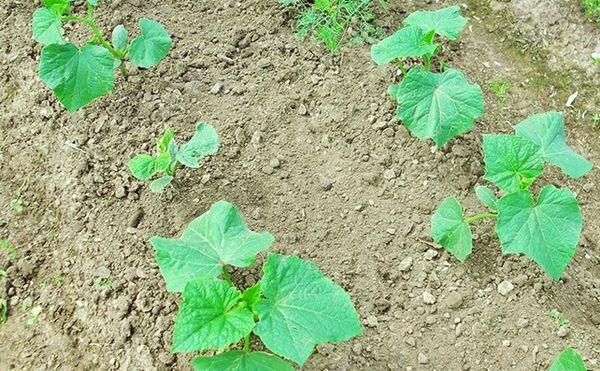
When the soil warms to 20°C, Aprelsky seedlings are planted in a garden bed. No more than three holes are placed per square meter. The recommended planting pattern is 30 x 50 cm. By the time of transplanting, the seedlings should have at least four leaves and a well-formed root system.
Take a look Also

We organize care for seedlings
Maintenance is simplified if crop rotation is practiced in the garden. In the greenhouse, the soil is renewed every two years. Soil fertility is regularly restored in both areas. Green manure is sown, and organic matter and mineral fertilizers are applied.
Watering
Water with warm water after sunset. Stop watering during colder weather. High humidity at low temperatures can cause fungal diseases. In hot weather, if there's no rain, cucumbers can be watered daily. The standard regimen is:
- in hot weather - once every 2 days;
- if it’s cool – once every 5 days.
Loosening the soil and weeding
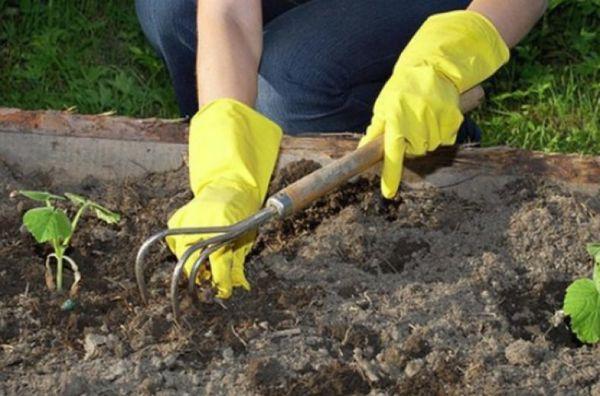
The soil is loosened after each watering. Loosening prevents a surface crust from forming, which blocks oxygen from reaching the roots. Weeds are removed regularly. Both procedures become unnecessary once the bed is covered with mulch.
Pinching out stepsons
When the 8th or 9th leaf appears, the plant begins to be shaped. The three lower nodes are always pinched off. At the next five nodes, one ovary and one leaf are left. All other side shoots, starting from the 9th node, are pinched off after the third leaf. Pinching helps regulate the yield.
How to shape and tie a cucumber stem
In the greenhouse, the April cucumber is grown on a vertical trellis.The height from the ground to the top wire is 1.8 m. The plants are tied up on the day of transplanting. Use 2.5 m long pieces of twine. The loose loop is attached under the third leaf.
When the central shoot reaches the top wire, it is wrapped around it twice and lowered. The crown of the main stem is pinched off, leaving the growing points on the two upper braids.
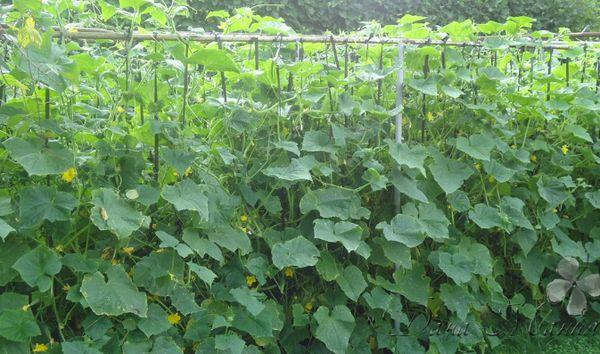
In the garden, the hybrid can be grown and formed in different types of vertical beds:
- cone-shaped trellis;
- frame trellis in the shape of a hut;
- trellis in the form of a flat lattice.
Top dressing
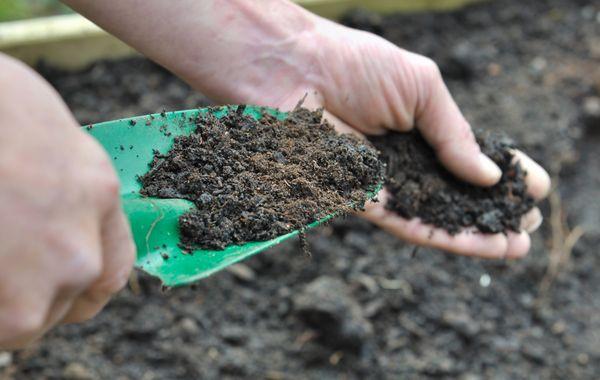
The April cucumber responds well to organic fertilization. Add 1 liter of mullein infusion to a bucket of water. 0.5-1 liter is sufficient for one plant. Fertilize after scheduled watering. Mulch the soil. Other fertilizers:
- ammonium nitrate - 1 tbsp. per 10 liters of water, consumption - 10 l/m²;
- superphosphate - 2 tbsp per 10 liters of water, consumption - 10 l/m²;
- Potassium nitrate - 1 tbsp per 10 liters of water, consumption - 10 l/m².

Potassium-rich root fertilizers are needed during flowering and fruiting. Nitrogen is essential during active vine growth. Phosphorus is needed throughout the growing season. The hybrid is fertilized 3-4 times per season.
Prevention: pests and diseases
Crop rotation is the primary prevention of any vegetable crop disease. In a greenhouse, it's replaced by another method: renewing the soil. It's brought in from beds previously used for onions, legumes, and cabbage.
For symptoms of white rot, use a mixture of water (3.5 l), whey (1.5 l) and copper sulfate (0.5 tsp) or the following preparations:
- "Oxychom";
- "Topaz".
Aphids are controlled with store-bought products such as Iskra, Aktofit, and Aktara. While insects are few in number, the leaves are sprayed with an ash-soap infusion.
Reviews and recommendations from gardeners about the April F1 variety
Yulia, 37, Moscow region: "I planted Aprelsky in a greenhouse. It was a cold summer. The fruits were bitter. Few cucumbers set. The description says there's no bitterness."
Evgeniya, 41, Samara: "I plant 2-3 rootstocks in the greenhouse. We harvested our first cucumbers from the Aprelsky plant. This year, we picked them on May 18th. I grew the seedlings indoors. The cucumbers produced fruit vigorously for 1.5 months, and there were no bitter cucumbers."
Ivan, 48, Moscow region: "I always recommend the Aprel'skiy cucumber variety to everyone I know. I've been planting it outdoors for several years now, and I also grow two plants on the balcony. The plants are compact and very easy to care for. I chose it because it's cold-hardy and suitable for our climate. The fruits don't taste bitter, they're great in salads, and they're long (25 cm). My feedback on this hybrid is positive."
Related posts:
 Description of the African horned cucumber variety Melotria, cultivation and care
 Description of the best varieties of Chinese cucumbers, planting, growing and care
 Description of the best varieties of pickling and barrel cucumbers for greenhouses and open ground
 Recipes for cold, hot, and original appetizers for the New Year 2020
 The best eggplant varieties for growing in a polycarbonate greenhouse: planting and care
 Characteristics and description of the Izyashny cucumber variety, yield and cultivation
 The best cucumber varieties for open ground in the Moscow region and their cultivation
 Top 50 Best Cucumber Varieties for Polycarbonate Greenhouses with Descriptions