
- What does the ripening period depend on?
- Variety
- Early
- Mid-season
- Late
- Weather conditions
- Fertilizers
- Purpose
- Signs of maturity
- Yellowing or drying of lower leaves
- Lodging of tops
- Appearance and taste
- White roots on the root vegetable
- Cleaning techniques
- Proper pruning after harvest
- Storage Features
- Prevention
- Copper sulfate
- River sand
- Chalking
- Dry method
- Wet
- Onion peel infusion
- Clay shell
The quality of carrot roots, their nutritional value, and shelf life depend on timely and proper harvesting. If they are harvested too early or too late, they will not keep well in a basement or cellar, and will rot or dry out. When determining harvesting time, it's important to consider the variety's characteristics and the appearance of the ripe carrots.
What does the ripening period depend on?
The timing of carrot harvesting depends entirely on:
- what kind of vegetable is planted in the garden;
- What are the climatic and weather conditions for growing root crops;
- What is the composition of the soil in the garden?
- when the crop reaches biological maturity;
- For what purpose is the vegetable plant cultivated?
Carrots shouldn't be kept in the garden until frost sets in. Even when it's warm outside, the carrot crop may not survive the temperature fluctuations when placed in a cold cellar.
Variety
In the final weeks before harvest, carrots accumulate nutrients and vitamins more intensively. Roots ready for consumption and storage should be harvested promptly. The time for harvesting carrots depends on the plant variety.
Early
It's best to begin pulling early carrot varieties as early as mid-June. Selectively remove the larger ones first. The freed-up space allows the remaining root vegetables to grow faster. It's best to fill in the holes left by the harvested carrots with soil. This will prevent harmful insect larvae from affecting the carrots.

By the end of the first month of summer, all the vegetable plants are often harvested. You can pull up the carrots at once, and plant cauliflower, broccoli, and green beans in the beds.
Mid-season
Mid-season carrots reach maturity in mid-September to early October. At this point, the juiciness and nutritional value of the fruit make them ideal for winter salads and sauces. It is not recommended to keep these vegetable varieties in the ground for any longer, as they will lose their beneficial properties.
Late
Harvesting of late-ripening vegetables begins a little later. After the 20th of September, carrots that have reached biological maturity begin to be harvested from the garden beds. It's important for the roots to ripen; otherwise, early harvesting will result in spoilage or drying out.
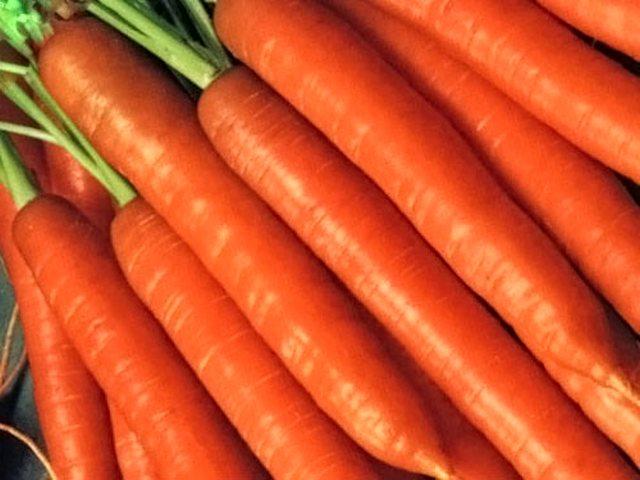
The timing also depends on weather conditions. When cold weather sets in, crops should be harvested earlier. Fruits begin to rot in the garden if bad weather persists for a long time and involves prolonged rainfall.
Take a look Also

Weather conditions
Don't delay harvesting root vegetables, especially if autumn weather in your region is volatile. If temperatures reach 10 degrees Celsius or higher, postpone harvesting. This applies to those varieties of vegetables that will be stored. High humidity from constant rainfall adversely affects the condition of the carrots. They will begin to split and grow new roots.
When the summer season is sunny and rainfall is minimal, the time for harvesting vegetables shifts to an earlier date. When the weather is damp and cold for a long time, harvesting should be done later.

Fertilizers
The optimal time for harvesting carrots is September. The vegetable ripens faster in nutritious, humus-rich soils. If you need to harvest carrots earlier, pay attention to the application of minerals. The crop requires additional feeding during consistently dry or rainy seasons.
Purpose
Carrots are grown for fresh consumption. These are early-ripening varieties, which are pulled even before they reach biological maturity. This process is combined with secondary thinning of the plants in the garden bed. However, by mid-summer, some of the root vegetables are already ready for consumption.
If you are growing vegetables for winter storage, September is the best time to harvest the fruit.
Store only those vegetables that are intended for this purpose. They are harvested at an air temperature of 3-6 degrees Celsius, no lower or higher.
Signs of maturity
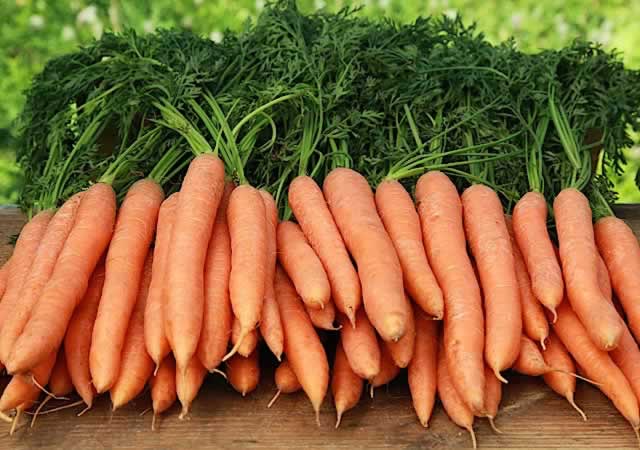
The timing of root crop harvesting is determined by external characteristics. By observing the condition of the carrot bed, they calculate when they can begin harvesting on time, without delay.
Yellowing or drying of lower leaves
When the lower leaves on the vegetable stems begin to turn yellow, it's time to dig up the ripened carrots. If the middle leaves are already drying out or turning yellow, the harvesting period is over. These carrots will be tasteless, and storing them over the winter will be problematic.
Lodging of tops
The root vegetable's readiness is determined by the condition of its tops. The underground portion of the plant receives better nutrition, while the stems lack vitamins and minerals. This causes the tops to lodge. If 50-60% of the entire bed has lodged, the vegetable needs to be dug up immediately.
Appearance and taste
To check whether the carrots are ready for digging, 1-2 specimens are pulled out and examined:
- Early-ripening varieties should produce carrots weighing up to 200 grams. Ripe carrots are 10-15 centimeters long. The carrot's surface is orange, but the center is shallow.
- Mid-season carrot varieties typically have cylindrical, blunt-ended fruits. The flesh is juicy and sweet.
- Late hybrid carrots contain approximately 14-15% sugar and 21 milligrams of carotene. Readiness is determined by the bright orange color and smooth surface of the fruit. The tip is pointed, and the bark and core are red.

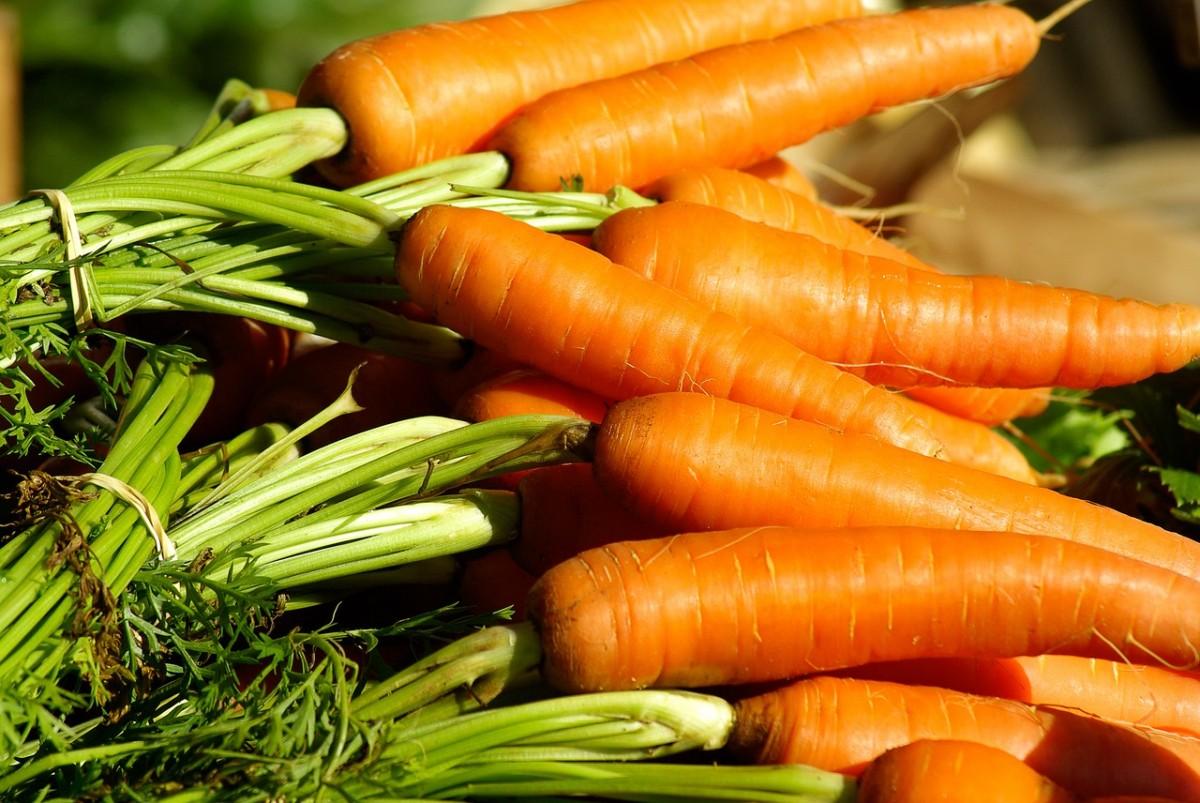
The fruits should not have any cracks, damage or roots.
White roots on the root vegetable
White hairs on carrots indicate that the plant is lacking moisture. Furthermore, roots appear when carrots are long ripe and haven't been dug up. The white hairs on the carrots indicate that the plant is preparing for winter. Therefore, carefully inspect the dug-up carrots. If you notice the beginnings of white roots, you must immediately remove the vegetable from the garden bed.
Cleaning techniques
There are a number of rules for proper carrot harvesting:
- Stop watering the beds 2 weeks before harvesting.
- Choose a day when it is dry and sunny.
- It is recommended to perform the procedure during the waning moon.
- To dig up the vegetable, use a garden fork, inserting it as deep as possible away from the fruit's shoulders.
- They try not to damage the root crop when removing it from the ground.
- Shake off any remaining soil carefully.
- The harvest must be dried in a well-ventilated place.

Carrots should be dug in such a way as to preserve the entire crop intact. The tops should be trimmed immediately after the roots are dug up. Harvesting should be completed before the rains begin and temperatures drop.
Proper pruning after harvest
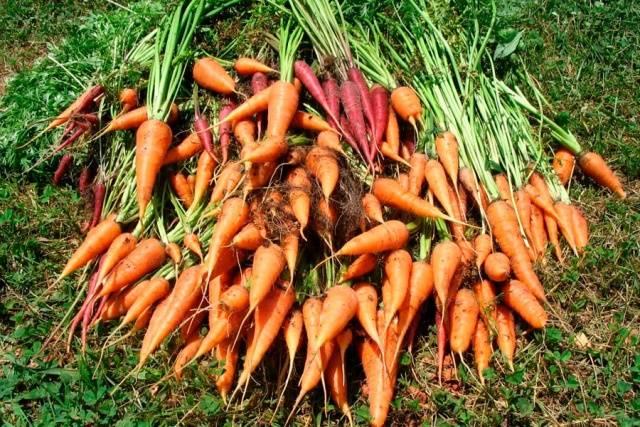
Once the soil on the carrots has dried, begin trimming the green stems. Use a sharp knife for this procedure. Trim 2 millimeters of the root, including the tops. If you need to preserve the carrots for seed, leave a 2-3 centimeter stump. It is not recommended to store the harvested carrots outdoors for long periods of time. They will begin to dry out, losing their juiciness. Only whole, undamaged carrots should be stored.
Storage Features
Before storing the vegetable harvest for the winter, prepare the premises properly:
- insulating walls and ceilings;
- removing garbage and waste;
- drying;
- installing ventilation;
- carrying out disinfection.
Carrots are a demanding crop. To prevent the root vegetable from wilting, it's important to maintain humidity in the storage area at 80-95%. Otherwise, the crop will wilt. A decrease in oxygen concentration in the room and an increase in carbon dioxide play a significant role. This will slow down the vegetable's respiration processes, and its shelf life will be longer.
Ventilation devices, artificial and natural, will regulate air exchange in the storage facility.
Carrot storage temperatures begin at 10°C (50°F) for 8-12 days, then drop to 1°C (32°F). Throughout the winter, for 6-7 months, the temperature is maintained between 1°C (32°F) and 10°C (50°F). In the spring, the storage area is heated to 12°C (55°F) for two weeks.


Prevention
Properly implemented measures to prevent damage to carrots by fungi and rodents will allow them to survive until the next harvest. Before storing, treat the cellar or basement with disinfectant solutions.
Copper sulfate
Treat the storage boxes, walls, and ceilings with a copper sulfate solution. Prepare it according to the instructions. Then, whitewash the wooden parts.
River sand
To ensure the best preservation, arrange the vegetables in stacks, sprinkling damp sand between the rows. You can determine if the sand is damp enough by squeezing it in your hand. If it doesn't crumble, it's suitable for storing the root vegetables. The sand will prevent rot from forming on the vegetables.

It's important to moisten the dried-out top layers of sand regularly. For 100 kilograms of carrots, 3-4 buckets of moist material is sufficient.
Chalking
To preserve the root vegetable, use chalk powder or slaked lime. It's important to neutralize the harshness of the substance to avoid burning the plant's roots.
Dry method
Sand is mixed with dry chalk or lime. This mixture is applied to the carrot rows. Dusting the fruit with dry chalk is widely used. For 10 kilograms of carrots, 150 grams of powder is sufficient. A slightly alkaline environment will prevent disease development in storage and keep the carrots fresh longer.

Wet
A lime solution will help prevent spoilage in the basement. Root vegetables are dipped in a chalky solution. After drying, a crust forms, preventing the penetration of pathogenic microorganisms.
Onion peel infusion
Spraying onion peel infusion is used to prevent the spread of diseases. This treatment will prevent the vegetable from rotting.
Clay shell
A clay mash is prepared to soak the vegetables before storage. The protective film that forms on them will act as a barrier to infection.
Related posts:
 How to control carrot flies with medications and folk remedies
 Carrot care guidelines for outdoor cultivation to ensure a good harvest
 Is it possible to plant carrots in July or at the end of June? What are the best days and care instructions?
 What is the best way to feed carrots? Fertilizers and preparations, using folk remedies.
 50 Best Carrot Varieties with Descriptions and Characteristics
 Timing and rules for planting carrots in winter, which variety is best to choose
 Description of carrot pests and diseases and methods of control
 How and when to thin carrots in open ground