
The Nantes carrot, whose variety description is always included on the seed packaging by the seed producer, is not losing ground. It remains, arguably, the most popular vegetable variety in the post-Soviet space.
In fact, imported hybrid carrot varieties, thanks to their ability to grow beautiful, large-sized roots with an extended shelf life, have begun to displace classic varieties in recent years.
Features and Benefits
Gardeners' reviews indicate that the Nantskaya variety significantly surpasses modern hybrid varieties in terms of composition and taste. The yield and shelf life of the root vegetables are also on par with the best hybrid varieties.
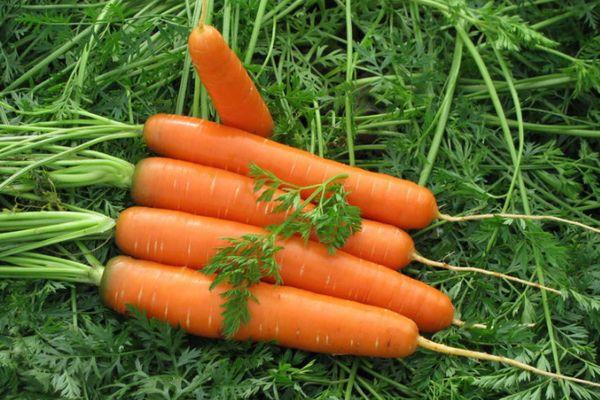
Nantes carrots can be eaten raw, canned, and stored almost until the next harvest.
The variety was developed during the war, back in 1943. It was intended for cultivation throughout the territory of the then-Soviet Union. Therefore, to this day, gardeners and farmers in various now-independent countries reap excellent harvests, whether in the southern regions or in northern countries with relatively harsh weather conditions.
The carotene content in ripe root vegetables is approximately 20%. This is a very good characteristic of the variety.
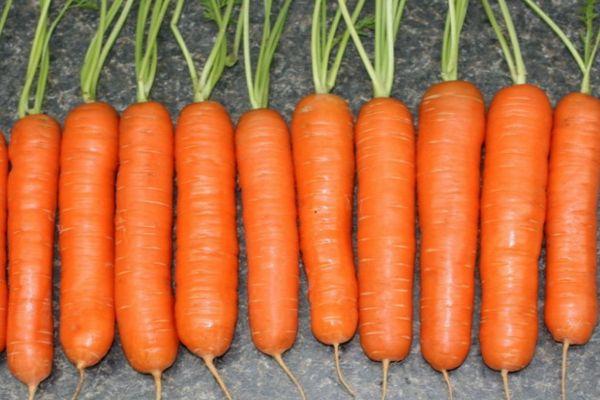
There are several varieties of this cultivar:
- The Nantes 4 carrot, the most common and popular among gardeners, is an early-ripening variety with root formation taking 3 to 4 months. High yields (6.5 kg per square meter), excellent flavor, and good shelf life after harvest are its main advantages.
Experienced gardeners report that the roots look beautiful and exemplify the ideal vegetable: a uniform, bright orange color, cylindrical in shape with a small, narrow stem. The roots reach up to 16 cm in length. Their weight varies considerably: some specimens can reach 160 g, while small carrots weigh 70 g.
A characteristic feature of this culture is its rather high demands on the quality characteristics of the soil. - The Nantes Improved carrot variety generally shares the characteristics of this family, but its distinguishing features include increased juiciness and sweetness, as well as increased carotene content. This crop is widely used for juice production. Root formation takes from three months to 100 days. They reach up to 20 cm in length and average 150 g in weight. The carrots are smooth and cylindrical in shape.
- The Nantes Red carrot variety is named for its red color, which, combined with the typical orange, gives the vegetable its distinctive hue. A distinctive feature is its increased disease resistance. Otherwise, the carrot shares the characteristics of the varieties described above. The root is approximately 16 cm long and weighs 90-160 g. Its shape is smooth and cylindrical. Its diameter is larger, up to 6 cm. Ripening time ranges from 80 to 100 days. The Nantes Red variety has a long shelf life after harvest, with virtually no loss of flavor.

Basic soil requirements
Carrots thrive in conditions of constant moisture and adequate oxygen. Light soil is ideal for producing a bountiful harvest. Heavy soils with high clay content are not recommended for growing carrots.
Carrots should be planted in loose, crumbly soil. Peaty or sandy soils are suitable. Loamy soil is also suitable. The main thing is to ensure the roots develop freely. Clods of soil or other obstacles can seriously slow carrot growth and impact the future harvest.
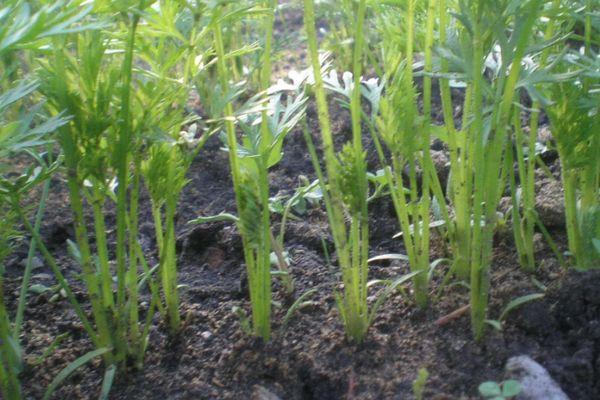
For high-quality growth, it's important to regularly rotate the growing site, cultivating different vegetables in the same spot each year. This approach is one way to combat various pests that can seriously damage future crops. Carrots grow well after cucumbers and tomatoes; onions and legumes will also thrive.
You can plant carrots where potatoes were previously grown.
Features of cultivation and care
Don't plant seeds too early. They won't grow until the soil warms to at least 20°C. Leave at least 30 cm between rows. Adequate spacing is essential for a good carrot harvest. It's recommended to sow at a depth of 2 cm.

Experienced gardeners recommend covering the seeds until the first shoots appear. This typically lasts 10 days, but can sometimes extend to two weeks.
The covering material is then removed. To ensure good growth, the soil must be watered daily. Additionally, the soil should be loosened and fertilized daily. It is important to ensure that the soil does not become tangled, so carrots should not be grown in pairs.
Daily watering should be stopped once the carrots reach what's known as "clumping maturity." Thinning should be done at this time. After that, it's recommended to water deeply only twice a week.

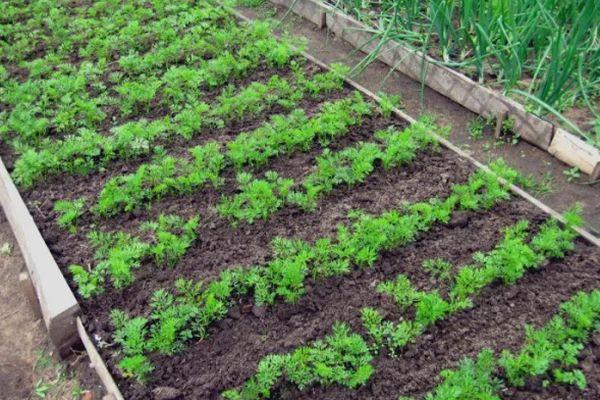
Root crops will not fully ripen without water and increased oxygen levels, so the soil should be loosened, followed by generous watering of the beds (if necessary).
To ensure long-term storage of the harvest, several measures should be taken. Experienced gardeners recommend thoroughly washing the carrots several times and then drying them. Trim off all the tops.
It's recommended to place the carrots processed this way in dark plastic bags. Store the harvest in a cool place.
Overall, the Nantes carrot variety is rightfully very popular and is recommended for cultivation in various regions.
Related posts:
 50 Best Carrot Varieties with Descriptions and Characteristics
 Is it possible to plant carrots in July or at the end of June? What are the best days and care instructions?
 Carrot care guidelines for outdoor cultivation to ensure a good harvest
 25 Best Early-Maturing Carrot Varieties with Descriptions and Characteristics
 How to control carrot flies with medications and folk remedies
 TOP 50 recipes for favorite and unusual salads for the New Year of the Pig 2019
 Timing and rules for planting carrots in winter, which variety is best to choose
 Recipes for pickling Korean-style carrots at home for the winter in jars with and without sterilization
To get an even better harvest, I recommend using the product BioGrow, an excellent plant growth bioactivator, the results are very pleasing, and I have no regrets about purchasing and using it.