
- Composition and properties of boric acid
- The role of boron in the process of tomato vegetation
- How does boron deficiency manifest itself in tomatoes?
- Signs of boron excess
- Advantages and disadvantages of using the product
- How to properly dilute boric acid for chemical treatment of tomatoes
- Methods and technology of carrying out work
- Soaking seeds
- Preliminary soil treatment
- Root feeding
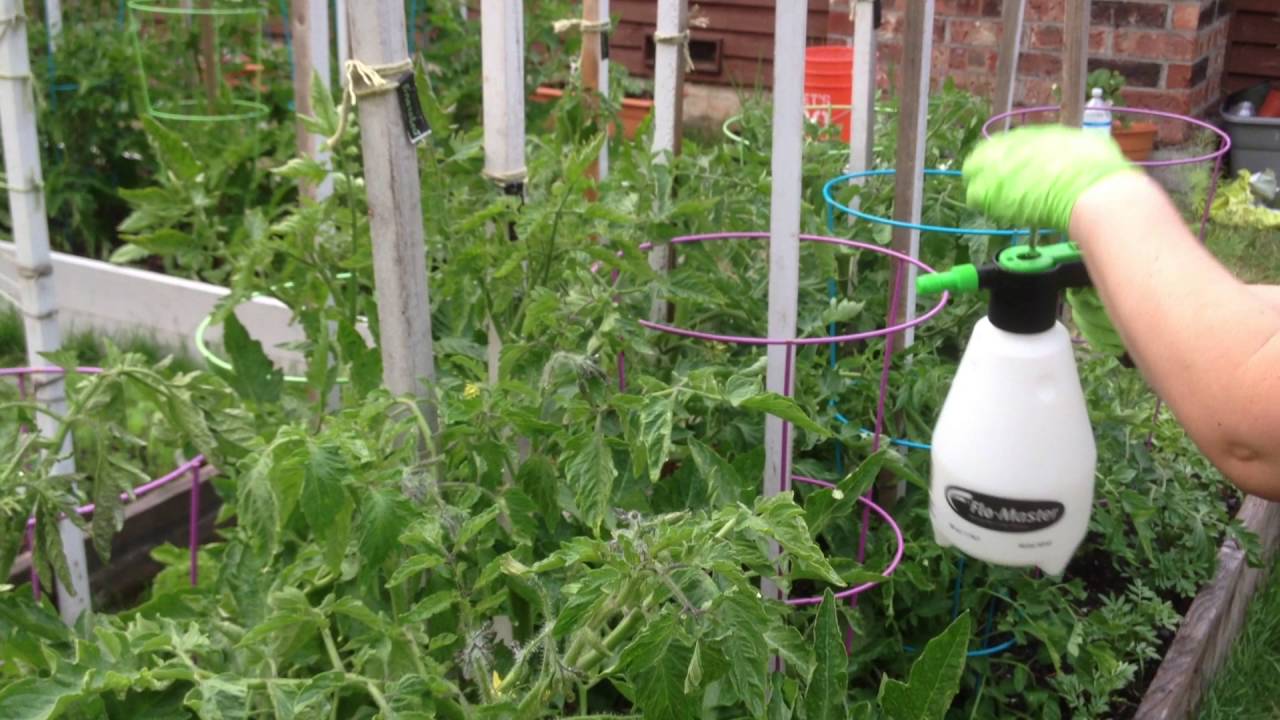
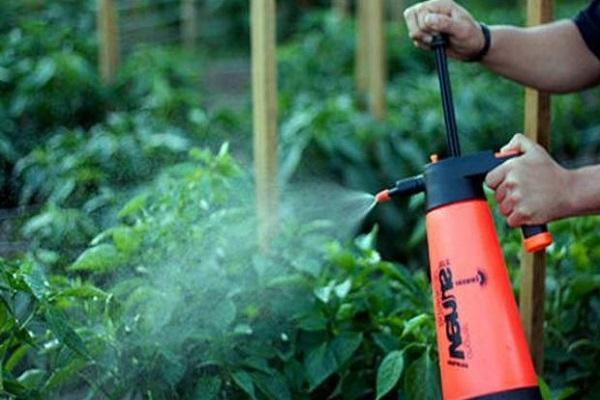
- Foliar feeding
- Spraying tomatoes with boric acid concentrate to promote fruit set
- Against late blight
- Against garden ants
- Methods of processing in a greenhouse
- Safety precautions when working with boric acid
- How long can the prepared solution be stored?
- What effect can be expected after application?
- Reviews from gardeners
Growing vegetables or fruits in a garden involves more than just planting and harvesting. Regular watering, fertilizing, and disease protection are also essential. Tomatoes, like other vegetables, require additional nutrition to promote growth. This is why experienced gardeners often spray tomatoes with boric acid. Learn how to do this correctly below.
Composition and properties of boric acid
Experienced gardeners know that tomatoes are among the plants that don't require additional growth stimulation if planted correctly. However, even with fertilizer, it's not always possible to control boron levels in the soil.
Boron is an essential chemical element for plants. Fertilizing normalizes nitrogen synthesis, improves metabolic processes, and increases chlorophyll concentration in leaves. Boric acid is a simple chemical compound of boron, a transparent, scale-like substance. It dissolves easily in liquid and has minimal acidic properties.
When there is enough boron in the soil, crop yields increase and tomatoes become resistant to adverse conditions.
Boron is classified as having the lowest hazard class, so if the solution comes into contact with skin during work, it will not cause a burn. However, boric acid tends to accumulate in the body because it is naturally eliminated relatively slowly.
The role of boron in the process of tomato vegetation
During the growing season of tomatoes, boron:
- takes part in the construction of vegetable cell walls;
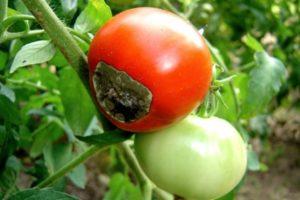
- Controls the plant's calcium supply. A deficiency of this element can cause diseases such as blossom-end rot;
- has a positive effect on the growth of every part of the tomato, as it is responsible for the process of growth of the tips of the stems, leaves, and roots;
- affects the rate of formation of new cells;
- controls the process of transporting sugar from ripe to developing points of the tomato;
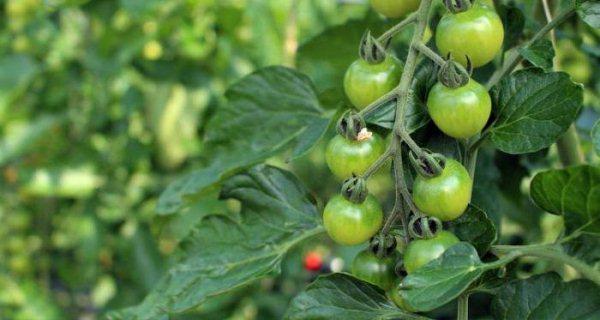
- helps fruit growth, the formation of new buds, and also promotes successful pollination of plants;
- takes part in the process of photosynthesis.

How does boron deficiency manifest itself in tomatoes?
If a plant is deficient in boron, the following occurs:
- root and stem growth stops;
- chlorosis appears on the top of the tomatoes, and the plant turns yellow, decreasing in size;
- the number of flowers begins to decrease sharply, they are not fertilized, and inflorescences do not form;
- The vegetable's appearance also leaves much to be desired; corky areas can be found inside the fruit.
Overall, we can say that tomato growth stops, and it is unlikely that you will be able to get a full harvest unless appropriate measures are taken.
Signs of boron excess
Sometimes it happens that there is an excess of boron in the soil, which also negatively affects tomatoes, in particular their vegetation.
Advantages and disadvantages of using the product
Boron is a crucial element for the development of this vegetable, so a deficiency will seriously impact the development of tomatoes. Boron can significantly enhance flowering and also prevent fruit rot during periods of high humidity.
When using this preparation, crop yields typically increase by 20%, and taste qualities also improve significantly.
Spraying tomatoes with boron allows them to better absorb minerals and organic matter, which is crucial, especially when grown indoors, such as on a balcony. These vegetables are more sensitive and therefore require more nutrients. While boric acid treatment is in progress, the risk of late blight is significantly reduced.
Regarding the downsides, excess boron in the soil is quite dangerous. For example, it can cause lower leaf burn and leaf edges to dry out. Therefore, if you decide to use this product, carefully monitor the dosage to ensure all proportions are correct and not exceed the permissible limits.
How to properly dilute boric acid for chemical treatment of tomatoes
The most pressing question is the proper dilution of boric acid to obtain a tomato spray mixture. This question is truly important, as it serves two purposes: the boric acid must provide the tomatoes with sufficient nutrients; and the ripe tomatoes treated with the solution must not pose any harm to the human body.
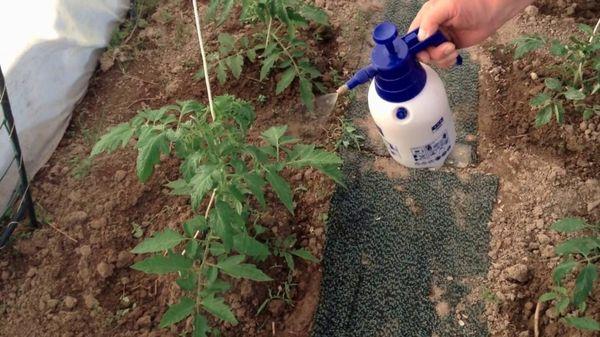
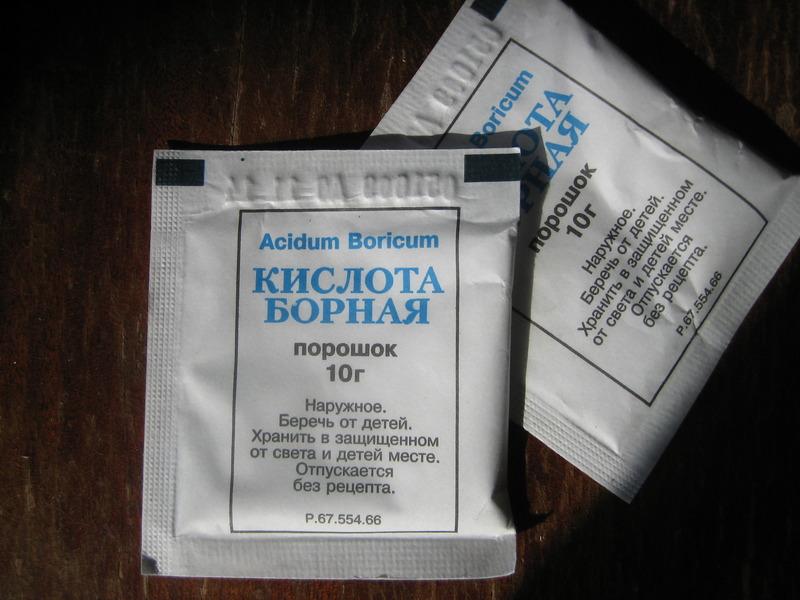
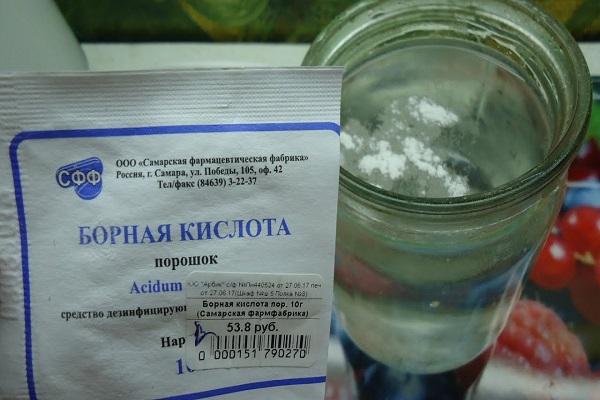
Typically, to obtain a solution safe for humans and plants, you need to take a 0.1% boric acid solution and dissolve it in warm, clean, chlorine-free water. As for the dosage, for fertilizing, take a standard 10-gram packet of boric acid and dilute it in 10 liters of water.
However, in practice, this amount is quite a lot for a one-time feeding, so you can make half the amount.
Methods and technology of carrying out work
Next, we propose to consider the most common methods, as well as the technology for carrying out work on fertilizing tomatoes with boric acid.
Soaking seeds
Soaking seeds is primarily done to stimulate germination. To do this, prepare a solution with the following ratio: 0.2 grams of boron per 1 liter of water. Tomato seeds are soaked for 24 hours.

Preliminary soil treatment
Boron is also used to treat the soil to prepare it for planting. To do this, dissolve 0.2 grams of boric acid in 1 liter of water. Immediately before planting tomatoes, the beds are watered with the prepared solution. This method is also used if there is a suspicion that the soil is deficient in this micronutrient.
Root feeding
The same solution described above is used for watering tomatoes at the roots, but foliar spraying is more effective. This type of fertilizer often causes root burn, so if you use it, water the plant with plain water first.
Foliar feeding
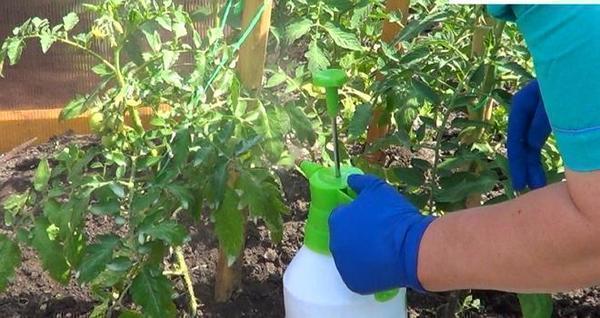
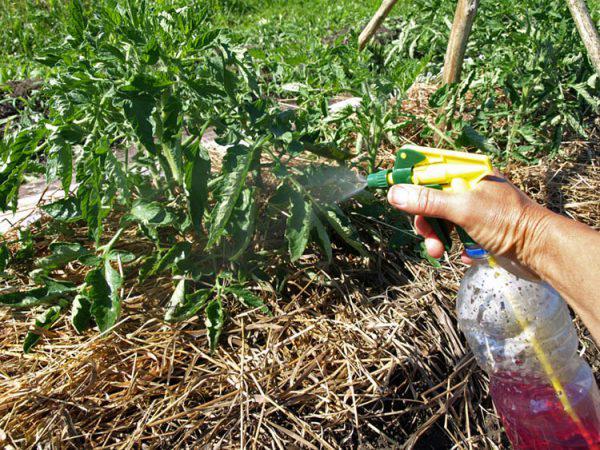
For foliar feeding, use 0.1 grams of boric acid per liter of water. The first application should be during the budding phase, followed by subsequent applications during flowering and fruiting. If other micronutrients are used in conjunction with boron, its concentration should be reduced to 0.05% and diluted in 10 liters of water.
Spraying tomatoes with boric acid concentrate to promote fruit set
Spraying is done first during bud formation, then during flowering, and finally, when the tomato begins to produce fruit. If another fertilizer is used in addition to this component, the boron concentration is reduced in the same way as in the previous method.
Against late blight
To combat late blight, dissolve 1 teaspoon of the solution in a bucket of warm liquid. Spray the plant with the resulting solution. For best results, treat the tomatoes with a potassium permanganate mixture about a week before spraying. After treating the tomatoes with boron, 7 days later, spray them with a weak iodine solution.
Against garden ants
Boron, a chemical used in gardening, is also often used as an ant or cockroach repellent. Dry acid baits act as a contact and stomach poison. The combined effect is cumulative, meaning it takes some time to manifest.
Methods of processing in a greenhouse
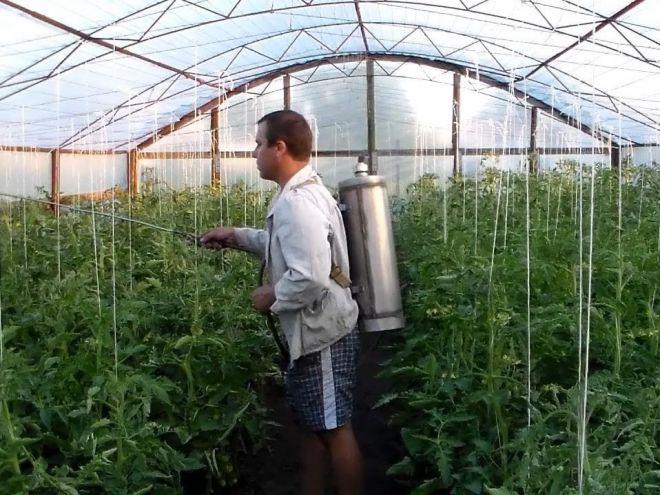
Boric acid is especially essential for tomatoes grown in greenhouses. These vegetables tend to grow weaker than those grown in the open ground. Spraying the fruit with boric acid strengthens them in a short time, promoting growth and the development of foliage.

This type of fertilizer is also used if the leaves of greenhouse vegetables begin to curl or fall off. In this case, it's best to combine the product with components such as urea or mullein. Some experienced gardeners use a micronutrient soak before planting, as mentioned earlier, but this measure is most relevant in greenhouse conditions.
Safety precautions when working with boric acid
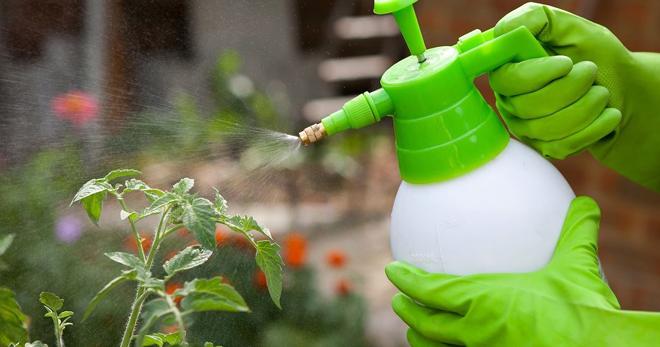
The most important rule when working with chemical compounds is following safety regulations. Before starting work, ensure you protect yourself and have a respirator, goggles, rubber gloves, and an apron ready.
If plants are being treated in a greenhouse, personal protective equipment is absolutely necessary, as in such enclosed spaces the solution vapors are highly concentrated and, if inhaled, can irritate or burn the mucous membranes.
How long can the prepared solution be stored?
In general, boric acid solution has no shelf life. Once prepared, it retains its properties, so it can be safely stored until the next time you apply it to your plants.
What effect can be expected after application?
So, what do we end up with after processing the tomatoes? Here's what we get:
- strong and nourished seedlings;
- active growth;
- active flowering;
- a large number of ovaries;
- absence or minimal presence of rotten fruits.
Reviews from gardeners
Regarding gardeners' feedback on using boric acid on tomatoes, this method has been used at least once by gardeners. The main complaint is that some of the blossoms on mature tomatoes often simply fall off before they have time to set. Another problem is the long wait for fruit or a meager harvest. This is precisely why people resort to spraying their crops with boron.
Gardeners note that this method works, resulting in a good tomato harvest. Another advantage is the low consumption rate, making this micronutrient cost-effective.
Related posts:
 Using boric acid for spraying and treating peppers
 Boric acid application for plants, dilution and processing instructions
 How to properly spray cabbage with boric acid, application rules and proportions
 What is the best way to feed tomato seedlings to make them plump?
 What fertilizers and when to use for feeding tomatoes in a greenhouse
 Spraying and feeding cucumbers with boric acid, application in the garden
 Description of blight-resistant tomato varieties for open ground and greenhouses
 What is the best way to mulch tomatoes in open ground and greenhouses?