
The Claudio pepper is a hybrid that has been around for several decades. During this time, the crop has become widespread. Claudio sweet peppers are as popular as modern hybrids. They are grown throughout the country. Gardeners value this variety for its early maturity and striking appearance. The fruits contain a wealth of vitamins and nutrients.
What is Claudio pepper?
Characteristics and description of the variety:
- Pepper Claudio f1, which has received mostly positive reviews, belongs to the Dutch line of vegetable crops.
- This is an early-ripening vegetable. The first harvest ripens 75-80 days after planting the seedlings in the garden.
- Claudio grows both in open ground and in hotbeds or greenhouses.
- Claudio pepper seeds have a high germination rate of 98-100%.
- The plant is pollinated by insects.
- The bush grows strong and upright.
- The height is average - from 60 to 110 cm.
- The large leaves are a rich emerald green and have slight wrinkles.
- Due to their large size, the leaves protect the crop from sunlight.
- The plant requires support. Despite its sturdy trunk, after large fruits form, the bush may lean toward the ground and eventually fall over.

The hybrid is resistant to stressful weather conditions such as heat and drought. It adapts easily to them. The variety is grown commercially. Claudio F1 is often found on store shelves.
The fruits are impressive. They are large, perfectly cuboid, slightly elongated peppers with four chambers. They have thick walls (7-12 mm). When ripe, they are dark green. Ripe fruits are burgundy-red.
A single fruit weighs between 150 and 250 g. Experienced gardeners harvest Claudio peppers weighing up to 300 g. Fruits of uniform shape and weight typically grow on a single plant. Ripening occurs evenly.


The peppers' skin is thick, glossy, soft, and firm. The flavor is refined, pleasantly sweet, without pronounced bitterness. The flesh is red. The aroma is delicate.
The fruits have a long shelf life. The average shelf life of fruits picked at maturity is about 2 months. They are transport-resistant and easily withstand long-distance shipping.
A single bush can produce 10-13 peppers at a time. The yield is high: the plant produces 5-7 kg of peppers. The fruiting period is quite long.
If the fruits are picked at maturity, when they have already turned red, they should be used as quickly as possible. This variety is ideal for eating fresh, in salads, and as a side dish. The vegetable is also preserved for winter storage.

The following preparations are made from the fruits:
- lecho;
- snacks;
- vegetable soup;
- hot sauce;
- adjika.
In addition, they are canned, pickled, stuffed and frozen.

Advantages and disadvantages
Advantages of the variety:
- high yield;
- excellent presentation;
- excellent taste characteristics;
- adaptability to weather conditions;
- possibility of transportation over long distances;
- universal use of pepper;
- possibility of growing in greenhouses and open beds;
- friendly ripening;
- high germination rate of seed material;
- immunity to common diseases;
- The fruits contain vitamins and nutrients.
Claudio sweet peppers contain a large amount of vitamin A.
Flaws:
- need for watering;
- low speed of transition from the state of technical maturity to biological maturity;
- Fully ripe fruits, picked from the bush, should be used as quickly as possible.
How to grow peppers?
Claudio peppers are grown as seedlings. Dutch line seeds require no pre-treatment. The only thing you can do is soak them in water at 50ºC (122ºF) and then wrap them in a damp cloth. Moisten the cloth periodically. The seeds will remain in the cloth for 2-3 days. This procedure will help the seeds germinate faster.

The soil mixture in which the seeds are placed is prepared from humus, sand, sawdust, and ash. Gardeners should ensure that the soil is loose and well-drained.

Planting takes place in March. Sow the seeds 1-2 cm apart. After watering, cover the trays with plastic wrap to keep the seeds warm and promote germination.
Pricking out is done when the plant has developed its first few strong leaves. Separate seedling cups are needed to ensure each plant has enough space for root development.
Seedlings need light and warmth. Water them infrequently, only with warm water. Otherwise, they can become susceptible to diseases such as blackleg. Seedlings are fed with water containing urea and superphosphate.
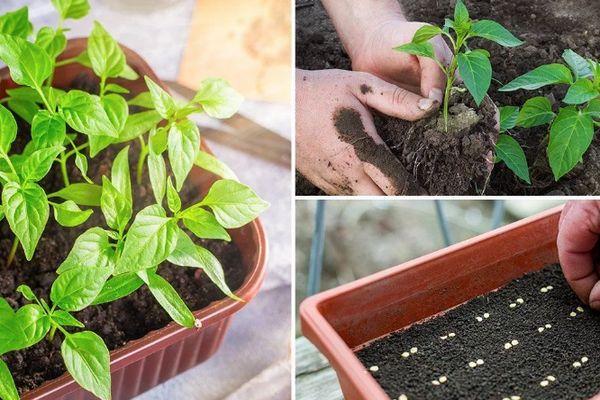
Before planting in their permanent location, the seedlings are hardened off. To do this, the cups are briefly exposed to fresh air.
The grown plants are planted in the beds in May, when the air temperature is above +14º C and the soil is sufficiently warm.
Planting is carried out in prepared and fertilized soil in the fall. Small plants are planted in holes with a complex fertilizer. The distance between bushes is 40-50 cm.
Caring for the Claudio F1 pepper is easy. The key factors for this plant are watering and loosening the soil. Loosening is done as needed. This helps the roots receive more oxygen. Avoid allowing a crust of soil to form under the pepper plants. Hoeing is best done after watering, while the soil is still moist. Weeds are removed during loosening.
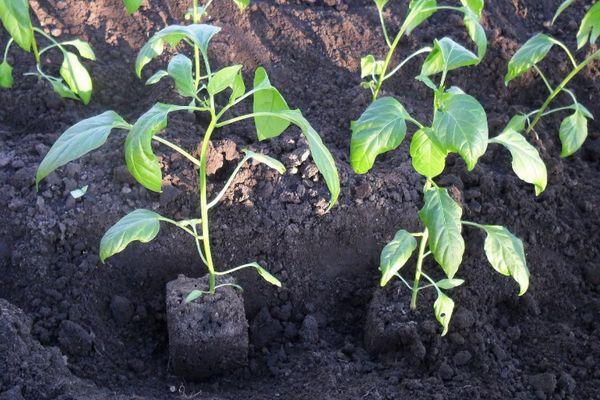
Until the first flowers appear, water the bush once a week, but generously. 10-12 liters of water are required per square meter of soil. Once the plant blooms, watering frequency increases to three times every seven days. 12-14 liters of water are used per square meter. The water used should be warm and settled.
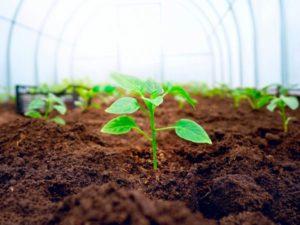
The bushes are tied to a support to prevent them from falling under the weight of the fruit. The plant is fertilized several times during the season. Organic fertilizers are used for this purpose. The variety prefers a solution of chicken manure and water. The fertilizer is poured right under the roots.
Related posts:
 Description of the best pepper varieties for greenhouses and open ground in 2025
 TOP 40 New Year's 2020 Meat Recipes Using Pork, Beef, Chicken, and Lamb
 TOP 40 Hot Dish Recipes for New Year 2020: What to Cook
 Description of the best varieties of ornamental peppers, growing and caring for them at home
 Preparing pickled peppers in oil for the winter using simple recipes and storage conditions
 10 simple Armenian-style pickled hot pepper recipes for the winter
 Planting, growing, and caring for peppers in open ground in the Moscow region: the best varieties
 TOP 30 best varieties of sweet peppers for greenhouses with descriptions
An excellent variety, I don't regret for a second that I started growing it. The seedlings grow quickly, and the fruits are sweet and juicy. I recommend using "BioGrow", the product will strengthen the seedlings well.