
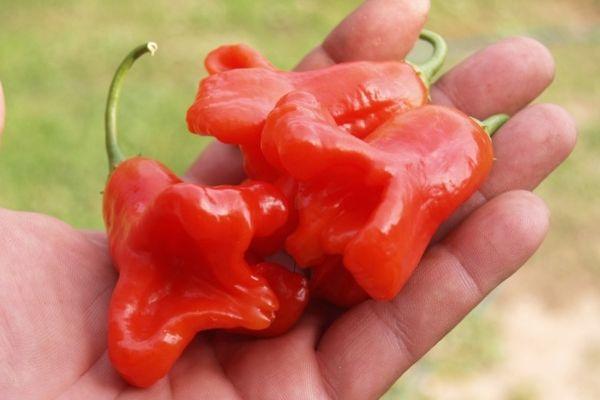
The unusual hot pepper, Kolokolchik, belongs to the berry pepper variety, which differs from sweet bell peppers in its pungent flavor and comparatively small fruit size. But even among its relatives, Kolokolchik stands out for its appearance and flavor.
General characteristics of the plant
Even the pepper bushes themselves can attract attention: Bellflower belongs to a rare, tall variety. In greenhouse conditions, a whole pepper tree, approximately 2 meters tall, can grow during the summer season. Given the weight of numerous fruits, the plant must be tied to a trellis to prevent it from falling over.
In central Russia, this variety will only yield a good harvest indoors. The plant begins bearing fruit 150-160 days after sowing and simply won't have time to fully produce its harvest during the short summer. The Kolokolchik pepper, described by Russian vegetable growers, is not recommended for growing in open beds, but it can be a beautiful addition to a glassed-in balcony or winter garden.
In the southern regions, the plant is successfully grown outside greenhouses.
The plant is resistant to fungal diseases of nightshade crops, is rarely affected by Alternaria, and, due to greenhouse cultivation conditions, is not susceptible to late blight. While peppers generally require moisture, the Kolokolchik variety can tolerate slight dryness during fruiting. A regular watering schedule is only necessary for young plants.
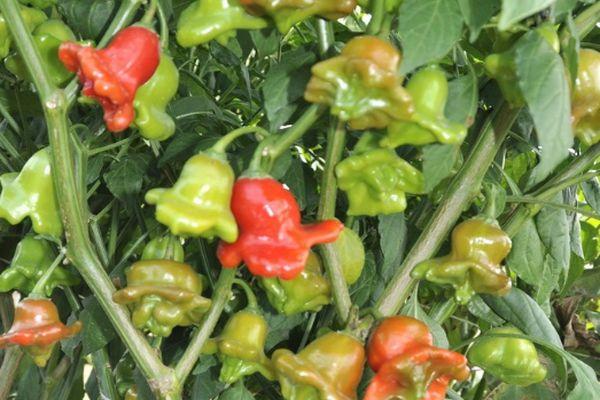
The root system is relatively small. This allows tall bushes to be planted in 5-10 liter pots and yield a good harvest. Growing just one bush on a balcony can fully meet a family's needs for this spicy vegetable. When planted in a greenhouse, 1 m² can yield 4-5 kg of vegetable produce. Many vegetable growers grow this variety as a perennial, training it as a low bush, bringing it outdoors in the summer, and then moving the container indoors for the winter.
Bell pepper produces tasty and attractive vegetables that can be used in a variety of ways.
Consumer qualities of fruits
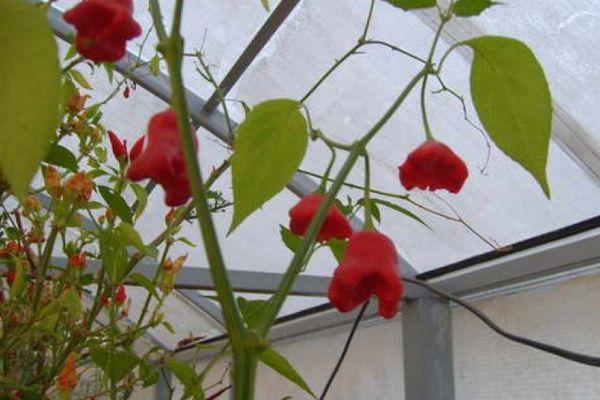
The plant produces numerous small and uniquely decorative peppers. This variety's distinctive feature is reflected in its name. During the fruiting season, the Red Bell pepper, or simply Bellflower, is covered in brightly colored fruits reminiscent of bellflowers.
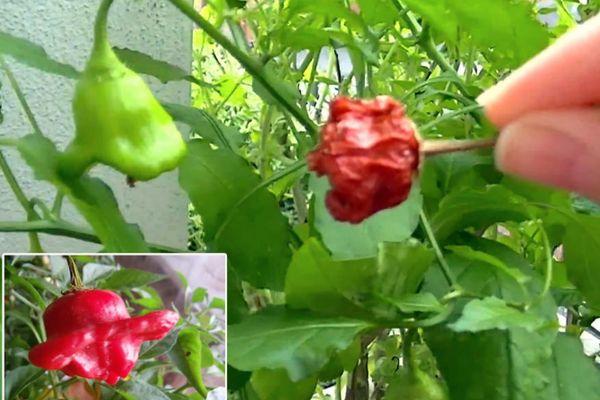
The color of a ripe pepper is bright red; at technical maturity, it is light green. As they ripen, the walls of the peppers gradually turn yellowish, orange, and red. On a large plant, fruits in different stages of ripening are present simultaneously. The average weight of a single pepper is 50-70 g.
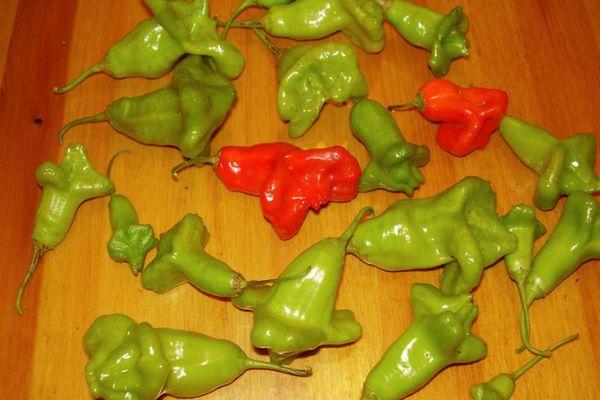
Peppers are characterized by their tough skin, which reliably protects them from wilting when picked at the ripe stage. The decorative bell-shaped fruits are easy to transport and can remain fresh for a long time. Ripe fruits dry out during storage, retaining virtually no shape or color, while green ones can gradually ripen.
The walls of the pepper are quite thick for such small fruits and reach 0.5 cm. The pulp is juicy.
Reviews from amateur vegetable growers particularly highlight the pepper's flavor: unripe fruits have almost no pungency, but as they ripen, they become increasingly pungent. Even when fully ripe, only the top portion of the pepper retains its piquant, spicy flavor, as closer to the stalk, the Bell Pepper has a sweet and sour taste.
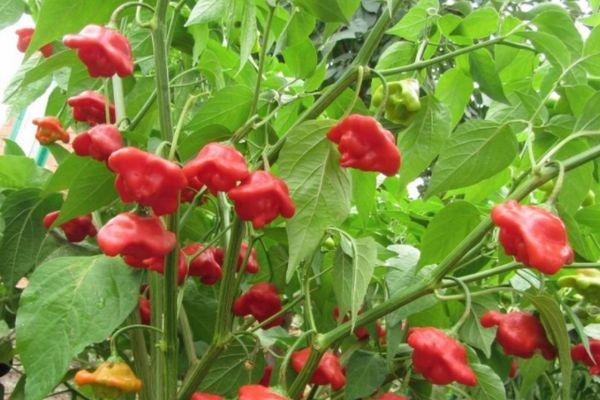
These unusually shaped peppers can be used to decorate any dish, using peppers at varying stages of ripeness to adjust their spiciness. These beautiful peppers can be stuffed and served at a buffet table, or incorporated into vegetable platters and salads. Grilled vegetables make a great accompaniment to shashlik; hot peppers are also added to pilaf.
Spices occupy a special place in the preparation of Indian, Latin American, and Asian cuisines—just like regular hot peppers, you can make real adjika from Bell Pepper.
The easiest way to preserve peppers for the winter is to dry ripe ones. This method yields a spice that can be added to many dishes. Small peppers are easy to freeze, after removing the seeds. Peppers can be pickled fresh or baked, or added to a spicy salad or vegetable platter.
Agricultural technology of the variety
Even a novice gardener can grow the Bell pepper. Despite its unusual fruit, the plant requires roughly the same care as many other varieties of hot and bell peppers. When planting in the garden, the key is cultivating good, strong seedlings.
Late-ripening vegetables should be sown for seed three months before planting in their permanent location. Mature seedlings will allow even those without a greenhouse to enjoy a harvest. However, peppers won't appear in the open ground until the second half of July. Even then, gardeners can still save a few fruits for seed for the next season and harvest some ripe and unripe vegetables.
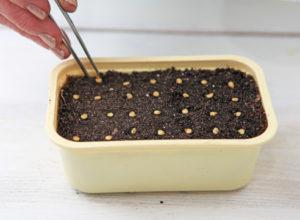
Before growing peppers, prepare a universal soil mixture of equal parts humus, sand, and fertile soil, adding 1 tablespoon of ground chalk or dolomite flour per 5 kg of the mixture. Pour the soil into a seed tray and soak it in a hot solution of potassium permanganate. After the substrate has cooled, spread the seeds over its surface, then cover with 0.5 cm of dry sand or soil.
To retain moisture, cover the seedlings with plastic film with 2-3 holes and place the box in a warm place (+25°C). Peppers take a long time to sprout—the first shoots can be expected in about 7-10 days.
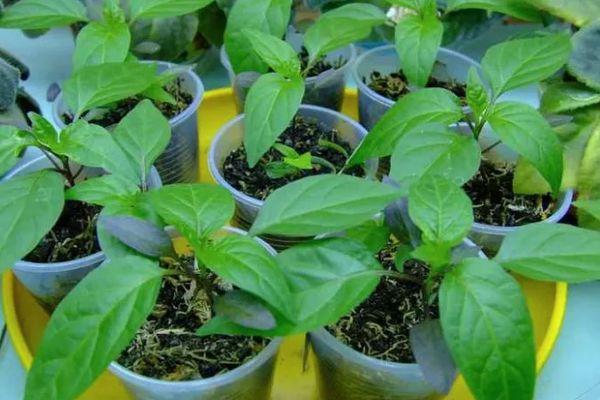
When the seedlings develop 2-3 leaves, transplant them into individual pots or a shared planting box using a 10x10 cm pattern. Subsequently, water the seedlings regularly, ensuring the soil does not dry out to a depth of more than 0.5 cm.
When growing mature seedlings, it's advisable to provide supplemental lighting, increasing daylight hours to 14-15 hours per day. However, strong seedlings can also be grown near south-facing windows. Young plants should not be placed on a cold windowsill; it is better to prepare a shelf or table next to them.
In their permanent location, peppers are planted 40 cm apart. For balcony cultivation, it's recommended to maintain the same spacing between plants in a box or individual containers. When the first buds or flowers form in the lowest fork, remove them. This will help the peppers begin blooming and fruiting more quickly. For best results, apply a fertilizer consisting of 50 g of wood ash dissolved in 1 liter of water (per 2-3 plants) or a complex fertilizer with potassium and phosphorus (follow the instructions).
Related posts:
 TOP 40 New Year's 2020 Meat Recipes Using Pork, Beef, Chicken, and Lamb
 TOP 40 Hot Dish Recipes for New Year 2020: What to Cook
 Description of the Bell tomato and growing strong seedlings
 Description of the best varieties of ornamental peppers, growing and caring for them at home
 Description of the best pepper varieties for greenhouses and open ground in 2025
 Preparing pickled peppers in oil for the winter using simple recipes and storage conditions
 10 simple Armenian-style pickled hot pepper recipes for the winter
 Top 15 Recipes for Pickled Hot Peppers at Home
I started growing this variety for its ornamental appearance, but it turns out the peppers are quite good for eating. I add one pepper to a three-liter jar with pickled cucumbers and tomatoes. It turns out spicy and beautiful. I fertilize this variety with a bio-growth activator. BioGrow, so I plant just a couple of bushes - the harvest is very rich, the whole bush is covered with peppers.