
Among popular vegetable varieties, the Volovye Ukho pepper rightfully ranks among the top. Its beautiful, large fruits contain large amounts of vitamins C and A. This variety has been popular for decades and is widespread throughout Russia. It is grown both in greenhouses and in open ground, even in Siberia.
General characteristics of the plant
The Volovye Ukho variety is considered mid-season. The first ripe fruits can be harvested 120-130 days after sowing the seeds for seedlings, but at technical maturity, the peppers can be picked 7-10 days earlier. These peppers will not yet have developed their color, but they are suitable for salads or hot dishes, as their walls will have reached their maximum thickness, and the pulp will have reached the desired sugar content and flavor.
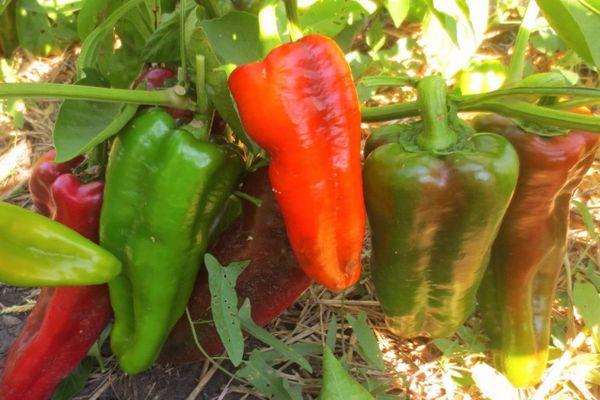
The Volovye Ukho pepper plant grows as a standard, not too compact, with well-developed branches. The plant reaches 70-75 cm in height, with thick and sturdy stems. The root system is well developed, but the weight of unharvested peppers and strong winds can cause the plant to topple over. If a grower leaves a large number of peppers to ripen on the vine in the open ground, it's a good idea to provide support for the plant with a stake, tying it at the height of the first fork.
The variety is resistant to nightshade diseases and fungi that cause downy mildew and early blight. It can be susceptible to late blight during cold and rainy seasons. It is immune to tobacco mosaic virus.
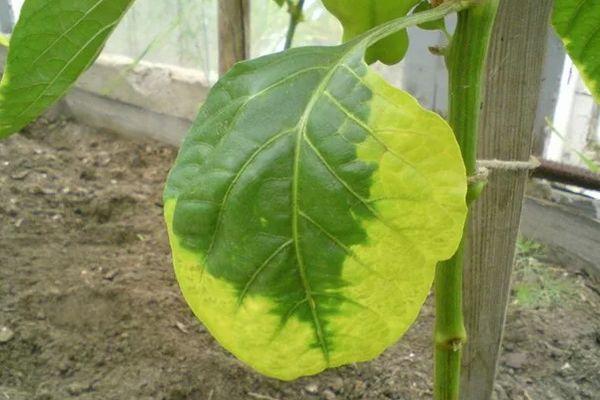
Gardeners' descriptions of the Volovye Ukho variety note its resistance to sudden temperature fluctuations and adverse environmental conditions. Outdoor cultivation allows for consistent yields regardless of the weather.
The Volovye Ukho pepper yields up to 3 kg per plant. Each plant can bear 6-7 very large fruits at a time, each weighing up to 170-200 g. After these fruits are harvested, the next ovaries begin to actively grow.
Fruit characteristics
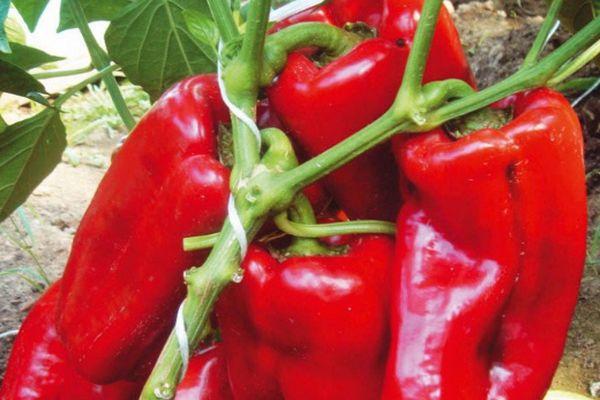
The variety's characteristics highlight the unique shape of the fruit: an elongated cone with slight ribbing near the stalk, flattened along its entire length, reminiscent of a long animal ear. A deep groove runs down the center. The apex is pointed, and the area near the stalk is virtually flat. The fruits form pendulously immediately after the ovary is formed.
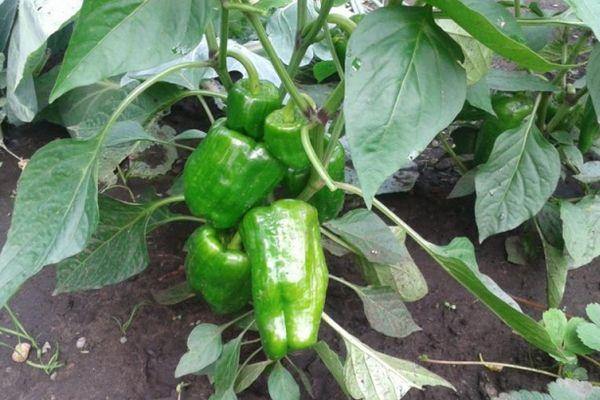
The skin is dense and resistant to cracking. Fruits harvested at technical maturity can withstand extended transportation and storage without losing their marketable appearance for two weeks. They are virtually resistant to wilting, but gradually reach biological maturity during storage. By this time, the peppers turn bright red. At technical maturity, the skin is green.
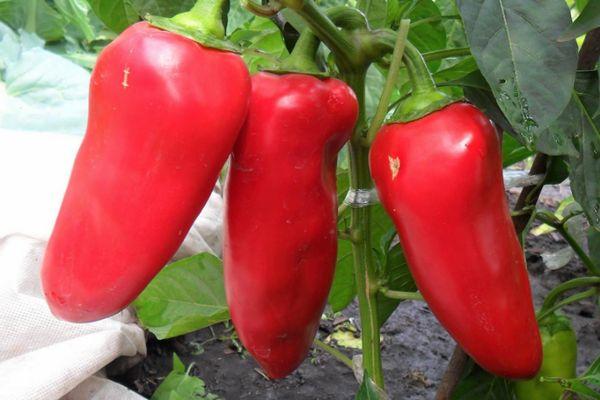
The flesh is crisp, very juicy, and aromatic, with a wonderful sweet flavor. There are no bitter or spicy notes. Gardeners report that the walls of ripening fruits are thick—up to 8 mm. If picked too early (before technical ripeness), the walls will be thinner and softer, without the crunch, and the flavor will be less pronounced.
The Volovye Ukho bell pepper can be eaten in a variety of ways. Sweet and juicy, ripe peppers are perfect in any summer salad or savory appetizer. The bright red slices and rings pair beautifully with tomatoes and cucumbers, adding a spicy flavor to Caucasian and Asian dishes. Adding hot pepper pulp, garlic, and spices from the Volovye Ukho pepper makes a beautiful and delicious adjika. Bell peppers are suitable for many hot dishes, but their flattened shape makes them unsuitable for stuffing.
Surplus vegetables can be preserved for the winter. Juicy, thick-walled peppers are delicious in lecho and marinades, canned appetizers and salads, and can be added to borscht dressing. Unseasoned peppers should be cleaned of any blemishes, cut into random pieces, and frozen. These vegetables can be used as an ingredient in dishes that require peppery flavor.
Even the smallest ovaries, which haven't reached technical maturity by the end of the season, can be processed: they have a pleasant, delicate aroma and can complement pickles and marinades, vegetable caviar, and tomato juice.
Pepper cultivation techniques
To grow heat-loving crops in Russian conditions, seedlings are used. For crops with a maturation period of more than 100 days, the preferred option is to grow mature seedlings. These plants should be 70-90 days old by the time they are transplanted to their permanent location. The first fruits can then be harvested within 1-1.5 months after transplanting the seedlings to the garden or greenhouse.
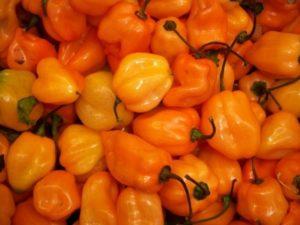
This variety is not a hybrid, so you can save the seeds of the Ox Ear from your own plants that have particularly distinguished themselves in size, yield, or fruit flavor. To obtain high-quality seeds, allow the vegetable to ripen on the plant at least until it begins to color. Before sowing, seeds from your peppers should be soaked in a solution of potassium permanganate or Fitosporin to kill fungi.
Prepare a seeding medium from equal parts sand, humus, and garden soil, adding 1 tablespoon of ground eggshells or chalk for every 5 kg of the mixture. Transfer the soil to containers and disinfect by soaking it in a hot solution of potassium permanganate or boiling water if chemicals are unavailable. Once the soil has cooled, you can sow the peppers.
Spread the seeds over the soil surface and cover with dry sand or soil. The planting depth for small seeds is only about 0.5-0.7 cm, so don't try to plant them deeper. If they're planted too deeply, the seeds will have difficulty breaking through to the surface and will be weakened. After sowing, cover the seed tray with plastic film with 2-3 holes for air circulation and place it in a warm place.
The best temperature for sprouting bell peppers is +25°C. Seedlings appear in approximately 7 days, after which the plastic wrap is removed.
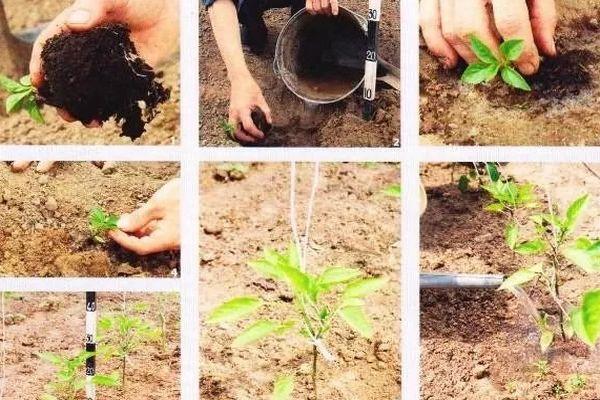
Young seedlings should preferably be kept in the same greenhouse conditions. They will be immune to blackleg disease, will grow vigorously, and will reach the stage of 2-3 true leaves in 2-3 weeks. At this time, the seedlings should be transplanted into individual 7 cm diameter pots or into a common 7 x 7 cm box. Primary care for the seedlings consists of regular watering with warm water slightly tinted with potassium permanganate.
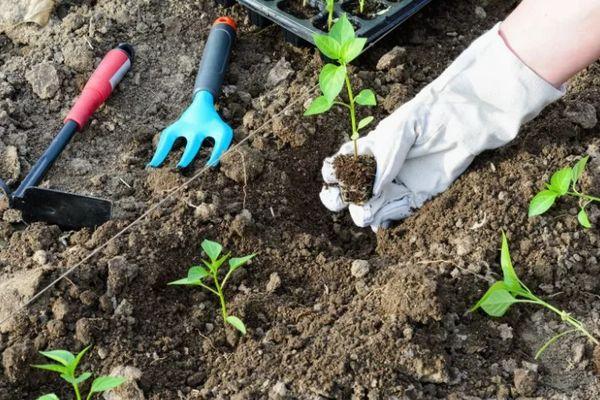
Unlike tomatoes, peppers don't tolerate even the slightest drying out or drop in temperature well. Therefore, they need the warmest spot in the house, with plenty of sunlight. Water as soon as the top 0.5 cm of soil dries out.
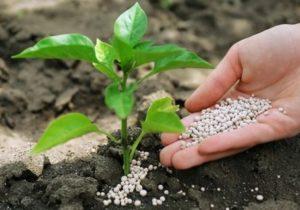
For permanent cultivation, the Volovye Ukho pepper variety is planted in a 30x40 cm pattern. Narrow beds (according to the Mittlider method) are convenient for growing, as they can be used to install a drip irrigation system. In dry weather, young plants will require frequent and generous watering, as this crop has much higher soil moisture requirements than other nightshades.
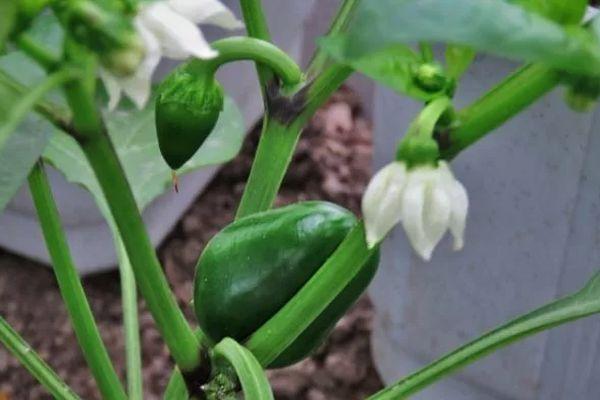
You can tell when the fruit is ready for picking by the firmness of its walls. As soon as they stop springing back when squeezed with your fingers near the shoulders, even a green fruit can be picked and eaten or stored until it turns color.
Related posts:
 Description of the best pepper varieties for greenhouses and open ground in 2025
 Carrot care guidelines for outdoor cultivation to ensure a good harvest
 The best grape varieties for growing in the Urals, planting and care rules in summer
 The best eggplant varieties for growing in a polycarbonate greenhouse: planting and care
 The beneficial properties of white onions, description of varieties, cultivation and care
 Description and cultivation of the Korinka Russian grape variety
 Characteristics of the large-fruited bell pepper variety Atlant and its cultivation
 Causes and treatment of eggplant pests and diseases, how to combat them at home
I plant this pepper variety all the time. I've used a lot of different fertilizers, but I've finally settled on BioGrow, an excellent bioactivator of plant growth, and increases resistance to diseases, and yields are much higher.