
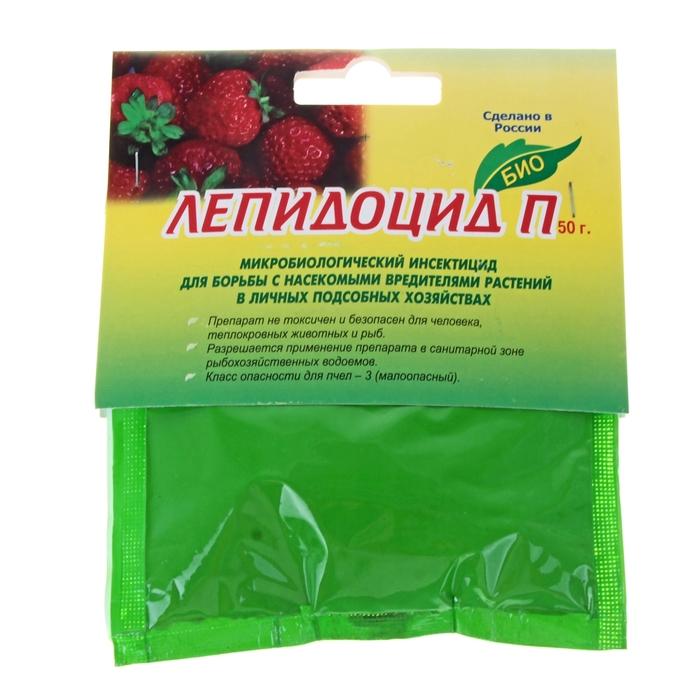
"Lepidocid" is an effective product classified as a biological insecticide. It is designed to protect a wide variety of plants from pests. It contains specific components, which allows it to have a selective effect. To ensure the insecticide produces the desired results, it is important to strictly follow the instructions for use.
Active ingredient and release forms
The active ingredient of the product is the spores of Bacillus thuringiensis var. Kurstaki and its metabolic products. These bacteria are a type of gram-positive soil bacteria that synthesize endotoxins. These substances have insecticidal properties.
The product is available in several forms. Most commonly, it's used as a powder for preparing a liquid suspension, which is used to treat affected crops. This product is sold in 1-kilogram packages. The powder contains many active spores. However, if used incorrectly, these spores do not increase bacterial counts, reducing the insecticide's effectiveness.
The product is also available as a suspension concentrate. This product is produced in liquid form and sold in 500-milliliter containers. It is typically applied during large-scale pest infestations. A modified suspension concentrate containing bacteria of a different serotype is also available.
Pros and cons
Biological insecticides have many advantages. They are characterized by a broad spectrum of activity and high effectiveness. Furthermore, the product poses no danger to the human body. Other advantages include the following:
- safety of active ingredients for beneficial insects;
- no harmful effects on plant cells;
- no negative impact on soil composition;
- no risk of accumulation of active bacteria and spores in fruits;
- compatibility of the drug with many acids, pesticides, alcohol solutions;
- no risk of pests developing resistance to the drug;
- safety of drug residues and no need for special disposal.

Despite its many advantages, Lepidocide also has some drawbacks. The main disadvantages include the following:
- the product is effective only when it penetrates the intestines of pests;
- the death of parasites occurs only after several days;
- ineffectiveness of the substance against a number of coleopteran and dipteran parasites;
- no effect on migrating and reproducing parasites;
- impact only on leaf-eating parasites;
- a sharp unpleasant odor;
- need for multiple treatments.
Purpose and operating principle
"Lepidocid" is a bacterial insecticide with intestinal action used to kill parasitic caterpillars of the Lepidoptera family. These include geometrid moths, meadow moths, cabbage whites, hawthorn moths, and many other pests. The product is suitable for use in parks, squares, private plots, and plantings.
Instructions for use
For the product to be effective, the instructions for use must be strictly followed. To prepare the insecticide, follow these steps:
- Calculate the dosage of the product for treating a specific type of plant.
- Mix the required amount of the substance with 500 milliliters of warm water.
- Leave the solution for a quarter of an hour to activate the spores.
- Add the composition to the sprayer tank filled with liquid.
- Add adhesive.
It's recommended to use Lepidocide on plants in the morning, after the dew has dried. It's important to ensure the foliage is dry. If precipitation is expected, it's best to postpone the treatment.
The insecticide can be used on a variety of vegetable crops. It should be applied 2-3 times, spaced 5 days apart. It is recommended to use 200-400 liters of the working solution per hectare of land.
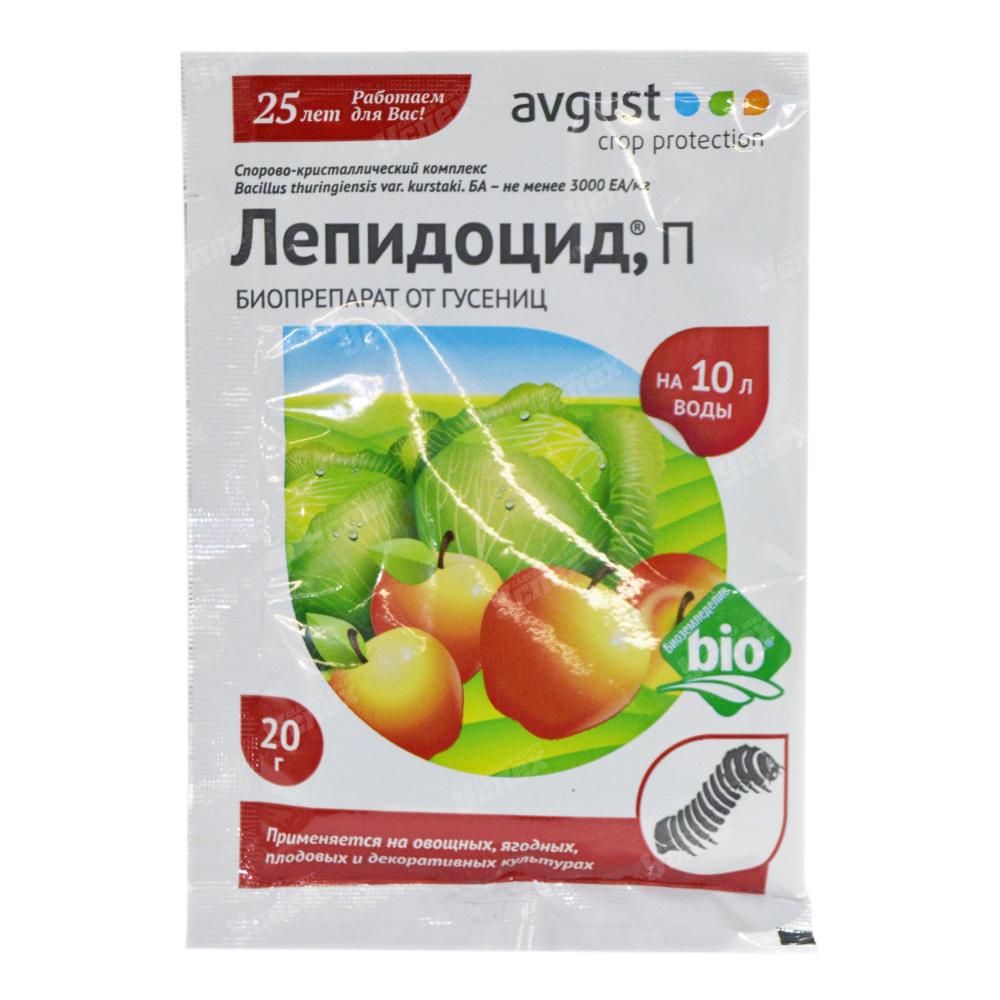
Lepidocide is also suitable for treating fruit and berry plants. They should be sprayed during the growing season, at intervals of 7-8 days. Two treatments are recommended for each generation of pests. A third application is also acceptable for preventative purposes. However, this should be done no later than 5 days before harvest.
To make a working solution, it is recommended to mix 20-30 grams of the product with 1 bucket of water. This amount is used for treating fruit trees. For berry bushes, 2 liters of the working solution is sufficient.
Safety precautions
The product is considered safe for humans. However, it can trigger allergic symptoms. Therefore, when using the insecticide, it is recommended to adhere to the following guidelines:
- wear special work clothes;
- cover your mouth with a mask;
- use glasses and gloves.
What is it compatible with?
Lepidocide can be combined with various types of insecticides. However, it is important to assess their compatibility beforehand. If sediment, foam, or flakes appear in the mixture, it is best to discontinue the combination.
How and how long to store
It is recommended to store the insecticide in a designated storage area, out of reach of children and pets. It should be kept away from food, medications, clothing, and shoes. The product has a shelf life of one year. Store at a temperature of 5-30 degrees Celsius.
What to replace it with
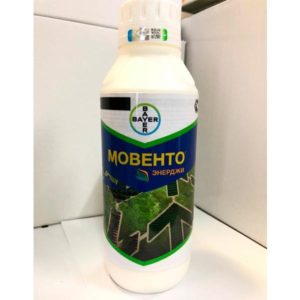
An effective analogue of the drug is considered to be "Lepidobactericid".
Lepidocide is an effective insecticide that helps control a variety of pests. To achieve the desired results, it is important to follow the manufacturer's recommendations.