
The presence of rodents on a property or premises should not be underestimated, as mice and rats not only destroy stored grain and vegetables but can also carry diseases. "Bactorodencid" is used to treat warehouses, storage facilities, and fields. The bait is easy to use, environmentally safe, non-phytotoxic, and has a biological activity rate of 80-90%.
What is included in the composition and existing forms of release
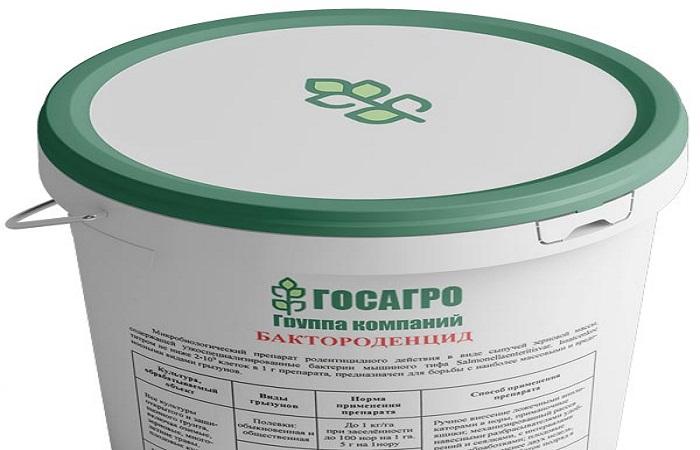
The pesticide is produced as a bait for rodent control. The active ingredient is a strain of Salmonella Enteritidis bacteria, which causes diseases in rodents.
Prescription of the drug
The pesticide helps address the widespread proliferation of harmful rodents: mice (baby mice, wood mice, mound mice, house mice), and voles (water voles, common voles, and bank voles). The bait is scattered in open areas (perennial grasses, winter grain crops, and orchards), industrial buildings, and grain storage facilities.

How it works
When ingested by rodents, the product causes gastrointestinal disease. Bacteria enter the bloodstream, contributing to septicemia. Symptoms of poisoning include lethargy, poor appetite, lacrimation, infectious diarrhea, and ruffled fur. Mice die within 4-14 days. A key feature of the Bactorodencid pesticide is that sick rodents in the population spread the disease to healthy individuals.
Instructions for use and dosage
The manufacturer recommends treating rodent habitats using edge and continuous methods, following the instructions for use.

| The crop or object being processed | Consumption rates | A species of rodent | Features of application |
| Fruit, winter grain, open and protected ground crops | 3 kg/ha | social vole and common vole | Manual spreading and mechanical spreading (using mounted spreaders). Twice a season with a two-week interval. |
| 10 g per hole | water vole | Manual application into burrows. Twice a season with a two-week interval. | |
| Premises for various purposes | 0.6 kg/100 m2 | house mouse, brown rat | 4 placement points are marked and alternated with other methods of rodent control |

In the gardens, bait is placed at a distance of 5-10 m, poured into small paper bags of 10-15 grams.
Precautionary measures
The pesticide "Baktorodencid" is selectively pathogenic and harmless to pets. It is classified as hazard class 3 for humans; safety precautions must be observed when using it:
- scatter the bait using personal protective equipment (respirator, rubber gloves and shoes);
- During the processing, you must not drink, eat, or smoke.
After treatment, it is recommended to wash your face and hands with soap.

Is compatibility possible?
To determine the effectiveness of mixtures of different pesticides, it is advisable to conduct testing. It is believed that pesticides from other groups, due to their specific taste or odor, may reduce rodent acceptance of Bactorodencid bait. Compatibility issues can be resolved by alternating treatments of rooms or fields with different products.
How to store properly
In its original packaging, the wet product can be stored for 90 days from the date of manufacture. The recommended temperature range is +15°C to +25°C. The shelf life can be extended to 12 months by maintaining the dry bait at a temperature of +4°C to +15°C.
It's preferable for the premises to be dry and ventilated. Pesticides, animal feed, or food products should not be stored in the same warehouse.
Analogues
To combat rodents, you can use various products containing special bacteria.
- The biological product "Antimyshin" is used to protect greenhouses, vegetable storage facilities, pastures, and crops from mice. Steamed grain is impregnated with active Salmonella bacteria.
- The Nutcracker grain bait rodenticide has a distinctive peanut scent. It is used to control rats and mice in greenhouses, grain warehouses, vegetable storage facilities, and basements. Effects are visible within 3-7 days. It is non-toxic to humans and animals.

Failure to promptly combat rodents in fields and buildings can have dire consequences. Regular, proper use of the pesticide "Bactorodencid" will significantly reduce rodent populations and the damage they cause.