
Calcium application to plants achieves a wide range of beneficial effects. This element plays a vital role in maintaining the proper structure of plant cells. It also helps regulate the absorption of nutrients and acts as a catalyst and enzyme activator. This substance helps stimulate crop growth and increase yields.
Why do plants need calcium?
Calcium is considered a vital element for plants. This nutrient is required by crops at various stages of growth and improves their yield.
In what periods and for what purpose is it necessary?
Calcium deficiency primarily affects root development. Root hairs, which are responsible for the majority of water and nutrients entering the plant from the soil, fail to form.
If there's a calcium deficiency, the roots begin to rot. Furthermore, the pectin and lipids that permeate the cell walls dissolve. As a result, the tissues turn into a slimy mass with no clear structure.
Calcium also has a beneficial effect on the development of above-ground plant organs. A severe deficiency of this element results in chlorotic foliage, apical bud death, and stem development halted. Calcium plays a significant role in photosynthesis, as green foliage contains large amounts of this element.
Calcium stimulates metabolic processes in plants and influences carbohydrate transport. It influences the transformation of nitrogenous elements and stimulates the use of seed storage proteins during germination. One of the key functions of this substance is its effect on the physicochemical state of protoplasm, specifically its viscosity, permeability, and other characteristics that influence biochemical processes. Calcium compounds with pectin substances lead to the agglutination of individual cells.
So, the mineral substance helps to achieve the following results:
- improve carbohydrate transport;
- strengthen cell walls;
- improve root formation;
- increase resistance to pathologies;
- make the harvest better quality.
Take a look Also

In addition, it's important to consider calcium's impact on soil fertility. This mineral promotes humus formation, reduces soil acidity, increases water and moisture permeability, and accelerates organic matter decomposition.
What can you eat to satisfy your hunger?
Plant crops have different mineral needs. Green varieties require more than achlorophyll-free varieties. Cereals are characterized by minimal calcium absorption. Nightshades, legumes, and cruciferous plants require much more. This also applies to perennial grasses.
Clover, alfalfa, and cabbage consume large amounts of the mineral. On agricultural land, some of the substance is returned to the site with manure. When growing potted houseplants, some of the element can be replenished by renewing the soil.
It's important to remember that some of the minerals in the soil are simply washed away by water. This is especially true for sandy and sandy loam soils. Therefore, it's crucial to constantly replenish the soil's mineral reserves. The best way to restore the substrate's mineral balance is with specialized fertilizers.
List of fertilizers containing calcium
The most popular calcium-containing fertilizers include the following:
- Limestone flour is made from a common sedimentary rock. Its neutralizing properties are 85-95%. It also often contains impurities such as sand and clay, which can make up to 25%.
- Dolomite flour contains 56% calcium carbonate and 24% magnesium carbonate. Impurities such as sand and clay account for a maximum of 4%. It's important to note that in acidic soil, this substance does not decompose as quickly as limestone flour.
- Burnt and slaked lime – these products contain only calcium. However, these fertilizers have very high neutralizing properties and are virtually free of foreign impurities. The downside of these products is their high price. Furthermore, these types of lime are less convenient to use.
- Ground chalk is a soft, unrefined form of limestone, which contains pure calcium carbonate. It also contains traces of clay and silica. This substance neutralizes soil acidity 100%.

Choosing the best remedy
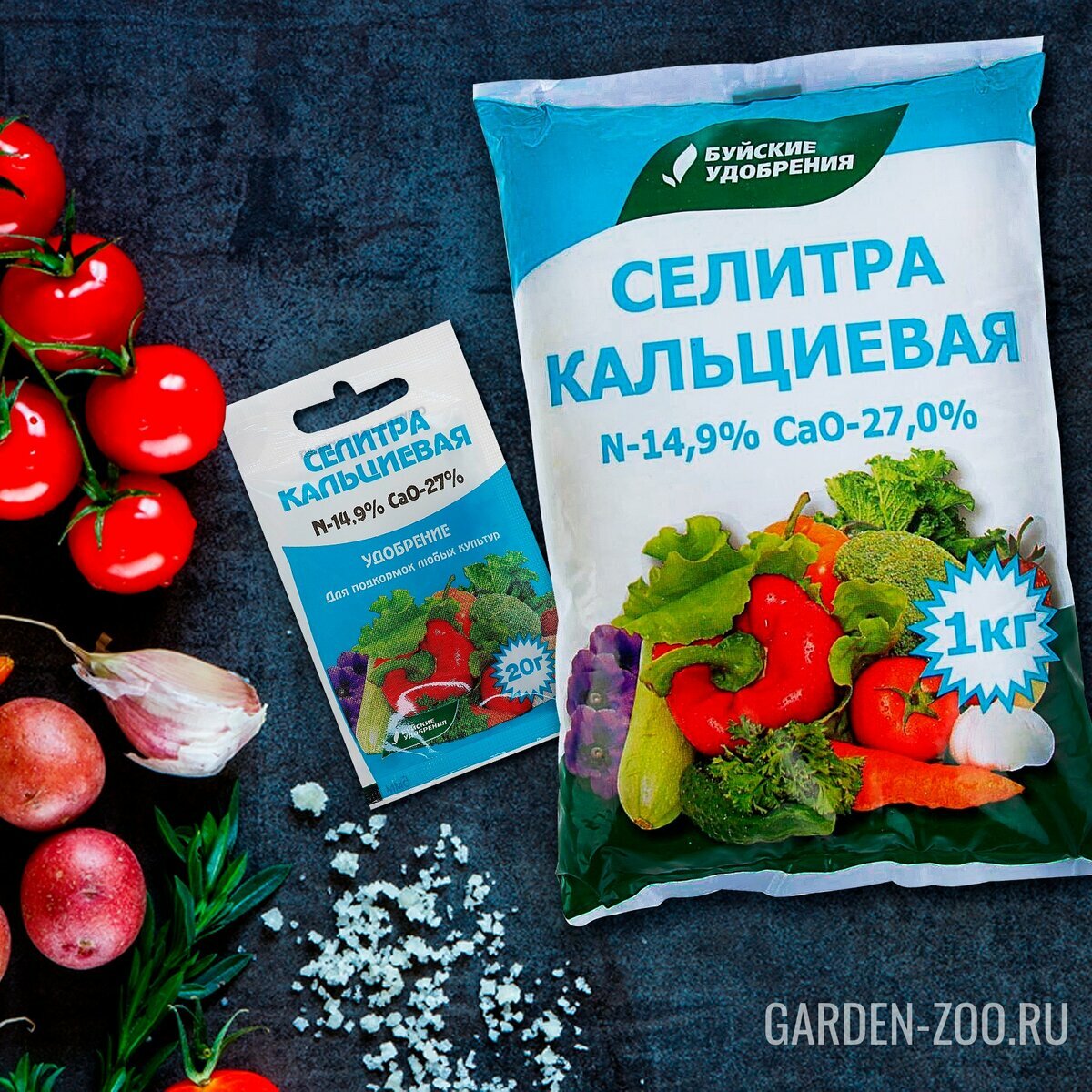
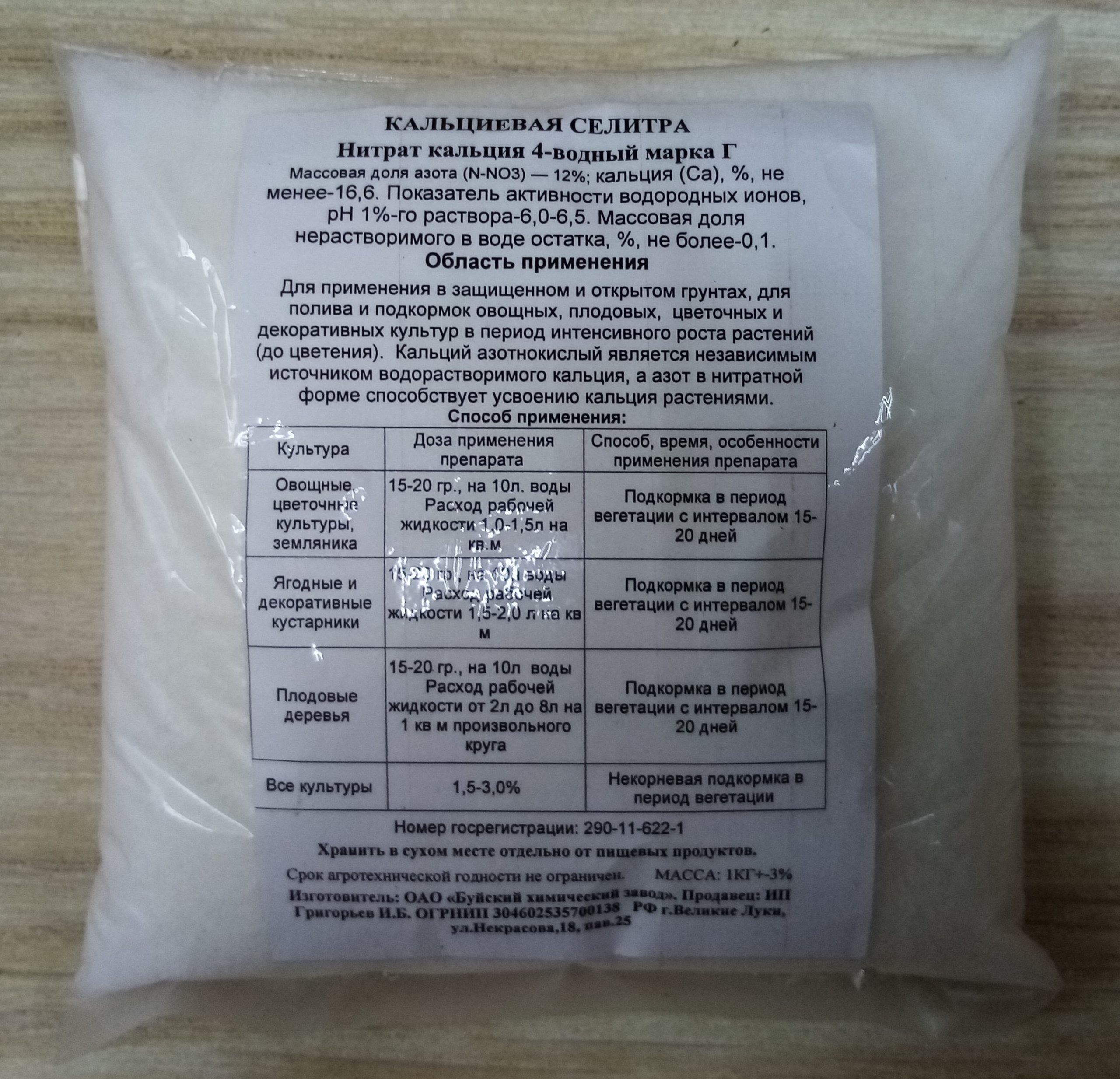
Choosing a specific product should be based on your goals and objectives. Calcium nitrate is considered one of the most effective. This compound contains water-soluble calcium and a small amount of nitrate nitrogen.
The product is available in granular form and helps quickly saturate crops with essential nutrients. This strengthens cells, compacts the fruit structure, and extends the shelf life of the harvest.
Calcium is a valuable nutrient that plays a vital role in plant development. To ensure the desired results, it's important to choose the right product and strictly follow the instructions.