
Using adhesives for plant sprays helps achieve positive results. These products are auxiliary surfactants that increase the effectiveness and prolong the action of chemicals. These products help prevent solutions from slipping during foliar feeding and pest control treatments.
Description of the plant spray adhesive and what it is
A sticking agent is a special substance that enhances the effectiveness of fertilizers, fungicides, insecticides, and herbicides. This substance promotes the uniform distribution of plant protection products and allows them to remain on the crop surface for as long as possible, or, in other words, "stick." This is where the common name for surfactants comes from.
Surfactants are typically used in tank mixes with fertilizers and pesticides. Some farmers first treat crops with adhesives and then apply pesticides separately. However, experts believe such treatments are not cost-effective, so it's better to mix all substances together.
Types of adhesives
Adhesives can be included in chemical formulations or sold separately. Bioadhesives, which are made from polysaccharides, are considered the most environmentally friendly.
The main types of such drugs include the following:
- non-ionizing;
- aminoactive;
- cationic.
In agriculture, only non-ionizing surfactants are used. Other types are used in the manufacture of household chemicals.
Description of drugs
Today, there are many effective adhesives available on the market, each with its own specific properties.
"Gait"
This product is a hybrid lipophilic penetrant and wetting agent that works well with various pesticides. It contains a foam inhibitor, an emulsifier, and a liquid conditioner. However, the manufacturer does not list the full list of ingredients.
"Tandem"
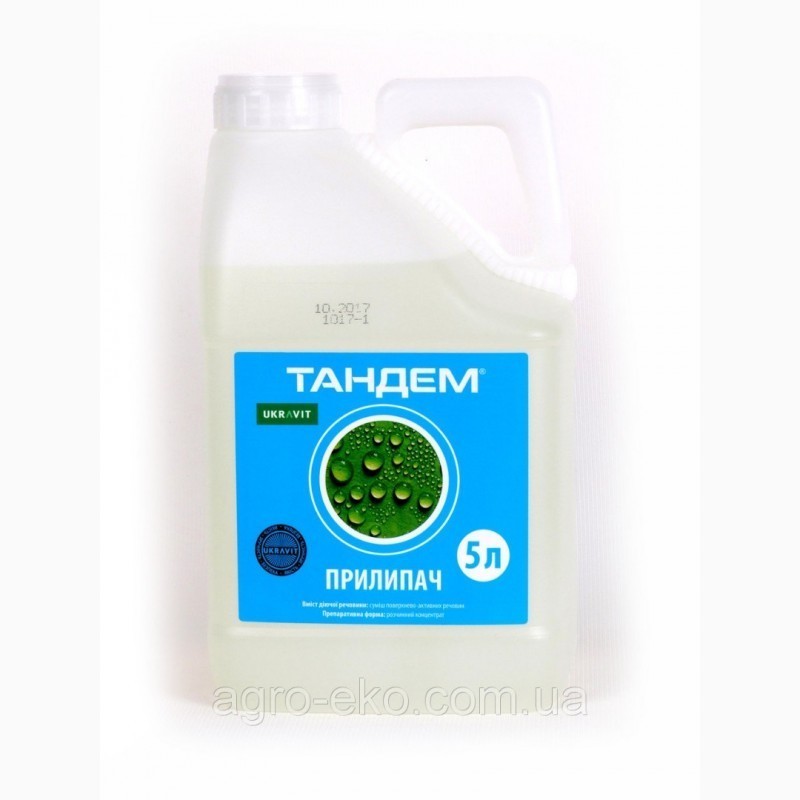
This adhesive is considered a highly effective product, available as a soluble concentrate. It can be combined with various protective agents. To use the product, prepare a working solution with a concentration of 0.15%. To do this, use 150 milliliters of the product per 100 liters of water.
The product reduces the tension of the working solution and ensures the formation of a uniform film. This reduces the amount of liquid running off the leaf surface and allows for better absorption.
Trend 90
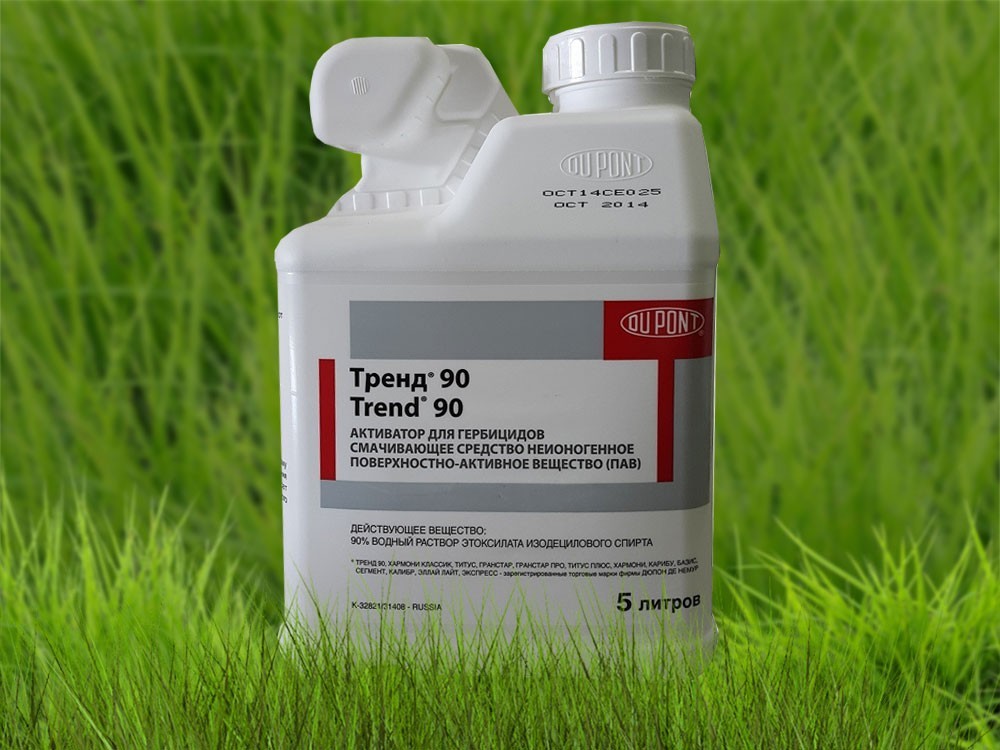
DuPont produces this adhesive in 5-liter packages. It can be used in conjunction with fungicides, insecticides, and herbicides. The use of surfactants enhances the effectiveness of the chemicals. When preparing the working solution, use 100 milliliters of the product per 100 liters of water. The recommended application rate is 200-300 milliliters of the working solution per hectare.
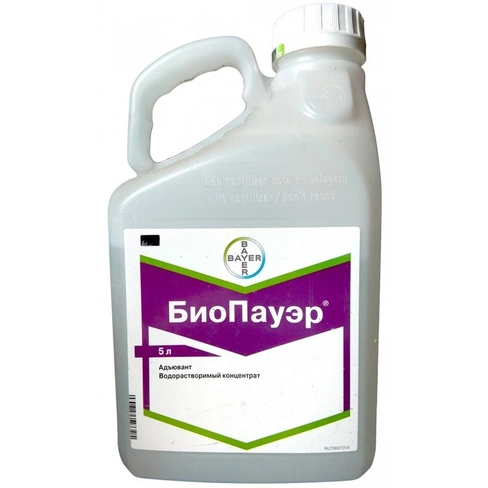
BioPower
This substance is specifically designed for mixing with herbicides. It is produced by the German company Bayer. BioPower enhances the effectiveness of herbicides. However, it is important to note that it is quite expensive.
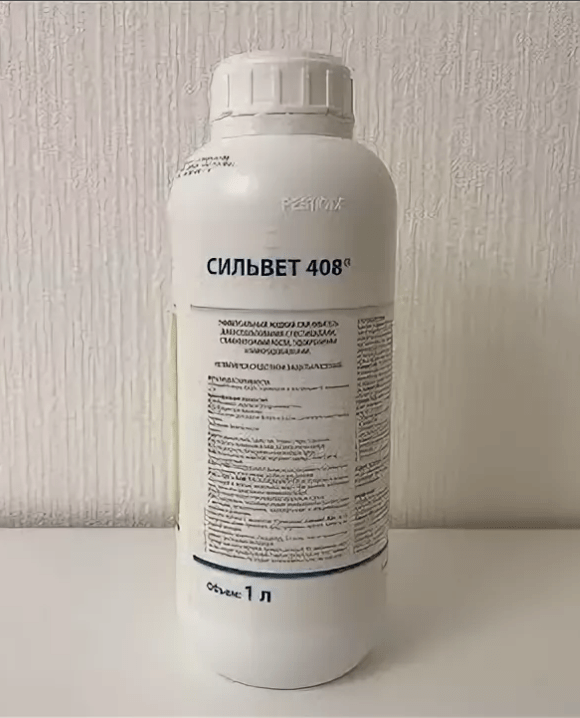
Silvet 408 and Gold
These substances are produced by an Austrian company. After application, a silicone-based film forms on plants. "Sylvet Gold" can also be used on aloe and cacti. Unlike "Sylvet 408," the substance does not drip off.
These products can be combined with glyphosate-based herbicides. When combined with other herbicides, the working solution must be prepared with a concentration of no more than 0.05-0.1%. Otherwise, there is a risk of crop damage.
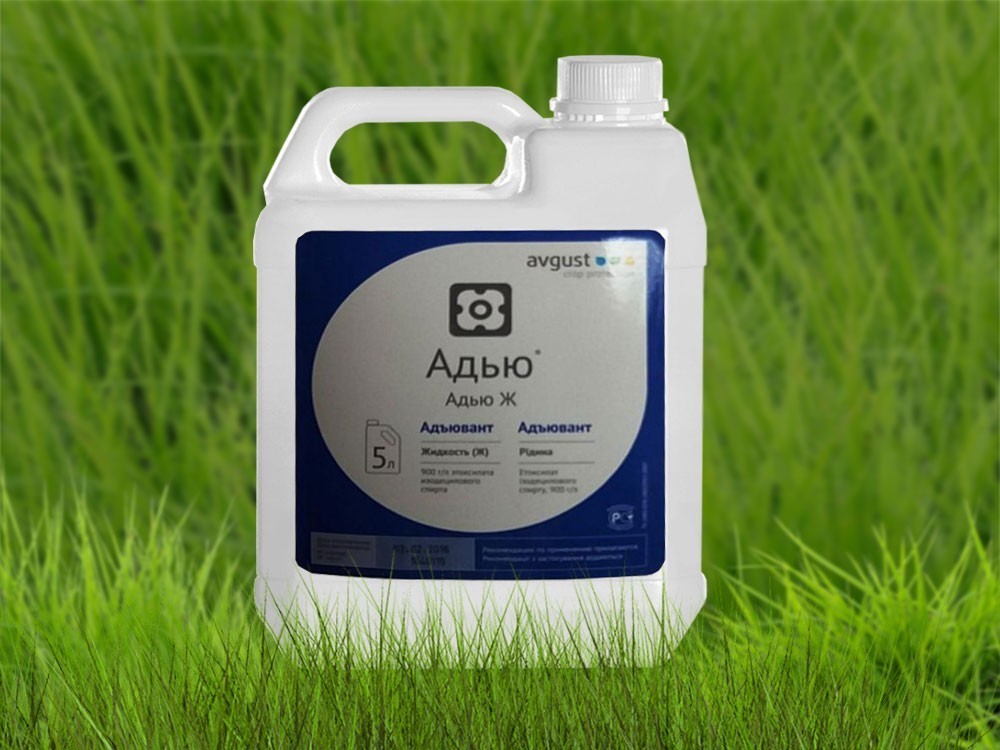
Adieu
The product belongs to the polysaccharide category. It can be combined with standard herbicides, increasing their effectiveness. It helps eliminate stubborn weeds with fuzzy or waxy leaves. It can also combat overgrown grass.
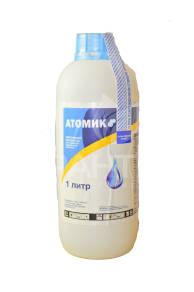
Atomik
This innovative product reduces surface tension and increases the permeability of various products. It can be used at concentrations of 0.008-0.2%. It can be mixed with fungicides, insecticides, and herbicides. It can also be combined with desiccants, seed dressings, and micronutrients. The adhesive should be added to the working solution, mixed for 1-2 minutes, and then applied as directed.
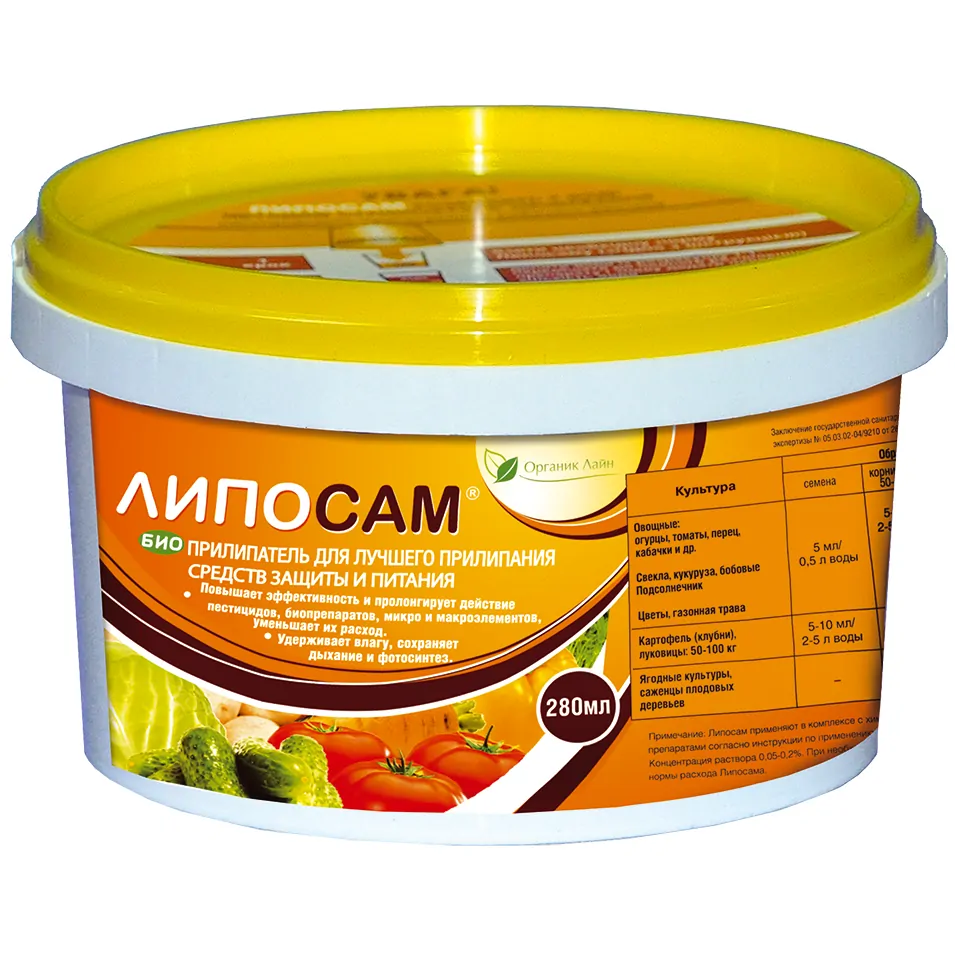
Liposam
This biological substance can be combined with soil herbicides. The composition can be applied to seeds and bulbs before planting or sprayed on crop foliage. "Liposam" improves the absorption of nutrients by plant leaves.
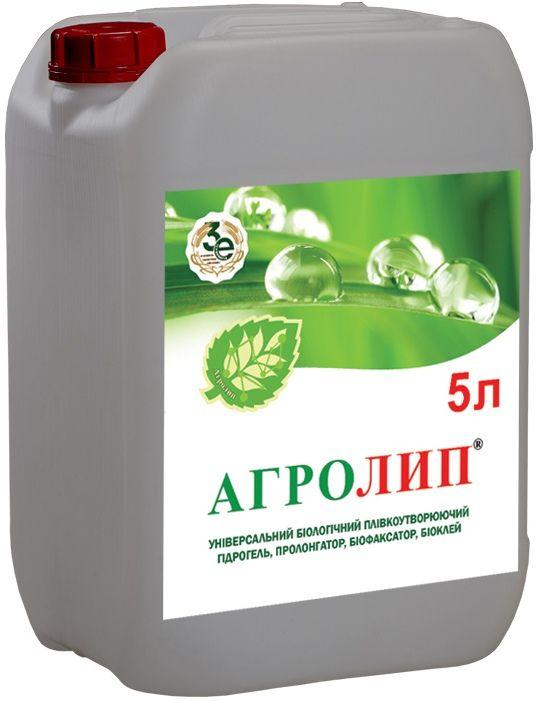
Agrolip
This all-weather product is highly effective. 200 liters of the product are required per hectare. It doesn't remove the protective film from crops, but rather forms a new one.
Using folk remedies as adhesives
Adhesives are present in many pesticides. However, some gardeners avoid using these products in their gardens, relying instead on folk remedies. In this case, they can resort to homemade adhesives. The most effective options include the following:
- Laundry soap. A useful mixture can be made from 10-50 grams of crushed soap and 1 bucket of water. However, do not increase the dosage due to the alkaline nature of the product.
- Liquid soap. Use 2-3 tablespoons per 5 liters of working solution. This solution has a neutral pH, but is slightly less effective at adhering to foliage.
- Washing powder. This product dissolves quickly and adheres well to plants. For every 10 liters of working solution, use 50 grams of washing powder.
Adhesives are considered useful agents that enhance the effectiveness of chemicals. To ensure the desired effect, these products must be used correctly.