
The quantity and quality of the harvest, as well as the ornamental appearance of plants, directly depend on the quality of the soil. To ensure the soil is loose and fertile, it's important to apply fertilizers annually and cover the beds with a layer of mulch. The use of specialized soil conditioners is also crucial. Today, there are many compounds that can be used to improve soil structure.
What are baking powders used for?
Special loosening materials for the garden help achieve a number of beneficial effects:
- They provide the soil with air. Due to their heterogeneous structure, these substances form small air pockets in the soil, containing nitrogen, oxygen, and carbon. All these elements are essential for the development of plant roots. Furthermore, the addition of loosening agents helps prevent the formation of a dense crust on the soil surface. This prevents the soil from becoming heavier or compacted.
- They mitigate temperature fluctuations. The root system thrives in these conditions, even in cool weather. This is especially important for seedlings, as sharp temperature fluctuations are inevitable in spring.
- They disinfect the soil. Soil loosening agents inhibit the growth of pathogenic flora in the soil and protect plants from infection. Furthermore, some substances also have antiseptic properties.
Methods for quickly determining soil properties
To choose the right soil loosening agent, it's important to determine the soil type. You can do this using the following methods:
- submit the soil to the laboratory;
- independently determine the composition of the soil.
The first method is undoubtedly considered the most effective. However, it's not accessible to everyone. Therefore, you can try assessing its properties yourself. To do this, it's recommended to moisten the soil with water and try to form it into a ball. If it falls apart, the soil is light. If you can form a cord or ring, it's quite heavy.
The best soil looseners for seedlings
Today, there are many known soil loosening agents that can be used when planting seedlings or other plants.
Peat
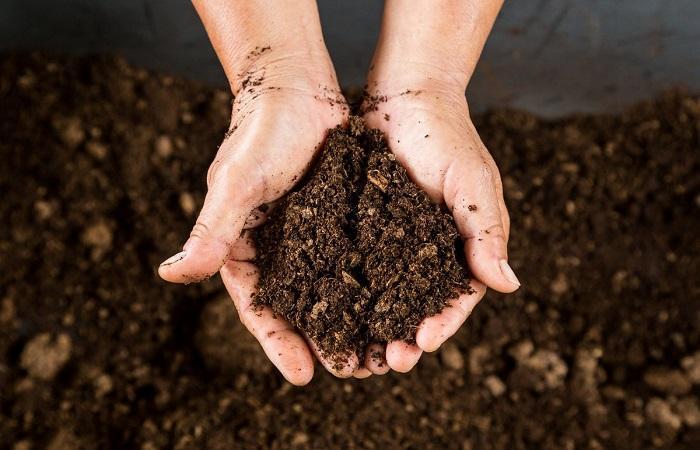
This organic leavening agent is considered quite common. It is produced in a variety of forms. Peat is composed of plant residues. It forms in large quantities in bogs. This occurs under conditions of high humidity and minimal oxygen.
Coarse peat is added to heavy soil to lighten it and make it more breathable. It acts both as a loosening agent and a natural fertilizer. Low-lying peat, which is distinguished by its black color, is particularly effective. Manufacturers often add it to ready-mixed soil for seedlings.
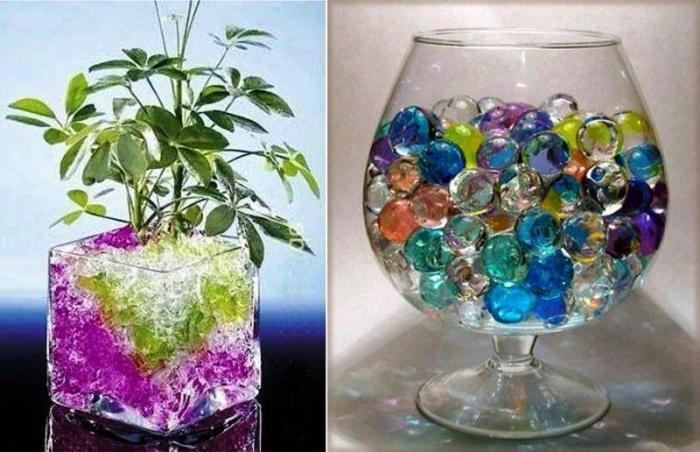
Helium balloons
This variety of rooting powder has excellent decorative properties. It appears in beautiful multicolored balls. This substance doesn't actually loosen the soil. However, it does improve the properties of the substrate, promoting healthier root systems.
The material exhibits excellent hygroscopic properties. When watered, it swells, then gradually releases moisture and shrinks. This facilitates the movement of soil particles. Consequently, the material's loosening properties are revealed.
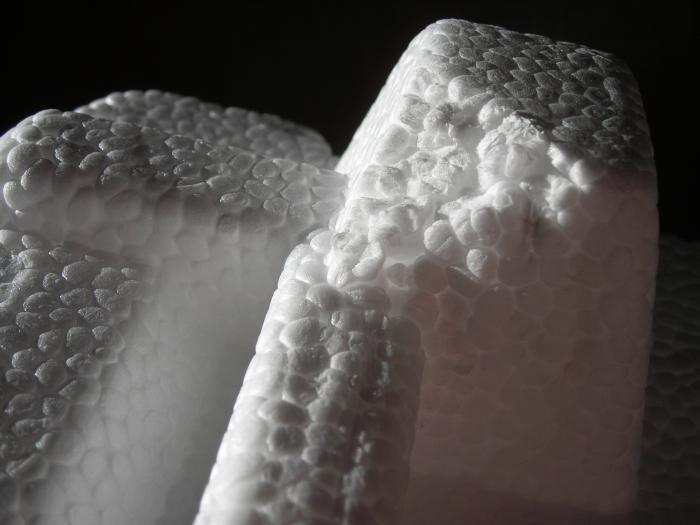
Styrofoam
The main advantages of polystyrene foam include its affordability and lightness. However, the material is not natural. It takes a long time to decompose in the soil and does not retain moisture. Due to its low density, the material quickly reaches the soil surface and ceases to perform its primary function.
Once seedlings are planted in open soil, the material becomes dangerous to birds, who may eat it. Furthermore, the foam cannot be removed from the soil.
Sand
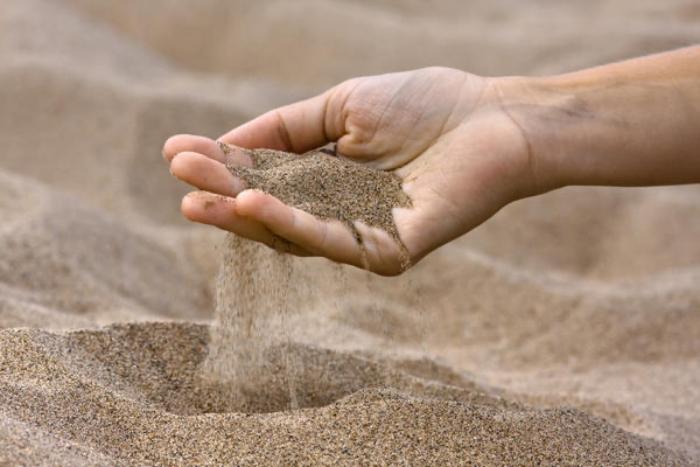
This is the most economical of the natural mineral loosening agents. It's important to choose the right sand. It should have a sufficiently coarse grain size. Therefore, lake sand and construction sand are excellent options. Excessively fine river sand is unsuitable. Construction sand must be carefully prepared. It must be soaked and washed to remove dirt and clay.
Sand is added to the soil for seedlings to improve permeability for water and air.
It can also be used for planting seeds and rooting cuttings.
Christmas tree needles
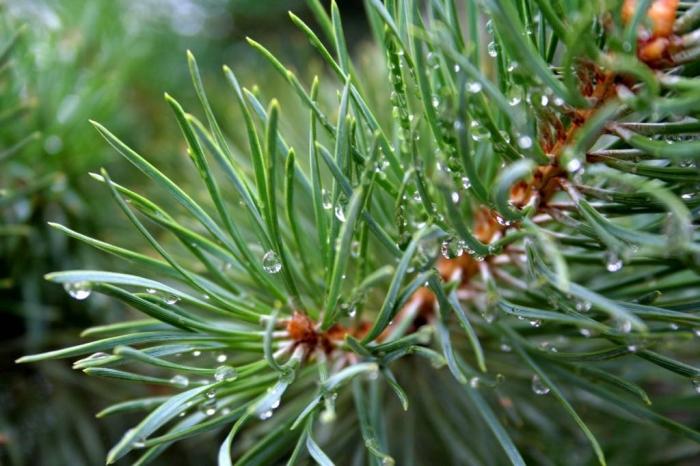
This material should be applied exclusively in the fall when tilling the soil. It is also used when preparing the substrate for flowers. It's important to keep in mind that fir tree needles are acidic, so they can significantly increase soil pH.
Pine bark
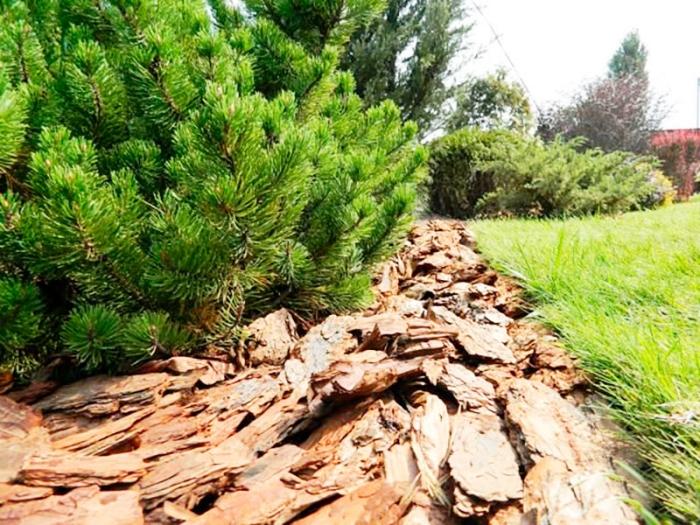
This product can be purchased ready-made or carefully removed from the trunks. The bark should be applied in the fall. It acts as a ballast loosening agent.
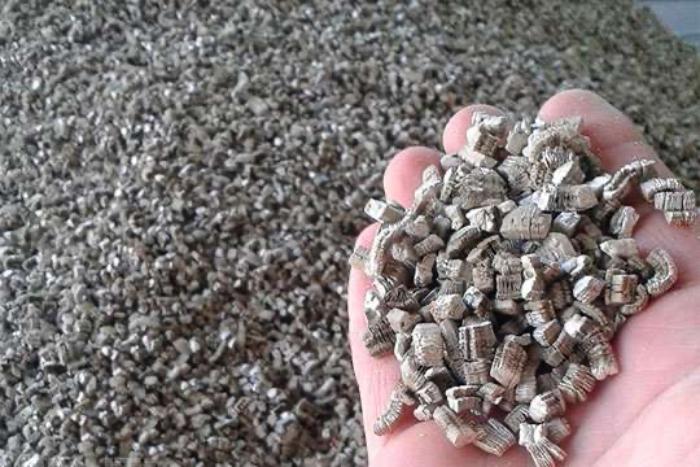
Vermiculite
This mineral loosening agent has a layered structure, preventing soil compaction and acidification. It also prevents mold and moss from forming on the surface. Furthermore, the material accumulates nutrients along with moisture and gradually releases them to crops.
Vermiculite is ideal for rooting cuttings and planting seeds. When mixed with soil, it can be used for seedlings. If the soil is too wet, vermiculite should be added dry. When adding to dry soil, the vermiculite should be soaked in the soil.
A major advantage of this material is its eco-friendliness. Vermiculite crystals are only heat-treated to enhance their absorption properties and increase their volume. The finished product does not contain heavy metal salts. The substance inhibits the growth of microorganisms and does not rot.
Hydrogel
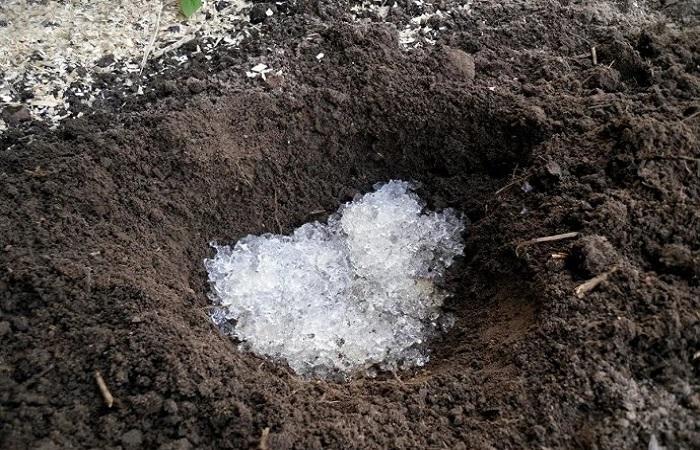
This polymer is produced in powder or granule form. In its powdered form, it is used for seed germination, maintaining soil looseness and moisture, and preventing water stagnation. The hydrogel has a gel-like structure, allowing roots to easily penetrate the granules and absorb water and micronutrients.
Using hydrogel during planting helps significantly reduce the need for watering. The volume of dry granules increases 15-fold. They accumulate moisture from the soil and gradually release it to the plants. This also improves the looseness and breathability of the substrate.
Perlite
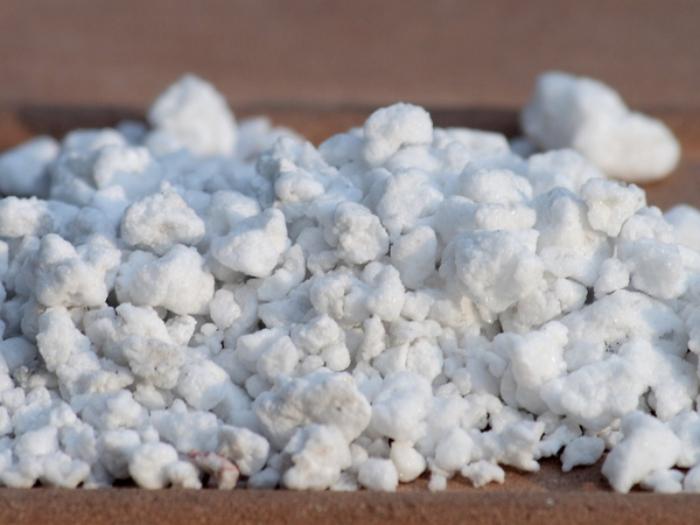
This material absorbs moisture well. It is sterile and does not spoil for a long time. Perlite is suitable for germinating seeds and rooting cuttings. It helps make the soil more aerated.
Expanded clay
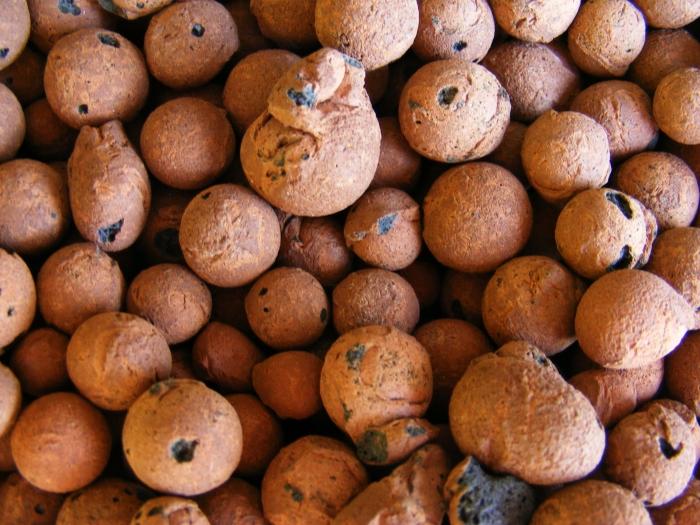
The composition should be added to the soil or applied as a surface decoration. It helps prevent soil erosion and overheating. It also helps slow moisture evaporation. The material can also be used for drainage.
How to properly maintain soil looseness
Regular application of fertilizers helps maintain the desired soil structure. Wood ash is a good choice for this purpose. Dolomite flour is also useful. It's also helpful to use mixtures with added chalk or lime. They oxygenate the soil and improve its composition.
Today, a wide variety of baking powders with different properties are available on the market. This allows everyone to choose the right material based on their needs.