
Agricultural products—broad-spectrum fungicides—are used to combat infectious plant diseases. Let's look at the physical and chemical properties of propiconazole, the products it's used in, and its mechanism of action. What are propiconazole-containing products intended for, how to use them correctly according to the instructions, and what precautions should be taken.
Main physical and chemical characteristics
Propiconazole is a fungicide. It belongs to the triazole group. It is manufactured as a 9-25% emulsifiable concentrate. Propiconazole-containing products are systemic pesticides with demonstrated protective and therapeutic effects. Crops are treated by spraying an aqueous solution.
Pure propiconazole is a yellowish or clear, viscous liquid with neutral pH. It is soluble in water and organic solvents. It is miscible with propanol, acetone, and methanol. Maximum solubility is achieved at 25°C – 176.5 mg per liter of water. Propiconazole boils at 120°C and ignites at 250°C.
Purpose
Products containing propiconazole are used to treat plants against fungal diseases. They are used on cereals, rapeseed, clover, essential oil roses, black currants, and grapevines. They are effective against leaf spot, septoria leaf spot, anthracnose, and phoma leaf spot. They also combat rhynchosporiosis, rust, cercosporella leaf spot, ascochyta leaf spot, early blight, and powdery mildew. They have little effect on fusarium leaf spot and root rot.
Mechanism of operation
The substance inhibits ergosterol production, inhibits spore formation and further fungal growth, and is toxic to vegetative organs. In addition to its fungicidal properties, it has been shown to stimulate plants. Propiconazole enhances photosynthetic processes. When applied to grain crops, it remains in the leaves and does not reach the ear. The substance is not detected in grain, and does not accumulate in the grain after processing. It is fully suitable for human consumption and animal feed production.
What medications contain it?
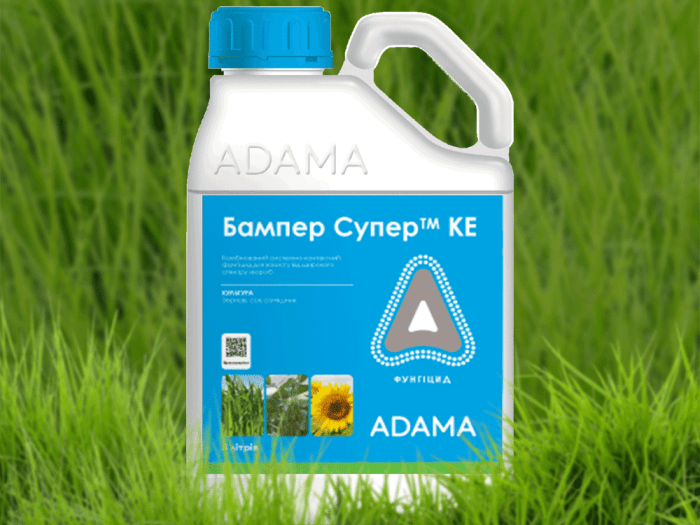
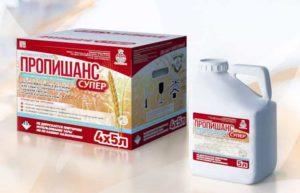
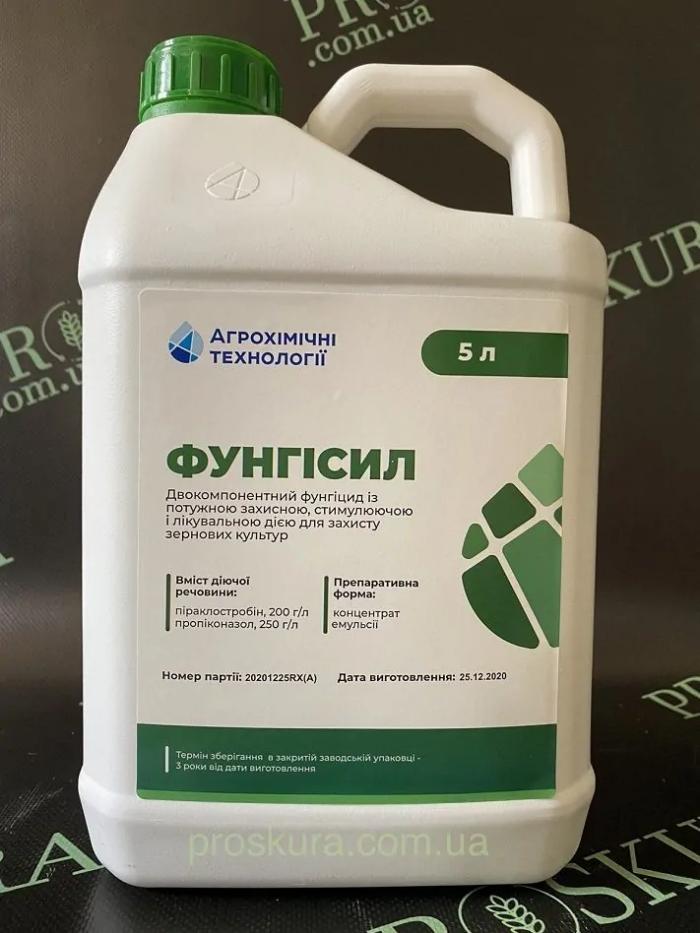
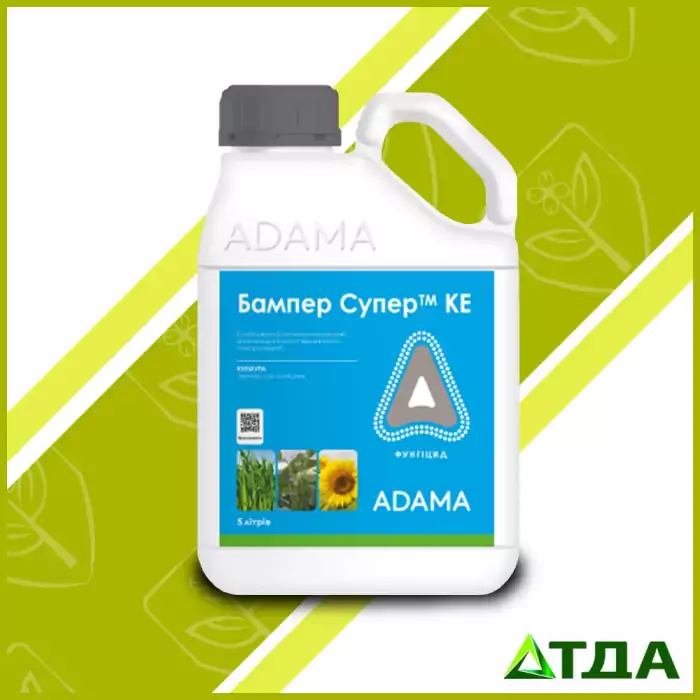
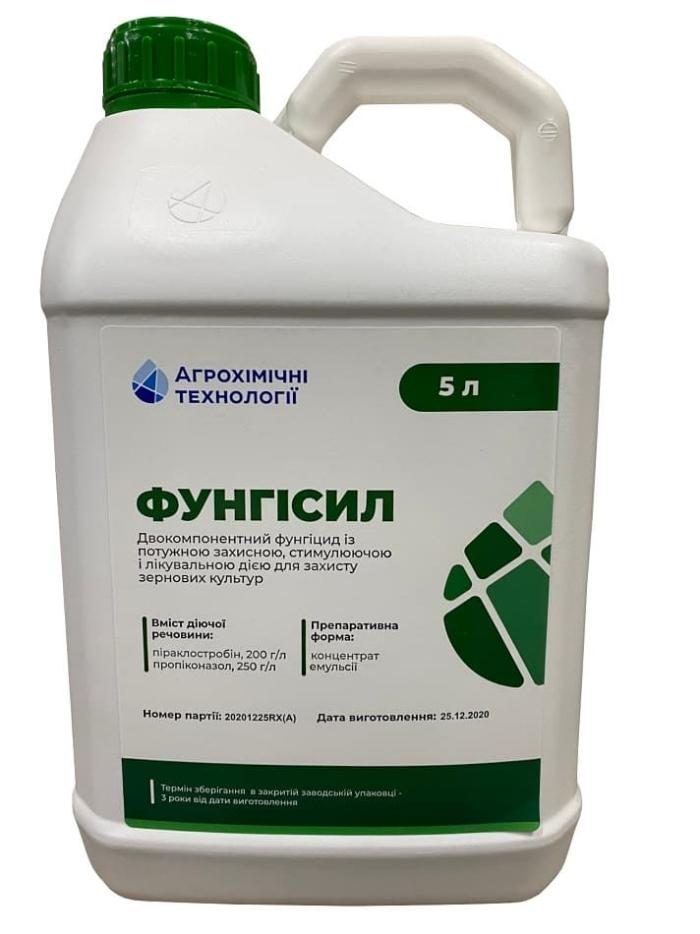
Propiconazole is contained in the following preparations for agriculture: Alpari, Altrum Super, Anemone, Bumper Super, Virtuoz, Capella, Komissar, Propishans, Atlant Super, Strobitek Multi, Title Trio, Kalibel, Profi, Super Alliance, Colossal Pro, Titan, Tilt, Fungisil, Baliy, Peon, Skif, Thymus.
In private farms, you can choose the following fungicides with propiconazole: Chistoflor, Agrolekar, Chistotsvet, Propi Plus, Prognoz.
Instructions for use
Propiconazole's activity decreases on cool and humid days and increases on warm days. It is recommended to apply the product on dry and warm days. The product is not washed off, and its effectiveness is not affected by rain or dew. Propiconazole protects plants for 3-5 weeks, during which time they can develop without problems.
The recommended treatment for grain is one time; additional treatments are possible if the disease is advanced. The final spraying should be carried out one month before harvest; this is the waiting period.
This fungicide mixes well with herbicides in tank mixes, insecticides, foliar fertilizers, and growth regulators. It is non-phytotoxic.
Safety precautions
Propiconazole is low-toxic and belongs to toxicity class 3. Three days must pass after the last treatment before mechanical work can begin. Fungicidal products should not be used in areas where fish farms are located.
When handling fungicidal agents, wear protective clothing, a respirator, plastic goggles, and rubber gloves to prevent contact with skin or eyes. If liquid or solution comes into contact with skin, rinse with clean water. If accidentally ingested, take charcoal tablets with water. Induce vomiting after a few minutes.
Treatment for poisoning, although rare, is symptomatic. If vapors are inhaled while working indoors, go outside immediately. If symptoms of poisoning appear, call a doctor.
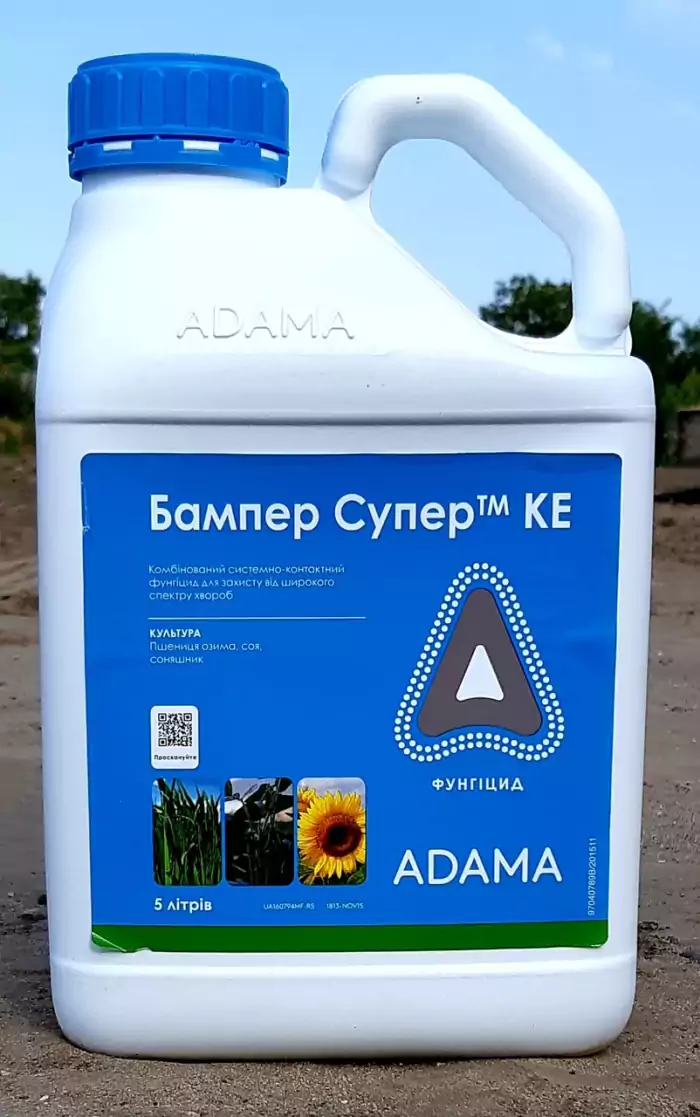
The active ingredient propiconazole is found in well-known agricultural products. It is used to treat crops against common infectious diseases. These products are used in commercial crops and in private farms.
Protects grain and other crops from various types of fungi. It effectively treats and protects plants, and in most cases, only one treatment is required for cure. The substance stimulates crop growth, normalizes and enhances photosynthetic processes, thereby improving plant health.