
Trichodermin is a biological fungicide that protects plants from pathogens. It helps combat Alternaria wilt, white rot, and verticillium wilt. It also effectively protects against Phoma wilt, Rhizoctonia wilt, and Pythium wilt. To achieve the desired effect, strictly adhere to the instructions for use. Adherence to safety precautions is also crucial.
Physicochemical properties and purpose
This product is a biopreparation designed as a preventative and antimicrobial agent. It targets the main infections that affect plant roots.
This biological insecticide is versatile, making it suitable for a variety of applications. Today, Trichodermin is used to address the following issues:
- For soil health. Soil often harbors pathogenic microorganisms that pose a threat to crops. The active ingredients in this product help destroy bacteria and infections. They also enrich the soil with valuable elements.
- To prevent the development of pathologies and treat plants, Trichodermin is effective against common houseplants and helps control rare ornamental varieties.
- For pre-planting seed treatment. It is recommended to treat seeds before planting them in their permanent location.
- For preventive treatment of garden crops.
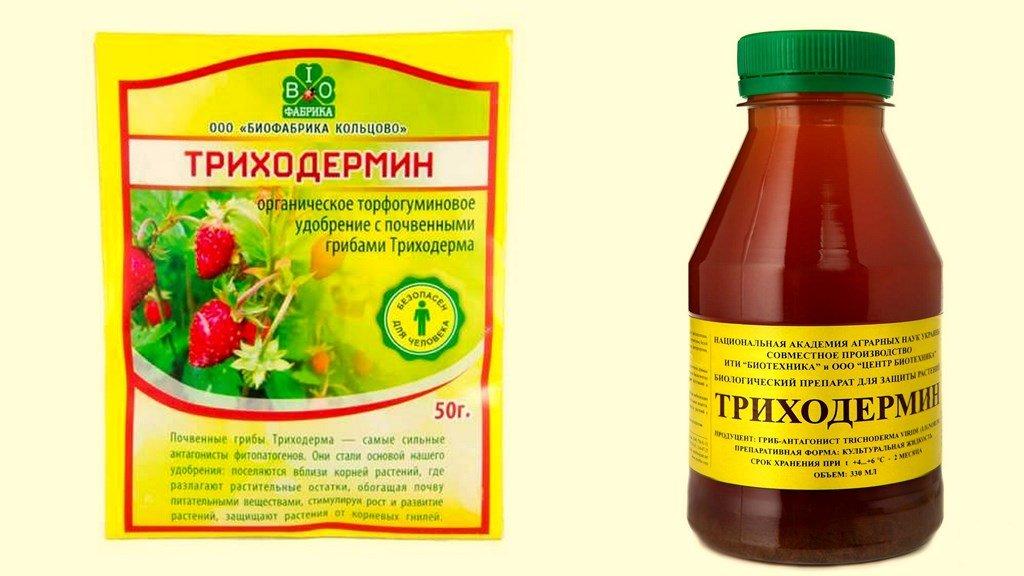
What is included in the composition and dosage form
Trichoderma is considered the most valuable component of the substance. This microorganism has pronounced fungicidal properties. The mycelium resembles yellow-green mold in appearance and produces carbon and antibiotic compounds. When applied to the soil, the active substance promotes the development of beneficial microflora, suppresses pathogenic bacteria, and enriches the soil.
In addition to beneficial fungi, the substance contains vitamins and a grain substrate, which provides the basis for mycelium development.
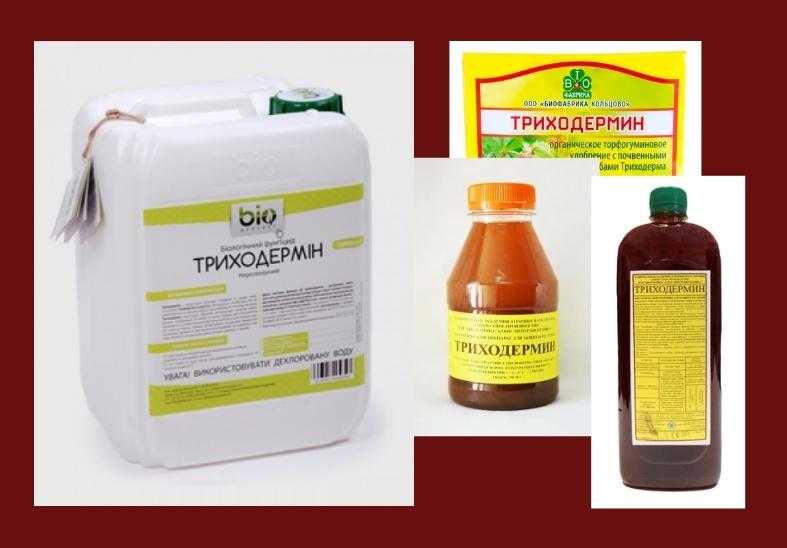
Trichodermin is sold in the following forms:
- aqueous suspension;
- dry powder.
The amount of Trichoderma in both formulations is the same. Each gram or milliliter of the substance contains 8 billion fungal spores.
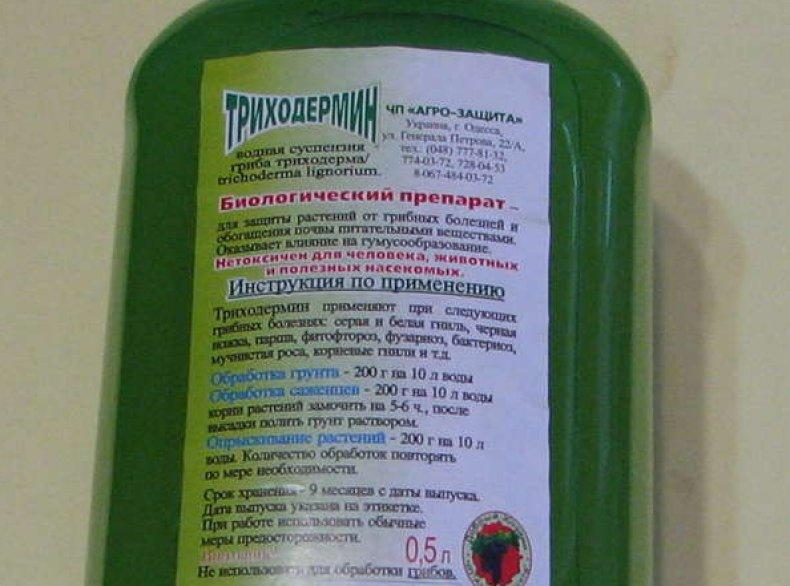
Instructions for use
Use Trichodermin according to the instructions. Mix one packet of powder with 500 milliliters of water and let sit for 40-60 minutes. Stir the solution occasionally. After the required time has elapsed, strain the solution through cheesecloth and add water.
Specific consumption rates for the substance are given in the table:
| Culture | Pathologies | Consumption rates |
| Potato | Various types of rot, late blight, rhizoctonia | To prepare the solution, you need 20 grams of the substance per 3 liters of water. This amount is enough for 100 kilograms of tubers.
To spray potatoes during the growing season, use a solution of 20 grams of the substance and 5 liters of water. This amount is enough for 200 square meters of land. |
| Cucumbers, eggplants, peppers, tomatoes | Late blight, brown spot, white rot, fire blight, anthracnose | To prepare the solution, you will need 20 grams of the preparation and 5 liters of water. This amount is enough for 100 seedlings, 10 kilograms of seeds, or 100 square meters of plantings. |
| Beans, sunflower, peas, corn | Powdery mildew, bacterial blight, spotting, fusarium | To make the solution, you'll need 20 grams of the substance per 10 liters of water. This amount is enough to spray 200 square meters of seedlings. |
| Fruit and berry plants | Mildew, oidium, powdery mildew, various types of rot, chlorosis | To spray seedlings, you'll need 20 grams of the product per 3 liters of water. This amount is enough for 100 plants. To spray mature plants, mix 20 grams of the product with 2 liters of water. This amount is enough for 40 square meters. |
Soil disinfection should be done after harvesting and tilling the area. In the fall, Trichodermin should be applied in combination with mulch and plant residues. To fertilize the soil, add 3.5 liters of liquid suspension or stock solution to 50 liters of clean water. Mix the mixture thoroughly and then water the mulch and compost generously.
Safety precautions
Trichodermin is a safe medication with low toxicity. However, when using it, basic rules must be followed:
- Wear a mask and gloves during treatment.
- If the substance accidentally comes into contact with skin or mucous membranes, rinse them immediately with water.
- If swallowed, induce vomiting and seek medical attention.
Is compatibility possible?
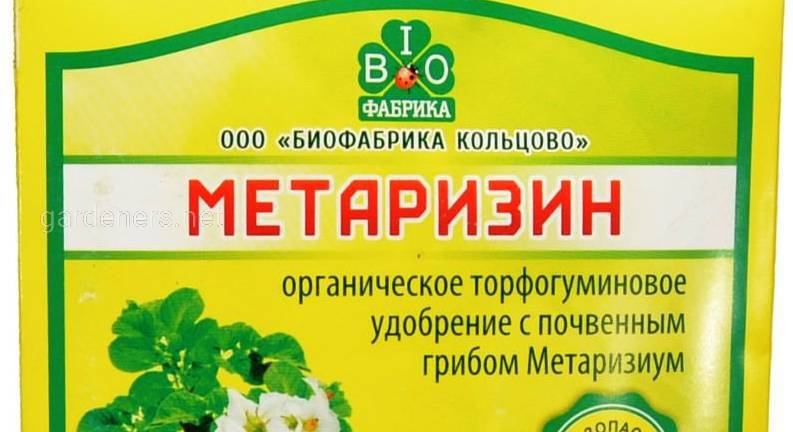
If necessary, the composition can be combined with other fungicides. However, Trichodermin should never be combined with Metarizin. The product also cannot be combined with mercury- and copper-based solutions.
How and how long can it be stored?
The suspension can be stored in a sealed container for up to 9 months. It is important to ensure a temperature of 8-15 degrees Celsius. The product should be kept away from sunlight. The powder has a shelf life of up to 3 years. It should be stored in a cool, dark place.
It is not recommended to store the prepared working solution. It should be used within 24 hours. Any remaining liquid should be discarded.
What to replace it with
As an alternative to Trichodermin, medications similar in composition and mode of action can be used. These include the following:
- Fitosporin;
- Planriz;
- "Riverm";
- "Phytodoctor".
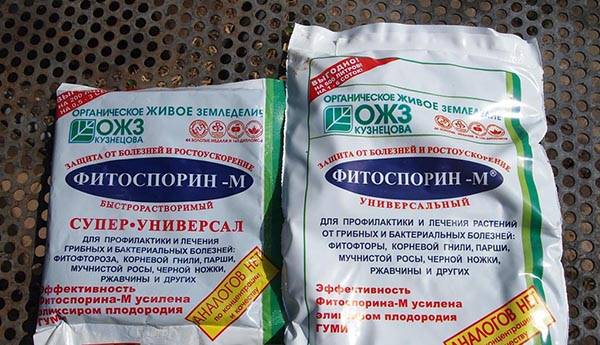
The active ingredients in these analogs include Pseudomonas aeruginosa and Bacillus subtilis. These are soil-dwelling bacterial microorganisms that have beneficial effects.
Trichodermin is an effective remedy that helps treat a wide variety of conditions. To ensure the desired effect, it is important to strictly follow the instructions for use.