
- What is it made of, what is it used for and what is the dosage form?
- Mechanism of operation
- Pros and cons
- How to make a working solution
- Flow calculation and instructions for use
- On potatoes
- For strawberries
- For indoor flowers
- For roses
- On tomatoes, eggplants, cucumbers
- Safety precautions
- What to do in case of poisoning
- How and how long can it be stored?
- Is compatibility possible and what can I replace it with?
Previkur was developed with the goal of producing a product effective against black spot, but the result is a product capable of killing other pathogens as well. Let's look at its composition, purpose, and mode of action, its advantages and disadvantages, and how to prepare a working solution. What are the recommended dosages and consumption rates for different crops, how to store it, what combinations it can be combined with, and what are its acceptable substitutes.
What is it made of, what is it used for and what is the dosage form?
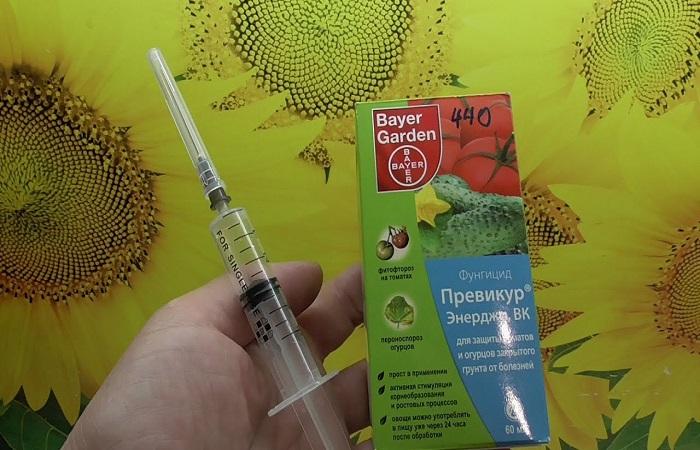
Previkur, manufactured by Bayer CropScience AG, is an aqueous concentrate containing the active ingredient propamocarb hydrochloride at a concentration of 607 g per liter. It is a systemic, protective pesticide available in 1-liter containers. Previkur not only protects against diseases but also promotes abundant flowering and plant growth and strengthens the immune system.
"Previkur" is designed to protect vegetable crops, strawberries, garden and indoor flowers from root rot and basal rot, downy mildew and late blight.
Mechanism of operation
Propamocarb hydrochloride is absorbed primarily through the root system and also partially through the leaves. It protects plants for two weeks, during which time the infection does not spread.
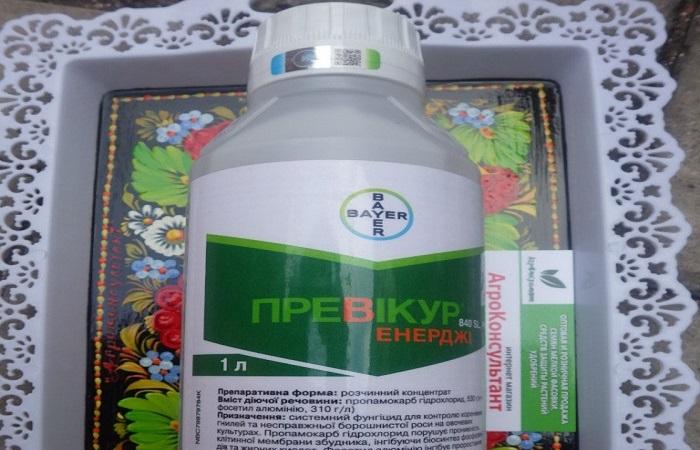
Pros and cons
Advantages of Previcur:
- systemic action;
- a large number of diseases against which the drug protects;
- completely destroys fungi, including spores;
- strengthens the immune system;
- increases the ability of plants to root, enhances growth and flowering;
- non-addictive;
- short waiting period;
- long-lasting protective effect;
- the active substance quickly decomposes in the soil;
- does not have a phytotoxic effect on plants if the instructions for use are followed;
- has high efficiency;
- suppresses pathogens resistant to other fungicides;
- easy-to-use liquid form;
- It can be used either by spraying or by introducing it into the soil through a drip system.
Flaws:
- You cannot process cabbage and leafy crops;
- It is not recommended to use on fruit crops due to the possibility of accumulation of toxic substances in the fruits;
- decreased effectiveness when exposed to sunlight;
- there is a risk of burns when spraying in bright light; in such conditions, you can spray leaves with a waxy coating;
- In soil, the preparation is active only in an acidic environment.
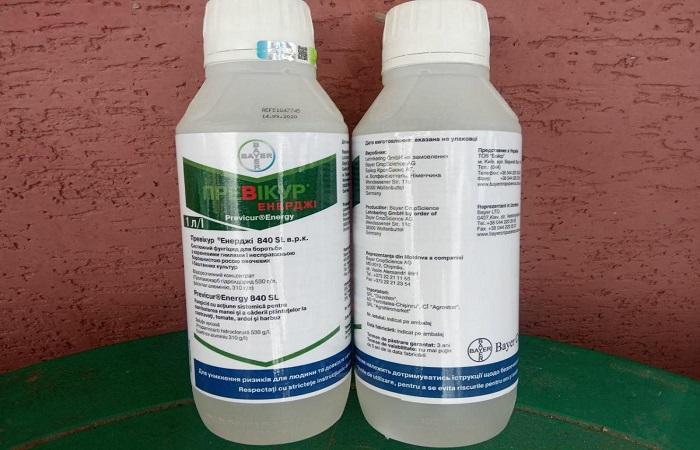
How to make a working solution
Prepare the Previkur fungicide solution before use. The entire solution should be used on the day of preparation; any leftovers should not be stored. To dilute, dilute the required dose of the solution in one-third of the volume of water, then add the remaining amount and mix again.
Previkur takes effect 3-4 hours after spraying. Although fungi do not become resistant to the fungicide, it is recommended to alternate it with products containing substances from other chemical groups.
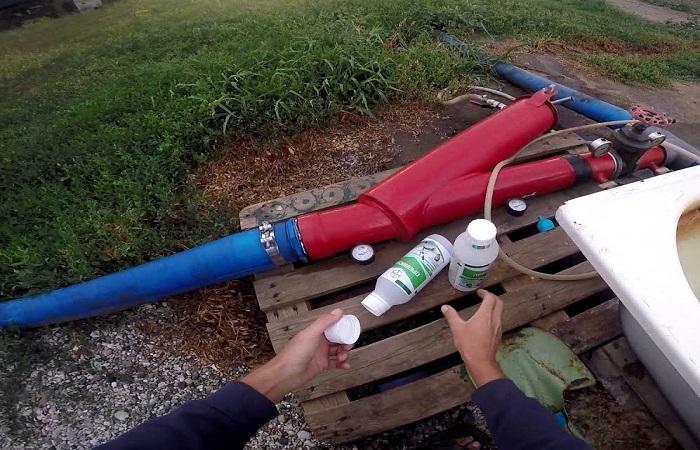
Flow calculation and instructions for use
"Previkur" is used to treat different types of crops; dosages and application for each of them may differ.
On potatoes
To protect crops from late blight, apply a solution of 5 ml per 1 liter of water or 50 ml per 10 liters of water. Treatment should be repeated every 1-1.5 weeks until signs of the disease disappear. The recommended application rate is 2 liters per 1 square meter of bed. Treatment can be combined with fertilization.
For strawberries
Dilute the fungicide at a concentration of 3-4 ml per 1 liter and spray every 1.5 weeks. Apply the final treatment at least one week before the berries ripen.

For indoor flowers
For preventative spraying and to treat existing symptoms, dilute 3 ml of Previkur in 2 liters of water and spray the plants or water the soil if root disease occurs. If the substrate is alkaline or alkaline fertilizers, such as ash, have recently been added, acidify the soil along with watering, as this may neutralize the active ingredient.

For roses
Dissolve 3-5 g/ml in 3-5 liters of water and apply to roses at 2-week intervals. Perform 2-3 treatments.
On tomatoes, eggplants, cucumbers
According to the instructions, dilute 2-3 ml of Previkur in 1 liter of water, using 0.5-1.5 liters per 100 square meters. Apply the solution to the seedlings immediately after sowing the vegetable seeds, and water the plants at the roots two weeks later. Seedlings are treated 2-3 days after planting. Up to five applications can be performed, spaced two weeks apart.

Safety precautions
Previkur is moderately toxic to humans and bees (Class 3). Treatment of areas adjacent to fish ponds is prohibited. Aerial spraying and use of the fungicide on private property are prohibited.

What to do in case of poisoning
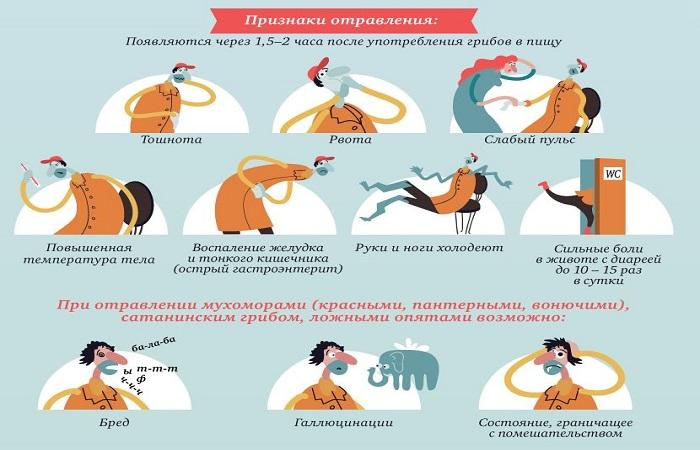
Poisoning with Previkur may cause headache, dizziness, and nausea. If these symptoms occur, stop working, leave the hazardous area, remove clothing, and wash your hands and face with soap.
If the solution comes into contact with the skin, first remove it with a soft cloth and then rinse the area with running water. If the liquid gets into the eyes, rinse them with open water for 5-10 minutes. If Previkur solution is ingested, take crushed charcoal at a rate of 1 g per 10 kg of body weight, wash it down with 4 glasses of water, and induce vomiting. There is no antidote, so in case of severe poisoning, consult a doctor immediately and show the packaging.
How and how long can it be stored?
The manufacturer's expiration date for Previkur is 3 years from the date of manufacture, as indicated in the instructions. Store the product in its original, tightly sealed packaging in a dry place, away from food, water, animal feed, and medications. The room temperature should be maintained between 5 and 25ºC. Keep the product in a dry, dimly lit area, away from sunlight and moisture. Keep children and animals out of reach of the product.
Do not use Previkur after the expiration date. Do not use the prepared solution if it has been stored for more than 24 hours after preparation. After the expiration date, the solution becomes ineffective.
Is compatibility possible and what can I replace it with?
Can be combined with medications with different active ingredients, except those that exhibit an alkaline reaction. Before mixing, it is recommended to conduct a test to ensure compatibility. This is demonstrated by the stability of the solution—its color and temperature remain unchanged, and no sediment forms.
Previkur can be replaced with pesticides containing propamocarb hydrochloride: Infinito, Consento, and Energodar. These products are used in agriculture. Consento can be used on private plots.
The fungicide "Previkur" is used in agriculture to treat vegetables—tomatoes, cucumbers, potatoes, and houseplants and garden flowers—against fungal diseases. It controls fungi and their spores by preventing them from germinating. It can be used for prevention and treatment of existing diseases. In addition to its fungicidal properties, it also promotes growth and strengthens the immune system.
It is non-addictive, non-toxic to plants, and suppresses pathogens resistant to other fungicides. It can be used both as a spray and as a soil treatment against fungi that grow in the soil. It has a convenient formulation, low consumption, and low dosage.
Related posts:
 Types of fungicides for cucumbers in a greenhouse and instructions for use
 How to propagate and grow peas, cultivation technology, and care in open ground
 How to properly plant peas in a greenhouse and open ground
 Carrot care guidelines for outdoor cultivation to ensure a good harvest
 The best grape varieties for growing in the Urals, planting and care rules in summer
 Types of garden fungicides and descriptions of the top 24 best, instructions for use
 Description of varieties of sowing peas and cultivation, to which family they belong
 80 Best Eggplant Varieties for Different Regions with Descriptions and Characteristics