
The demand for non-selective herbicides is due to their broad spectrum of action. Diquat is used to control weeds in orchards, vineyards, and vegetable crops. It is quickly absorbed by foliage and is resistant to rain washoff. It also prevents the spread and development of diseases. To ensure its effectiveness, it is important to spray the weeds evenly.
What is included in the composition and dosage form
Diquat, a contact herbicide, exhibits a broad spectrum of activity. It is classified as a desiccant—a substance that promotes the drying of greenery.
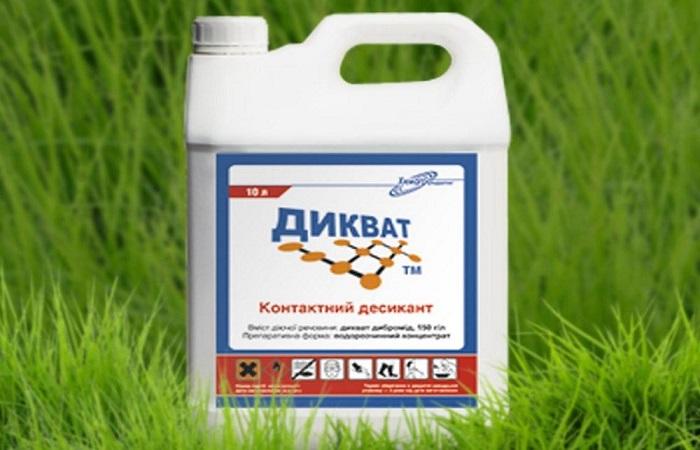
The active ingredient of this herbicide is diquat dibromide. It is available as a 15% bromine solution. The water-soluble concentrate is dispensed into 10-liter plastic canisters.
The desiccant is non-selective, so it is used for weed control and pre-harvest preparation of cultivated crops. However, some desiccants are used for specific purposes (Adekvat helps prepare sunflowers for harvest).
Mechanism of action
When absorbed by foliage, the herbicide solution causes cell membrane destruction and disrupts fatty acid synthesis. Plants dry out due to dehydration.
Plant death occurs within 2-4 days (initially, the leaves wilt, necrotic spots appear on the blades, and then the entire above-ground part dies). The rate of wilting depends on several factors: weather conditions, weed species, and the growing season.
What plants does it affect?
Diquat herbicide solution is used to kill broadleaf weeds, including thistle. To completely eliminate harmful plants, it is recommended to spray 2-3 times per season. The product is also used to remove toxic crops in areas where cattle graze.
Terms of Use
To achieve the desired effect, it is important to follow the herbicide manufacturer's instructions and adhere to application rates.

| Processing object | Consumption rates | Type of weed | Features of application |
| Grasslands, pastures | 300-400 l/ha | poisonous herbs (buttercup, marsh marigold, hellebore) | spraying is carried out in the spring |
| Haymaking areas | The areas are treated 40-45 days before haymaking | ||
| Inter-rows of forest crops | unwanted vegetation | do not spray plants during the berry picking period | |
| Crops of carrots and potatoes | annuals, dicotyledons and cereals | Spraying is done 2-3 days before the mass germination of cultivated plants |
Do not use the product during fruiting or harvest periods. Harvesting can begin 6-7 days after spraying.
Precautionary measures
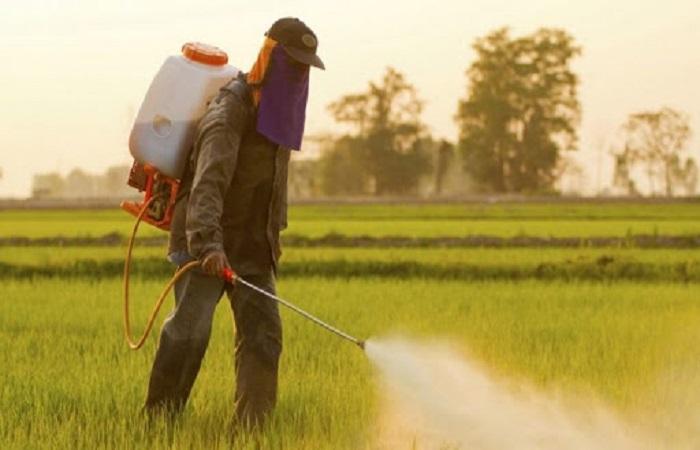
The product is not classified as a hazardous substance. However, when diluting the concentrate and spraying plants, safety precautions must be observed:
- work is carried out using personal protective equipment (goggles, respirator, special clothing, rubber boots and gloves);
- It is advisable to carry out the treatment in windless weather;
- You are not allowed to eat, smoke, or drink water while working.
It is prohibited to use the drug near water protection zones of water bodies.
Is compatibility possible?
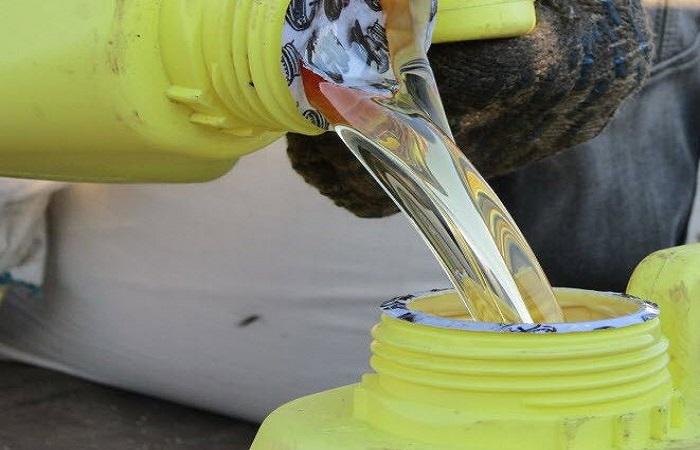
The manufacturer of the herbicide "Dikvat" notes its compatibility with most pesticides. Combination with organophosphorus insecticides is not recommended, as it reduces the desiccant's biological activity. Preliminary testing is recommended when formulating mixtures.
Substitute products
To get rid of harmful plant crops, you can use various desiccant preparations.
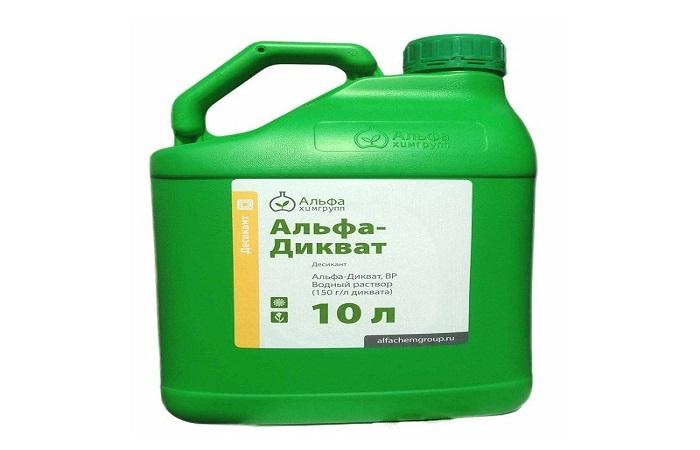
- Alpha-Diquat destroys weeds during the growing season. Its advantages include immediate action on weeds. The active ingredient decomposes quickly in crops, making it suitable for use in garden beds containing cultivated plants. The desiccant also prevents the spread and development of diseases.
- Thanks to treatment with Registan, weeds dry out in just 5-7 days. The product is not washed off by rain 10 minutes after application. The active ingredient also prevents the spread of diseases.

Diquat is based on chemical compounds that affect the overall health of weeds. It is a non-selective herbicide. It is recommended for use before harvesting to combine its herbicidal action with drying of the foliage of cultivated plants.