
Selective herbicides are in high demand in agriculture. Simazin is used to treat cereal crops and citrus orchards. When using the product, keep in mind that increased soil moisture significantly increases its activity. The application rate is determined by the type of weed. Less product is required to control annual weeds.
Composition and existing forms of release
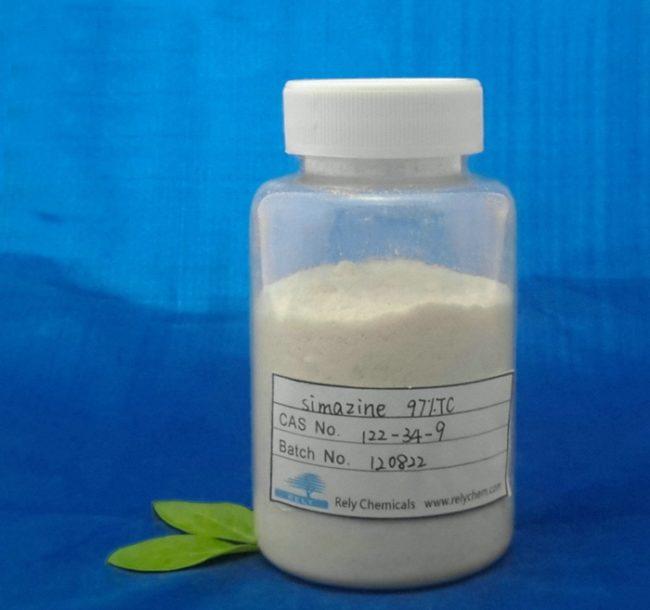
Simazine is a selective herbicide available as a white crystalline powder that is poorly soluble in water. The active ingredient, simazine, inhibits photosynthesis in weeds.
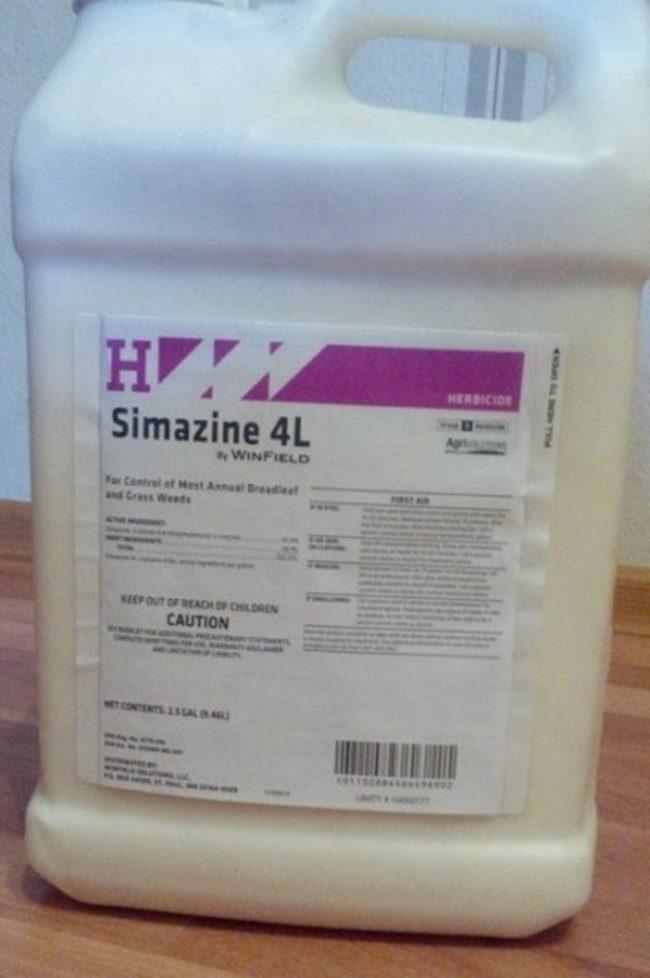
The herbicide is available as a suspension of varying concentrations (50% and 80%). It is packaged in containers of 0.1 l, 0.25 l, 0.5 l, 1 l, 5 l, and 10 l.
Mechanism of action and purpose
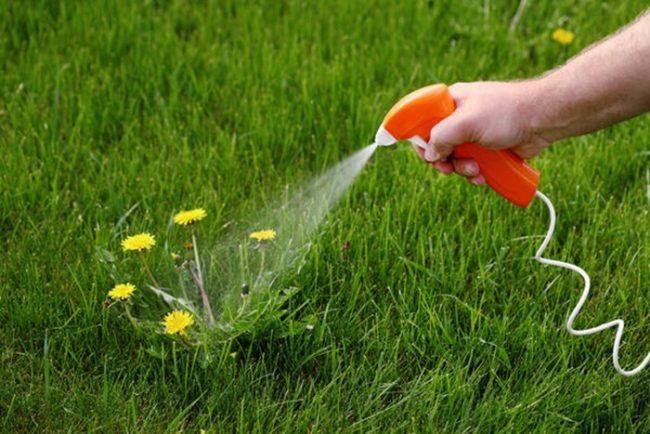
The herbicide is used to protect cereal crops (winter rye and wheat), corn, berry bushes, stone fruit, citrus, and pome fruit orchards. Spraying destroys cereal weeds and annual broadleaf weeds. Weeds should be treated during the early stages of growth.
When the herbicide working solution is absorbed by the root system of weeds, their growth and development stops.
Visual signs of weed damage are observed after about 6 days – the leaves and stems turn yellow and die.
Instructions for use
To effectively destroy weeds, it is recommended to follow the manufacturer's requirements for the use of the herbicide:
| Processing object | Type of weed | Consumption rates (kg/ha) | Features of application |
| Winter rye and wheat | cereals and annual broadleaf | 0.25 | the areas are processed until the mass emergence of cultivated plants |
| Corn | 1.50-6.0 | ||
| Berry bushes and citrus trees | 3.0-6.0 | The areas are sprayed in early spring, before the weeds germinate, or in autumn, after the area has been dug up | |
| Gardens | 2.0-4.0 | gardens with trees (pear and apple) older than 4 years are treated |
The product's activity depends on soil moisture (the higher the moisture, the more effective the product is). Therefore, it is permissible to treat the area during rainy weather.
When spraying areas with Simazin properly, long-term protection from weeds is ensured (usually harmful plants do not grow for two seasons).
Safety precautions
The product is considered low-toxic to bees and humans. However, it is recommended to use personal protective equipment (goggles, respirator, protective gloves and boots, and protective clothing) when treating the area. Naturally, smoking and eating should be avoided while working. The active ingredient is toxic to fish, so it should not be used near bodies of water.
The herbicide does not harm cultivated plants when applied to leaves, stems, trunks, and branches. Simazine is poorly leached from the soil but is degraded by soil bacteria.
Is compatibility possible?
Manufacturers allow the simultaneous use of the herbicide with other products. However, preliminary tank-mix testing is recommended. Do not combine products if the tank-mixture precipitates or heats up.
How to store properly
It is recommended to store the medication in a tightly sealed, original packaging. Store in a dry, well-ventilated area at a temperature between 0°C and 35°C.
Storage of herbicides and food products or animal feed indoors is prohibited. Simazine and fertilizers or plant preparations may be stored together.
What to replace it with
Various selective weed control products are available. Several are popular.
- Tolazin is produced as a suspension emulsion and is classified as a selective herbicide. It is used to control annual grass and broadleaf weeds in corn and sunflower crops.
- The selective herbicide "Avangard" controls weeds (cereals and some dicotyledons) in rapeseed and beet crops. It works well in tank mixes with other pesticides.

To maximize the effectiveness of a herbicide, several factors must be considered: weed species and the degree of infestation, weather conditions, and soil type. Simazin has several advantages: it suppresses weeds at the germination stage, remains active for a long time, and is easy to use.