
Acetamiprid is an effective insecticidal substance synthesized by the Japanese chemical company Nippon Soda in 1995. This compound belongs to the neonicotinoids, a new generation of nicotine-like insecticides. Acetamiprid contains an aromatic chloropyridine group. It also contains an acyclic cyanoimino group.
Physicochemical properties
Acetamipride is a crystalline substance, white or light yellow in color. It is odorless and slightly volatile. It does not spontaneously ignite. It melts at 98.9 degrees Celsius and decomposes at 200 degrees Celsius. It is highly soluble in alcohol, acetone, and chloroform. Furthermore, it mixes readily with water, allowing it to be produced in a water-soluble form.
Various acetamiprid-based preparations are available commercially. It is available as a wettable or water-soluble powder. Water-dispersible granules, gel, varnish, and emulsifiable concentrate are also available.
The main physical characteristics of the product include the following:
- molecular weight – 222.7;
- vapor pressure at +25 degrees – < 1∙10-6 Pascals;
- solubility in water – 4200 milligrams per liter.
Purpose and operating principle
Acetamiprid is approved for use in most countries worldwide. It requires low application rates. It is effective at temperatures ranging from 5 to 30 degrees Celsius and can be used to kill insects resistant to other insecticides.
The product is characterized by excellent systemic and translaminar properties. This allows plants to easily absorb the compound. This property means that the effect of acetamiprid is also evident in untreated crop parts.
Depending on the parasite species, the substance exerts a toxic effect at various stages of its development. The composition helps control eggs, adults, and larvae.
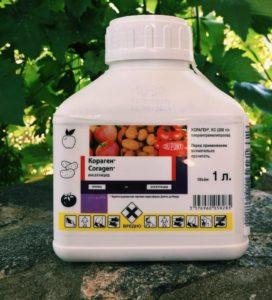
Acetamiprid belongs to a new category of insecticides—neonicotinoids. It has both systemic and contact-intestinal properties. It is effective against a wide range of pests, including thrips, homoptera, and hemiptera. It also helps kill coleopteran parasites. When administered at the correct dosage, the product lasts for 2-3 weeks.
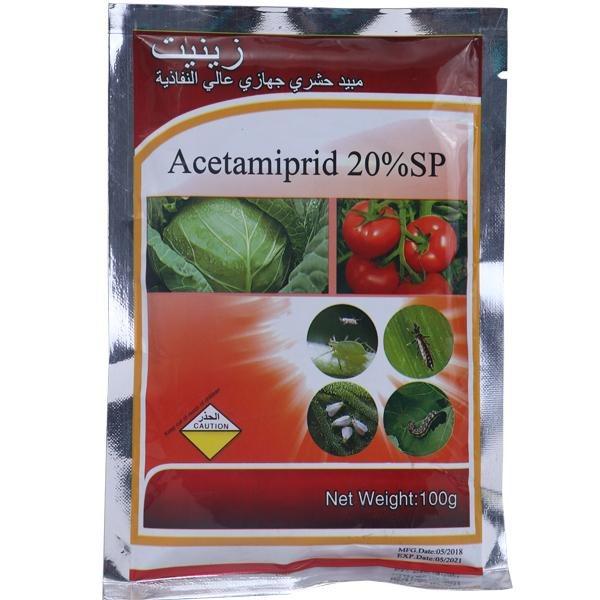
Acetamipride is used to solve the following problems:
- Protecting fruit, vegetable, and ornamental crops from pests. This substance is included in effective products that help combat fruit fly larvae in cherries. It also has an ovicidal effect on fruit moth egg masses.
- Household insect control. This product helps control flies, cockroaches, crickets, and ants. It can be used in a wide variety of spaces, including residential and children's areas.
- Locust control in pastures.
- Treatment of pets against fleas.
The product has a number of important advantages:
- there is no risk of pests developing resistance – this is due to the fact that the composition has a new mechanism of action;
- economy;
- Excellent performance at elevated temperatures;
- fast action – the effect can be achieved literally an hour after application;
- prolonged protective effect – lasts for 3 weeks;
- minimal toxic impact on beneficial insects and warm-blooded animals.
What pesticides contain it?
Today, there are many effective acetamiprid-based products available for sale that help control bedbugs, flies, thrips, and other pests. The following substances are commonly used in agriculture:
- "Agent" helps control coleopteran pests that destroy potatoes and grains. The product is available in granular form and is considered safe for animals and humans. A major advantage of this product is its rapid decomposition in the soil.
- "Gazelle" is a product used to treat rapeseed fields. It is produced as a concentrate. It does not harm bees or other pollinators. It can be applied during flowering.
- "Snake" is an innovative formula that helps kill various parasites. It comes in powder form and dissolves easily in water. It acts quickly and is unaffected by climate and temperature. It has a noticeable systemic effect.
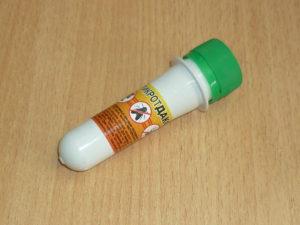
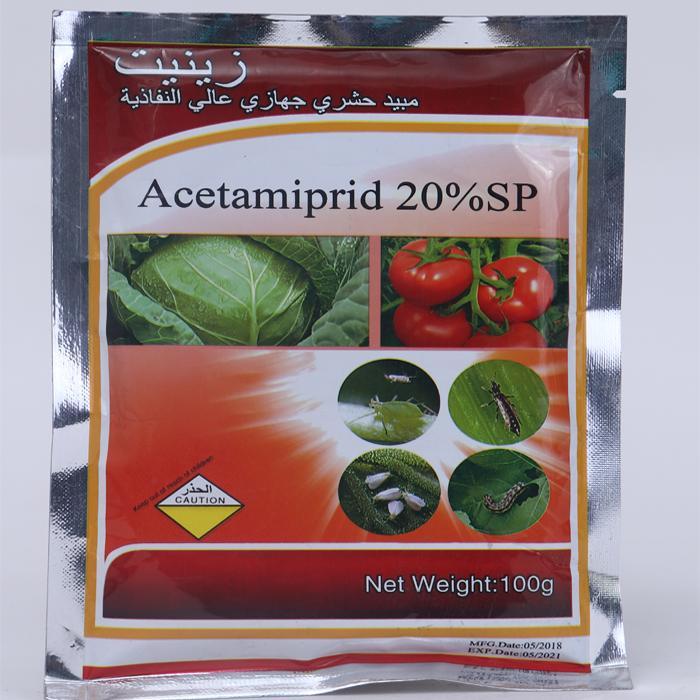
Acetamipride-based products are also approved for use in private farms. Among the most effective products in this category are Mospilan and Stozhar.
Terms of Use
Acetamiprid-based products should be used when the pest population exceeds the economic threshold. The product should be applied evenly to the entire leaf surface. For this purpose, it is recommended to use well-adjusted sprayers.
When calculating the amount of working solution, keep in mind that it must be sufficient to cover the entire foliage surface. The recommended application rate for field crops is 200-400 liters per hectare.
Safety precautions
To avoid acetamiprid entering the body, it is worth following these rules:
- When handling plants, use personal protective equipment – gloves, glasses, special clothing;
- After completing work, change clothes and wash your hands and face with laundry soap, rinse your mouth;
- wash clothes and rinse well;
- Spray in calm weather.
What can it be combined with?
The product is compatible with a wide variety of pesticides. It should not be combined with those that are highly alkaline.
How and how long to store
Acetamiprid-based products should be stored at temperatures between 5 and 35 degrees Celsius. In unopened packaging, the product can be stored for up to 3 years.
Acetamiprid is an effective insecticide that kills a variety of parasites. To ensure the desired results, it's important to choose the right product and strictly follow the manufacturer's recommendations.