
- Physical characteristics and chemical properties
- Composition and manufacturing features of the substance
- Mechanism of action
- Terms of Use
- In agriculture
- In a private household plot
- Disinsection
- Phytotoxicity
- Safety precautions
- Toxicological features
- Toxic effect
- Signs of poisoning
- How to recognize acute intoxication
- What are the hazard classes of substances?
Insecticides and acaricides of the pyrethroid class are successfully used in agriculture for pest control and household disinfection against bedbugs and cockroaches. Let's examine the physical and chemical properties of deltamethrin, its mechanism of action, and how to use it in agriculture and at home. The toxicity of this substance and safety precautions for its use are discussed.
Physical characteristics and chemical properties
Deltamethrin appears as a white powder consisting of crystalline particles. It is odorless. It dissolves poorly in water but forms an emulsifier well. It is soluble in organic solvents, vegetable oils, and synthetic oils. It does not decompose in light and is slightly acidic. It is volatile and has a melting point of 98-101°C.
Composition and manufacturing features of the substance
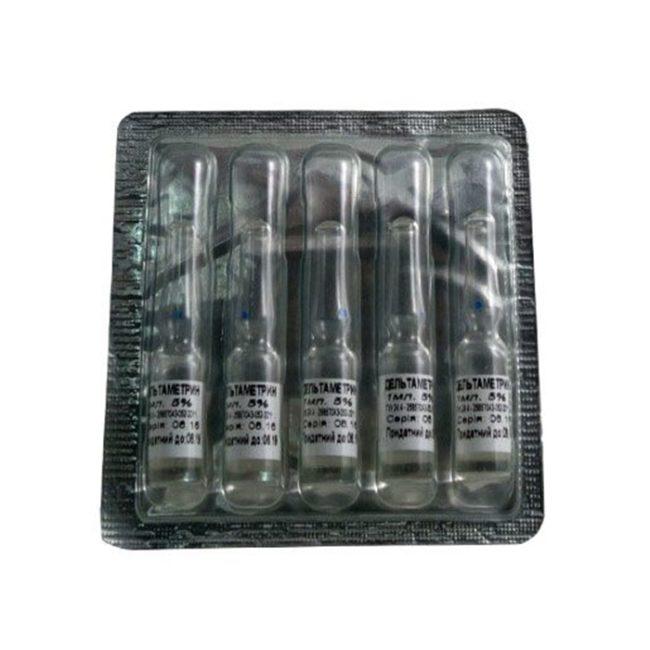
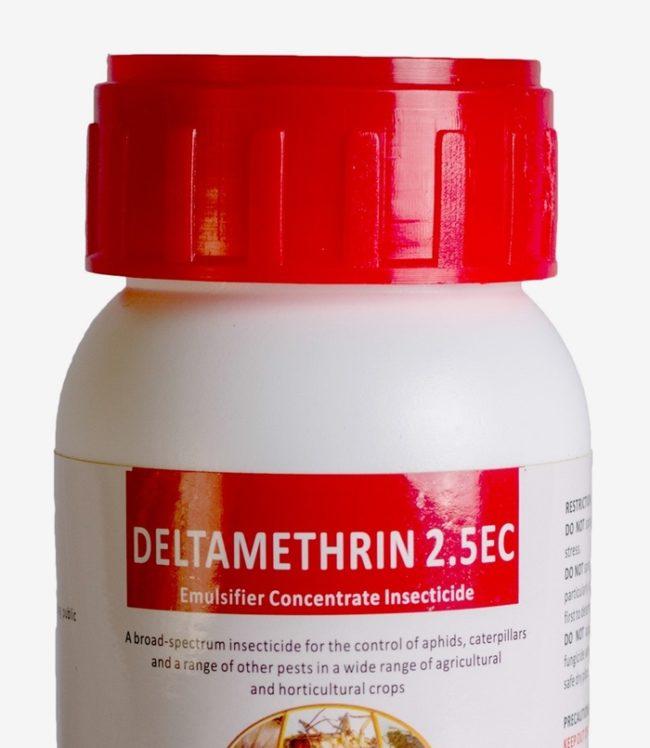
Deltamethrin is a pyrethroid, an active ingredient and a product available as a 2.5% emulsifiable concentrate. It has contact and stomach action and is used for spraying crops and wet disinfection of buildings.
Manufacturers produce only one isomer of the substance, but it is quite effective, and products based on it are inexpensive. Compared to other substances in this class, which also contain chrysanthemum acid, the radicals in the deltamethrin molecule are represented by bromine atoms. Deltamethrin is produced by reacting permethrin acid esters with an aluminum bromide complex with 1,2-dibromoethane.
Mechanism of action
Deltamethrin disrupts the central nervous system in insects. Its destructive effect is based on its effects on sodium-potassium channels and calcium metabolism in synapses. This results in excessive release of acetylcholine during nerve impulse transmission. Insects' motor centers are affected, and severe stimulation leads to paralysis. Deltamethrin remains effective for 15 days.
Terms of Use
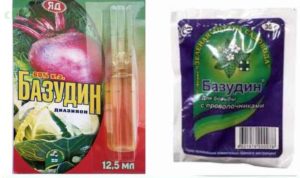
Deltamethrin-based products can be used on agricultural land and personal plots to control various crop pests. It is also used for disinfecting premises.
In agriculture
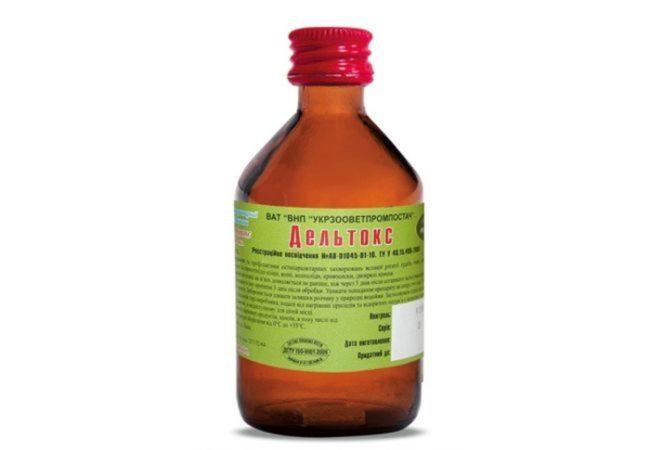
Deltamethrin-based products are rain-resistant. In agriculture, they are effective against pests of wheat, corn, barley, potatoes, sugar beets, rapeseed, and other crops.
In a private household plot
In private farms it is used to destroy pests that infest vegetable and fruit crops.
Disinsection
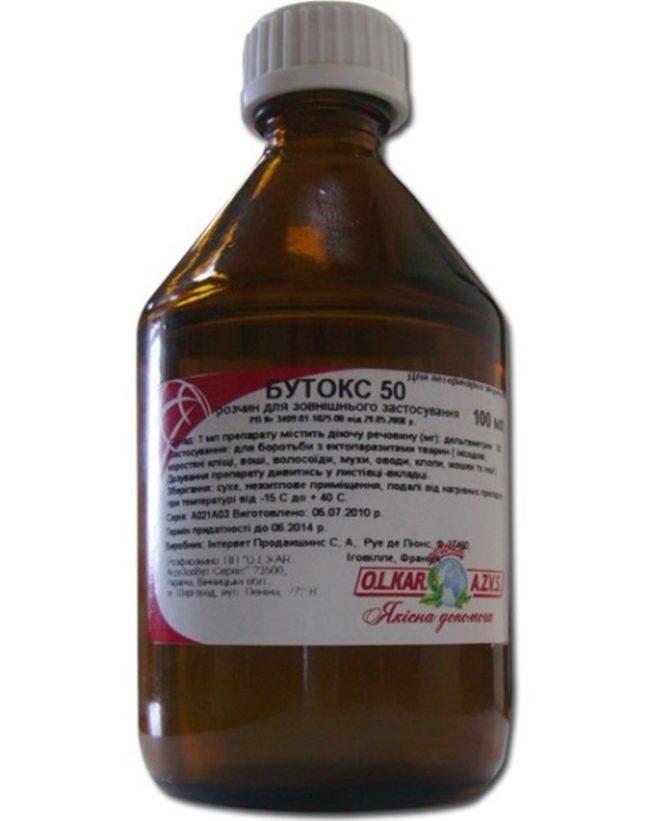
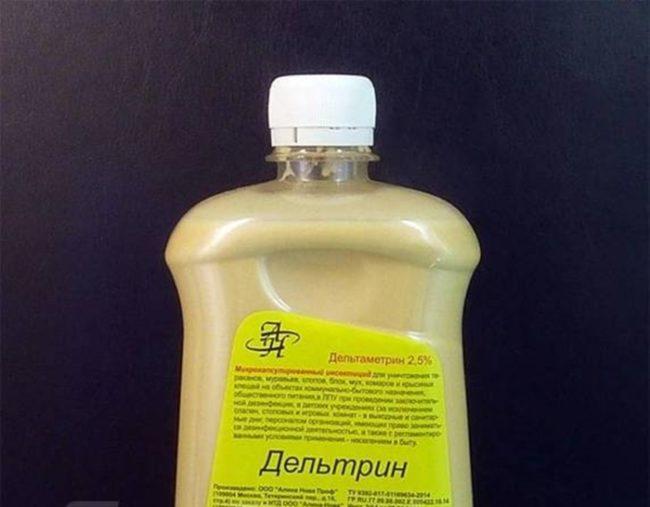
Products containing this substance are used to treat residential and commercial premises, transport, and catering facilities. They are used against cockroaches, mosquitoes, flies, and bedbugs.
Phytotoxicity
May have some toxic effects on plants. A 0.01% concentrated solution may cause burns on young Brussels sprout leaves.
Deltamethrin reduces nitrogen accumulation in bean leaves for 50 days after spraying and affects the plant's production of vitamin C.
Safety precautions
Deltamethrin-containing products are toxic to humans; protective clothing is required when handling them. Clothing should cover the entire body, a respirator and goggles with side shields should be worn, and hands should be protected with rubber gloves. Do not eat, drink, or smoke while working. Avoid contact with exposed skin. When finished, wash your hands with soap and wash your face.
Toxicological features
The pyrethroid deltamethrin is highly dangerous to bees, other insects, domestic and wild animals, humans, and fish. It has weak allergenic properties and is toxic to embryos.
Deltamethrin is unstable in the environment. When applied correctly, deltamethrin does not accumulate in plants or soil. However, it is more stable in soils with a high organic content than in other soils, taking longer to decompose. Deltamethrin's half-life in soil is 12-50 days. This decomposition time depends on soil type and temperature.
Toxic effect
Deltamethrin-containing products are generally moderately toxic. When used at the manufacturer's recommended doses, the substance will not cause any harmful effects, accumulate in tissues, or be excreted in milk. There is evidence that deltamethrin can be deposited in fatty tissue and remain there for two weeks or more.
Signs of poisoning
Deltamethrin is an irritant to skin and mucous membranes, and subsequent application may cause non-healing wounds. Characteristic signs of pyrethroid poisoning include salivation and convulsions. In animals, signs of toxicity include depression, refusal to eat, fever, yellow mucus, brownish urine, and difficulty urinating. In cattle, milk production decreases, and the milk becomes yellow.
The first signs of poisoning are agitation, followed by depression, tremors, decreased skin and nerve excitability, and then paralysis. Symptoms resolve within 1-2 weeks. Deltamethrin is not mutagenic.
How to recognize acute intoxication
The acute phase of poisoning in humans can be recognized by ataxia, excessive salivation, decreased activity, and convulsions. If these symptoms appear, stop working immediately, leave the area being treated, or move away from the area. If your condition worsens, seek medical attention.
If you inhale pyrethroid-containing products, go outside immediately to fresh air. If the solution gets into your eyes, rinse them with running water. If deltamethrin gets on your skin, remove it with a cotton ball without rubbing it into the skin. Rinse with soap and water, then rinse with clean water.
If the solution is accidentally ingested, rinse your mouth and be sure to take a supplement containing activated charcoal (1 g of charcoal per 10 kg of body weight). Do not induce vomiting. If neuralgic symptoms occur, take 10-20 mg of Diazepam. Treatment for deltamethrin poisoning is symptomatic.
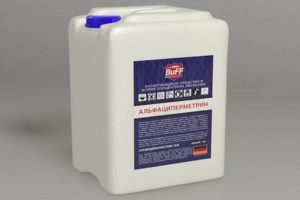
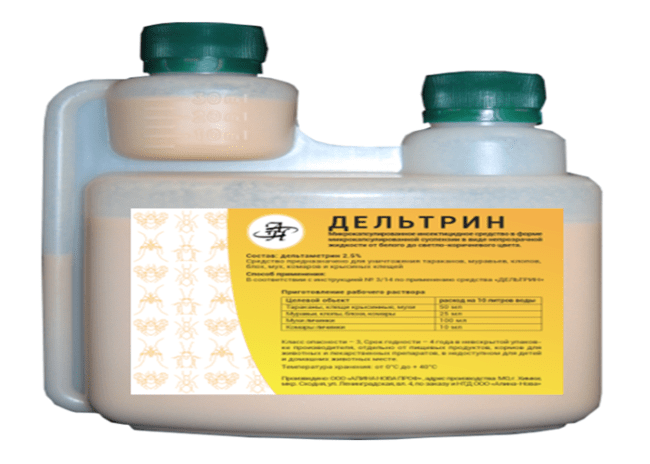
What are the hazard classes of substances?
Products containing this pyrethroid are classified as toxicity classes 2 and 3 for humans. They are extremely toxic to bees and are classified as hazard class 1. Therefore, the use of deltamethrin-containing insecticides during flowering in gardens and fields is prohibited. They should not be used near bodies of water, water sources, within 6 km of apiaries, food storage facilities, or barns housing livestock or poultry.
Deltamethrin is an effective and proven insecticide. It is primarily used to protect agricultural crops from common, dangerous pests. At home, it is most often used as a pest control agent. When using solutions, care must be taken when handling them, and safety precautions must be observed.