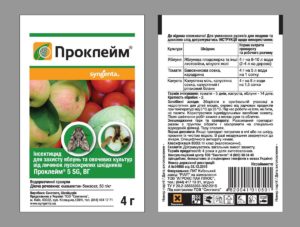
Insect pest attacks on crops can lead to the destruction of the entire harvest. Therefore, it is crucial to promptly use insecticides that repel and destroy pests. Many effective products are available today, each with a different mode of action. Treating plants with Diazinon helps eliminate a wide range of pests. It is important to use the product correctly, strictly following the instructions.
Active ingredient and dosage form
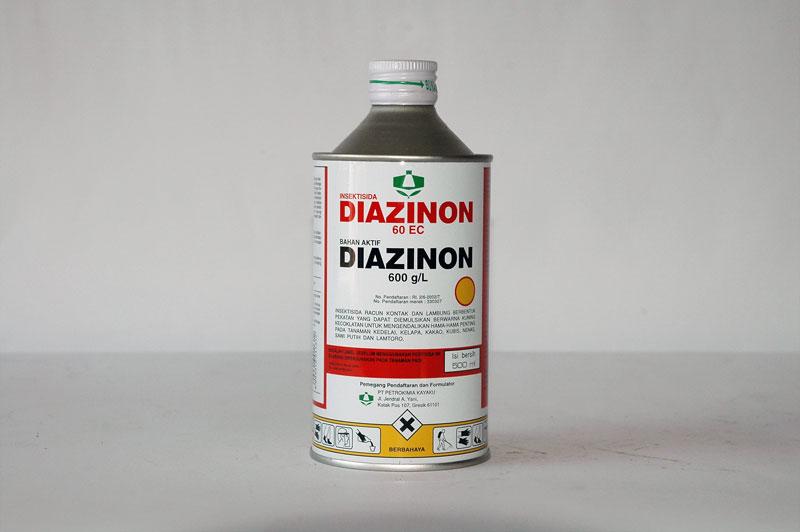
This insecticide is manufactured by Nippon Soda Co. It is available as a concentrated emulsion in 10-liter canisters and as granules. The active ingredient is diazinon. One liter contains 600 grams of the active ingredient. Diazinon is an organophosphorus pesticide with intestinal and contact action.
Purpose and mechanism of operation
Diazinon is an effective product often used in home gardens. It reduces the activity of enzymes that transmit nerve impulses. As a result, insects initially become inactive and then die from paralysis.
This product is used on fruit, ornamental, and vegetable crops. It controls mole crickets, wireworms, onion and cabbage flies, and weevils. It can also be used to protect potted plants from fungus gnats and soil flies.
Diazinon is characterized by the following features:
- It has a broad spectrum of action and leads to the suppression of sucking and leaf-eating pests.
- Used to control many economically important parasites.
- Remains active at low temperatures.
- It is highly effective in combating the grain ground beetle, which often attacks winter wheat.
Rules for using the drug in the fields
Although the product is not phytotoxic, its use on seeds and root systems during the growing season may inhibit growth and development. Typically, 1-2 applications are required to achieve a lasting effect. The final application should be one month before the expected harvest date, as the compound may accumulate in the fruit.
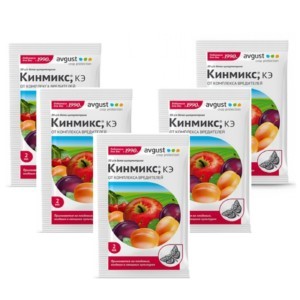
In agriculture, Diazinon is widely used to control sucking and chewing pests that infect corn, wheat, beets, cabbage, and cotton. Depending on the pest species, the product is applied in liquid form, either by pouring it onto the soil or by scattering granules over the surface. The protective effect lasts for 2-3 weeks, significantly longer than similar products.
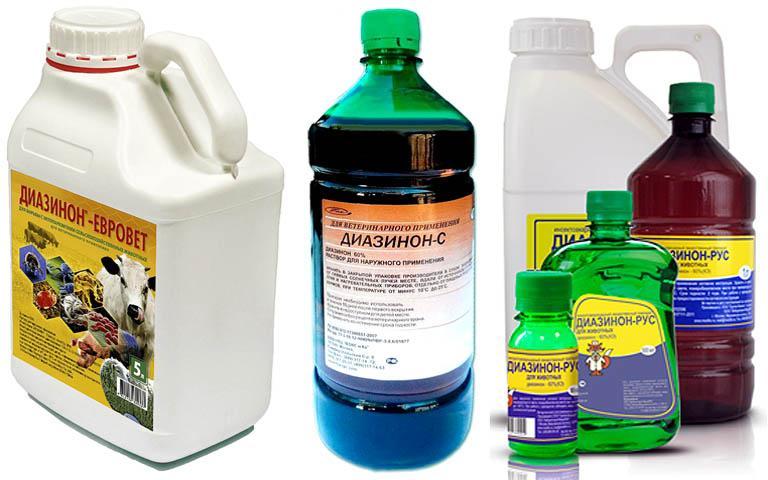
The application rates for the product depend on the crops to be treated:
- Wheat – 1.8 liters of the substance are used per 1 hectare.
- Barley: To control aphids, use 0.5 liters of the solution per hectare. To control stem flies, use 1.5 liters of the solution.
- Beetroot: To control fleas and aphids, use 0.8 liters of the product per hectare. To control other pests, use 2 liters of the product.
- Cabbage – requires the use of 1 liter of working solution per 1 hectare.
- Tobacco – 1.8 liters of the product are used per 1 hectare.
- Clover - to treat this plant, use 2.3 liters of the product.
- Hops: To control aphids, use 2 liters of the product per hectare. To kill grasshoppers, 2.3 liters of the product is required.
- Timothy grass - 1.6 liters of the substance are used per 1 hectare of planting.
Indoor plants and seedlings also need to be treated with Diazinon. This product helps prevent pest attacks and kill dangerous insects if they appear. This product is effective in controlling fungus gnats and soil flies. When using this product on indoor plants, it's important to strictly follow the manufacturer's recommendations.
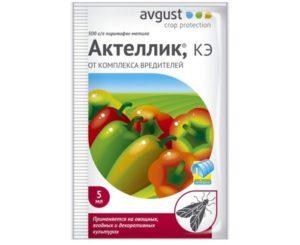
Precautionary measures
In terms of its impact on humans, Diazinon is classified as hazard class 3, indicating low toxicity. However, it is important to note that the substance is classified as hazard class 1 for bees. Therefore, its use during the flowering period of garden trees and meadow grasses is prohibited.
When handling the product, wear protective clothing, a respirator, and gloves. If the substance comes into contact with the skin, rinse the affected area thoroughly and wipe with an alcohol solution. If the product comes into contact with the eyes, rinse with water and, if necessary, apply atropine drops. If accidentally swallowed, drink a glass of water with one teaspoon of baking soda added. Then drink another 2-3 glasses of clean water. Then induce vomiting.
Is compatibility possible?
This product can be combined with many pesticides, fungicides, and insecticides. Copper-containing products are an exception. Before preparing the solution, a compatibility test is required. To do this, mix 50 milliliters of each product in a common container and evaluate the reaction. If the solution's properties remain unchanged, the working solution can be prepared.
How and how long to store
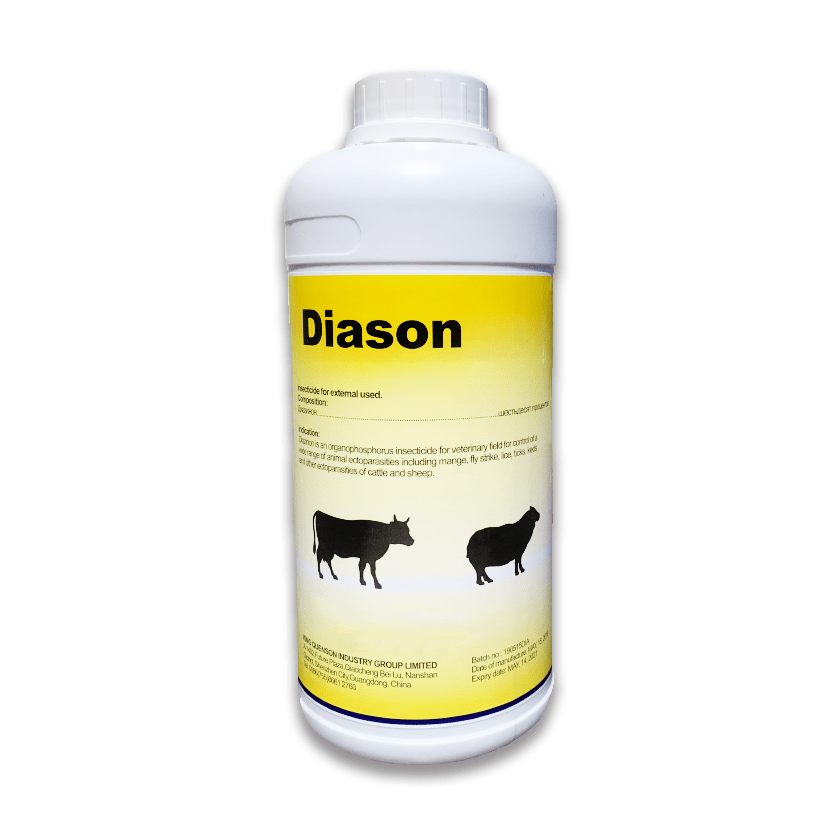
The product has a shelf life of 4 years. Store in a sealed, original container in a dry, dark, well-ventilated place. Diazinon can be stored with fertilizers and other pesticides. However, it should not be stored near medications, food, animal feed, or household products.
The prepared working solution can be stored for a maximum of 24 hours. After that, it loses its properties and becomes ineffective. Using such a preparation is useless.
What to replace it with
Effective analogues of the drug include:
- "Ricochet";
- "Practitioner";
- "Diazol";
- "Vallar";
- "Thunder".
Diazinon is an effective insecticide that helps control a wide range of pests. To achieve results, it's important to follow the instructions carefully.