
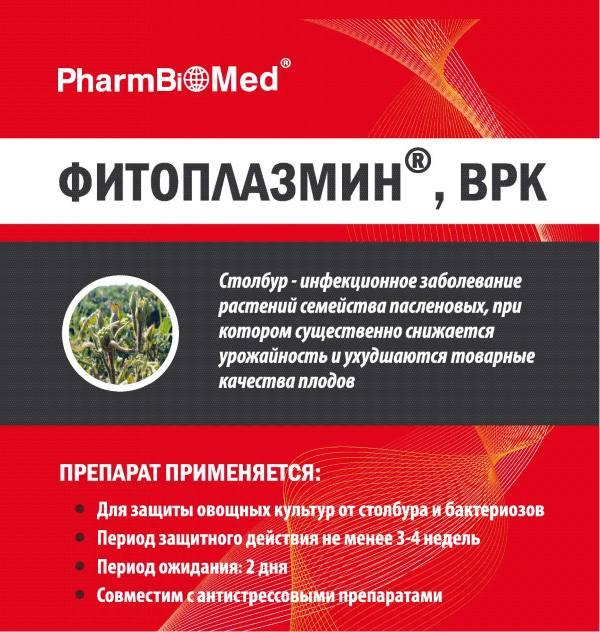
Phytoplasmin helps combat a wide range of agricultural plant diseases associated with phytopathogenic bacteria and phytoplasmas. The product is based on the macrolide tylosin complex. It is produced as a water-soluble concentrate. It is the only product that protects tomatoes from blossom-end rot and stolbur. This is what makes it unique.
What is included in the composition and dosage form
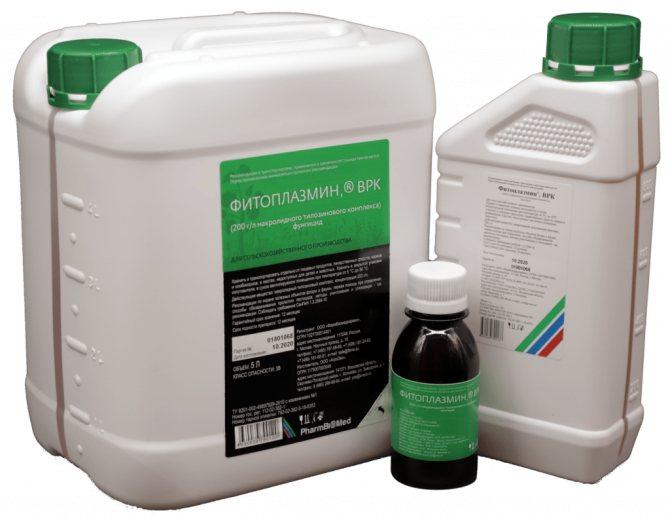
The active ingredient in "Fitoplasmin" is the macrolide tylosin complex. One liter of the product contains 200 grams of this component. The product is produced as a concentrate that dissolves easily in water.
A wide variety of containers are available for purchase. It is sold in 100-milliliter containers. The product is also available in 1- and 5-liter canisters. This allows every gardener to find the most suitable option.
Purpose
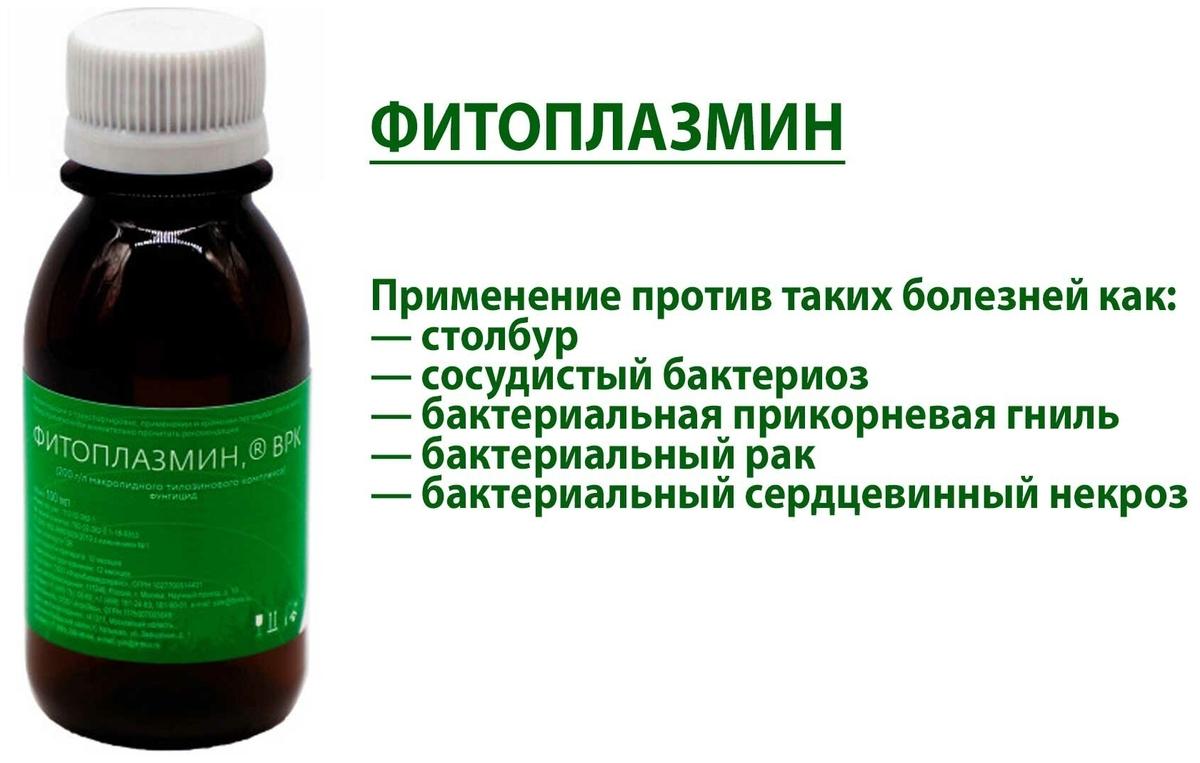
This product is classified as a biological bactericide and phytoplasmicide. It has a systemic effect and successfully combats a wide range of diseases. It can be used to combat diseases such as root rot, bacterial rot, and stolbur. It also combats bacterial cordate necrosis, vascular bacteriosis, and bacterial canker.
This is far from a complete list of pathologies. This product can also combat other plant diseases of bacterial origin.
Mechanism of operation
The active ingredient easily penetrates plant structures and migrates throughout tissues. There, it interacts with the ribosomes of harmful bacteria and inhibits protein synthesis. Furthermore, the substance disrupts the genetic code of pathogens that cause bacterial diseases and phytoplasmas. This allows plants to resist the effects of harmful bacteria for extended periods of time.
The drug boasts a number of significant advantages. Its key benefits include:
- effective protection against stolbur;
- the ability to prevent the defeat of tomatoes by bacterial blossom-end rot;
- absence of phytotoxic effect when the dosage is observed;
- Possibility of application by drip irrigation and spraying;
- the presence of stimulating properties;
- the ability to destroy various types of bacterial diseases and reduce the likelihood of root rot;
- long-lasting protective effect – lasts at least 3-4 weeks;
- high speed of action – the drug begins to produce results within 12-24 hours;
- safety for people and animals;
- non-toxic to beneficial pollinating insects.
Instructions for use
When using the substance on cultivated plants, it's important to follow the dosage. For spraying or watering plants at the roots, use a working solution of 30 milliliters of the substance per 10 liters of water. It's important to use the prepared mixture within the same day.
The use of this substance requires adherence to a number of rules. It is important to consider the following:
- The drug should not be used in the initial stages of cucumber development.
- The product is not recommended for use in low light conditions.
- The product goes well with anti-stress medications such as Epin, Zircon and others.
- The composition is compatible with many insecticides. It can also be combined with common herbicides and fungicides.
- Four days after applying the product, it is essential to use antibacterial agents. These should be applied at the root.
The product produces good results within 12-24 hours. When used in the recommended dose, it does not cause phytotoxicity. When used correctly, crops exhibit high tolerance to the product. There is no risk of resistance developing.
The exact dosages and features of use of the product are indicated in the table:
| Usage norm | Cultures | Pathologies | Processing Features |
| 6-12 | Tomatoes grown in a greenhouse | Stem necrosis, bacterial canker | Root watering is performed 1-1.5 months after planting the seedlings. After that, the solution is applied every 3-4 weeks. |
| 3-4 | Tomatoes grown in open soil | Spotting, blossom-end rot | Tomatoes should be sprayed during the growing season. The first time should be done at the beginning of flowering. After that, maintain an interval of 10-14 days. |
| Stolbur | Spraying or watering at the root is required at the beginning of summer for leafhoppers. Spraying should be carried out at intervals of 10-14 days. |
Safety precautions
The product generally does not cause skin irritation or itching, but it may cause individual sensitivity. Therefore, safety precautions must be observed when working with the substance. The use of protective equipment, such as gloves, goggles, and a respirator, is essential.
Is compatibility possible?
The drug works well with various substances that help combat fungi and parasites. It is also often combined with stimulants. However, it is prohibited to use it concurrently with antibacterial medications.
Expiration date and storage conditions
The product should be stored at temperatures between 0 and 30 degrees Celsius. Keep out of the reach of children and pets. Under optimal storage conditions, the product has a shelf life of 1 year.
What to replace it with
Almaz and Gaubsin are acceptable alternatives. Kazumin and other medications are also considered effective alternatives.
Phytoplasmin is an effective medication that helps combat a variety of bacterial diseases. To ensure the desired results, follow the instructions for use and dosage. To avoid health problems, it's important to use protective equipment.