Insect attacks on garden and vegetable crops increase the risk of crop loss and plant death. To avoid disaster and preserve a high-quality and abundant harvest of fruits, vegetables, and berries, as well as protect ornamental plants from pest attacks, insecticides are used to treat plants and soil. How to choose the right chemical and how to use it for maximum effectiveness is discussed below.
What is included in the concept of "insecticides"
Insecticides are made from chemical or biological compounds that have a detrimental effect on plant pests. These products are available in the form of concentrates, powders, granules, tablets, and biologically active compounds.
The effect of chemicals directly depends on their composition and toxicity class; they are selected individually for each case, taking into account the following factors:
- the main purpose of using pesticides;
- the type of pest being controlled;
- number of affected plants;
- conditions for working with chemicals.
Important! Depending on their classification, pesticides are used for pest prevention or control.
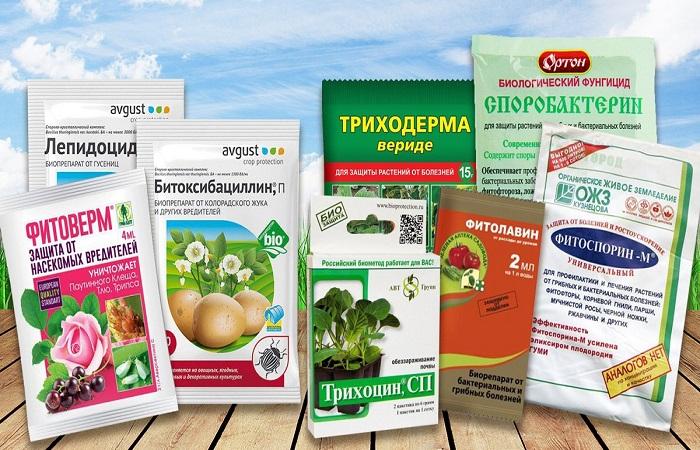
Classification of funds by purpose of use
The main difference between pesticides lies in their composition, method of application and purpose:
- aphicides are used to control various types of aphids;
- Larvicides affect parasite larvae at any stage of development;
- Insectoacaricides and acaricides are used to protect plants from mite attacks;
- aphidants help repel harmful insects from agricultural crops;
- Repellents are used to protect plants, animals and people from the effects of various insects;
- Ovicides are used to get rid of parasite clutches;
- Sterilizers affect the ability of pests to reproduce;
- Nematocides are used for systemic control of nematodes and other parasitic organisms.
Important! Before using insecticide-based products, carefully read the instructions and safety precautions for the chemical pest control product.
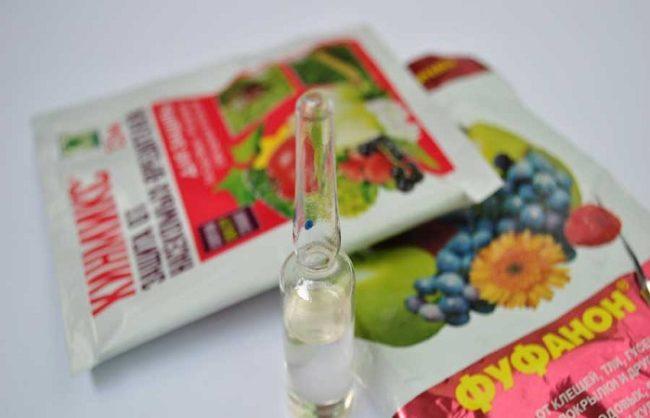
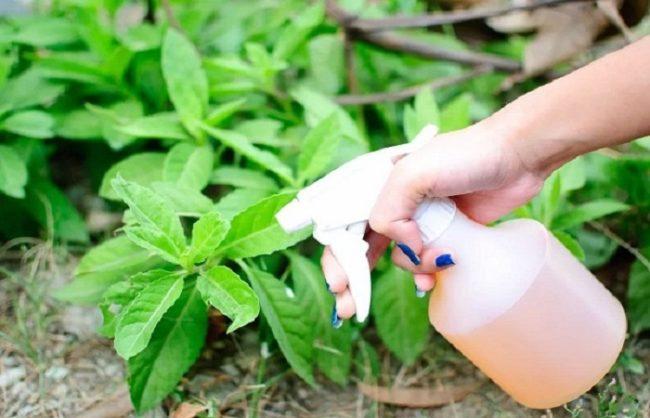
Classification of substances by mechanism of action
Each type of pesticide has a different effect on harmful insects and is characterized by a certain level of toxicity.
- Systemic pest control products penetrate the rhizomes along with moisture and are distributed throughout the plant. Insects that attack such plantings receive a lethal dose of poison and die.
- Intestinal pesticides are designed for spraying garden and vegetable crops. When pests attack the treated plants, the product enters the parasites' digestive system and destroys them. Intestinal insecticides are most often used for preventative treatment of garden and vegetable crops, as well as to control various caterpillars, larvae, and beetles.
- Contact pesticides are used for preventative treatment of crops and during insect infestations. The poison is delivered to the pests through contact with the plants. Treatment is carried out in dry, windless weather on garden, vegetable, and indoor plants.
- Inhalational insecticides, also known as fumigants, are used to treat vegetable and fruit crops in vapor or gas form. These products are not used as preventative treatments.
- Biological insecticides, consisting solely of organic substances, are considered the safest. In severe infestations, it is recommended to alternate biological insecticides with chemical compounds.
- To combat ticks, special acaricidal protective agents have been developed that are suitable for treating indoor plants.
Important! Intestinal and respiratory pesticides are highly toxic. If used improperly, they pose a health hazard to humans and pets.
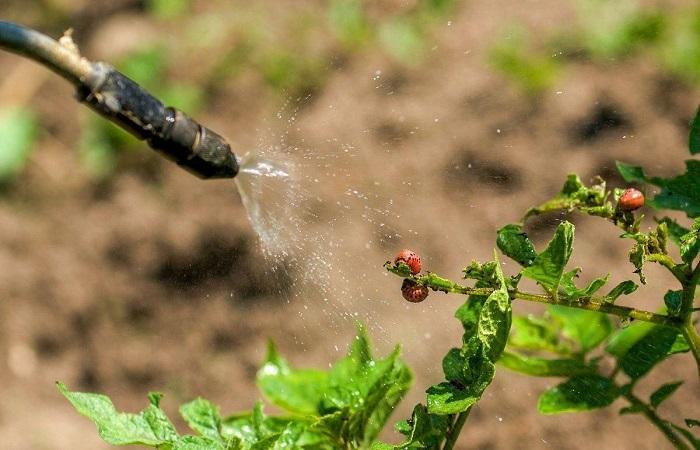
Types of insecticides based on their constituent ingredients
Insecticide-based preparations are divided into classes of toxicity and hazard to human and animal health depending on the active substance.
- Biologically active pesticides are considered the safest, with the main active ingredient being avermectin, a natural neurotoxin. After treatment, the insecticide decomposes and becomes harmless within 5-7 days.
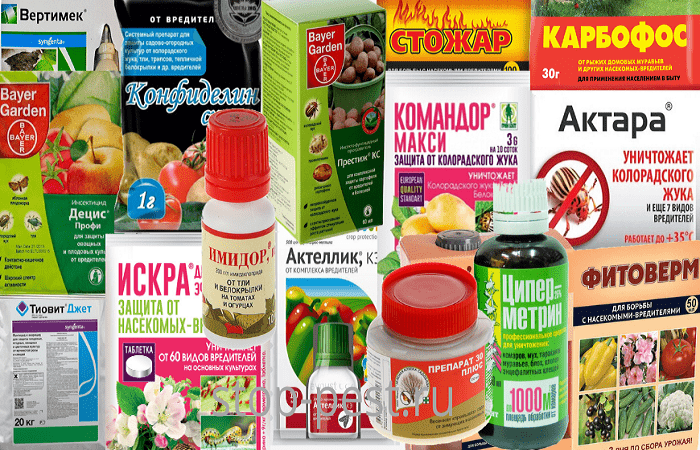
- Most often, pesticides with moderate toxicity are used in gardens and homesteads. These products are readily available at garden centers and flower shops and, when used correctly, pose no health risk to humans or animals.
- Fenthion-based insecticides are considered dangerous to all types of warm-blooded organisms and are therefore prohibited for use on vegetable, fruit, and berry crops.
- Magtoxin- and photoxin-based pesticides are fumigants and are characterized by the highest levels of toxicity. These substances are used to treat rooms, followed by prolonged ventilation. These products are prohibited for use in households.
Tip! To grow high-quality and environmentally friendly fruits, vegetables, and berries, it's best to use biological insecticides on your plants.
General instructions for use
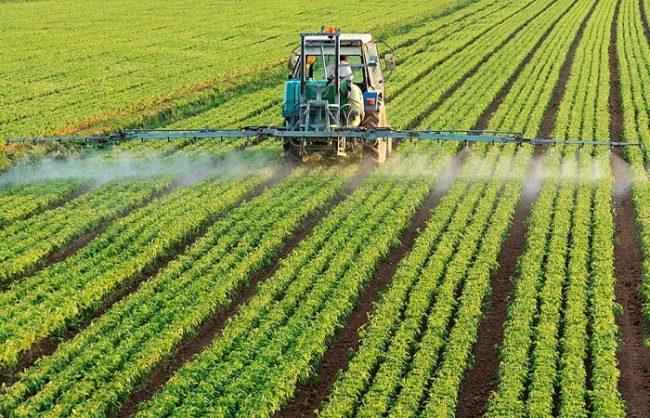
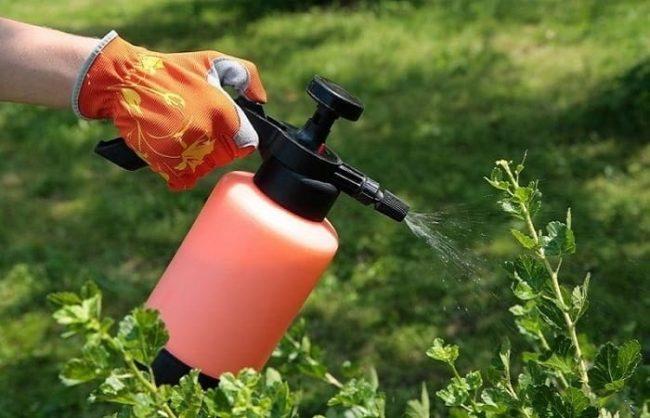
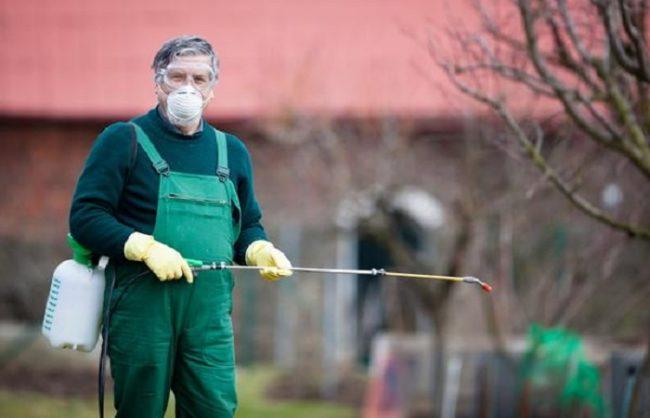
Depending on their purpose and action, pesticides are used in various ways:
- prepare aqueous solutions for spraying plants;
- Insecticides are added to the soil in dry form;
- powders are used for pollination of crops or as soil treatment;
Precautions for use
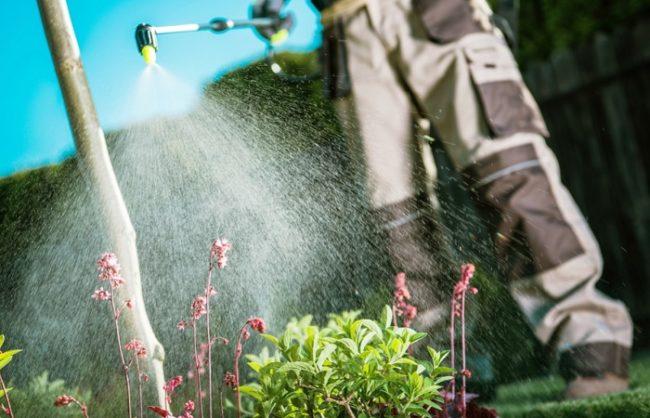
Insecticide-based treatments are carried out on a dry, windless day, after making sure that there are no small children or pets in the area.
For this work, you will need protective goggles, a mask or respirator, and clothing that completely covers your skin. After finishing work, wash your clothes and take a shower. If the chemical accidentally comes into contact with your mucous membranes or enters your body, seek medical attention immediately.
Take a look Also