
Imidacloprid is a neonicotinoid insecticide registered by the German company Bayer in 1985. It was approved for use in Russia in 1999. The active ingredient is a complex heterocyclic compound derived from 6-chloronicotinic acid and is a synthetic analogue of natural nicotine.
Active ingredient and dosage form
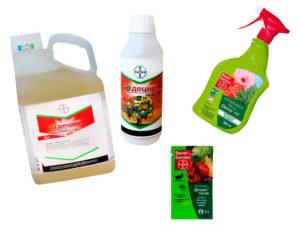
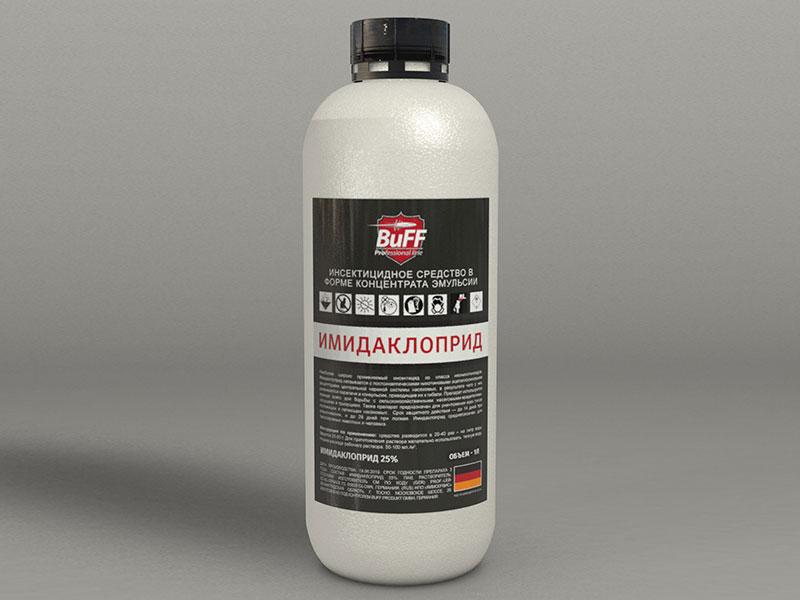
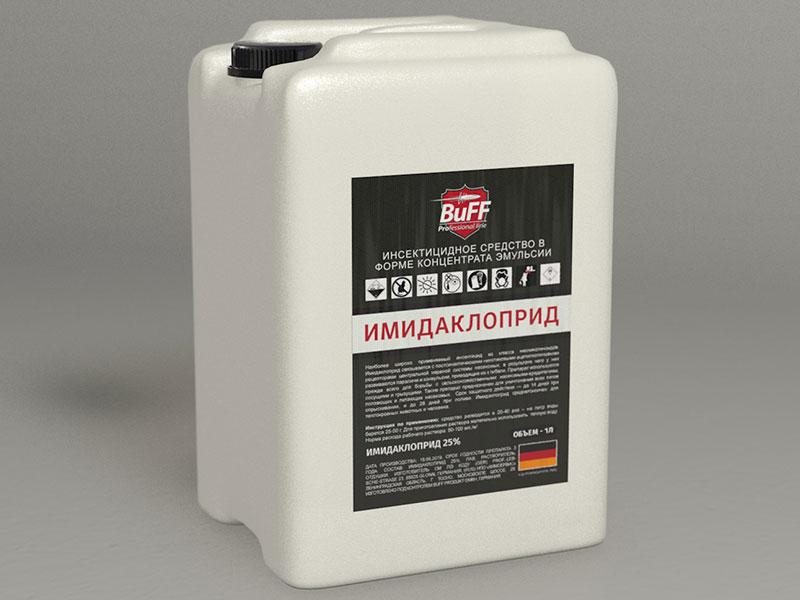
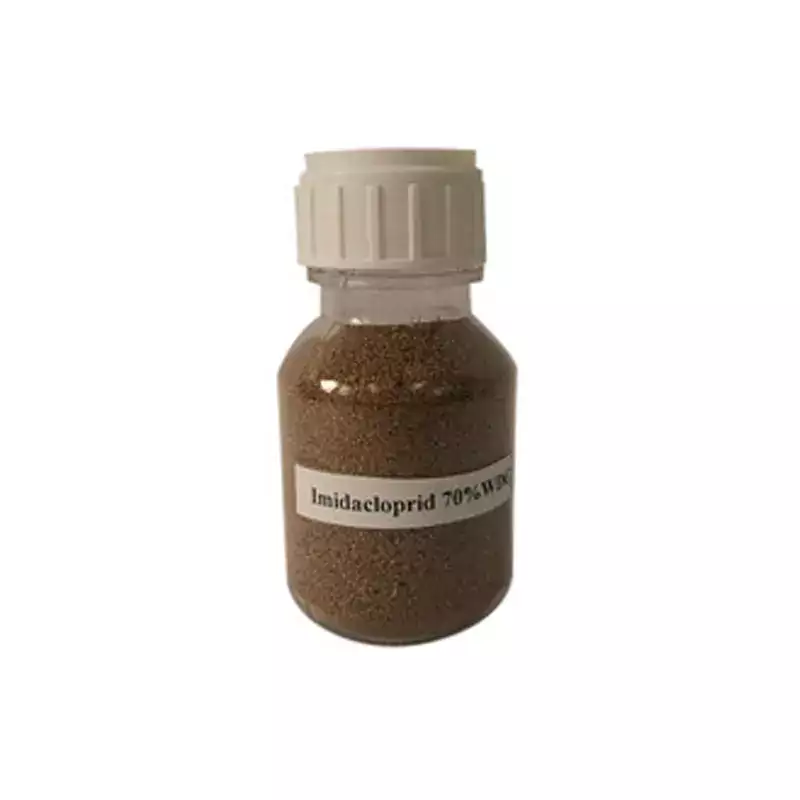
The active ingredient in this product is imidacloprid, a neonicotinoid. One liter of the product contains 200 grams of the active ingredient. The product is manufactured by Bayer and comes in the form of water-soluble granules or a concentrate.
The composition is sold in 1- and 5-gram packages and 0.4-kilogram bottles. The insecticide has a systemic effect and is absorbed through both intestinal and contact routes.
What is it used for and how does it work?
This product helps control pests that attack cereal crops. It can be used against the common tortoiseshell bug and ground beetle. It also effectively kills aphids, Colorado potato beetles, and thrips on tomatoes and potatoes. It also helps eliminate aphids and weevils on plum and apple trees. It also eliminates aphids, thrips, and whiteflies on greenhouse tomatoes and cucumbers.
The product then causes paralysis and death of the pests, which occurs within 3-5 days. It's worth noting that Imidacloprid has a long-lasting residual activity, so its protective effect lasts for 2-4 weeks.
The active ingredient decomposes faster when exposed to moisture and ultraviolet radiation. Traces of the element disappear on crop surfaces treated with the solution after 3-4 weeks.
Rules for use
The product can be used on both young and mature crops. A single application is sufficient to eliminate the pest population. The dosage depends directly on the plant species being treated:
- potatoes and tomatoes - 0.15-0.2 liters of the substance should be used per 1 hectare;
- cucumbers and tomatoes in greenhouses - it is required to apply 0.25 liters per 1 hectare of plantings;
- plums and apple trees - the dosage is 0.2-0.3 liters of the product per 1 hectare.
The product must be applied as a working solution. Typically, 200-400 liters of the product are used per hectare. The waiting period before harvest is at least 20 days.
To minimize the negative impact of the product on the soil, it should be applied during spring tillage. This will allow the substance to decompose before fall. With the onset of fall, soil reclamation is required. At this stage, it is recommended to add compost, lime, and humate to the soil.
The rate of breakdown of the active ingredient increases in an alkaline environment. If the product comes into contact with edible greens or bulbous plants, avoid consuming them. Otherwise, there is a high risk of poisoning. It's important to remember that the active ingredient is absorbed by the plant itself, so it cannot be washed off with water.
Precautionary measures
The drug is a nerve agent that has a detrimental effect on humans. Symptoms of poisoning with this substance resemble those of alcohol intoxication. A person experiences depression, slowed reaction times, and hand tremors.
Therefore, it's important to follow safety precautions when working with Imidacloprid. Wear a mask, protective clothing, goggles, and gloves. After finishing work, take a shower and soak your items in a solution of sodium hydroxide.
This product is prohibited for use near a children's playground or swimming pool. At the first sign of poisoning, perform a gastric lavage and take an absorbent. Consult a doctor immediately afterward.
Is compatibility possible?
Imidacloprid-based products can be combined with fungicides. This reduces the time spent on plant care and allows for timely treatment without interruption.
If it's difficult to predict the compatibility of substances, a test should be performed before preparing a tank mix. This requires mixing a small amount of each product in a common container. If there are no physical changes or chemical reactions, such as increased temperature, color, or texture changes, the components can be mixed.
How and how long to store
The product has a shelf life of 3 years. It should be stored in a cool, dark, and dry place. Imidacloprid can be stored with pesticides, natural and chemical fertilizers. However, it should not be stored nearby with food products, medications, animal feed, or household chemicals.
Do not use the product after the expiration date. The prepared working solution can be stored for no more than 24 hours. Therefore, the solution must be prepared immediately before use.
What to replace it with
Effective analogues of the drug include the following:
- Akiba;
- Warrant;
- "Imidalite";
- "Colorado".
Imidacloprid is an effective insecticide approved for use on vegetable and fruit crops. It effectively controls a wide range of pests. However, it's important to follow the instructions carefully.