
Pyrethroids are synthetic insecticidal substances considered analogs of natural pyrethrins. They act as neurotoxic poisons for insects. These substances disrupt the transmission of nerve impulses, leading to paralysis and death. Some pyrethroids are also effective against ticks. However, it is important to strictly follow the instructions for use.
Description and characteristics of substances
Pyrethroids are a group of insecticides named for their structural similarity to the natural compounds pyrethrins. These agents also share a similar mechanism of action.
Natural pyrethroids are present in the flowers of pyrethrum (Dalmatian chamomile). However, their analogues include artificially created synthetic substances. Today, they are widely used to kill pests of fruit and vegetable plants and food supplies. Similar substances are also effective against ectoparasites.
Types and classification
Depending on the generation, synthetic pyrethroids are divided into several categories:
- First-generation insecticides are made from esters of chrysanthemic acid. These products are highly insecticidal. However, they quickly oxidize in the presence of light, and are therefore typically used indoors. These products are often included in mosquito coils and sheets. They are also present in many aerosol cans, which can be used to kill household insects.
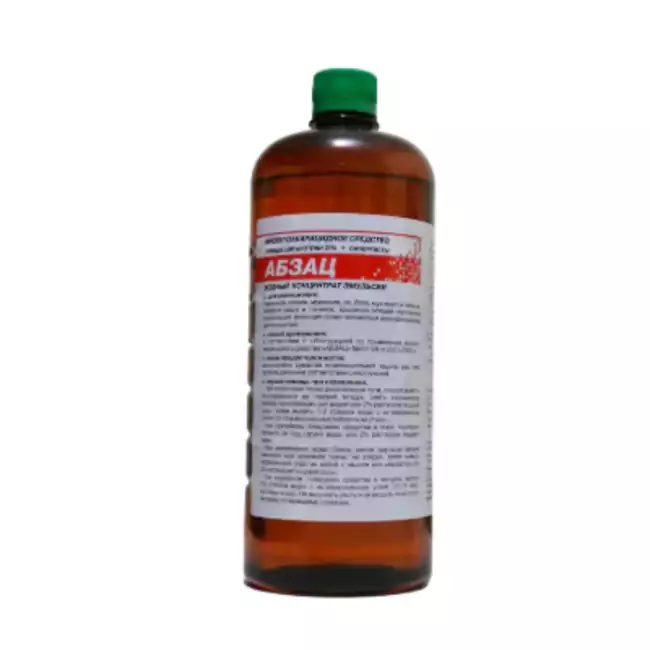
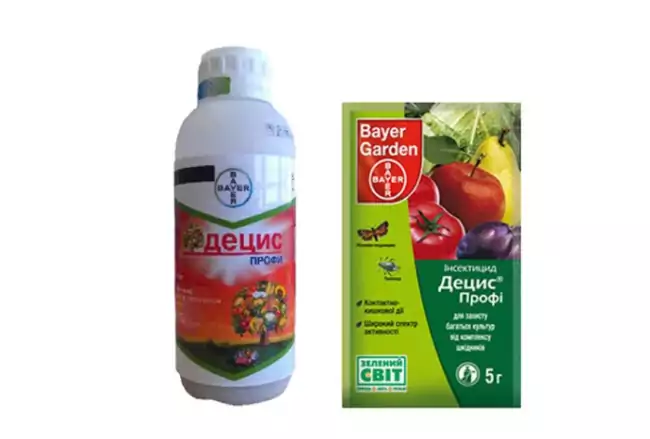
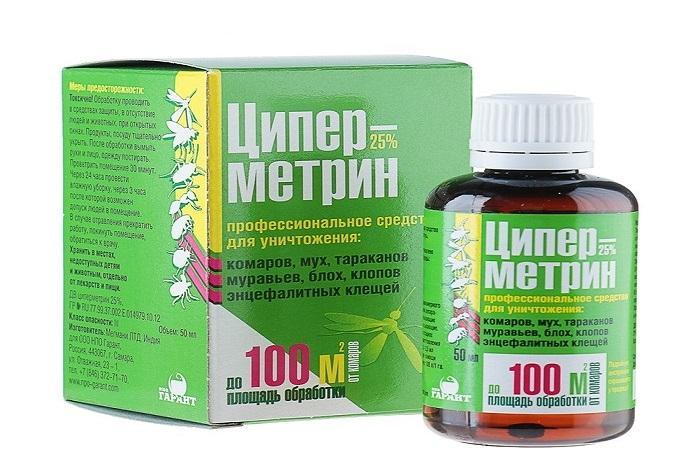
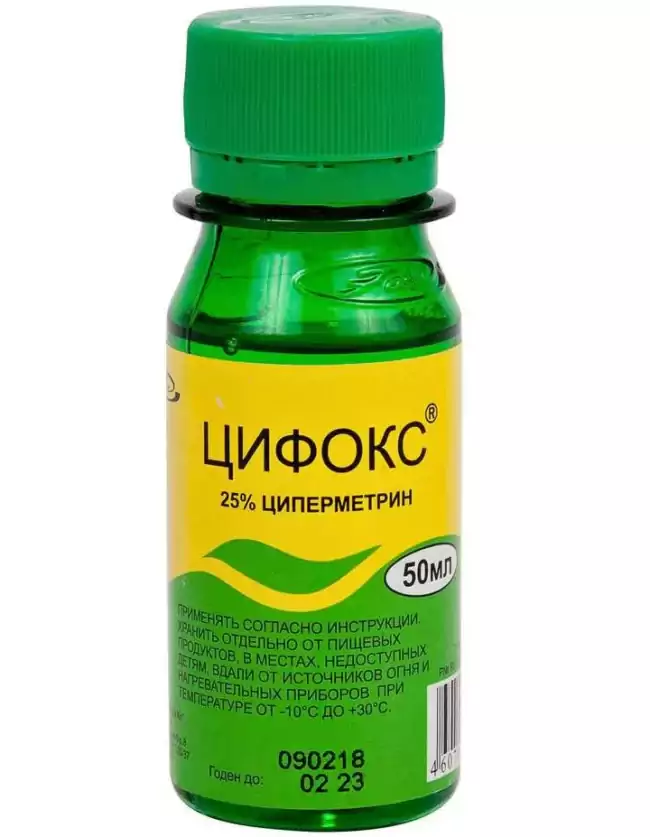
- Second-generation products appeared in the 1960s and 1970s. This type of pyrethroid product is considered more resistant to photooxidation. These products include permethrin, deltamethrin, and cypermethrin. All second-generation products significantly outperform pyrethrins in insecticidal properties.
- Third-generation agents are photostable and have minimal volatility. They have a long-lasting residual effect and are less toxic. Some agents are capable of killing ticks. This category includes agents such as imiptropine, cyhalothrin, and fluvalinate.

Mechanism of action
Pyrethroids are substances that act through contact and intestinal contact. They quickly penetrate insect chitin and affect the central nervous system. They initially cause overstimulation, then paralysis and death of the parasites.
Such agents have advantageous differences from insecticidal compounds of other classes.
This is because they can be effective in cool weather. Therefore, such products can be used in early spring or late fall.
Unlike organophosphates and carbamates, pyrethroids have no effect on pests that are used to a hidden lifestyle. They are primarily used against leaf-eating species. The protective effect lasts 2-3 weeks. However, the waiting period before harvesting is 3-4 weeks. With prolonged use of pyrethroids, insects develop long-term resistance.
To prevent resistance, alternate treatments with products from different categories. If the effectiveness of pyrethroids weakens, they can be replaced with organophosphates, carbamates, or other active ingredients.

The most famous drugs
The most common remedies in this category include the following:
- Inta-Vir is an insecticide with both intestinal and contact action. It is effective against a variety of pests that attack indoor and garden plants. Its active ingredient is cypermethrin.
- Arrivo. This product has intestinal and contact action. It is characterized by rapid action and helps combat various parasites. The product is resistant to high temperatures.
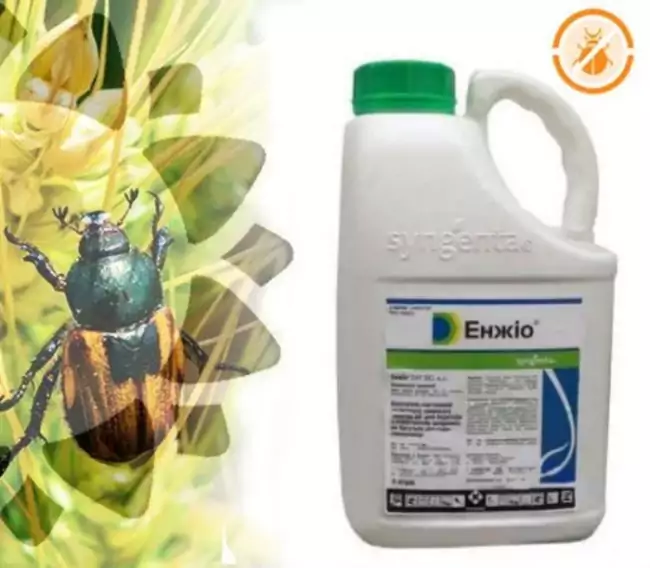
- Nurel D protects wheat, rapeseed, and barley crops from a variety of pests. It contains two ingredients: cypermethrin and chlorpyrifos. Available as an emulsifiable concentrate, it is easy to use.

Instructions for use
The products in this group come in different forms. Their application methods vary accordingly. Sprays can be used directly, while powder, granules, or suspension concentrates can be used to prepare a solution.
Pyrethroids are low-consumption. They are used throughout the season in garden plots and, at home, when pests appear.
Safety precautions
Insecticides containing pyrethroids are classified as hazard classes 2-3 for humans. Therefore, when working with them, it is recommended to use personal protective equipment (PPE), such as goggles, a respirator, and protective clothing.
Spray crops in dry, windless weather. If the product comes into contact with skin, rinse with water. If the product gets into your eyes, rinse them immediately with water.
Signs of intoxication
Drugs in this category have various toxic properties. Cyano group agents cause tremors, agitation, hyperactivity, and muscle contractions. Meanwhile, pyrethroids from the cyanopyrethroid group cause seizures, hyperkinesia, and hypersalivation.
Acute pyrethroid poisoning is accompanied by headaches, dizziness, and general weakness. There is also a risk of burning and itching of the facial skin. During the first few days, there is a risk of fever reaching 38-39 degrees Celsius.
Pyrethroids are effective insecticides that help eliminate a variety of dangerous pests. To ensure these products are effective, it's important to strictly follow the instructions for use. Adherence to safety precautions is also crucial.