
- What is in green soap?
- Purpose
- Mechanism of action
- The best recipes for pest control
- From scale insects
- For late autumn processing
- From the foamy bib
- From spider mites
- From aphids
- From thrips
- Terms of Use
- In the greenhouse
- For garden plants
- How are remedies used in folk recipes for treatment?
- Garlic mixture
- Mixture with tobacco
- Mixture with copper sulfate
- Mixture with soda ash
- Precautionary measures and what to do in case of poisoning
- What is it compatible with?
- How and how long to store
- Temperature required for action
- What to replace it with
Green soap is an effective remedy that has been used for many years to combat pests. Today, it is enjoying renewed popularity due to the widespread adoption of organic farming. Its main advantage is its complete safety for the environment. The composition is often used for the prevention and control of dangerous pests.
What is in green soap?
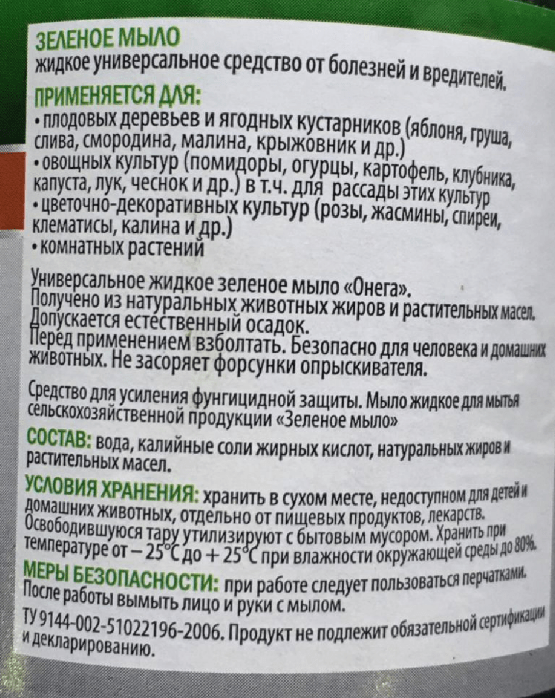
The product is produced in the form of liquid soap. It is completely natural. It contains potassium salts, pure water, and unsaturated fatty acids. It also contains various oils, including soybean, sunflower, and animal fats. Green soap contains no preservatives or toxic components. This makes it completely safe for crops when used as directed.
Purpose
Green laundry soap is an effective preventative for plant pests and fungi. It's used to create solutions against scale insects, aphids, whiteflies, spider mites, and other pests. It creates an alkaline environment on the surface of crops, helping to combat fungal diseases such as powdery mildew, gray mold, late blight, and cystosporosis.
Mechanism of action
Green soap has antifungal and insecticidal properties. It also enhances the effectiveness of pesticides and fungicides. In fact, it's not actually a soap. Rather, it's a green or brown mixture with a soapy, adhesive base.
The product contains natural ingredients. After spraying, the substance creates an environment on the treated surfaces that inhibits the growth of parasites and pathogens. As a result, pests are unable to reproduce and consume the juices and tissues of the treated crops.
The best recipes for pest control
Preparing a working solution using green soap is easy. It can be made directly in a sprayer. Simply take the required amount of the product and add water. Afterwards, thoroughly mix the ingredients before using.
Take a look Also
From scale insects
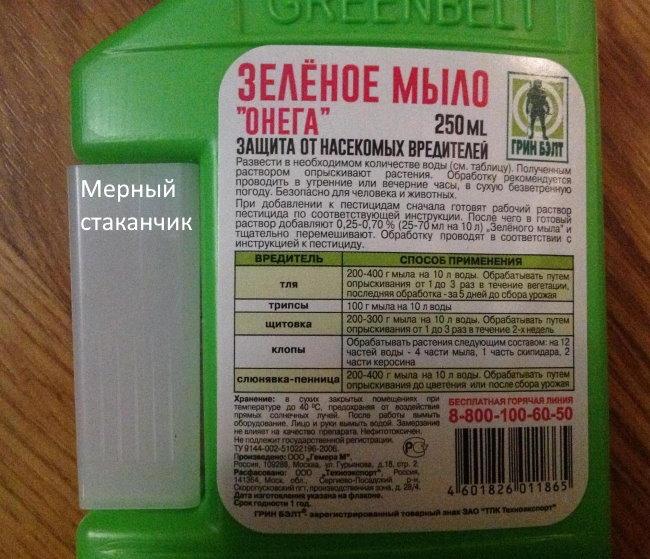
To combat these pests, it is recommended to mix 200-300 milliliters of green soap with 1 bucket of water. To get rid of scale insects, use the mixture throughout the growing season. A total of 1-3 sprays are needed.
For late autumn processing
To get rid of parasitic larvae hiding under the bark, spray the plant before winter. To do this, use 40-50 grams of the substance, 1 liter of boiling water, and 2 liters of kerosene.
First, pour boiling water over the green soap. Cool the mixture to 50 degrees Celsius. While stirring, add a couple of liters of kerosene. The solution should have the texture of sour cream.
From the foamy bib
To control these insects, use a mixture of 200 milliliters of the product and 1 bucket of water. The crops should be treated before flowering and also after harvest.
From spider mites
This product helps effectively kill these pests. To do this, take 200-400 milliliters of green soap and 1 bucket of water. It's important to use room temperature water.
From aphids
The product is actively used to kill aphids. To get rid of these pests, mix 400 milliliters of the product with one bucket of water. If parasites are detected, systematic treatment is necessary. For severe infestations, this should be done three times a day. However, discontinue use a week before the start of fruiting.
From thrips
To get rid of thrips, use 100 milliliters of the product per bucket of water. This product should be used during the growing season. However, it should not be used immediately before harvesting.
Terms of Use
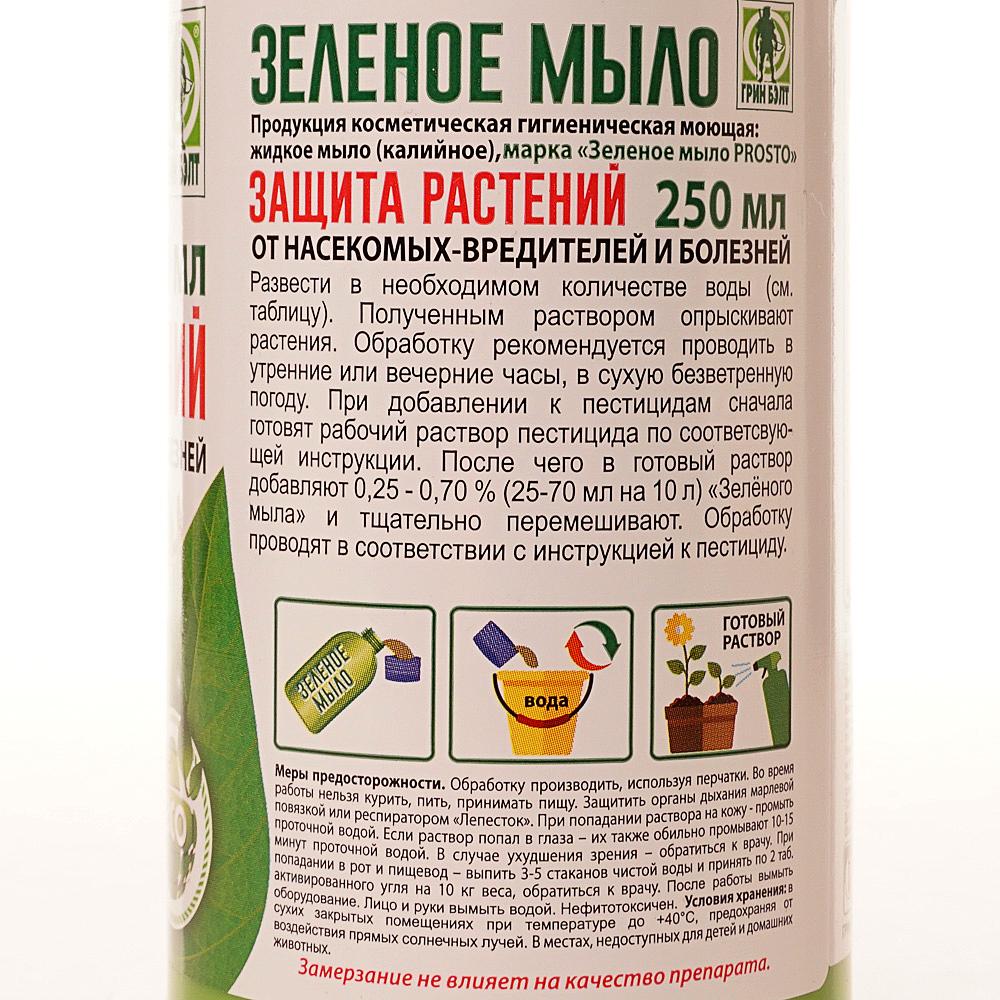
To ensure the product achieves its desired effect, it is important to apply it strictly according to the instructions. This also requires considering the goals and objectives of the treatment.
In the greenhouse
Greenhouses and hotbeds should be ventilated when applying green soap. To achieve this, it's important to leave windows and doors open. Respiratory protection is also essential. Protective clothing is recommended for all work. The application itself has no specific requirements.
For garden plants
Garden crops should not be sprayed in windy or rainy weather. It's important to consider the type of crop being sprayed:
- Trees – can be treated from early spring and throughout the summer season.
- Currants, gooseberries, raspberries, and other fruit and berry bushes require spraying twice a year. The first application of green soap is before flowering, and the second application is after fruiting has finished. It's worth noting that you can apply the solution to the branches with a brush or a sprayer. This can significantly reduce the amount of product you use.
- Potatoes are treated as soon as parasites appear.
When spraying berry and vegetable plants outdoors, it's important to remember to apply the product early in the morning, when there's no direct sunlight. It's also acceptable to spray late in the evening, after sunset. The final application should be performed 7-10 days before the harvest ripens.
How are remedies used in folk recipes for treatment?
To ensure the desired effect, the substance should be combined with other ingredients. This will significantly increase the drug's effectiveness.
Garlic mixture
This mixture works well against spider mites. To make it, crush 15 grams of garlic and mix it with 3 liters of hot water. Let the solution steep for 2 hours, then add 200 grams of soap.
Mix all ingredients thoroughly and pour into a spray bottle. To avoid clogging the nozzles, strain the solution through cheesecloth. When using the product indoors, be aware that it has a strong garlic aroma.
Mixture with tobacco
To make an effective mixture, take 1 kilogram of crushed tobacco and add 1 bucket of water. After 24 hours, filter the liquid and add 25 grams of green soap. Additionally, add 1 bucket of water to the mixture. To enhance the effectiveness of the mixture, you can add a little wood ash.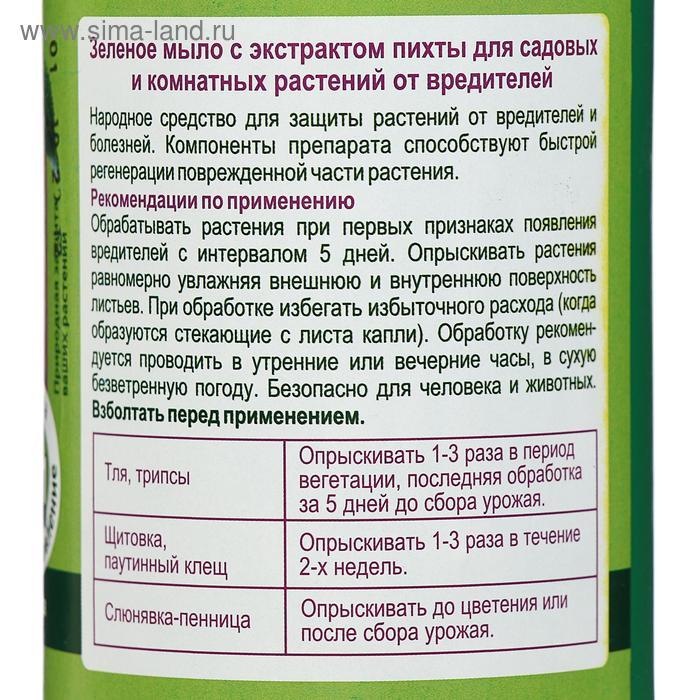
Mixture with copper sulfate
This mixture helps kill parasites and protects plants from fungal infections. To prepare the solution, you'll need two containers. In one container, mix 30 grams of green soap with 800 milliliters of water. In the second container, mix 2 grams of copper sulfate with a glass of water. Once the mixture reaches a uniform consistency in each container, you can begin pouring the copper sulfate solution into the container with the green soap. Then, mix the mixture again and pour it into the sprayer.
Mixture with soda ash
To prepare this solution, we recommend using 20 grams of baking soda and 50 grams of soap. Add these ingredients to 5 liters of water. Mix all ingredients thoroughly to prevent sediment from forming.
Precautionary measures and what to do in case of poisoning
The product is considered safe. It contains no toxic components, does not cause poisoning or allergic symptoms, and is harmless to plants, animals, or the environment. However, it is advisable to treat fruit-bearing crops before and after harvest.
Soap is recommended for use only for spraying crops. It should not be added to formulations intended for root system treatment. It is also prohibited for household use. Do not wash your hands or clothes with it.
When working with the substance, it is recommended to protect your eyes with goggles and your hands with gloves. After use, thoroughly rinse the sprayer and the container in which the solution was prepared.
If the substance affects mucous membranes, it is recommended to rinse the solution with plenty of water. To achieve the desired effect, it is important to follow the instructions for use. When applying the product to indoor plants, cover the root ball with plastic wrap and secure it near the trunk.
In case of poisoning, you need to do the following:
- If the substance gets into your eyes, rinse them thoroughly with water. It's recommended to do this for 15 minutes. Then, use a 2% boric acid solution and Albucid eye drops. Consult an ophthalmologist.
- If skin is affected, rinse with plenty of water. To neutralize the alkali, apply a gauze bandage soaked in acetic acid to the affected area. The solution concentration should be 5%. The procedure should last 5 minutes. Then remove the bandage and rinse the affected area with water.
- If the product enters the digestive system, drink water and induce vomiting. Then take an absorbent and consult a doctor.
What is it compatible with?
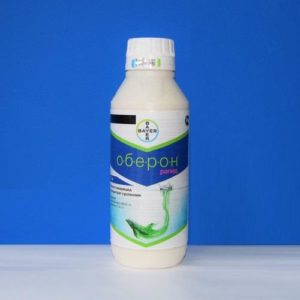
Green soap can be combined with fungicides. To do this, add 100 milliliters of green soap to a bucket of the fungicide solution. It seals the chemical and prevents its evaporation. This allows the solution to penetrate deeper into plant tissue and help fight diseases more effectively. Green soap has a similar effect on insecticide solutions, with which it also combines well.
How and how long to store
The product has a shelf life of 2 years. It should be stored at temperatures between -10°C and +35°C. Store in a dark place. Keep the product out of the reach of children and pets. Keep away from food and medications. Unused green soap solution should not be stored.
Temperature required for action
To ensure the desired effect, it's important to use the product at above-zero temperatures. In hot weather, outdoor plants should be treated early in the morning.
What to replace it with
Green soap has no direct analogues. It can be replaced with water-based fungicides and insecticides that contain soap.
Green soap is an effective remedy that helps combat various pests and fungal infections. To ensure the desired results, it must be used strictly according to the instructions.